Now Reading: Boosting Health: The Power of Vitamin A
-
01
Boosting Health: The Power of Vitamin A
Boosting Health: The Power of Vitamin A

Vitamin A is a fat-soluble vitamin that plays a crucial role in various physiological processes within the human body. It exists in two primary forms: preformed vitamin A (retinol), which is found in animal products, and provitamin A carotenoids, which are found in plant-based foods. The body can convert carotenoids, such as beta-carotene, into retinol, making it an essential nutrient for individuals following vegetarian or vegan diets.
This vitamin is not only vital for maintaining good vision but also plays a significant role in cellular communication, reproduction, and the maintenance of healthy skin and mucous membranes. The importance of vitamin A extends beyond its well-known benefits for vision. It is integral to the immune system, helping to fend off infections and diseases.
Additionally, vitamin A is involved in the process of cell growth and differentiation, which is essential for the development of organs and tissues. Its antioxidant properties also contribute to reducing oxidative stress in the body, thereby potentially lowering the risk of chronic diseases. Given its multifaceted roles, ensuring adequate intake of vitamin A is essential for overall health and well-being.
The Role of Vitamin A in the Body: How does it support overall health and wellbeing?
Vitamin A supports overall health through its involvement in several critical bodily functions. One of its primary roles is in the maintenance of vision. Retinal, a derivative of vitamin A, is a key component of rhodopsin, a protein in the eyes that allows us to see in low-light conditions.
Without sufficient vitamin A, the production of rhodopsin is impaired, leading to night blindness and other vision-related issues. Furthermore, vitamin A contributes to the health of the cornea and conjunctiva, which are essential for clear vision. Beyond vision, vitamin A plays a pivotal role in immune function.
It helps regulate the immune response by promoting the development and differentiation of white blood cells, which are crucial for fighting infections. Vitamin A also enhances the integrity of epithelial tissues, acting as a barrier against pathogens. This protective function is particularly important in areas such as the respiratory and gastrointestinal tracts, where exposure to pathogens is high.
The vitamin’s role in maintaining healthy mucous membranes ensures that these barriers remain effective, reducing the likelihood of infections.
Food Sources of Vitamin A: Which foods are rich in this essential nutrient?
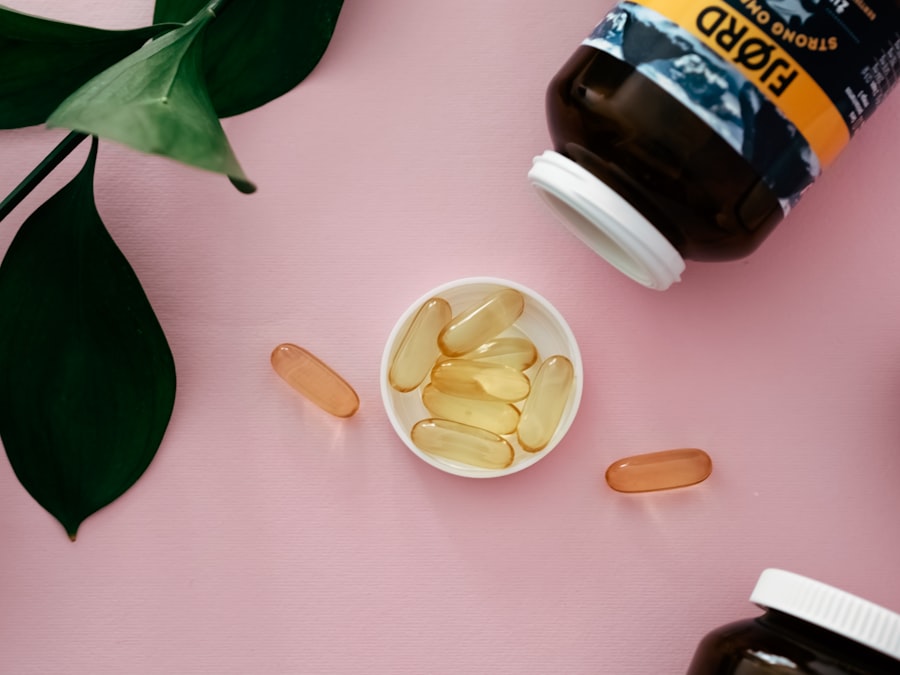
A diverse range of foods can provide adequate amounts of vitamin A, making it accessible through various dietary choices. Animal sources are rich in preformed vitamin A (retinol), with liver being one of the most concentrated sources. For instance, beef liver contains approximately 6,500 micrograms of retinol per 100 grams, far exceeding the daily recommended intake for adults.
Other animal products such as fish liver oils, dairy products like whole milk and cheese, and eggs also contribute significantly to vitamin A intake.
Foods rich in beta-carotene include carrots, sweet potatoes, butternut squash, and dark leafy greens such as spinach and kale.
For example, a medium-sized carrot contains about 1,200 micrograms of beta-carotene, which can be converted into approximately 200 micrograms of retinol. Incorporating a variety of these foods into one’s diet can help ensure sufficient vitamin A levels while also providing other essential nutrients and antioxidants.
The Benefits of Vitamin A for Vision: How does it support eye health and prevent vision problems?
| Benefit | Description |
|---|---|
| Supports Night Vision | Vitamin A helps the eyes to adjust to changes in light, making it essential for good night vision. |
| Prevents Dry Eyes | Vitamin A helps to maintain the surface of the eye, preventing dryness and irritation. |
| Protects Against Age-Related Macular Degeneration | Consuming adequate amounts of vitamin A can reduce the risk of developing age-related macular degeneration, a leading cause of vision loss. |
| Supports Overall Eye Health | Vitamin A is essential for the maintenance of the cornea, the outermost layer of the eye, and for the production of tears. |
Vitamin A’s most celebrated benefit is its critical role in maintaining healthy vision. The conversion of retinol into retinal is essential for the formation of rhodopsin, a pigment found in the retina that enables vision in low-light conditions.
This condition can be particularly debilitating for those who rely on night vision for activities such as driving or navigating at night. Moreover, vitamin A contributes to overall eye health by supporting the integrity of the cornea and conjunctival membranes. These structures are vital for protecting the eye from environmental damage and infections.
Insufficient vitamin A can lead to xerophthalmia, a severe eye condition characterized by dryness and thickening of the conjunctiva and cornea, which can ultimately result in blindness if left untreated. Regular consumption of vitamin A-rich foods can help prevent these conditions and promote long-term eye health.
Vitamin A and Immune Function: How does it boost the immune system and protect against infections?
Vitamin A plays an indispensable role in bolstering the immune system by enhancing both innate and adaptive immunity. It influences the production and function of various immune cells, including T cells and B cells, which are crucial for mounting an effective immune response against pathogens. Adequate levels of vitamin A ensure that these cells can proliferate and differentiate properly, allowing the body to respond swiftly to infections.
Additionally, vitamin A contributes to maintaining the integrity of epithelial tissues that line various organs and systems within the body. These tissues act as physical barriers against pathogens; thus, a deficiency in vitamin A can compromise these barriers, making individuals more susceptible to infections. For instance, studies have shown that children with low vitamin A levels are at a higher risk for respiratory infections and diarrhea.
By ensuring sufficient intake of this vital nutrient, individuals can enhance their immune defenses and reduce their risk of illness.
Vitamin A and Skin Health: What role does it play in maintaining healthy skin and preventing skin conditions?

The Role of Vitamin A in Skin Health
This process helps keep the skin looking youthful and vibrant while also preventing clogged pores that can lead to acne breakouts.
Vitamin A Derivatives in Dermatology
Moreover, retinoids—derivatives of vitamin A—are widely used in dermatology for their effectiveness in treating various skin conditions such as acne, psoriasis, and signs of aging like wrinkles and fine lines. Topical retinoids work by increasing cell turnover rates and promoting collagen production, which enhances skin elasticity and reduces the appearance of aging.
Antioxidant Properties of Vitamin A
Additionally, vitamin A’s antioxidant properties help combat oxidative stress caused by environmental factors such as UV radiation and pollution, further protecting skin health.
Vitamin A Deficiency: What are the signs and symptoms, and how can it be prevented?
Vitamin A deficiency can manifest through a range of symptoms that reflect its critical roles in vision, immune function, and skin health. One of the earliest signs is night blindness or difficulty seeing in low-light conditions due to impaired rhodopsin production. As deficiency progresses, individuals may experience more severe ocular symptoms such as dryness of the eyes (xerophthalmia) or even corneal ulcers that can lead to blindness if not addressed promptly.
In addition to ocular symptoms, vitamin A deficiency can weaken immune responses, making individuals more susceptible to infections. Symptoms may include frequent respiratory infections or gastrointestinal issues due to compromised epithelial barriers. Skin health may also deteriorate; individuals may notice dry or rough skin as well as an increased incidence of acne or other skin conditions.
To prevent deficiency, it is essential to consume a balanced diet rich in both animal-based sources (like liver and dairy) and plant-based sources (like carrots and leafy greens) that provide adequate amounts of this vital nutrient.
Supplementing with Vitamin A: Is it necessary, and what are the potential risks and benefits?
While obtaining sufficient vitamin A through diet is generally recommended for most individuals, supplementation may be necessary in certain circumstances—particularly for those with specific health conditions or dietary restrictions that limit their intake of this nutrient. For example, individuals with malabsorption disorders such as celiac disease or cystic fibrosis may struggle to absorb fat-soluble vitamins effectively and could benefit from supplementation under medical supervision. However, caution must be exercised when considering vitamin A supplements due to potential risks associated with excessive intake.
Hypervitaminosis A—a condition resulting from excessive consumption—can lead to serious health issues such as liver damage, headaches, dizziness, nausea, and even more severe complications like intracranial pressure increases or birth defects during pregnancy if taken in high doses. Therefore, it is crucial to consult with a healthcare professional before starting any supplementation regimen to ensure safety and appropriateness based on individual health needs. In summary, while vitamin A is an essential nutrient with numerous health benefits ranging from vision support to immune function enhancement and skin health maintenance, it is best obtained through a balanced diet rich in both animal and plant sources.
Understanding its importance can help individuals make informed dietary choices that promote overall well-being while minimizing risks associated with deficiency or excessive supplementation.
A related article to Vitamin A supplementation can be found on Boogger.com. The article discusses the benefits of Vitamin A for eye health and overall immune function. It also explores the potential risks of Vitamin A deficiency and the importance of incorporating Vitamin A-rich foods into one’s diet. To learn more about Vitamin A supplementation, you can read the article here.
FAQs
What is Vitamin A supplementation?
Vitamin A supplementation refers to the practice of providing individuals with additional doses of vitamin A, either in the form of supplements or fortified foods, to prevent or treat vitamin A deficiency.
Why is Vitamin A supplementation important?
Vitamin A is essential for maintaining healthy vision, immune function, and cell growth. Inadequate intake of vitamin A can lead to a range of health problems, including night blindness, increased susceptibility to infections, and in severe cases, blindness and even death.
Who can benefit from Vitamin A supplementation?
Vitamin A supplementation is particularly important for pregnant and breastfeeding women, young children, and individuals living in areas where vitamin A deficiency is prevalent. It can also be beneficial for individuals with certain medical conditions that affect their ability to absorb or utilize vitamin A from food.
What are the sources of Vitamin A supplementation?
Vitamin A supplements are available in various forms, including capsules, tablets, and liquid drops. In addition, vitamin A is often added to fortified foods such as milk, cereal, and cooking oil to increase its availability to populations at risk of deficiency.
What are the potential risks of Vitamin A supplementation?
While vitamin A is essential for good health, excessive intake of vitamin A can be toxic and lead to adverse health effects. It is important to follow recommended dosage guidelines and consult a healthcare professional before starting vitamin A supplementation, especially for pregnant women and individuals with liver disease.