Now Reading: Belarus: A Country in Eastern Europe
-
01
Belarus: A Country in Eastern Europe
Belarus: A Country in Eastern Europe
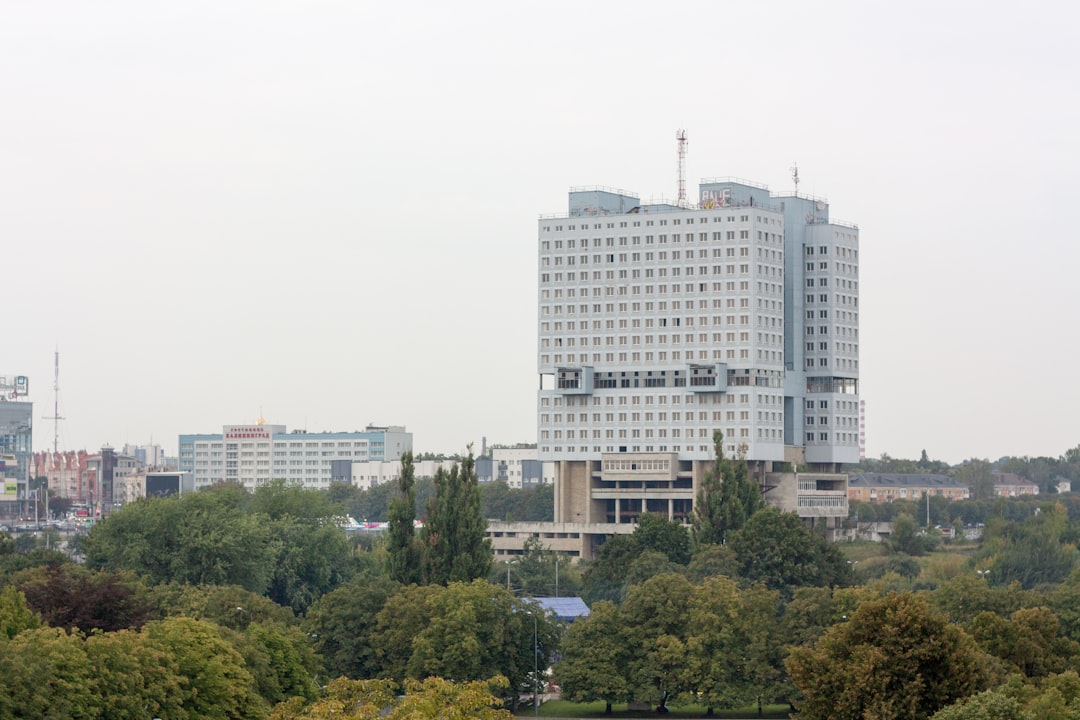
Belarus, a landlocked nation situated in Eastern Europe, is bordered by Poland to the west, Lithuania to the northwest, Latvia to the north, Russia to the east, and Ukraine to the south. Covering an area of approximately 207,600 square kilometers (80,200 square miles), it ranks as the 13th largest country in Europe. The capital city, Minsk, serves as the political, economic, and cultural hub of the nation.
As of 2023, Belarus has an estimated population of around 9.4 million people, with a density of approximately 45 inhabitants per square kilometer. The demographic composition is predominantly Belarusian, with significant Russian and Polish minorities. The country’s strategic location has historically made it a crossroads for various cultures and influences.
This geographical positioning has contributed to its rich tapestry of history and culture. The population is characterized by a mix of urban and rural communities, with about 75% residing in urban areas. The official languages are Belarusian and Russian, reflecting the dual heritage that shapes the national identity.
The history of Belarus is marked by a series of significant events that have shaped its national identity. The region was part of the Grand Duchy of Lithuania from the 13th century until the late 18th century when it was partitioned between the Russian Empire, Prussia, and Austria. Following World War I, Belarus briefly declared independence in 1918 but was soon absorbed into the Soviet Union in 1922.
During this period, Belarus experienced significant industrialization and urbanization but also faced severe repression under Stalin’s regime, including the Great Purge and the devastating impact of World War
The struggle for independence gained momentum in the late 20th century as the Soviet Union began to dissolve. In 1991, Belarus declared sovereignty and subsequently independence from the Soviet Union. However, the transition to a democratic system has been fraught with challenges.
Alexander Lukashenko became the first president in 1994 and has maintained a tight grip on power ever since, leading to accusations of authoritarianism and human rights abuses.
Belarus boasts a diverse geography characterized by vast forests, numerous rivers, and expansive wetlands. Approximately 40% of the country is covered by forests, primarily consisting of coniferous trees such as pine and spruce. The Dnieper River is one of the major waterways flowing through Belarus, along with other significant rivers like the Neman and Pripyat.
The climate in Belarus is classified as continental, featuring cold winters and warm summers. Average temperatures in January can drop to -6°C (21°F), while July temperatures can reach up to 20°C (68°F).
This climate supports a rich biodiversity, making Belarus home to various flora and fauna.
Belarusian culture is a vibrant blend of Slavic traditions influenced by neighboring countries. The official languages—Belarusian and Russian—play a crucial role in shaping cultural expression. Folk music is an integral part of Belarusian heritage, characterized by traditional instruments such as the tsymbaly (a type of hammered dulcimer) and the duda (a bagpipe).
Dance forms like the khorovod (circle dance) are often performed during festivals and celebrations. Cuisine in Belarus reflects its agrarian roots, with staples including potatoes, rye bread, and dairy products. Dishes such as draniki (potato pancakes) and borscht (beet soup) are popular among locals.
Traditional customs are celebrated during various festivals throughout the year, including Kupalle (a summer solstice festival) and Maslenitsa (a pre-Lenten celebration). These events often feature folk performances, crafts, and communal feasting.
Belarus has a mixed economy that combines state ownership with private enterprise. Key industries include manufacturing, agriculture, and services. The country is known for producing machinery, electronics, textiles, and food products.
Agriculture remains vital to the economy, with significant production of potatoes, flax, and dairy products. Trade partners include Russia, which accounts for a substantial portion of exports due to historical ties and economic agreements within the Eurasian Economic Union. However, Belarus faces economic challenges such as reliance on Russian energy supplies and limited access to Western markets due to political tensions.
The economy has been further strained by international sanctions imposed in response to human rights violations.
Belarus operates under a presidential republic system where the president holds significant power over all branches of government. Alexander Lukashenko has been in power since 1994 and has been criticized for suppressing dissent and curtailing freedoms. The parliament consists of two chambers: the House of Representatives and the Council of the Republic; however, their powers are limited compared to those of the president.
Current political issues include widespread protests against electoral fraud following the controversial presidential elections in August 2020. The government’s response has been marked by crackdowns on opposition figures and civil society organizations. Internationally, Belarus faces isolation due to its human rights record and strained relations with Western nations.
Belarus places a strong emphasis on education, with a literacy rate exceeding 99%. The education system is structured into several levels: primary, secondary, vocational training, and higher education. The government provides free education at all levels; however, there are concerns regarding curriculum content that reflects state ideology rather than critical thinking skills.
Healthcare in Belarus is also state-funded and provides universal coverage for citizens. The healthcare system includes hospitals, clinics, and specialized medical facilities. While access to healthcare services is generally good in urban areas, rural regions may face challenges such as limited resources and personnel shortages.
Recent reforms aim to improve healthcare quality but face obstacles due to budget constraints.
Belarus offers a wealth of attractions for tourists seeking both natural beauty and cultural experiences. Notable historical landmarks include Mir Castle and Nesvizh Castle—both UNESCO World Heritage Sites—showcasing stunning architecture from different eras. The Brest Hero-Fortress serves as a poignant reminder of World War II history.
Natural wonders abound in Belarus’s national parks such as Belovezhskaya Pushcha National Park—home to European bison—and Narochansky National Park known for its picturesque lakes. Cultural attractions include museums dedicated to art and history in Minsk as well as vibrant festivals celebrating traditional music and crafts throughout the year.
Recent developments in Belarus have been dominated by political unrest following the disputed presidential elections in 2020. Protests erupted nationwide against alleged electoral fraud leading to widespread arrests and crackdowns on dissenters. Internationally, relations with Western nations have soured due to human rights violations; sanctions have been imposed on key officials within Lukashenko’s government.
In response to these challenges, Belarus has sought closer ties with Russia for economic support while facing criticism from international organizations regarding its treatment of opposition figures. Social issues such as freedom of speech remain contentious topics as civil society continues to advocate for democratic reforms.
Belarus faces numerous challenges that hinder its growth potential. Economic struggles stem from reliance on state-owned enterprises coupled with limited foreign investment due to political instability. Additionally, ongoing tensions between government authorities and civil society create an environment fraught with uncertainty.
However, opportunities exist for development through diversification efforts aimed at reducing dependence on traditional industries. Embracing technology-driven sectors such as information technology could foster innovation while attracting foreign investment. Strengthening ties with neighboring countries may also open new avenues for trade partnerships.
In summary, Belarus is a nation steeped in history with a unique cultural identity shaped by diverse influences over centuries. Despite facing significant challenges related to governance and economic stability, there remains potential for growth through strategic reforms aimed at fostering innovation and enhancing international relations. As it navigates its path forward amidst political tensions and social change, Belarus continues to be a country rich in heritage with much to offer both residents and visitors alike.
Today, on March 24, 2025, we celebrate the birthdays of several celebrities, including Jim Parsons and Alyson Hannigan. In relation to Belarus, a recent article on Boogger discusses the recognition of Juneteenth as a federal holiday in 2024. This article highlights the importance of acknowledging and commemorating historical events, much like the ongoing struggle for democracy and human rights in Belarus.
FAQs
What is Belarus?
Belarus is a landlocked country located in Eastern Europe. It is bordered by Russia to the northeast, Ukraine to the south, Poland to the west, and Lithuania and Latvia to the northwest.
What is the capital of Belarus?
The capital of Belarus is Minsk, which is also the largest city in the country.
What is the official language of Belarus?
The official language of Belarus is Belarusian, although Russian is also widely spoken and used in official capacities.
What is the currency of Belarus?
The currency of Belarus is the Belarusian ruble.
What is the government system in Belarus?
Belarus is a presidential republic, with the President serving as the head of state and government.
What are some popular tourist attractions in Belarus?
Some popular tourist attractions in Belarus include the Mir Castle Complex, Nesvizh Castle, Białowieża Forest, and the National Academic Grand Opera and Ballet Theatre of Belarus.
What is the climate like in Belarus?
Belarus has a temperate continental climate, with cold winters and mild summers. The country experiences all four seasons.
What are some traditional dishes in Belarusian cuisine?
Traditional dishes in Belarusian cuisine include draniki (potato pancakes), machanka (pork stew), and kalduny (dumplings). Dairy products such as sour cream and cheese are also commonly used in Belarusian dishes.