Now Reading: Battle of the Cities: Cincinnati vs Kansas
-
01
Battle of the Cities: Cincinnati vs Kansas
Battle of the Cities: Cincinnati vs Kansas

The United States is a tapestry of diverse cities, each with its unique characteristics, history, and cultural significance. Among these, Cincinnati, Ohio, and Kansas City, Missouri, stand out as vibrant urban centers that have shaped the American landscape in various ways. This article delves into a comprehensive comparison of these two cities, exploring their historical backgrounds, economic frameworks, cultural attractions, recreational opportunities, and educational and healthcare systems.
By examining these facets, we aim to provide a nuanced understanding of what makes each city distinct and worthy of recognition. Cincinnati, often referred to as the “Queen City,” boasts a rich history intertwined with the development of the American Midwest. In contrast, Kansas City, known for its jazz heritage and barbecue cuisine, has evolved into a significant cultural and economic hub in the heart of the country.
As we navigate through the various dimensions of these cities, we will uncover the elements that contribute to their identities and the ongoing rivalry that exists between them.
Key Takeaways
- Cincinnati and Kansas are two cities with unique histories, economies, and cultural attractions, making them interesting to compare and contrast.
- Cincinnati has a rich history dating back to the early 19th century, with a strong German influence and a significant role in the abolitionist movement.
- Kansas has a diverse history, from its Native American roots to its role in the Civil War and its reputation as a center for agriculture and industry.
- Cincinnati’s economy is driven by manufacturing, finance, and healthcare, with companies like Procter & Gamble and Kroger headquartered in the city.
- Kansas has a strong agricultural and manufacturing base, with industries like aerospace, food processing, and transportation playing a significant role in the state’s economy.
History and Background of Cincinnati
Cincinnati’s origins date back to 1788 when it was founded by John Cleves Symmes. Initially established as a trading post along the Ohio River, it quickly grew into a bustling settlement due to its strategic location. By the early 19th century, Cincinnati emerged as a key player in the westward expansion of the United States.
The city became known for its thriving pork industry, earning it the nickname “Porkopolis.” This moniker reflected its status as a leading center for meatpacking and processing during the mid-1800s. The city’s historical significance is further underscored by its role in the abolitionist movement. Cincinnati was a critical stop on the Underground Railroad, providing refuge for enslaved individuals seeking freedom in the North.
The city’s diverse population, which included German and Irish immigrants, contributed to its cultural richness and economic growth. As industrialization took hold in the late 19th century, Cincinnati continued to flourish, becoming a hub for manufacturing and commerce.
History and Background of Kansas
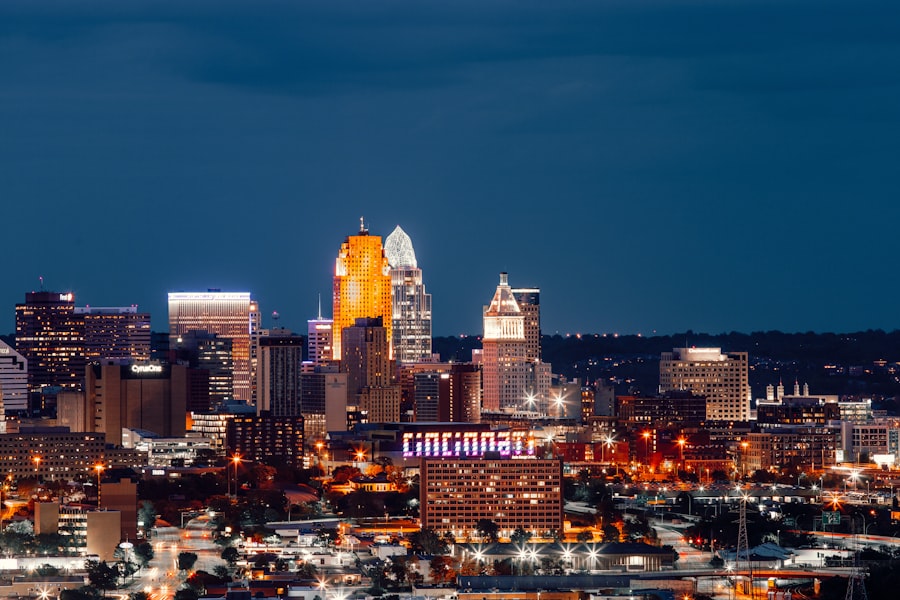
Kansas City has a history that is equally compelling, with its roots tracing back to the early 19th century.
The establishment of Fort Leavenworth in 1827 marked a significant turning point, as it facilitated trade and migration along the Missouri River.
The city was officially incorporated in 1850 and quickly became a vital transportation hub due to its strategic location at the confluence of the Missouri and Kansas Rivers. The Civil War had a profound impact on Kansas City, as it was situated on the border between free and slave states. The city experienced significant turmoil during this period, but it ultimately emerged as a center for commerce and culture in the post-war era.
The late 19th and early 20th centuries saw rapid growth fueled by the expansion of railroads and the establishment of industries such as meatpacking and manufacturing. Kansas City’s vibrant jazz scene also began to take shape during this time, laying the groundwork for its cultural legacy.
Economy and Industry in Cincinnati
| Indicator | Value |
|---|---|
| Gross Domestic Product (GDP) | 134.8 billion |
| Unemployment Rate | 4.2% |
| Top Industries | Advanced manufacturing, healthcare, finance |
| Median Household Income | 56,538 |
Cincinnati’s economy is characterized by its diverse industrial base and strong presence in various sectors. The city is home to several Fortune 500 companies, including Procter & Gamble, Kroger, and Macy’s. The manufacturing sector remains a cornerstone of Cincinnati’s economy, with industries such as aerospace, automotive, and consumer goods playing pivotal roles.
The city’s strategic location along major transportation routes enhances its appeal as a logistics hub. In recent years, Cincinnati has also made strides in technology and innovation. The city has fostered a burgeoning startup ecosystem, particularly in sectors like health tech and software development.
Initiatives aimed at attracting talent and investment have contributed to a dynamic economic landscape that continues to evolve. Furthermore, Cincinnati’s commitment to sustainability is evident through various green initiatives aimed at promoting environmental responsibility within its industries.
Economy and Industry in Kansas
Kansas City’s economy is equally robust, with a diverse array of industries contributing to its growth. The city is renowned for its strong presence in sectors such as healthcare, technology, finance, and manufacturing. Major employers include Cerner Corporation, H&R Block, and Hallmark Cards.
The healthcare sector is particularly noteworthy, with institutions like the University of Kansas Medical Center playing a vital role in providing quality care and advancing medical research. The city’s strategic location also positions it as a key player in logistics and distribution. With access to major highways and railroads, Kansas City serves as a critical transportation hub for goods moving across the Midwest.
Additionally, Kansas City’s commitment to fostering innovation is evident through initiatives aimed at supporting startups and entrepreneurs in various fields. The city’s economic landscape continues to evolve as it embraces new technologies and industries.
Cultural Attractions in Cincinnati

Cincinnati boasts a rich cultural scene that reflects its diverse heritage. One of the city’s most iconic landmarks is the Cincinnati Art Museum, which houses an extensive collection of over 67,000 artworks spanning 6,000 years of history. The museum’s commitment to accessibility ensures that art enthusiasts from all walks of life can engage with its offerings.
Another cultural gem is the Cincinnati Symphony Orchestra, one of the oldest orchestras in the United States. With a reputation for excellence, the orchestra performs at Music Hall, an architectural masterpiece that enhances the city’s cultural landscape. Additionally, Cincinnati’s Over-the-Rhine district has undergone revitalization in recent years, becoming a vibrant hub for arts, dining, and entertainment.
Cincinnati also celebrates its rich culinary heritage through events like the Cincinnati Food + Wine Classic, showcasing local chefs and culinary talent. The city’s famous chili—served over spaghetti—has become an iconic dish that reflects its unique gastronomic identity.
Cultural Attractions in Kansas
Kansas City is renowned for its vibrant cultural scene that encompasses music, art, and culinary experiences. The city is perhaps best known for its jazz heritage, with venues like the Blue Room and 18th & Vine Historic District serving as focal points for live music enthusiasts. The American Jazz Museum pays homage to this rich musical tradition while educating visitors about its historical significance.
Art lovers will find solace in institutions like the Nelson-Atkins Museum of Art, which boasts an impressive collection of Asian art alongside European masterpieces. The museum’s iconic shuttlecock sculptures have become symbols of Kansas City’s artistic identity. Culinary experiences abound in Kansas City as well, particularly with its world-famous barbecue culture.
The city hosts numerous barbecue festivals throughout the year, attracting food enthusiasts eager to sample mouthwatering dishes from local pitmasters. The annual Kansas City Restaurant Week showcases the city’s diverse dining scene while supporting local charities.
Sports and Recreation in Cincinnati
Cincinnati’s sports culture is deeply ingrained in its identity, with passionate fans supporting various professional teams. The Cincinnati Reds hold the distinction of being Major League Baseball’s oldest franchise, with a storied history dating back to 1869. Great American Ball Park serves as their home field, providing fans with an exhilarating atmosphere during games.
In addition to baseball, Cincinnati is home to the NFL’s Cincinnati Bengals. The team’s loyal fan base rallies behind them at Paycor Stadium during football season. Beyond professional sports, Cincinnati offers numerous recreational opportunities for residents and visitors alike.
The city’s extensive park system includes scenic spots like Eden Park and Smale Riverfront Park, providing spaces for outdoor activities such as hiking, biking, and picnicking.
Sports and Recreation in Kansas
Kansas City boasts a vibrant sports culture that resonates throughout the region. The Kansas City Chiefs have garnered national attention as one of the NFL’s premier franchises in recent years. Arrowhead Stadium is renowned for its electrifying atmosphere during games, where fans proudly don their red gear to support their team.
In addition to football, Kansas City is home to Major League Baseball’s Kansas City Royals. Kauffman Stadium offers fans an opportunity to enjoy America’s pastime while experiencing the unique charm of baseball culture in the Midwest. Beyond professional sports teams, Kansas City provides ample recreational opportunities through its extensive parks system and outdoor spaces.
The city features numerous trails for hiking and biking enthusiasts while also hosting events like the annual Kansas City Marathon that encourages community participation in fitness activities.
Education and Healthcare in Cincinnati
Cincinnati places a strong emphasis on education and healthcare services within its community. The city is home to several esteemed institutions of higher learning, including the University of Cincinnati and Xavier University. These universities offer diverse academic programs while contributing significantly to research initiatives that benefit both local residents and broader society.
Healthcare services are equally robust in Cincinnati, with institutions like Cincinnati Children’s Hospital Medical Center recognized nationally for their pediatric care excellence. The city’s healthcare landscape encompasses various specialties ranging from primary care to advanced surgical procedures. Additionally, initiatives aimed at improving access to education and healthcare services are prevalent throughout Cincinnati’s neighborhoods.
Community organizations work tirelessly to address disparities while promoting health literacy among residents.
Education and Healthcare in Kansas
Kansas City also prioritizes education and healthcare within its urban framework. The city is home to several reputable universities such as the University of Missouri-Kansas City (UMKC) and Rockhurst University. These institutions provide quality education across various disciplines while fostering research initiatives that contribute positively to local communities.
The region’s commitment to advancing healthcare access ensures that residents receive quality services tailored to their needs. Moreover, community outreach programs focus on addressing health disparities among underserved populations while promoting wellness initiatives throughout neighborhoods.
In summary, both Cincinnati and Kansas City present unique attributes that contribute to their identities as vibrant urban centers within America’s landscape. From rich historical backgrounds rooted in commerce and culture to thriving economies supported by diverse industries—each city offers distinct experiences worth exploring further!
In the recent Cincinnati vs. Kansas matchup, fans were treated to an exhilarating display of athleticism and strategy. While the game was a highlight for sports enthusiasts, those looking to shift their focus to upcoming celebrations might find inspiration in related articles. For instance, as the holiday season approaches, you might want to explore gift ideas for loved ones. Check out this article on top Christmas gifts for women, which offers a range of thoughtful and stylish presents perfect for the festive season.
FAQs
What is the article “Cincinnati vs Kansas” about?
The article “Cincinnati vs Kansas” compares and contrasts the cities of Cincinnati, Ohio and Kansas City, Missouri. It discusses various aspects such as culture, economy, attractions, and quality of life in both cities.
What are some key differences between Cincinnati and Kansas City?
Some key differences between Cincinnati and Kansas City include their geographical location, cultural influences, economic industries, and local attractions.
What are some similarities between Cincinnati and Kansas City?
Both Cincinnati and Kansas City are known for their vibrant arts and culture scenes, rich history, and diverse culinary offerings. They also have strong sports traditions and are home to several professional sports teams.
Which city has a stronger economy, Cincinnati or Kansas City?
Cincinnati and Kansas City both have diverse and thriving economies, with strengths in different industries. Cincinnati is known for its strong presence in the healthcare, manufacturing, and consumer goods sectors, while Kansas City has a strong presence in the transportation, logistics, and telecommunications industries.
What are some popular attractions in Cincinnati and Kansas City?
In Cincinnati, popular attractions include the Cincinnati Zoo & Botanical Garden, the Cincinnati Art Museum, and the historic Over-the-Rhine neighborhood. In Kansas City, popular attractions include the Nelson-Atkins Museum of Art, the National World War I Museum and Memorial, and the lively Power & Light District.
Which city offers a better quality of life, Cincinnati or Kansas City?
Both Cincinnati and Kansas City offer a high quality of life, with affordable housing, strong educational opportunities, and a variety of recreational and cultural amenities. The choice between the two cities ultimately depends on individual preferences and priorities.