Now Reading: Barcelona vs Real Madrid: The Ultimate Rivalry
-
01
Barcelona vs Real Madrid: The Ultimate Rivalry
Barcelona vs Real Madrid: The Ultimate Rivalry
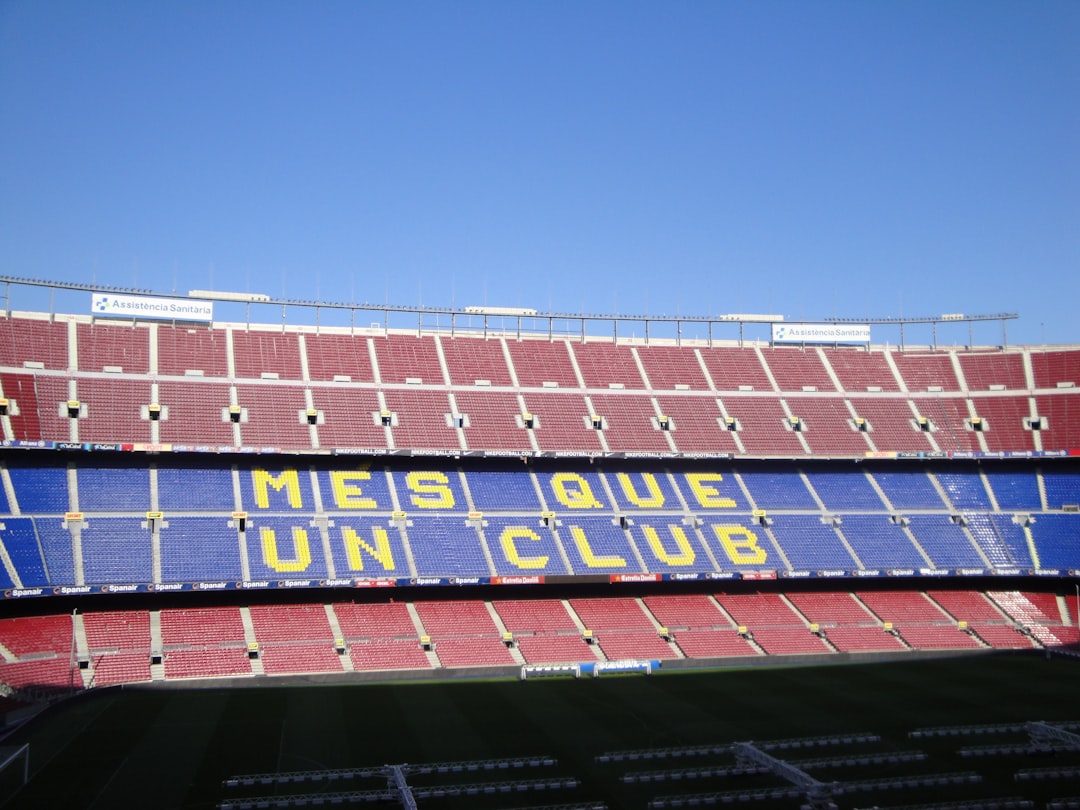
The rivalry between FC Barcelona and Real Madrid, often referred to as “El Clásico,” stands as one of the most storied and intense competitions in the world of sports. This clash transcends mere football; it embodies a cultural and political narrative that has evolved over more than a century. The matches between these two giants of Spanish football are not just games; they are events that capture the attention of millions globally, showcasing the passion, skill, and drama that define the beautiful game.
The significance of this rivalry is underscored by the sheer number of fans it attracts. Each El Clásico draws in an audience that can reach upwards of 650 million viewers worldwide, making it one of the most-watched sporting events on the planet. The stakes are always high, with both clubs vying for supremacy not only in La Liga but also in European competitions.
The historical context, the fierce competition, and the emotional investment from fans create an atmosphere that is electric, making every encounter a spectacle to behold.
Key Takeaways
- The Barcelona vs Real Madrid rivalry is one of the most historic and intense rivalries in football.
- The rivalry dates back to the early 20th century and has deep roots in the political and cultural history of Spain.
- Memorable matches and moments, such as the 5-0 victory for Barcelona in 2010, have added to the intensity of the rivalry.
- The battle for supremacy in La Liga has often come down to these two football giants, with both teams consistently competing for the top spot.
- The El Clásico is a highly anticipated showdown between Barcelona and Real Madrid, attracting global attention and viewership.
The Origins of the Rivalry
The roots of the Barcelona-Real Madrid rivalry can be traced back to the early 20th century, a period marked by political and social upheaval in Spain. FC Barcelona was founded in 1899 by a group of Swiss, Catalan, German, and English footballers, and it quickly became a symbol of Catalan pride and identity. In contrast, Real Madrid, established in 1902, garnered support from the Spanish monarchy and became associated with nationalistic sentiments.
The rivalry intensified during the Spanish Civil War (1936-1939), where Barcelona was seen as a bastion of Catalan nationalism, while Real Madrid represented the centralist regime. This political backdrop added layers of complexity to their encounters, transforming football matches into battlegrounds for ideological supremacy. The first official match between these two clubs took place in 1902, setting the stage for a rivalry that would grow in intensity over the decades.
Memorable Matches and Moments

Throughout their storied history, Barcelona and Real Madrid have produced countless memorable matches that have left an indelible mark on football history. One such match occurred on March 10, 2007, when Barcelona triumphed over Real Madrid with a stunning 3-3 draw at the Santiago Bernabéu Stadium. This match showcased the brilliance of players like Ronaldinho, who scored a breathtaking goal that left fans in awe.
Another unforgettable moment came during the 2010-2011 UEFA Champions League semi-finals when Barcelona defeated Real Madrid 2-0 at home in the first leg.
These matches not only highlight the skill and talent on display but also serve as reminders of the fierce competition that defines El Clásico.
The Battle for Supremacy in La Liga
| Team | Matches Played | Wins | Draws | Losses | Goals For | Goals Against | Points |
|---|---|---|---|---|---|---|---|
| Real Madrid | 38 | 26 | 9 | 3 | 89 | 25 | 87 |
| Barcelona | 38 | 24 | 7 | 7 | 85 | 38 | 79 |
| Atletico Madrid | 38 | 18 | 16 | 4 | 51 | 27 | 70 |
The rivalry between Barcelona and Real Madrid has significant implications for La Liga, Spain’s premier football league. Both clubs have historically dominated the league standings, with each team striving to outdo the other in terms of titles won.
The battle for supremacy extends beyond mere statistics; it influences player recruitment, financial investments, and fan engagement. Each season, both clubs invest heavily in acquiring top talent to bolster their squads, leading to an arms race that elevates the quality of football in Spain. The pressure to perform during El Clásico can be immense, as players understand that their legacies are often defined by their performances in these high-stakes encounters.
The El Clásico: A Showdown of Football Titans
El Clásico is not merely a match; it is a grand spectacle that captivates audiences worldwide. The atmosphere surrounding these encounters is electric, with fans from both sides creating a vibrant tapestry of colors and chants that reverberate throughout stadiums. The Santiago Bernabéu and Camp Nou become cauldrons of passion as supporters rally behind their teams.
The tactical battles between coaches add another layer of intrigue to El Clásico. Managers like Johan Cruyff, José Mourinho, and Pep Guardiola have left their mark on this rivalry through innovative strategies and mind games. The psychological aspect of these matches cannot be understated; players must navigate not only their opponents but also the weight of history and expectation that accompanies every El Clásico.
The Impact of the Rivalry on Spanish Football
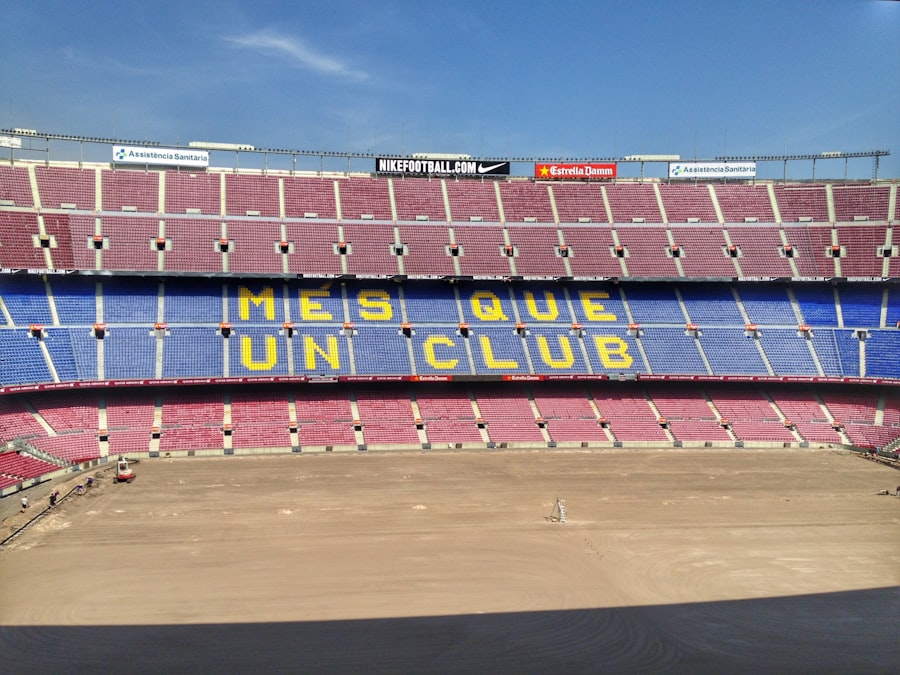
The Barcelona-Real Madrid rivalry has profoundly influenced Spanish football as a whole. It has elevated the profile of La Liga on the global stage, attracting international talent and sponsorship deals that have transformed the league into one of the wealthiest in the world. The financial implications are significant; broadcasting rights for El Clásico generate substantial revenue for both clubs and contribute to the overall growth of Spanish football.
Moreover, this rivalry has fostered a culture of excellence within Spanish football. Young players aspire to compete at the highest level, often dreaming of donning the jerseys of either Barcelona or Real Madrid. The intense competition encourages clubs across Spain to invest in youth academies and training facilities, ensuring a steady pipeline of talent that benefits not only these two giants but also the national team.
The Role of Star Players in the Rivalry
Star players have always played a pivotal role in shaping the narrative of the Barcelona-Real Madrid rivalry. Legends like Lionel Messi and Cristiano Ronaldo have become synonymous with El Clásico, each leaving an indelible mark on its history. Messi’s record-breaking goal tally for Barcelona and Ronaldo’s incredible scoring feats for Real Madrid have elevated their respective clubs’ status and intensified the rivalry.
The presence of such superstars brings an added layer of excitement to each encounter. Fans eagerly anticipate moments of brilliance that can change the course of a match in an instant. Beyond their on-field contributions, these players often become ambassadors for their clubs, further enhancing the global appeal of El Clásico.
The Intensity of the Rivalry: On and Off the Pitch
The intensity of the Barcelona-Real Madrid rivalry extends beyond what transpires on the pitch. Off-field incidents have often escalated tensions between fans and players alike. Instances of crowd trouble, controversial refereeing decisions, and heated exchanges between players have all contributed to an atmosphere charged with animosity.
Social media has amplified this intensity, allowing fans to engage in passionate debates and discussions about their teams. The rivalry has become a topic of conversation not just among supporters but also within broader societal contexts, reflecting deeper cultural divides within Spain. This fervor can lead to both positive and negative outcomes; while it fosters community spirit among fans, it can also result in hostility and division.
The Rivalry’s Global Appeal
The global appeal of El Clásico is undeniable. Fans from all corners of the world tune in to witness this epic showdown between two footballing powerhouses. The allure lies not only in the quality of football but also in the rich history and cultural significance that accompanies each match.
International broadcasters invest heavily in securing rights to air El Clásico matches, recognizing their potential to attract massive viewership numbers. Merchandise sales soar as fans seek to align themselves with their favorite teams during this iconic event. The rivalry has transcended borders, uniting fans from diverse backgrounds under a shared love for football.
The Future of the Barcelona vs Real Madrid Rivalry
As we look ahead to the future of this historic rivalry, several factors will shape its trajectory. The emergence of new talent within both clubs will play a crucial role in maintaining competitiveness on the pitch. Young stars like Pedri for Barcelona and Vinícius Júnior for Real Madrid are already making waves and could become central figures in future encounters.
Additionally, financial considerations will influence how both clubs navigate challenges such as player acquisitions and wage structures. With La Liga’s financial landscape evolving due to broadcasting deals and sponsorships, both Barcelona and Real Madrid must adapt to remain at the forefront of Spanish football.
Beyond Football: The Cultural and Social Impact of the Rivalry
The cultural impact of the Barcelona-Real Madrid rivalry extends far beyond football itself. It serves as a reflection of broader societal issues within Spain, including regional identity, nationalism, and historical grievances. For many Catalans, supporting Barcelona is intertwined with their desire for autonomy and recognition within Spain.
Conversely, Real Madrid’s status as a symbol of Spanish unity resonates with supporters who view it as representative of national pride. This duality adds depth to El Clásico, transforming it into more than just a sporting event; it becomes a platform for expressing cultural identities and societal aspirations. In summary, the rivalry between FC Barcelona and Real Madrid is a multifaceted phenomenon that encompasses historical significance, sporting excellence, cultural identity, and global appeal.
As we continue to witness this epic clash unfold on pitches around the world, its legacy will undoubtedly endure for generations to come.
In the recent thrilling match between Barcelona and their rivals, fans were treated to an exhilarating display of skill and strategy. As the football season heats up, it’s not just sports enthusiasts who are eagerly following the action. For those looking to unwind after the excitement of the game, exploring some of the latest films can be a perfect way to relax. Check out this article on Exploring Amazon Prime Video: Essential Films of 2025 for a curated list of must-watch movies that can provide the perfect post-match entertainment.
FAQs
What is the history of the rivalry between Barcelona and _______?
The rivalry between Barcelona and _______ dates back to _______ and has been fueled by intense competition on the field and off.
How many times have Barcelona and _______ faced each other in official competitions?
Barcelona and _______ have faced each other _______ times in official competitions, including league matches, cup competitions, and international tournaments.
What are some memorable matches between Barcelona and _______?
Some memorable matches between Barcelona and _______ include _______.
Who are some of the key players in the history of the Barcelona vs _______ rivalry?
Key players in the history of the Barcelona vs _______ rivalry include _______.
What are some of the controversies or incidents that have occurred in matches between Barcelona and _______?
Controversies and incidents that have occurred in matches between Barcelona and _______ include _______.
How do the fans of Barcelona and _______ view each other?
The fans of Barcelona and _______ have a passionate and often contentious relationship, with each side viewing the other with a mix of respect, rivalry, and sometimes animosity.