Now Reading: Barca vs Real Madrid: The Ultimate Showdown
-
01
Barca vs Real Madrid: The Ultimate Showdown
Barca vs Real Madrid: The Ultimate Showdown

The rivalry between FC Barcelona and Real Madrid, known as El Clásico, is one of the most storied and intense in the world of sports. This fierce competition dates back to the early 20th century, with the first official match occurring in 1902. Over the years, the encounters have transcended mere football, evolving into a cultural and political battleground that reflects the historical tensions between Catalonia and Spain.
The matches are not just about points; they symbolize pride, identity, and regional allegiance. The historical context of this rivalry is deeply rooted in the socio-political landscape of Spain. Barcelona has often been viewed as a symbol of Catalan nationalism, while Real Madrid has represented the central Spanish government.
This dichotomy has fueled animosity and passion among fans, making each encounter a spectacle that goes beyond the pitch. The rivalry has produced legendary players, unforgettable moments, and a plethora of narratives that continue to captivate audiences worldwide.
Key Takeaways
- The rivalry between FC Barcelona and Real Madrid, known as El Clasico, dates back to the early 20th century and has been fueled by political and cultural differences.
- Players to watch in the upcoming El Clasico include Lionel Messi and Karim Benzema, who have been instrumental in their teams’ success.
- The managers’ tactics in El Clasico often involve high pressing and quick transitions, making for an intense and fast-paced match.
- Camp Nou, home to FC Barcelona, is known for its electric atmosphere and passionate fans, creating a daunting environment for visiting teams.
- The Santiago Bernabeu, home to Real Madrid, is a historic stadium with a capacity for over 80,000 fans, adding to the intensity of the rivalry.
The Players to Watch
In every El Clásico, certain players emerge as pivotal figures who can sway the outcome of the match. For Barcelona, players like Robert Lewandowski and Pedri are crucial. Lewandowski, a prolific striker with an impressive goal-scoring record, possesses the ability to change the dynamics of a game with his clinical finishing and positioning.
On the other side, Real Madrid boasts talents such as Karim Benzema and Vinícius Júnior. Benzema, a seasoned forward with a wealth of experience, is known for his ability to perform under pressure and deliver crucial goals.
His partnership with Vinícius Júnior, a dynamic winger with blistering pace and dribbling skills, creates a formidable attacking threat that can exploit any defensive weaknesses. The interplay between these players often dictates the flow of the game and can lead to decisive moments that determine the outcome of El Clásico.
The Managers’ Tactics

The tactical approaches employed by the managers of both clubs play a significant role in shaping the outcome of El Clásico. Barcelona’s current manager, Xavi Hernández, emphasizes possession-based football characterized by quick passing and movement. His philosophy revolves around maintaining control of the ball and creating spaces through intricate combinations.
Xavi’s tactical acumen allows Barcelona to dictate the tempo of the game, making it challenging for opponents to establish their rhythm. Conversely, Real Madrid’s manager, Carlo Ancelotti, is known for his pragmatic approach. He often adopts a flexible formation that can adapt to different game situations.
Ancelotti’s teams are typically well-organized defensively while being lethal on the counter-attack. This duality allows Real Madrid to absorb pressure and exploit spaces left by opponents when they commit players forward. The clash of these contrasting tactical philosophies adds an intriguing layer to El Clásico, as each manager seeks to outmaneuver the other.
The Venue: Camp Nou
| Capacity | 99,354 |
|---|---|
| Location | Barcelona, Spain |
| Opened | 24 September 1957 |
| Tenants | FC Barcelona |
| Surface | Grass |
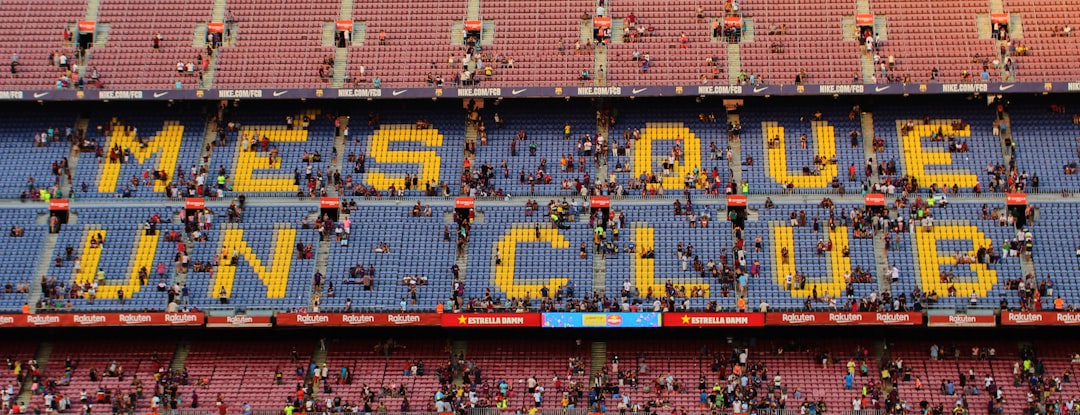
Camp Nou, home to FC Barcelona, is one of the most iconic stadiums in world football. With a capacity of over 99,000 spectators, it is not only a fortress for Barcelona but also a cauldron of passion during El Clásico matches. The atmosphere generated by the fans is electric, with chants and displays that create an unforgettable experience for players and spectators alike.
The stadium’s design allows for excellent sightlines, ensuring that every fan can witness the drama unfold on the pitch. The significance of Camp Nou extends beyond its physical attributes; it embodies the spirit of Catalonia and its rich footballing heritage. The stadium has witnessed countless historic moments in football history, including memorable victories and heartbreaking defeats.
For Barcelona players, performing at Camp Nou during El Clásico is an opportunity to etch their names into the annals of club history. The pressure to deliver in front of such passionate supporters adds an extra layer of intensity to an already high-stakes encounter.
The Venue: Santiago Bernabeu
Santiago Bernabéu Stadium serves as Real Madrid’s home ground and is equally revered in football lore. With a seating capacity of approximately 81,044, it stands as a symbol of Real Madrid’s illustrious history and success. The stadium has undergone numerous renovations over the years, enhancing its facilities while preserving its rich heritage.
During El Clásico matches, the atmosphere at Bernabéu is palpable, with fans creating an intimidating environment for visiting teams. The significance of Santiago Bernabéu extends beyond its architectural grandeur; it represents Real Madrid’s dominance in both domestic and international competitions. The stadium has hosted countless memorable moments, including dramatic comebacks and historic triumphs.
For Real Madrid players, competing at Bernabéu during El Clásico is an opportunity to showcase their skills on one of football’s grandest stages. The weight of expectation from fans adds an additional layer of pressure that can influence performance.
The Impact on the La Liga Title Race

El Clásico matches have far-reaching implications for the La Liga title race. Given that both Barcelona and Real Madrid are perennial contenders for the championship, their encounters often serve as pivotal moments in determining the league’s outcome. A victory in El Clásico can provide a significant psychological advantage, boosting morale while simultaneously demoralizing rivals.
In recent seasons, the title race has become increasingly competitive, with both clubs vying for supremacy. A win in this high-stakes match can shift momentum in favor of one team while placing immense pressure on the other. As such, El Clásico is not merely a fixture on the calendar; it is a defining moment that can alter the trajectory of a season and influence title aspirations.
Memorable Moments from Past Clashes
The history of El Clásico is replete with unforgettable moments that have left an indelible mark on football fans worldwide. One such moment occurred in 2010 when Lionel Messi scored a stunning solo goal at Santiago Bernabéu, showcasing his extraordinary dribbling ability and composure under pressure. This goal not only secured victory for Barcelona but also solidified Messi’s status as one of football’s all-time greats.
Another iconic clash took place in 2014 when Real Madrid triumphed 3-1 at Camp Nou. This match featured a remarkable performance from Cristiano Ronaldo, who scored two goals and assisted another. His display exemplified his ability to perform on the biggest stage and further fueled the rivalry between these two footballing giants.
Such moments contribute to the rich tapestry of El Clásico history and continue to be celebrated by fans across generations.
The Intensity of El Clasico
The intensity surrounding El Clásico is unparalleled in world football. The stakes are incredibly high, with both teams fighting not only for points but also for pride and bragging rights. The atmosphere during these matches is charged with emotion, as fans from both sides passionately support their teams while engaging in friendly banter that can quickly escalate into heated exchanges.
Players often feel this intensity acutely; they are aware that their performances will be scrutinized by millions around the globe. The pressure to deliver can lead to extraordinary displays of skill or moments of folly that become etched in memory. This intensity transforms each match into a spectacle that captivates audiences far beyond Spain’s borders.
The Global Audience
El Clásico attracts a global audience that transcends geographical boundaries. Millions tune in from various corners of the world to witness this epic showdown between two footballing powerhouses.
The global appeal of El Clásico stems from its rich history, star-studded lineups, and dramatic narratives that unfold on the pitch. Fans from diverse backgrounds unite in their passion for football during these matches, creating a sense of community that extends beyond club loyalties. This widespread interest contributes significantly to the financial success of both clubs and elevates their status on the international stage.
Off-field Drama and Controversies
El Clásico has not been without its share of off-field drama and controversies that have added layers to this already complex rivalry. Disputes over player transfers, managerial decisions, and even political tensions have often spilled into public view, fueling animosity between fans and clubs alike. High-profile incidents involving players or officials can overshadow even the most thrilling matches.
One notable controversy arose during the 2011 Copa del Rey final when tensions boiled over between players from both sides after a contentious challenge led to multiple red cards being issued. Such incidents highlight how deeply ingrained emotions are within this rivalry and how they can manifest both on and off the pitch.
Predictions and Expectations
As anticipation builds for upcoming El Clásico encounters, predictions regarding outcomes become a topic of fervent discussion among fans and analysts alike. Factors such as current form, injuries, and tactical approaches all play crucial roles in shaping expectations for these high-stakes matches. While predicting outcomes can be challenging due to the unpredictable nature of football, analysts often look at recent performances and head-to-head statistics to gauge potential results.
Fans eagerly await these clashes with hope and trepidation, knowing that anything can happen when two giants collide on the pitch. In summary, El Clásico represents more than just a football match; it embodies a rich tapestry woven from history, culture, rivalry, and passion. With its storied past, iconic venues like Camp Nou and Santiago Bernabéu, star players who define eras, and an intensity unmatched in sports, this rivalry continues to captivate audiences worldwide while shaping narratives within La Liga’s title race.
As anticipation builds for future encounters filled with drama both on and off the pitch, one thing remains certain: El Clásico will always be a spectacle worth watching.
In the recent thrilling encounter between Barcelona and their rivals, fans were treated to a display of skill and strategy that left everyone on the edge of their seats. While the excitement of the match was palpable, it’s interesting to note how sports events can sometimes influence market trends, particularly in the realm of sports merchandise and memorabilia. For those interested in the financial side of things, you might want to explore whether now is the right time to invest in major companies like Amazon, which often see fluctuations in stock prices around major events. For more insights, check out this related article: Is Now the Right Time to Buy Amazon Stock?.
FAQs
What is the history of the rivalry between Barca and their opponents?
The rivalry between Barca and their opponents has a long and storied history, with intense matches and fierce competition dating back many years.
What are some of the key players to watch in a Barca vs. match?
Key players to watch in a Barca vs. match may include Lionel Messi, Gerard Pique, Sergio Busquets, and other star players from both teams.
Where do Barca vs. matches typically take place?
Barca vs. matches typically take place at the home stadium of one of the teams, with the location alternating between the two teams’ home grounds.
What are some of the most memorable moments from past Barca vs. matches?
Some memorable moments from past Barca vs. matches may include dramatic goals, intense rivalries, and historic victories for either team.
How do Barca vs. matches impact the standings in their respective league?
Barca vs. matches can have a significant impact on the standings in their respective league, as the outcome of these matches can affect a team’s position in the league table.