Now Reading: Advancements in Melanoma Treatment
-
01
Advancements in Melanoma Treatment
Advancements in Melanoma Treatment

Melanoma is a malignant neoplasm that arises from melanocytes, the pigment-producing cells located primarily in the skin. It is recognized as one of the most aggressive forms of skin cancer, characterized by its ability to metastasize rapidly to distant organs if not detected and treated early. The incidence of melanoma has been rising steadily over the past few decades, with an estimated 99,780 new cases expected in the United States alone in 2022, according to the American Cancer Society.
Risk factors include excessive ultraviolet (UV) radiation exposure, a family history of melanoma, and the presence of atypical moles or numerous nevi. The clinical presentation of melanoma can vary significantly, but it often manifests as a new or changing mole. The ABCDE rule—Asymmetry, Border irregularity, Color variation, Diameter greater than 6 mm, and Evolving characteristics—serves as a guideline for early detection.
Melanoma can be classified into several subtypes, including superficial spreading melanoma, nodular melanoma, lentigo maligna melanoma, and acral lentiginous melanoma. Each subtype exhibits distinct histopathological features and clinical behaviors, necessitating tailored approaches for management.
Key Takeaways
- Melanoma is a type of skin cancer that develops from melanocytes, the cells that produce melanin.
- Traditional treatment options for melanoma include surgery, chemotherapy, and radiation therapy.
- Targeted therapy focuses on specific genetic mutations or proteins within cancer cells to stop the growth and spread of melanoma.
- Immunotherapy uses the body’s immune system to help fight cancer by boosting the immune response against melanoma cells.
- Combination therapy involves using multiple treatment approaches, such as surgery, targeted therapy, and immunotherapy, to effectively treat melanoma.
Traditional Treatment Options
The cornerstone of melanoma treatment remains surgical excision, particularly for localized disease. The primary goal is to achieve clear margins, which means removing the tumor along with a surrounding margin of healthy tissue to minimize the risk of recurrence. For early-stage melanoma (stages 0 and I), a simple excisional biopsy may suffice.
However, for more advanced stages (II and III), a wider local excision is often required. In cases where melanoma has metastasized to regional lymph nodes, sentinel lymph node biopsy (SLNB) is performed to assess for microscopic spread. If positive, further surgical intervention may be warranted, including lymphadenectomy.
Adjuvant therapies such as interferon-alpha have historically been used to reduce recurrence risk in high-risk patients post-surgery. However, their efficacy has been debated, leading to the exploration of more targeted and immunotherapeutic approaches.
Targeted Therapy
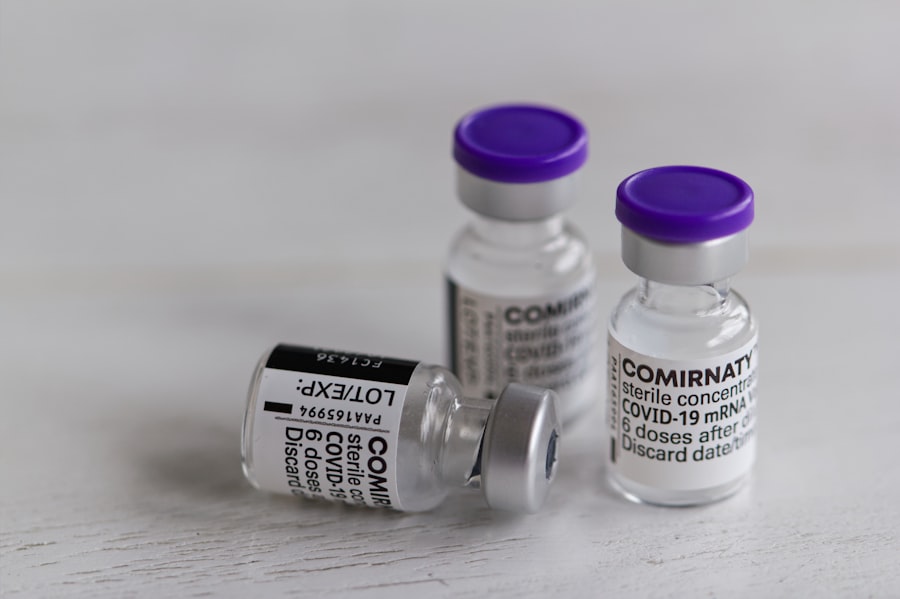
Targeted therapy has revolutionized the treatment landscape for melanoma, particularly for patients with specific genetic mutations. Approximately 40-60% of melanomas harbor mutations in the BRAF gene, which plays a crucial role in cell signaling pathways that regulate cell growth and division. BRAF inhibitors such as vemurafenib and dabrafenib have shown significant efficacy in patients with BRAF V600E or V600K mutations, leading to improved progression-free survival rates.
In addition to BRAF inhibitors, MEK inhibitors like trametinib are often used in combination with BRAF inhibitors to enhance therapeutic outcomes. This dual-targeted approach aims to circumvent resistance mechanisms that may arise during treatment. Clinical trials have demonstrated that combination therapy can lead to higher response rates and prolonged survival compared to monotherapy.
Immunotherapy
| Therapy Type | Success Rate | Side Effects |
|---|---|---|
| Checkpoint Inhibitors | 20-40% | Fatigue, skin rash, diarrhea |
| Adoptive Cell Transfer | 25-50% | Fever, chills, low blood pressure |
| Cytokine Therapy | 10-20% | Flu-like symptoms, low blood cell counts |
Immunotherapy has emerged as a groundbreaking treatment modality for advanced melanoma, harnessing the body’s immune system to recognize and attack cancer cells. Immune checkpoint inhibitors such as pembrolizumab and nivolumab target programmed cell death protein 1 (PD-1), a receptor that inhibits T-cell activation. By blocking this pathway, these agents enhance T-cell responses against melanoma cells.
Clinical studies have shown that PD-1 inhibitors can lead to durable responses in a subset of patients, with some achieving long-term remission.
The combination of ipilimumab and nivolumab has demonstrated superior efficacy compared to monotherapy in patients with advanced melanoma, although it is associated with increased immune-related adverse events.
Combination Therapy
Combination therapy represents a strategic approach in melanoma management, integrating various treatment modalities to maximize therapeutic efficacy while minimizing resistance development. The synergistic effects of combining targeted therapies with immunotherapies have garnered significant attention in recent years. For instance, the combination of BRAF and MEK inhibitors has been shown to improve response rates and reduce the likelihood of resistance compared to single-agent therapies.
Similarly, combining immune checkpoint inhibitors can enhance antitumor activity; however, this approach necessitates careful monitoring for potential side effects due to heightened immune activation. Ongoing clinical trials continue to explore optimal combinations and treatment sequences to refine therapeutic strategies for melanoma patients.
Personalized Medicine

Personalized medicine is at the forefront of modern oncology, tailoring treatment strategies based on individual patient characteristics and tumor biology. In melanoma, molecular profiling plays a pivotal role in identifying actionable mutations and guiding targeted therapy decisions. Genetic testing for BRAF mutations is now standard practice in clinical settings, allowing for the selection of appropriate targeted agents.
Furthermore, advancements in next-generation sequencing (NGS) enable comprehensive genomic profiling of tumors, identifying additional mutations that may be amenable to targeted therapies or clinical trials. This approach not only enhances treatment efficacy but also minimizes unnecessary exposure to ineffective therapies. As our understanding of melanoma biology evolves, personalized medicine will continue to shape the future of treatment paradigms.
Advances in Surgical Techniques
Surgical techniques for melanoma management have evolved significantly over the years, emphasizing precision and minimally invasive approaches. Mohs micrographic surgery is one such technique that allows for the complete excision of melanoma while preserving healthy tissue. This method is particularly beneficial for melanomas located on cosmetically sensitive areas such as the face.
Additionally, advancements in imaging technologies such as intraoperative ultrasound and fluorescence-guided surgery have improved surgical outcomes by enhancing tumor visualization during procedures. These innovations facilitate more accurate resections and reduce the likelihood of residual disease post-surgery.
Emerging Therapies
The landscape of melanoma treatment is continuously evolving with the emergence of novel therapeutic agents and strategies. Oncolytic virus therapy represents an innovative approach that utilizes genetically modified viruses to selectively infect and destroy cancer cells while stimulating an immune response against tumors. Another promising avenue involves adoptive cell transfer (ACT), where T-cells are harvested from a patient’s tumor, expanded ex vivo, and reinfused after conditioning chemotherapy.
This technique has shown remarkable success in select patients with advanced melanoma. Ongoing research into bispecific T-cell engagers (BiTEs) and CAR T-cell therapy also holds promise for enhancing antitumor immunity.
Managing Side Effects
While advancements in melanoma treatment have led to improved outcomes, they are often accompanied by a spectrum of side effects that require careful management. Immune-related adverse events (irAEs) are particularly common with immunotherapy and can affect various organ systems including the skin, gastrointestinal tract, liver, and endocrine glands. Patients receiving targeted therapies may experience dermatological toxicities such as rash or photosensitivity.
It is crucial for healthcare providers to educate patients about potential side effects and implement proactive management strategies. This may include dose adjustments, supportive care measures such as topical treatments or corticosteroids, and regular monitoring for early detection of complications.
Survivorship and Follow-Up Care
Survivorship care is an integral component of melanoma management, focusing on the long-term health and well-being of patients post-treatment. Regular follow-up visits are essential for monitoring recurrence or new primary melanomas, typically involving skin examinations every three to six months during the first few years after treatment. Psychosocial support is also vital for survivors as they navigate the emotional challenges associated with a cancer diagnosis.
Survivorship programs that address physical health, mental well-being, and lifestyle modifications can significantly enhance quality of life for melanoma survivors.
Future Directions in Melanoma Treatment
The future of melanoma treatment is poised for exciting advancements driven by ongoing research and technological innovations. The integration of artificial intelligence (AI) in diagnostic imaging holds promise for improving early detection rates through enhanced image analysis capabilities. Moreover, ongoing clinical trials exploring novel combinations of existing therapies or entirely new agents will continue to refine treatment algorithms.
The potential for personalized vaccines tailored to individual tumor antigens represents another frontier in melanoma therapy that could further enhance patient outcomes. In summary, melanoma remains a formidable challenge within oncology; however, advancements in understanding its biology have led to significant improvements in treatment options ranging from traditional surgical approaches to cutting-edge immunotherapies and targeted therapies. As research continues to evolve, personalized medicine will play an increasingly pivotal role in optimizing outcomes for patients battling this aggressive malignancy.
When it comes to melanoma treatment, staying informed about the latest advancements is crucial. One related article worth checking out is Today’s Federal Holiday: What You Need to Know. This article may not directly discuss melanoma treatment, but it emphasizes the importance of staying informed and educated about various topics, including healthcare. By staying up to date on federal holidays and other relevant information, individuals can also stay informed about important developments in melanoma treatment.
FAQs
What is melanoma?
Melanoma is a type of skin cancer that develops in the cells that produce melanin, the pigment that gives your skin its color.
What are the treatment options for melanoma?
Treatment options for melanoma may include surgery, chemotherapy, radiation therapy, immunotherapy, targeted therapy, and clinical trials.
How is melanoma diagnosed?
Melanoma is typically diagnosed through a skin biopsy, where a sample of the suspicious mole or lesion is removed and examined under a microscope.
What are the risk factors for melanoma?
Risk factors for melanoma include excessive sun exposure, a history of sunburns, having fair skin, a family history of melanoma, and having many moles or atypical moles.
What are the survival rates for melanoma?
The survival rates for melanoma vary depending on the stage at which it is diagnosed. Early detection and treatment can significantly improve the prognosis.