Now Reading: Understanding Different Types of Lung Cancer
-
01
Understanding Different Types of Lung Cancer
Understanding Different Types of Lung Cancer
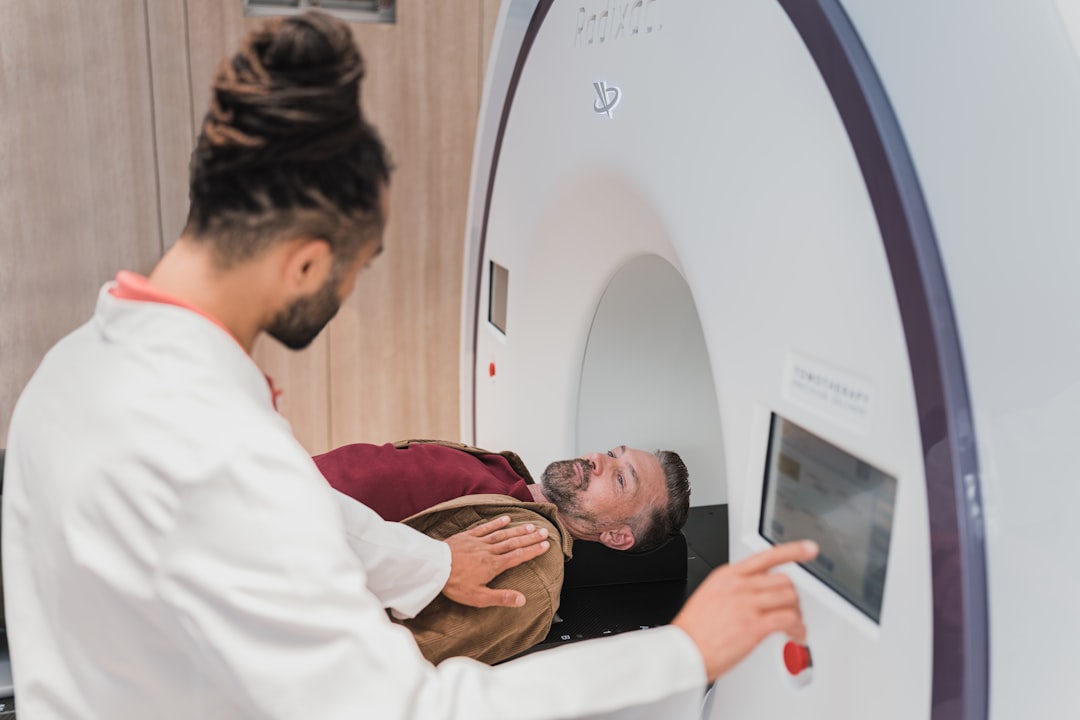
Lung cancer remains one of the most prevalent and lethal malignancies worldwide, accounting for approximately 1.8 million deaths annually, according to the World Health Organization. This neoplasm arises from the uncontrolled proliferation of abnormal cells in the lung tissues, leading to significant morbidity and mortality. The disease is primarily categorized into two main types: Non-Small Cell Lung Cancer (NSCLC) and Small Cell Lung Cancer (SCLC), each with distinct histological characteristics, treatment protocols, and prognostic outcomes.
The etiology of lung cancer is multifactorial, with tobacco smoking being the most significant risk factor, responsible for nearly 85% of cases. Other contributing factors include exposure to environmental pollutants, occupational hazards such as asbestos, and genetic predispositions. Early detection is crucial for improving survival rates, as the prognosis is often poor in advanced stages.
Understanding the various subtypes of lung cancer is essential for tailoring effective treatment strategies and enhancing patient outcomes.
Key Takeaways
- Lung cancer is the leading cause of cancer-related deaths worldwide, with smoking being the primary risk factor.
- Non-Small Cell Lung Cancer (NSCLC) is the most common type of lung cancer, accounting for about 85% of cases.
- Small Cell Lung Cancer (SCLC) is less common but more aggressive, often spreading quickly to other parts of the body.
- Adenocarcinoma is the most common type of NSCLC, often found in the outer areas of the lungs.
- Squamous Cell Carcinoma and Large Cell Carcinoma are less common subtypes of NSCLC, each with its own distinct characteristics and treatment approaches.
- Mesothelioma is a rare form of cancer that affects the lining of the lungs and is often linked to asbestos exposure.
- Carcinoid tumors are rare, slow-growing tumors that typically start in the lungs’ neuroendocrine cells.
- Understanding the symptoms of lung cancer, such as persistent cough, chest pain, and unexplained weight loss, is crucial for early detection and treatment.
- Diagnosing and treating lung cancer often involves a combination of imaging tests, biopsies, surgery, chemotherapy, radiation therapy, and targeted therapy.
- Support resources for lung cancer patients and their families include counseling, support groups, and organizations like the American Lung Association and Lung Cancer Alliance.
Non-Small Cell Lung Cancer (NSCLC)
Non-Small Cell Lung Cancer (NSCLC) constitutes approximately 85% of all lung cancer cases, making it the most common form of the disease. NSCLC is further subdivided into three primary histological types: adenocarcinoma, squamous cell carcinoma, and large cell carcinoma. Each subtype exhibits unique biological behaviors and responses to treatment, necessitating a comprehensive understanding for optimal management.
Adenocarcinoma, the most prevalent subtype of NSCLC, typically arises in the peripheral regions of the lungs and is often associated with non-smokers. Squamous cell carcinoma, on the other hand, is frequently linked to smoking and tends to develop in the central airways.
The treatment modalities for NSCLC may include surgical resection, chemotherapy, targeted therapy, and immunotherapy, depending on the stage and molecular characteristics of the tumor.
Small Cell Lung Cancer (SCLC)
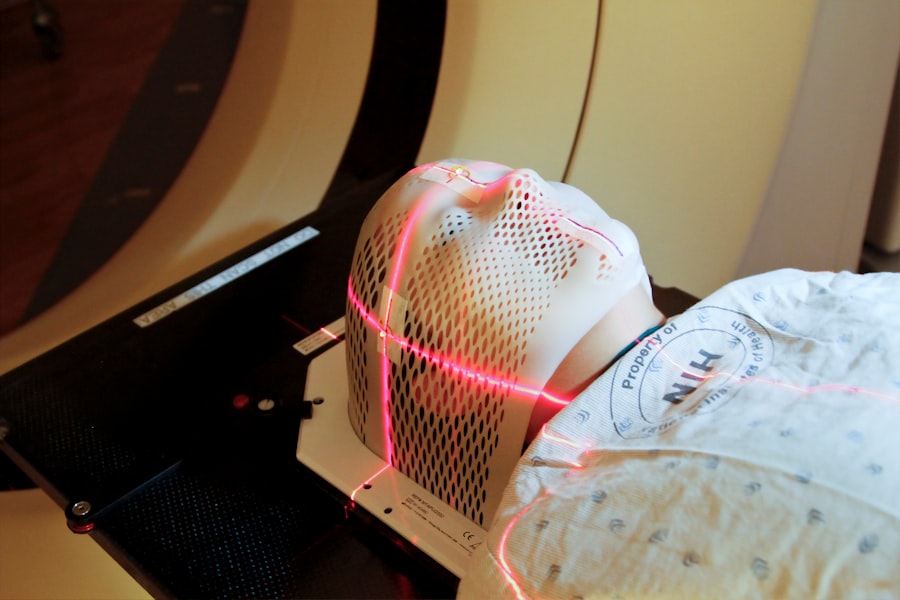
Small Cell Lung Cancer (SCLC) accounts for approximately 15% of lung cancer cases and is known for its rapid growth and early metastasis. This aggressive form of lung cancer is predominantly associated with cigarette smoking and is characterized by small, oval-shaped cells that proliferate quickly. SCLC is often classified into two stages: limited stage, where the cancer is confined to one lung and nearby lymph nodes, and extensive stage, where it has spread beyond these areas.
Due to its aggressive nature, SCLC typically presents with advanced disease at diagnosis, leading to a poorer prognosis compared to NSCLC. Treatment options primarily involve chemotherapy and radiation therapy, as surgical intervention is rarely feasible due to the advanced stage at which patients are usually diagnosed. Recent advancements in targeted therapies and immunotherapy are being explored to improve outcomes for patients with SCLC.
Adenocarcinoma
| Metrics | Values |
|---|---|
| Incidence | High |
| Prevalence | Common |
| Mortality Rate | Varies by stage |
| Treatment | Surgery, chemotherapy, radiation |
Adenocarcinoma is the most common subtype of NSCLC, representing approximately 40% of all lung cancer cases. This malignancy originates from glandular cells in the lungs and is often found in the outer regions of the organ. Adenocarcinoma has a distinct association with non-smokers and individuals exposed to environmental toxins such as radon or asbestos.
The clinical presentation of adenocarcinoma can vary widely; patients may experience persistent cough, chest pain, or unexplained weight loss. Diagnosis typically involves imaging studies such as chest X-rays or CT scans followed by histological confirmation through biopsy. Treatment options for adenocarcinoma may include surgical resection for localized disease, chemotherapy, targeted therapies such as EGFR inhibitors or ALK inhibitors, and immunotherapy agents like pembrolizumab or nivolumab for advanced stages.
Squamous Cell Carcinoma
Squamous Cell Carcinoma (SCC) represents approximately 30% of NSCLC cases and is closely linked to smoking history. This subtype arises from squamous cells lining the airways and is often located centrally within the lungs. SCC tends to grow more slowly than adenocarcinoma but has a higher propensity for local invasion and metastasis.
Patients with SCC may present with symptoms such as coughing up blood (hemoptysis), persistent cough, or obstructive pneumonia-like symptoms due to airway blockage. Diagnosis involves imaging studies followed by bronchoscopy for tissue sampling. Treatment strategies for SCC may include surgical resection for early-stage disease, chemotherapy regimens such as cisplatin combined with gemcitabine or docetaxel, and targeted therapies for specific genetic mutations.
Large Cell Carcinoma
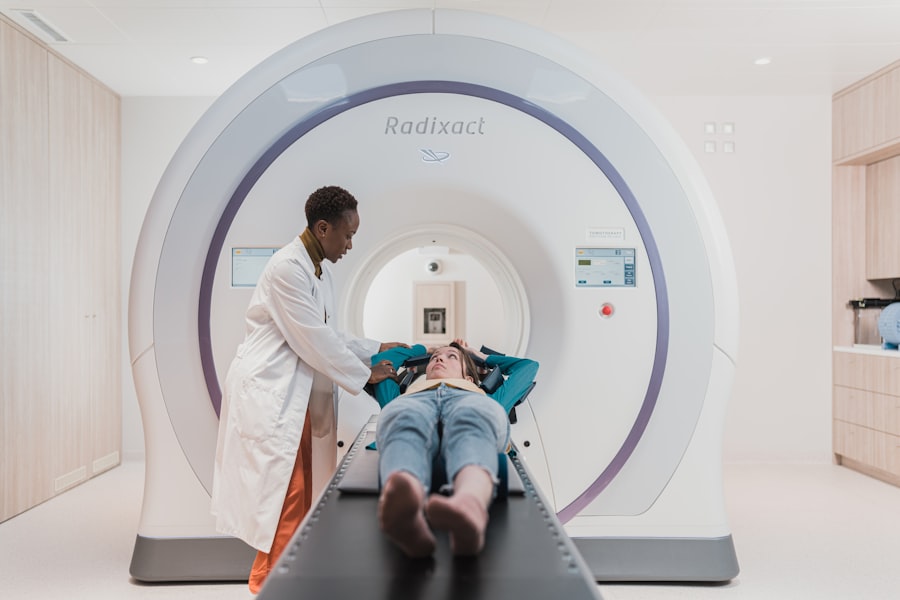
Large Cell Carcinoma (LCC) is a rare subtype of NSCLC that accounts for about 10-15% of lung cancer cases. Characterized by large, undifferentiated cells, LCC can arise in any part of the lung and often presents at an advanced stage due to its aggressive nature. This subtype is known for its rapid growth and tendency to metastasize early.
Patients diagnosed with LCC may experience similar symptoms to other lung cancer types, including persistent cough, chest pain, or weight loss. Diagnosis typically involves imaging studies followed by biopsy for histological confirmation. Treatment options for LCC are similar to those for other NSCLC subtypes and may include surgical resection when feasible, chemotherapy regimens such as carboplatin combined with paclitaxel or pemetrexed, and emerging targeted therapies.
Mesothelioma
Mesothelioma is a rare but aggressive malignancy primarily associated with asbestos exposure. Although it predominantly affects the pleura (the lining surrounding the lungs), it can also occur in the peritoneum or pericardium. Mesothelioma has a long latency period; symptoms may not manifest until decades after exposure to asbestos.
Patients often present with pleuritic chest pain, dyspnea due to pleural effusion, or abdominal symptoms if peritoneal mesothelioma is present. Diagnosis typically involves imaging studies followed by biopsy for histological confirmation. Treatment options are limited but may include surgical resection in early-stage disease, chemotherapy regimens such as pemetrexed combined with cisplatin, and palliative care measures to manage symptoms.
Carcinoid Tumors
Carcinoid tumors are neuroendocrine tumors that can arise in various organs, including the lungs. These tumors are generally slow-growing and can be classified into typical and atypical carcinoids based on their histological features. While carcinoid tumors are relatively rare compared to other lung cancers, they can still pose significant health risks.
Patients with carcinoid tumors may experience symptoms such as cough, hemoptysis, or obstructive pneumonia-like symptoms due to airway blockage. Diagnosis typically involves imaging studies followed by bronchoscopy for tissue sampling. Treatment options may include surgical resection for localized tumors or somatostatin analogs for symptom management in metastatic cases.
Understanding the Symptoms of Lung Cancer
The clinical manifestations of lung cancer can be insidious and often mimic other respiratory conditions, leading to delayed diagnosis. Common symptoms include persistent cough that worsens over time, hemoptysis (coughing up blood), unexplained weight loss, chest pain that may worsen with deep breathing or coughing, and recurrent respiratory infections such as pneumonia or bronchitis. In advanced stages, patients may experience systemic symptoms such as fatigue, weakness, or loss of appetite.
Additionally, paraneoplastic syndromes may occur due to ectopic hormone production by tumor cells, leading to complications such as hypercalcemia or Cushing’s syndrome. Awareness of these symptoms is crucial for early detection and timely intervention.
Diagnosing and Treating Lung Cancer
The diagnostic process for lung cancer typically begins with a thorough medical history and physical examination followed by imaging studies such as chest X-rays or CT scans to identify suspicious lesions. Definitive diagnosis requires histological confirmation through biopsy techniques such as bronchoscopy or needle aspiration. Once diagnosed, treatment options vary based on cancer type, stage, and patient health status.
Surgical resection remains a cornerstone for localized disease; however, adjuvant chemotherapy or radiation therapy may be indicated postoperatively to reduce recurrence risk. For advanced stages or metastatic disease, systemic therapies including chemotherapy regimens (e.g., platinum-based combinations), targeted therapies (e.g.
g., checkpoint inhibitors) are employed based on tumor characteristics.
Conclusion and Resources for Support
Lung cancer remains a formidable health challenge globally; however, advancements in research have led to improved understanding and management strategies for this complex disease. Early detection through awareness of symptoms and risk factors can significantly enhance patient outcomes. Comprehensive treatment approaches tailored to individual tumor characteristics are essential for optimizing care.
For those affected by lung cancer—patients and families alike—numerous resources are available for support. Organizations such as the American Lung Association provide educational materials, support groups, and access to clinical trials. Additionally, healthcare providers play a critical role in guiding patients through their treatment journey while addressing emotional and psychological needs.
In summary, lung cancer encompasses a diverse array of subtypes with varying clinical presentations and treatment strategies. Understanding these nuances is vital for effective management and improving patient outcomes in this challenging disease landscape.
If you are interested in learning more about types of lung cancer, you may want to check out this comprehensive guide to joining the Amazon affiliate program in 2025. This article provides detailed information on how to become an affiliate marketer for Amazon, which can be a valuable source of income for those looking to monetize their online presence. Understanding the different types of lung cancer and how to effectively market products related to its treatment or prevention can be crucial for those in the healthcare industry.
FAQs
What are the different types of lung cancer?
There are two main types of lung cancer: non-small cell lung cancer (NSCLC) and small cell lung cancer (SCLC). NSCLC is the most common type, accounting for about 85% of all lung cancer cases, while SCLC accounts for the remaining 15%.
What are the subtypes of non-small cell lung cancer (NSCLC)?
The subtypes of NSCLC include adenocarcinoma, squamous cell carcinoma, and large cell carcinoma. These subtypes are based on the type of cells in which the cancer originates and have different characteristics and treatment approaches.
What are the characteristics of small cell lung cancer (SCLC)?
SCLC is characterized by its rapid growth and tendency to spread quickly to other parts of the body. It is often associated with a history of smoking and is less common than NSCLC.
How is lung cancer diagnosed?
Lung cancer is typically diagnosed through imaging tests such as chest X-rays and CT scans, as well as through biopsy procedures to examine tissue samples for the presence of cancer cells.
What are the treatment options for lung cancer?
Treatment for lung cancer may include surgery, chemotherapy, radiation therapy, targeted therapy, and immunotherapy. The specific treatment approach depends on the type and stage of the cancer, as well as the individual’s overall health and preferences.