Now Reading: Understanding Different Types of Thyroid Cancer
-
01
Understanding Different Types of Thyroid Cancer
Understanding Different Types of Thyroid Cancer
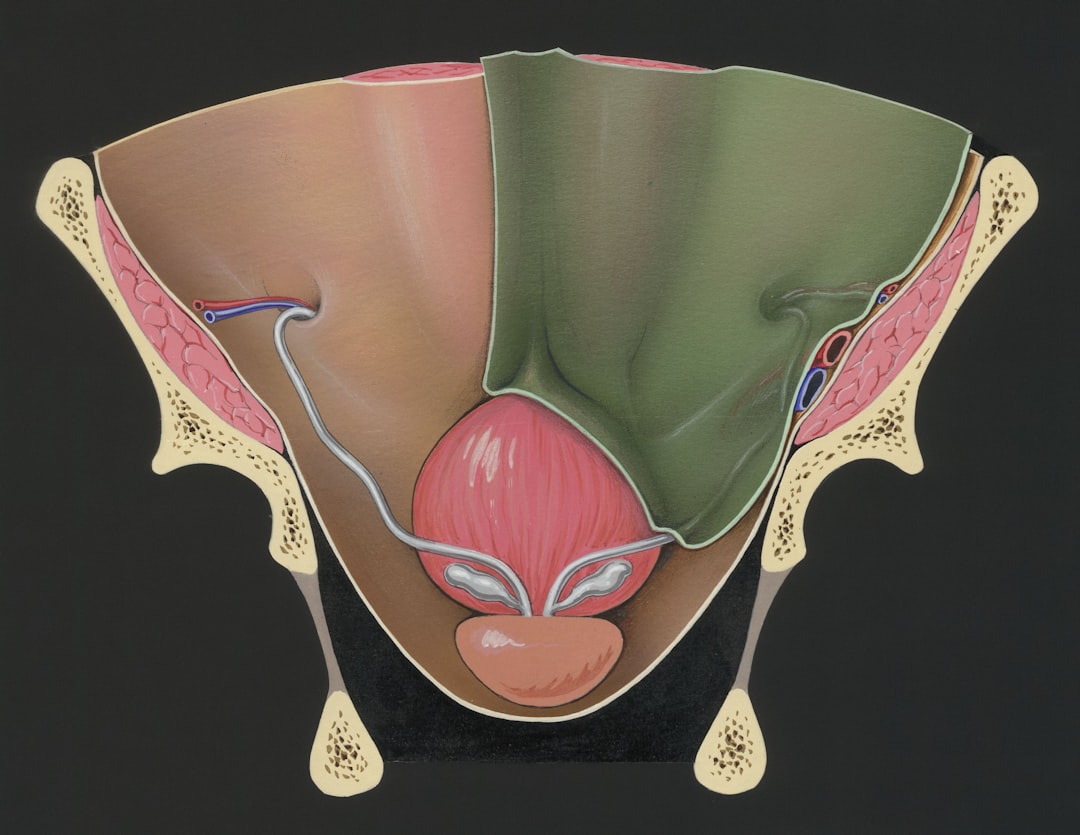
Thyroid cancer is a malignancy that originates in the thyroid gland, a butterfly-shaped organ located at the base of the neck. This gland plays a crucial role in regulating metabolism, heart rate, and body temperature through the production of hormones such as thyroxine (T4) and triiodothyronine (T3). Thyroid cancer is relatively uncommon compared to other malignancies, accounting for approximately 1% of all cancers diagnosed in the United States.
However, its incidence has been on the rise, particularly among women, making it a significant public health concern. The thyroid gland can develop various types of cancer, each with distinct characteristics, treatment protocols, and prognoses. Understanding the nuances of these different types is essential for effective diagnosis and management.
The increasing awareness of thyroid cancer has led to advancements in detection methods, including ultrasound imaging and fine-needle aspiration biopsy, which have improved early diagnosis rates. This article will delve into the various types of thyroid cancer, their risk factors, symptoms, diagnostic methods, treatment options, and overall prognosis.
Key Takeaways
- Thyroid cancer is a type of cancer that affects the thyroid gland, a small gland located in the neck.
- The main types of thyroid cancer include papillary, follicular, medullary, anaplastic, and thyroid lymphoma.
- Papillary thyroid cancer is the most common type, while anaplastic thyroid cancer is the most aggressive and difficult to treat.
- Risk factors for thyroid cancer include a family history of the disease, exposure to radiation, and certain genetic conditions.
- Treatment options for thyroid cancer may include surgery, radioactive iodine therapy, hormone therapy, and targeted drug therapy, depending on the type and stage of the cancer.
Types of Thyroid Cancer
Thyroid cancer can be classified into several distinct types based on the cellular origin and histological characteristics. The primary categories include papillary thyroid cancer, follicular thyroid cancer, medullary thyroid cancer, anaplastic thyroid cancer, and thyroid lymphoma. Each type exhibits unique biological behavior and response to treatment, necessitating tailored therapeutic approaches.
1. **Papillary Thyroid Cancer (PTC)**: This is the most prevalent form of thyroid cancer, accounting for approximately 80% of all cases. It typically arises from follicular cells and is characterized by slow growth and a favorable prognosis.
2. **Follicular Thyroid Cancer (FTC)**: Representing about 10-15% of thyroid cancers, FTC also originates from follicular cells but tends to be more aggressive than PTIt can metastasize to distant organs. 3.
**Medullary Thyroid Cancer (MTC)**: This type arises from parafollicular C cells and accounts for about 3-5% of thyroid cancers. MTC can be sporadic or hereditary and is associated with multiple endocrine neoplasia syndromes. 4.
**Anaplastic Thyroid Cancer (ATC)**: ATC is a rare but highly aggressive form of thyroid cancer that often presents in older adults. It accounts for less than 2% of cases but is associated with a poor prognosis due to its rapid growth and tendency to invade surrounding tissues. 5.
**Thyroid Lymphoma**: This is a rare form of thyroid cancer that originates from lymphatic tissue within the thyroid gland. It is often associated with Hashimoto’s thyroiditis and can present as a rapidly enlarging neck mass.
Papillary Thyroid Cancer

Papillary thyroid cancer is characterized by its distinctive histological features, including papillary structures and nuclear atypia. It typically presents as a solitary nodule within the thyroid gland and is often discovered incidentally during imaging studies or routine examinations. The prognosis for patients with PTC is generally favorable, with a 10-year survival rate exceeding 90%. The management of papillary thyroid cancer often involves surgical intervention, typically a total or partial thyroidectomy, depending on the tumor’s size and extent.
In some cases, radioactive iodine therapy may be employed post-surgery to eliminate residual cancerous cells. Regular follow-up with serum thyroglobulin measurements and imaging studies is essential for monitoring recurrence.
Follicular Thyroid Cancer
| Metrics | Values |
|---|---|
| Incidence | 3-10% of all thyroid cancers |
| Age of onset | 30-50 years old |
| Gender prevalence | More common in women |
| Symptoms | Neck lump, hoarseness, difficulty swallowing |
| Treatment | Surgery, radioactive iodine therapy, hormone therapy |
Follicular thyroid cancer arises from the follicular cells of the thyroid gland and is characterized by its ability to invade surrounding tissues and metastasize to distant sites, particularly the lungs and bones. Unlike papillary thyroid cancer, FTC may not always present with distinct clinical features, making early diagnosis challenging. The prognosis for patients with follicular thyroid cancer varies significantly based on factors such as age, tumor size, and presence of metastasis.
Surgical resection remains the cornerstone of treatment for follicular thyroid cancer. A total thyroidectomy is often recommended for larger tumors or those with aggressive features. Postoperative radioactive iodine therapy may also be indicated to target any remaining malignant cells.
Regular monitoring through imaging and serum thyroglobulin levels is crucial for detecting recurrence or metastasis.
Medullary Thyroid Cancer
Medullary thyroid cancer originates from parafollicular C cells that produce calcitonin, a hormone involved in calcium homeostasis. MTC can be sporadic or hereditary, with familial cases linked to mutations in the RET proto-oncogene. The clinical presentation may include a palpable neck mass, elevated serum calcitonin levels, and symptoms related to hormone secretion.
The management of medullary thyroid cancer typically involves surgical excision of the thyroid gland along with any involved lymph nodes. Unlike other types of thyroid cancer, MTC does not respond well to radioactive iodine therapy; therefore, targeted therapies such as tyrosine kinase inhibitors may be considered for advanced cases. Genetic counseling is recommended for patients with hereditary forms of MTC to assess family members’ risk.
Anaplastic Thyroid Cancer
Anaplastic thyroid cancer is one of the most aggressive forms of thyroid malignancy, characterized by rapid growth and a high propensity for local invasion and distant metastasis. Patients often present with a rapidly enlarging neck mass accompanied by symptoms such as hoarseness, difficulty swallowing, or respiratory distress. The prognosis for anaplastic thyroid cancer is poor, with a median survival rate often measured in months.
Due to its aggressive nature, treatment options for anaplastic thyroid cancer are limited. Surgical resection may be attempted in select cases; however, many patients are not candidates for surgery due to extensive local invasion. Radiation therapy and chemotherapy may provide palliative benefits but are generally not curative.
Clinical trials exploring novel therapeutic agents are ongoing in an effort to improve outcomes for this challenging malignancy.
Thyroid Lymphoma
Thyroid lymphoma is a rare form of malignancy that arises from lymphoid tissue within the thyroid gland. It is often associated with chronic autoimmune conditions such as Hashimoto’s thyroiditis. Patients may present with a rapidly enlarging goiter or neck mass, along with systemic symptoms such as fever or weight loss.
The treatment approach for thyroid lymphoma typically involves chemotherapy and/or radiation therapy rather than surgical intervention due to the nature of the disease.
The prognosis varies based on histological subtype and response to initial therapy.
Risk Factors for Thyroid Cancer
Several risk factors have been identified that may increase an individual’s likelihood of developing thyroid cancer. These include: 1. **Gender**: Women are significantly more likely than men to develop thyroid cancer.
2.
**Age**: The risk increases with age, particularly in individuals over 40.
3. **Family History**: A family history of thyroid cancer or genetic syndromes such as multiple endocrine neoplasia (MEN) increases risk.
4. **Radiation Exposure**: Previous exposure to ionizing radiation, especially during childhood, is a well-established risk factor.
5.
**Iodine Deficiency**: In regions where iodine intake is low, there may be an increased incidence of certain types of thyroid cancer.
**Chronic Autoimmune Conditions**: Conditions like Hashimoto’s thyroiditis have been associated with an elevated risk.
Symptoms and Diagnosis of Thyroid Cancer
The symptoms of thyroid cancer can vary widely depending on the type and stage of the disease. Common manifestations include: – A noticeable lump or nodule in the neck
– Changes in voice or hoarseness
– Difficulty swallowing or breathing
– Swelling in the neck
– Persistent cough not related to illness Diagnosis typically involves a combination of physical examination, imaging studies (such as ultrasound), and fine-needle aspiration biopsy to obtain tissue samples for histological evaluation. Serum markers like thyroglobulin and calcitonin levels may also aid in diagnosis and monitoring.
Treatment Options for Thyroid Cancer
Treatment strategies for thyroid cancer depend on several factors including tumor type, stage, and patient health status. Common treatment modalities include: 1. **Surgery**: The primary treatment for most types of thyroid cancer involves surgical removal of the tumor along with affected lymph nodes.
2.
**Radioactive Iodine Therapy**: This treatment is particularly effective for papillary and follicular cancers post-surgery to eliminate residual disease.
3. **External Beam Radiation Therapy**: Used primarily for anaplastic thyroid cancer or when surgery is not feasible.
4. **Chemotherapy**: Generally reserved for advanced cases or anaplastic thyroid cancer.
5.
**Targeted Therapy**: Agents such as tyrosine kinase inhibitors are being explored for advanced medullary and anaplastic cancers.
Prognosis and Survival Rates for Thyroid Cancer
The prognosis for patients diagnosed with thyroid cancer varies significantly based on several factors including tumor type, stage at diagnosis, age at diagnosis, and overall health status. Generally speaking: – Papillary thyroid cancer has an excellent prognosis with a 10-year survival rate exceeding 90%.
– Follicular thyroid cancer has a slightly lower survival rate but remains favorable at around 85%.
– Medullary thyroid cancer has a more variable prognosis depending on stage at diagnosis; survival rates range from 70% to 90%.
– Anaplastic thyroid cancer has a dismal prognosis with median survival often less than one year.
– Thyroid lymphoma has variable outcomes based on subtype but can be effectively treated with chemotherapy. In summary, understanding the complexities surrounding thyroid cancer—including its various types, risk factors, symptoms, diagnostic methods, treatment options, and prognostic outcomes—is essential for effective management and improved patient outcomes.
Early detection remains critical in enhancing survival rates across all types of this malignancy.
If you are interested in learning more about types of thyroid cancer, you may want to check out this article on federal holidays in October. While seemingly unrelated, taking time off work for holidays can be crucial for managing stress and maintaining overall health, which can be important for those dealing with a cancer diagnosis. It’s important to prioritize self-care and relaxation, especially when facing a serious health issue like thyroid cancer.
FAQs
What are the different types of thyroid cancer?
There are four main types of thyroid cancer: papillary thyroid cancer, follicular thyroid cancer, medullary thyroid cancer, and anaplastic thyroid cancer.
What is papillary thyroid cancer?
Papillary thyroid cancer is the most common type of thyroid cancer, accounting for about 80% of all cases. It usually grows slowly and is highly treatable.
What is follicular thyroid cancer?
Follicular thyroid cancer is the second most common type of thyroid cancer, accounting for about 10-15% of cases. It also tends to grow slowly and has a good prognosis if detected early.
What is medullary thyroid cancer?
Medullary thyroid cancer originates in the C cells of the thyroid and accounts for about 3-5% of all thyroid cancers. It can be hereditary or sporadic and requires different treatment approaches than papillary and follicular thyroid cancers.
What is anaplastic thyroid cancer?
Anaplastic thyroid cancer is the most aggressive and least common type of thyroid cancer, accounting for only 1-2% of cases. It grows rapidly and is often difficult to treat.
What are the risk factors for thyroid cancer?
Risk factors for thyroid cancer include a family history of thyroid cancer, exposure to high levels of radiation, certain genetic syndromes, and being female.