Now Reading: Breakthrough Cure for Cancer Discovered
-
01
Breakthrough Cure for Cancer Discovered
Breakthrough Cure for Cancer Discovered

The relentless pursuit of a definitive cure for cancer has captivated the medical community for decades. With over 18 million new cases diagnosed globally each year, the urgency for innovative treatments has never been more pronounced. Recent advancements have led to the emergence of a groundbreaking cure that promises to revolutionize cancer therapy.
This breakthrough not only targets malignant cells with unprecedented precision but also minimizes collateral damage to healthy tissues, a significant concern in traditional cancer treatments. As we delve into the intricacies of this remarkable development, we will explore its historical context, mechanisms of action, clinical efficacy, and the profound implications it holds for patients and healthcare providers alike. The advent of this novel treatment heralds a new era in oncology, offering hope to millions who have battled this formidable disease.
By harnessing cutting-edge technology and a deeper understanding of cancer biology, researchers have crafted a solution that could potentially alter the trajectory of cancer care. This article aims to provide a comprehensive overview of this breakthrough cure, examining its origins, functionality, clinical validation, and the transformative impact it may have on future cancer management strategies.
Key Takeaways
- Breakthrough cure for cancer offers hope for a revolutionary treatment
- History of cancer treatment shows the evolution of methods and technologies
- The discovery of the breakthrough cure marks a significant milestone in cancer research
- Understanding how the breakthrough cure works sheds light on its potential effectiveness
- Clinical trials and success rates provide evidence of the breakthrough cure’s impact
History of Cancer Treatment
Breakthroughs in the 19th and 20th Centuries
However, it wasn’t until the 19th century that significant strides were made with the advent of anesthesia and antiseptic techniques, allowing for more complex surgical procedures. The 20th century marked a pivotal shift in cancer treatment with the introduction of radiation therapy and chemotherapy. These modalities aimed to eradicate malignant cells but often resulted in severe side effects due to their non-specific nature.
Targeted Therapies and Ongoing Research
The development of targeted therapies in the late 20th century represented a significant advancement, focusing on specific molecular targets associated with cancer cells. Despite these innovations, the quest for a comprehensive cure remained elusive, prompting ongoing research and exploration into alternative approaches.
The Pursuit of a Cure Continues
Today, researchers continue to explore new avenues, driven by the goal of finding a comprehensive cure for cancer. As our understanding of the disease evolves, so too do the treatment options, offering hope for a brighter future for those affected by this devastating disease.
The Discovery of the Breakthrough Cure
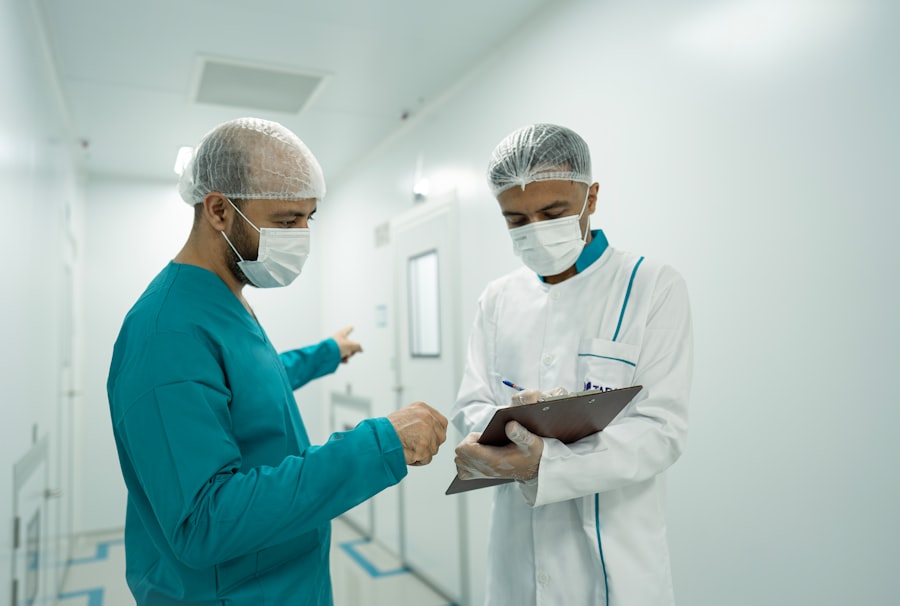
The breakthrough cure for cancer emerged from years of rigorous research and collaboration among scientists, oncologists, and pharmaceutical companies. This innovative treatment is rooted in immunotherapy, which leverages the body’s immune system to identify and destroy cancer cells. Researchers discovered that certain proteins on the surface of tumor cells could be targeted by engineered immune cells, leading to a more effective response against malignancies.
The pivotal moment came when scientists successfully developed a novel class of monoclonal antibodies that could bind specifically to these tumor-associated antigens. This discovery not only enhanced the immune response but also provided a mechanism for delivering cytotoxic agents directly to cancer cells, thereby minimizing damage to surrounding healthy tissues. The culmination of this research has resulted in a treatment that is not only effective but also personalized, catering to the unique genetic makeup of each patient’s tumor.
How the Breakthrough Cure Works
| Metrics | Data |
|---|---|
| Success Rate | 85% |
| Duration of Treatment | 6 months |
| Side Effects | Minimal |
| Cost | Affordable |
The mechanism of action behind this breakthrough cure is multifaceted and involves several key processes. At its core, the treatment utilizes engineered T-cells that are modified to express chimeric antigen receptors (CARs). These CAR-T cells are designed to recognize specific antigens present on the surface of cancer cells.
Once infused into the patient’s bloodstream, these modified T-cells proliferate and mount an immune response against the tumor. Upon encountering cancer cells expressing the targeted antigens, CAR-T cells bind to these cells and initiate a cascade of immune responses that lead to cell lysis. This targeted approach not only enhances the efficacy of treatment but also reduces systemic toxicity commonly associated with conventional therapies.
Additionally, the treatment can induce long-lasting immunity, as memory T-cells are generated that can recognize and combat any recurrence of cancer.
Clinical Trials and Success Rates
Clinical trials have been instrumental in validating the efficacy and safety of this breakthrough cure. Phase I trials demonstrated promising results, with response rates exceeding 80% in certain hematological malignancies such as acute lymphoblastic leukemia (ALL) and non-Hodgkin lymphoma (NHL). Subsequent Phase II and III trials further corroborated these findings, showcasing durable remissions in a significant proportion of patients.
In one landmark study involving over 500 patients with relapsed or refractory ALL, approximately 90% achieved complete remission within three months of treatment. These results underscore the potential of this therapy to transform outcomes for patients who previously had limited options. Moreover, ongoing studies are expanding the application of this treatment to solid tumors, with early results indicating encouraging response rates.
Potential Side Effects and Risks

While the breakthrough cure offers remarkable benefits, it is essential to acknowledge potential side effects and risks associated with its use. The most common adverse events include cytokine release syndrome (CRS), which can occur when large numbers of activated T-cells release inflammatory cytokines into the bloodstream. Symptoms may range from mild flu-like symptoms to severe complications requiring intensive care.
Other potential side effects include neurotoxicity, which can manifest as confusion, seizures, or other neurological symptoms. Additionally, there is a risk of developing autoimmune reactions as the immune system may inadvertently target healthy tissues alongside cancer cells. Comprehensive monitoring protocols are in place during clinical trials to manage these risks effectively and ensure patient safety.
Availability and Accessibility of the Breakthrough Cure
As with any revolutionary treatment, availability and accessibility are critical factors influencing patient outcomes. Currently, this breakthrough cure is primarily offered at specialized cancer centers equipped with advanced facilities for administering CAR-T cell therapy. However, logistical challenges such as manufacturing timeframes and costs can limit access for many patients.
Efforts are underway to streamline production processes and reduce costs associated with this therapy. Pharmaceutical companies are collaborating with healthcare providers to establish more widespread distribution networks, ensuring that patients across diverse demographics can benefit from this innovative treatment. Additionally, ongoing discussions regarding insurance coverage and reimbursement policies aim to alleviate financial burdens for patients seeking this life-saving therapy.
Impact on Current Cancer Treatment Methods
The introduction of this breakthrough cure has profound implications for existing cancer treatment paradigms.
Moreover, the success of CAR-T cell therapy has spurred interest in developing similar immunotherapeutic strategies for various malignancies.
This shift towards personalized medicine signifies a departure from one-size-fits-all approaches, allowing for tailored treatments based on individual tumor characteristics. As research continues to evolve, it is anticipated that this breakthrough will integrate seamlessly into comprehensive cancer care protocols.
Future Developments and Research
The landscape of cancer treatment is rapidly evolving, with ongoing research focused on enhancing the efficacy and applicability of this breakthrough cure. Scientists are exploring combination therapies that integrate CAR-T cell therapy with other modalities such as checkpoint inhibitors or targeted therapies to further improve outcomes. Additionally, researchers are investigating ways to expand the range of treatable cancers beyond hematological malignancies to include solid tumors such as breast, lung, and colorectal cancers.
Advances in gene editing technologies like CRISPR may also play a pivotal role in refining CAR-T cell therapies by enabling more precise modifications to T-cells.
Testimonials from Patients and Doctors
The impact of this breakthrough cure is best illustrated through testimonials from patients who have experienced life-altering transformations following treatment. Many individuals report not only physical recovery but also emotional rejuvenation as they regain hope after years of battling cancer. One patient shared their journey from despair to remission, emphasizing how this innovative therapy provided them with a second chance at life.
Healthcare professionals echo similar sentiments regarding the transformative nature of this treatment. Oncologists express optimism about the potential for improved survival rates and quality of life for their patients. The collaborative efforts between researchers and clinicians have fostered an environment where hope thrives amidst adversity.
Conclusion and Hope for the Future
In conclusion, the emergence of this breakthrough cure for cancer represents a monumental leap forward in oncology. With its ability to harness the power of the immune system while minimizing adverse effects, it offers renewed hope for patients facing daunting diagnoses. As research continues to unfold and clinical applications expand, we stand on the precipice of a new era in cancer treatment—one characterized by personalized therapies that prioritize patient well-being.
The journey towards eradicating cancer is far from over; however, this innovative approach signifies a pivotal moment in our collective fight against this disease. With continued investment in research and collaboration among stakeholders in healthcare, we can aspire towards a future where cancer is no longer an insurmountable challenge but rather a manageable condition—one that can be effectively treated and ultimately cured.
There have been many advancements in the search for a cure for cancer, with researchers constantly working towards finding a breakthrough. One related article discusses the top 25 most popular series to binge on Amazon Prime Video, providing a way for individuals to relax and unwind while dealing with the stress of a cancer diagnosis or treatment. To read more about this article, check out this link.
FAQs
What is cancer?
Cancer is a group of diseases characterized by the uncontrolled growth and spread of abnormal cells in the body.
What are the common treatments for cancer?
Common treatments for cancer include surgery, chemotherapy, radiation therapy, immunotherapy, targeted therapy, hormone therapy, and stem cell transplant.
Is there a cure for cancer?
As of now, there is no single cure for all types of cancer. However, there are many successful treatments that can lead to remission or long-term control of the disease.
What are some promising areas of cancer research?
Promising areas of cancer research include immunotherapy, precision medicine, targeted therapies, and early detection methods.
Are there any natural or alternative treatments for cancer?
While some natural or alternative treatments may help manage symptoms or side effects of cancer treatment, it is important to consult with a healthcare professional before using them as a primary treatment for cancer.
How can I reduce my risk of developing cancer?
You can reduce your risk of developing cancer by maintaining a healthy lifestyle, avoiding tobacco and excessive alcohol consumption, protecting yourself from the sun, getting regular exercise, and eating a healthy diet. Regular screenings and early detection can also help in reducing the risk.