Now Reading: The Impact of Nutrition on Cancer
-
01
The Impact of Nutrition on Cancer
The Impact of Nutrition on Cancer
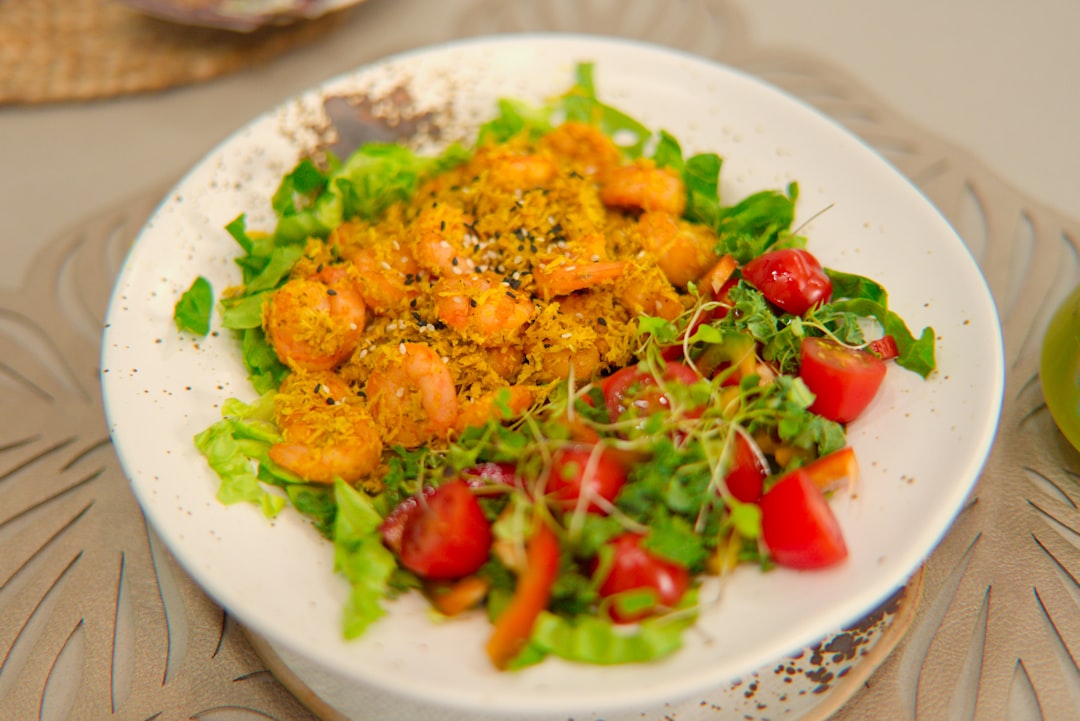
Nutrition plays a pivotal role in the overall health and well-being of individuals, particularly in the context of cancer. The relationship between dietary habits and cancer risk has garnered significant attention in recent years, as researchers strive to understand how specific nutrients and dietary patterns can influence the development and progression of malignancies. Cancer, characterized by uncontrolled cell growth, can be influenced by various factors, including genetics, environmental exposures, and lifestyle choices.
Among these, nutrition stands out as a modifiable risk factor that can either mitigate or exacerbate cancer risk. The complexity of cancer necessitates a multifaceted approach to prevention and treatment, where nutrition emerges as a critical component. Epidemiological studies have consistently demonstrated that certain dietary patterns are associated with lower cancer incidence, while others may increase susceptibility.
This article delves into the intricate relationship between nutrition and cancer, exploring how dietary choices can impact cancer risk, progression, and survivorship.
Key Takeaways
- Nutrition plays a crucial role in cancer prevention and treatment.
- A healthy diet can help reduce the risk of developing cancer.
- Nutrients like vitamins, minerals, and antioxidants can influence cancer development.
- Obesity and poor diet can increase the risk of developing cancer.
- Antioxidants and phytochemicals are important for preventing cancer.
The Role of Diet in Cancer Prevention
Dietary choices significantly influence cancer risk through various mechanisms, including modulation of inflammation, hormone levels, and oxidative stress. A diet rich in fruits, vegetables, whole grains, and lean proteins has been associated with a reduced risk of several types of cancer. For instance, the Mediterranean diet, characterized by high consumption of plant-based foods and healthy fats, has been linked to lower incidences of breast and colorectal cancers.
This dietary pattern emphasizes the importance of whole foods over processed options, which often contain harmful additives and preservatives. Conversely, diets high in red and processed meats have been implicated in increased cancer risk, particularly colorectal cancer. The World Health Organization (WHO) has classified processed meats as a Group 1 carcinogen, indicating sufficient evidence linking their consumption to cancer development.
Furthermore, high intake of refined sugars and unhealthy fats can lead to obesity, a known risk factor for various malignancies. Therefore, adopting a balanced diet that prioritizes nutrient-dense foods is essential for cancer prevention.
The Influence of Nutrients on Cancer Development

Nutrients play a crucial role in cellular processes that can either promote or inhibit cancer development. For example, vitamins such as A, C, and E are known for their antioxidant properties, which help neutralize free radicals that can cause DNA damage and contribute to tumorigenesis. Additionally, folate—a B vitamin—has been shown to be vital in DNA synthesis and repair; inadequate levels may lead to genetic mutations associated with cancer.
Minerals such as selenium and zinc also exhibit protective effects against cancer. Selenium is involved in antioxidant enzyme systems that combat oxidative stress, while zinc plays a role in immune function and DNA repair mechanisms. Moreover, phytochemicals found in plant-based foods—such as flavonoids and carotenoids—have been shown to possess anti-inflammatory and anticancer properties.
These compounds can modulate cell signaling pathways involved in tumor growth and metastasis.
The Impact of Obesity and Poor Diet on Cancer Risk
| Obesity and Poor Diet | Cancer Risk |
|---|---|
| Increased body fat | Higher risk of developing certain cancers such as breast, colon, and kidney cancer |
| Poor diet high in processed foods | Linked to increased risk of developing colorectal cancer |
| High consumption of sugary drinks | Associated with higher risk of developing certain types of cancer, including endometrial cancer |
| Low intake of fruits and vegetables | Linked to higher risk of developing various types of cancer, including lung and stomach cancer |
Obesity is a significant public health concern that has been linked to an increased risk of several cancers, including breast, prostate, and endometrial cancers. Excess body fat can lead to chronic inflammation and hormonal imbalances that promote tumor growth. Adipose tissue secretes various cytokines and hormones that can influence cell proliferation and apoptosis, creating an environment conducive to cancer development.
Poor dietary choices contribute to obesity by promoting excessive caloric intake and inadequate nutrient consumption. Diets high in processed foods, sugars, and unhealthy fats not only lead to weight gain but also lack essential nutrients that support overall health. To mitigate the risk of obesity-related cancers, it is crucial to adopt a balanced diet rich in whole foods while engaging in regular physical activity.
This combination can help maintain a healthy weight and reduce the likelihood of developing malignancies.
The Importance of Antioxidants and Phytochemicals in Cancer Prevention
Antioxidants and phytochemicals are vital components of a cancer-preventive diet. Antioxidants neutralize free radicals—unstable molecules that can damage cells and lead to cancerous transformations. Foods rich in antioxidants include berries, nuts, dark chocolate, and green leafy vegetables.
These foods not only provide essential vitamins but also contribute to overall health by reducing oxidative stress. Phytochemicals are bioactive compounds found in plants that offer protective effects against cancer. For instance, cruciferous vegetables like broccoli and kale contain glucosinolates that have been shown to inhibit tumor growth.
Similarly, tomatoes are rich in lycopene, a potent antioxidant linked to reduced prostate cancer risk.
Nutritional Support for Cancer Patients during Treatment
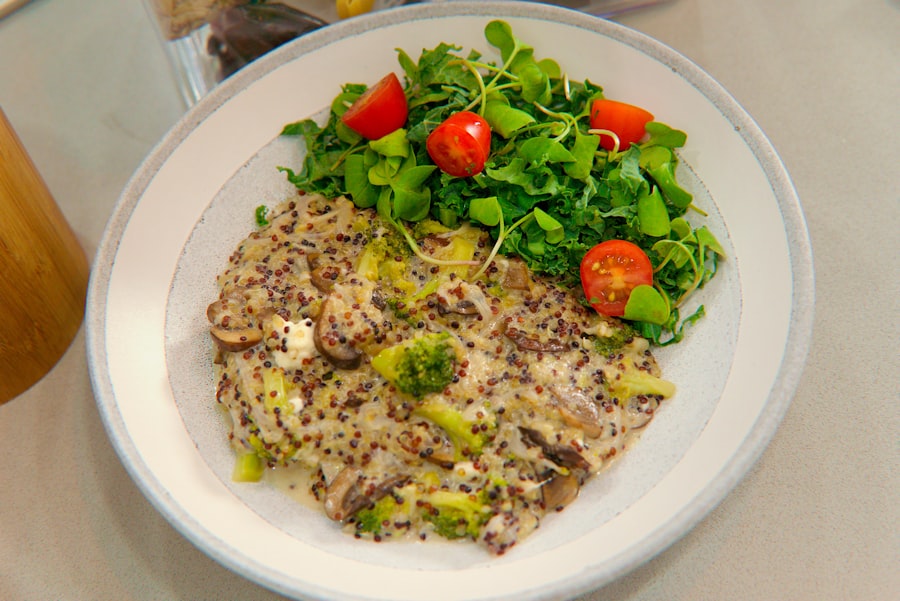
Cancer treatment often leads to various side effects that can impact nutritional status and overall well-being. Patients undergoing chemotherapy or radiation therapy may experience nausea, vomiting, taste changes, or loss of appetite, making it challenging to maintain adequate nutrition. Nutritional support becomes paramount during this phase to help manage side effects and promote recovery.
Oncologists often recommend working with registered dietitians who specialize in oncology nutrition to develop personalized meal plans tailored to individual needs. High-calorie, nutrient-dense foods may be emphasized to help patients meet their energy requirements despite reduced appetite. Additionally, hydration is crucial; patients should be encouraged to consume fluids regularly to prevent dehydration.
Supplements may also be considered when dietary intake is insufficient.
The Role of Omega-3 Fatty Acids in Cancer Management
Omega-3 fatty acids are polyunsaturated fats known for their anti-inflammatory properties and potential role in cancer management. Found primarily in fatty fish such as salmon and mackerel, as well as flaxseeds and walnuts, omega-3s have been studied for their ability to inhibit tumor growth and enhance the efficacy of certain cancer treatments. Research suggests that omega-3 fatty acids may improve the quality of life for cancer patients by reducing inflammation and alleviating treatment-related side effects such as cachexia—a syndrome characterized by weight loss and muscle wasting.
Incorporating omega-3-rich foods into the diet or considering supplementation under medical supervision may provide additional benefits during treatment.
The Connection Between Sugar and Cancer Growth
The relationship between sugar consumption and cancer growth has become a topic of considerable interest among researchers. High intake of refined sugars can lead to obesity and insulin resistance—both of which are associated with an increased risk of developing certain cancers. Elevated insulin levels may promote cell proliferation and inhibit apoptosis, creating an environment conducive to tumor growth.
Moreover, some studies suggest that cancer cells preferentially utilize glucose for energy through a process known as the Warburg effect. This phenomenon indicates that reducing sugar intake may limit the energy supply available for tumor cells. Therefore, minimizing added sugars in the diet while focusing on whole foods can be an effective strategy for reducing cancer risk.
The Effect of Alcohol Consumption on Cancer Risk
Alcohol consumption has been linked to an increased risk of several cancers, including breast, liver, esophageal, and colorectal cancers.
Additionally, alcohol may interfere with the absorption of essential nutrients that play protective roles against cancer.
The American Institute for Cancer Research recommends limiting alcohol intake to reduce cancer risk. For those who choose to drink, moderation is key; this typically means up to one drink per day for women and two drinks per day for men. Awareness of the potential risks associated with alcohol consumption is essential for individuals seeking to minimize their cancer risk.
Nutritional Strategies for Cancer Survivors
Survivorship presents unique challenges regarding nutrition as individuals transition from treatment back to everyday life. Maintaining a healthy diet is crucial for supporting recovery and reducing the risk of recurrence. Survivors should focus on consuming a balanced diet rich in fruits, vegetables, whole grains, lean proteins, and healthy fats.
Regular physical activity should also be incorporated into daily routines to promote overall health and well-being. Engaging in exercise not only aids in weight management but also enhances mood and energy levels—factors that are particularly important during recovery. Survivors may benefit from ongoing nutritional counseling to address specific concerns related to their treatment history or lifestyle changes.
The Future of Nutritional Research in Cancer Prevention and Treatment
The intersection of nutrition and cancer continues to be an area ripe for exploration as researchers seek to uncover the complexities of dietary influences on malignancies. As our understanding deepens regarding how specific nutrients affect cellular processes related to cancer development and progression, new dietary guidelines may emerge that further empower individuals in their health journeys. Future research will likely focus on personalized nutrition approaches tailored to individual genetic profiles and specific types of cancers.
By integrating nutritional science with oncology practice, healthcare providers can offer comprehensive care that addresses both prevention and treatment strategies effectively. In summary, nutrition plays an integral role in both the prevention and management of cancer through its influence on cellular processes, inflammation levels, and overall health status. By adopting a balanced diet rich in antioxidants, phytochemicals, omega-3 fatty acids while minimizing sugar and alcohol intake, individuals can significantly reduce their risk of developing malignancies while supporting their health throughout treatment and survivorship.
Nutrition and Cancer are closely linked, as a healthy diet can play a crucial role in preventing and managing cancer. According to a recent article on Boogger, “Paid Legal Holidays: A Guide for Employers,” it is important for employers to provide their employees with paid time off to focus on their health and well-being. This includes taking time off for medical appointments, including cancer screenings and treatments. By recognizing the importance of employee health and offering paid time off for medical reasons, employers can support their staff in maintaining a healthy lifestyle and potentially reducing their risk of developing cancer. To read more about this topic, visit this article.
FAQs
What is the relationship between nutrition and cancer?
Nutrition plays a crucial role in cancer prevention and management. A healthy diet can help reduce the risk of developing certain types of cancer and can also support the body during cancer treatment.
What are some dietary guidelines for cancer prevention?
Some dietary guidelines for cancer prevention include consuming a variety of fruits, vegetables, whole grains, and lean proteins, limiting processed and red meats, reducing intake of sugary drinks and foods high in added sugars, and maintaining a healthy weight.
Are there specific foods that can help prevent cancer?
Certain foods have been associated with a lower risk of cancer, such as cruciferous vegetables (e.g. broccoli, cauliflower), berries, tomatoes, and foods high in fiber. However, it’s important to maintain a balanced diet and not rely solely on specific foods for cancer prevention.
How does nutrition impact cancer treatment?
Nutrition plays a crucial role in supporting the body during cancer treatment. A well-balanced diet can help manage side effects of treatment, maintain strength and energy levels, and support overall health and well-being.
Are there any dietary recommendations for cancer patients undergoing treatment?
Cancer patients undergoing treatment may benefit from working with a registered dietitian to develop a personalized nutrition plan. Recommendations may include consuming adequate protein, staying hydrated, managing side effects such as nausea and taste changes, and maintaining a healthy weight.