Now Reading: Protecting Public Health: The Importance of Vaccinations
-
01
Protecting Public Health: The Importance of Vaccinations
Protecting Public Health: The Importance of Vaccinations

Vaccinations represent one of the most significant advancements in public health, serving as a cornerstone in the prevention of infectious diseases. By stimulating the immune system to recognize and combat pathogens, vaccines have drastically reduced morbidity and mortality rates associated with various illnesses. The World Health Organization (WHO) estimates that immunization prevents 2-3 million deaths each year, underscoring the critical role vaccines play in safeguarding individual and community health.
The importance of vaccinations extends beyond individual protection; they contribute to the broader goal of public health by controlling and eliminating diseases. Vaccines work by introducing a harmless component of a pathogen, such as an inactivated virus or a piece of its genetic material, prompting the immune system to develop a response. This process not only prepares the body to fight off future infections but also helps to create a population-level immunity that can prevent outbreaks.
Key Takeaways
- Vaccinations are crucial for preventing the spread of infectious diseases and protecting public health.
- Herd immunity is achieved when a large portion of a community becomes immune to a disease, providing a level of protection for those who are not immune.
- Common myths and misconceptions about vaccinations can lead to vaccine hesitancy, which can be addressed through education and building trust in immunization.
- Vaccines are safe and effective in preventing diseases, and vaccination programs have significant economic and social benefits for communities.
- Access to vaccinations for all communities, addressing vaccine hesitancy, and the role of healthcare providers are essential in promoting vaccination and achieving global health goals.
The Role of Vaccinations in Preventing Disease Outbreaks
Vaccinations are instrumental in preventing disease outbreaks, particularly in populations where certain diseases are endemic. For instance, the widespread administration of the measles, mumps, and rubella (MMR) vaccine has led to a dramatic decline in cases of these diseases. In 2000, measles was declared eliminated in the United States, a testament to the effectiveness of vaccination programs.
However, recent years have seen a resurgence of measles due to declining vaccination rates, highlighting the fragile nature of herd immunity. The role of vaccinations in outbreak prevention is particularly evident during global health crises. The rapid development and deployment of COVID-19 vaccines exemplified how immunization can mitigate the spread of a novel virus.
Vaccination campaigns not only reduced transmission rates but also decreased hospitalizations and fatalities, demonstrating the power of vaccines in controlling infectious diseases on a large scale.
Herd Immunity and its Impact on Public Health

Herd immunity occurs when a significant portion of a population becomes immune to a disease, either through vaccination or previous infections, thereby providing indirect protection to those who are not immune. This phenomenon is crucial for protecting vulnerable groups, such as infants, elderly individuals, and those with compromised immune systems who may not be able to receive vaccinations themselves. Achieving herd immunity requires a high vaccination coverage rate, typically around 95% for highly contagious diseases like measles. When this threshold is met, the likelihood of disease transmission diminishes significantly, leading to a decrease in outbreaks. The impact of herd immunity on public health cannot be overstated; it not only protects individuals but also contributes to the overall stability and resilience of healthcare systems.
Debunking Common Myths and Misconceptions about Vaccinations
| Myth/Misconception | Fact/Explanation |
|---|---|
| Myth: Vaccines cause autism | Fact: Numerous studies have shown no link between vaccines and autism. The original study that suggested a link has been discredited and retracted. |
| Myth: Vaccines contain harmful chemicals | Fact: Vaccines may contain small amounts of chemicals, but these are in such low quantities that they do not pose a risk to health. The benefits of vaccination far outweigh any potential risks. |
| Myth: Natural immunity is better than vaccine-induced immunity | Fact: While natural immunity can provide strong protection, it often comes with a risk of severe illness or even death. Vaccines provide a safer way to develop immunity without the same level of risk. |
| Myth: Vaccines can overload the immune system | Fact: The immune system is capable of handling the antigens in vaccines along with the many other antigens it encounters daily. Vaccines do not overwhelm the immune system. |
| Myth: Vaccines are not necessary because certain diseases are rare | Fact: The rarity of certain diseases is often due to the success of vaccination programs. Without continued vaccination, these diseases could easily make a comeback. |
Despite the overwhelming evidence supporting the safety and efficacy of vaccines, numerous myths and misconceptions persist. One prevalent myth is that vaccines cause autism, a claim that has been thoroughly debunked by extensive research involving millions of children worldwide. Studies have consistently shown no causal link between vaccines and autism spectrum disorders.
Another common misconception is that natural infection provides better immunity than vaccination. While it is true that natural infections can lead to robust immune responses, they often come with severe complications and risks that vaccines do not pose. Vaccines are designed to provide immunity without causing the disease itself, making them a safer alternative for disease prevention.
The Safety and Effectiveness of Vaccines
The safety and effectiveness of vaccines are rigorously evaluated through extensive clinical trials before they are approved for public use. Regulatory agencies such as the U.S. Food and Drug Administration (FDA) and the European Medicines Agency (EMA) require comprehensive data on vaccine safety and efficacy from multiple phases of trials involving diverse populations.
Post-marketing surveillance continues after approval to monitor any adverse effects that may arise once vaccines are administered to larger populations. The data consistently show that vaccines are safe for the vast majority of individuals, with side effects typically being mild and temporary, such as soreness at the injection site or low-grade fever. Serious adverse events are exceedingly rare, making the benefits of vaccination far outweigh potential risks.
The Economic and Social Benefits of Vaccination Programs
Vaccination programs yield substantial economic benefits by reducing healthcare costs associated with treating preventable diseases. The CDC estimates that for every dollar spent on childhood vaccinations, approximately $3 in direct healthcare costs and $10 in additional societal costs are saved. This economic return underscores the value of investing in immunization initiatives.
Socially, vaccination programs foster healthier communities by reducing disease prevalence and promoting productivity.
Furthermore, widespread vaccination can enhance community cohesion by alleviating fears associated with outbreaks and fostering trust in public health systems.
Ensuring Access to Vaccinations for all Communities
Ensuring equitable access to vaccinations is paramount for achieving optimal public health outcomes. Disparities in access can arise due to socioeconomic factors, geographic location, or systemic barriers within healthcare systems. To address these challenges, targeted outreach efforts must be implemented to reach underserved populations.
Community-based initiatives can play a vital role in increasing vaccination rates among marginalized groups. Mobile clinics, educational campaigns, and partnerships with local organizations can help bridge gaps in access and provide essential information about vaccine benefits. Additionally, policies aimed at reducing financial barriers, such as providing free or low-cost vaccinations, can further enhance accessibility.
Addressing Vaccine Hesitancy and Building Trust in Immunization
Vaccine hesitancy poses a significant challenge to achieving high vaccination coverage rates. Factors contributing to hesitancy include misinformation, distrust in healthcare systems, and cultural beliefs. To combat this issue, it is essential to engage communities through transparent communication and education.
Building trust requires healthcare providers to listen to patients’ concerns and provide evidence-based information about vaccines. Utilizing trusted community leaders as advocates can also help dispel myths and encourage vaccination uptake. By fostering open dialogue and addressing specific fears or misconceptions, healthcare professionals can play a pivotal role in reducing vaccine hesitancy.
The Role of Healthcare Providers in Promoting Vaccination
Healthcare providers serve as critical advocates for vaccination within their communities. Their recommendations carry significant weight; studies show that patients are more likely to vaccinate when advised by their healthcare professionals. Therefore, it is essential for providers to stay informed about current vaccination guidelines and address any questions or concerns patients may have.
In addition to direct patient interactions, healthcare providers can engage in community outreach efforts by participating in local health fairs or educational seminars. By actively promoting vaccination within their practices and communities, healthcare professionals can contribute significantly to increasing immunization rates and improving public health outcomes.
The Impact of Vaccination on Global Health and Disease Eradication
Vaccination has had a profound impact on global health by contributing to the eradication or control of several infectious diseases. Smallpox is the most notable success story; through a coordinated global vaccination campaign led by WHO, smallpox was declared eradicated in 1980. This achievement demonstrates the potential for vaccines to eliminate diseases entirely.
Other diseases such as polio are on the brink of eradication due to extensive vaccination efforts worldwide. However, continued commitment is necessary to maintain progress and prevent resurgence. Global collaboration among governments, NGOs, and healthcare organizations is essential for sustaining vaccination initiatives and ensuring that all populations benefit from immunization.
The Future of Vaccination: Advancements and Innovations in Immunization Technology
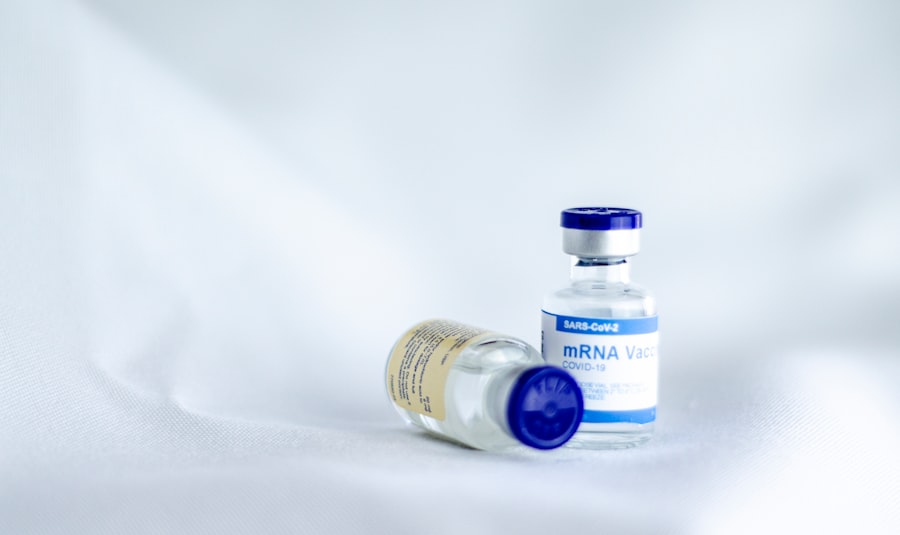
The future of vaccination holds exciting possibilities with advancements in immunization technology. mRNA vaccine technology, which gained prominence during the COVID-19 pandemic, represents a groundbreaking approach that allows for rapid development and deployment against emerging infectious diseases. This technology has opened new avenues for creating vaccines against various pathogens.
Additionally, research into needle-free delivery systems and oral vaccines aims to improve accessibility and patient compliance. Innovations such as these could revolutionize how vaccines are administered and enhance global vaccination efforts. As science continues to evolve, so too will our ability to combat infectious diseases through effective immunization strategies.
In summary, vaccinations are vital for individual health and public safety by preventing disease outbreaks and promoting herd immunity. Addressing misconceptions about vaccines is crucial for enhancing their acceptance while ensuring equitable access remains a priority for all communities. Healthcare providers play an essential role in advocating for immunization as we look toward future advancements that promise even greater efficacy in disease prevention.
Vaccinations are a crucial aspect of public health, and it is important to stay informed about their benefits and importance. One related article that provides valuable information on vaccinations is “June’s Federal Holidays: A Guide to National Observances”. This article may not directly discuss vaccinations, but it highlights the significance of national observances and the importance of staying informed about various health-related topics. It is essential to prioritize our health and well-being, and vaccinations play a vital role in preventing the spread of infectious diseases.
FAQs
What are vaccinations?
Vaccinations are a way to prevent infectious diseases by administering a small, safe amount of a weakened or killed virus or bacteria to stimulate the body’s immune system to produce antibodies.
How do vaccinations work?
Vaccinations work by introducing a small amount of a weakened or killed virus or bacteria into the body, which triggers the immune system to produce antibodies. These antibodies then provide protection against future exposure to the disease.
Are vaccinations safe?
Vaccinations are generally safe and effective. They undergo rigorous testing and monitoring for safety and are only approved for use if they are found to be safe and effective.
What are the benefits of vaccinations?
Vaccinations help prevent the spread of infectious diseases, protect individuals from serious illness and complications, and contribute to the overall health of communities by creating herd immunity.
What are the common side effects of vaccinations?
Common side effects of vaccinations include mild fever, soreness at the injection site, and mild rash. Serious side effects are rare.
Are there any risks associated with vaccinations?
While vaccinations are generally safe, there is a small risk of serious side effects. However, the benefits of vaccination in preventing serious illness and complications far outweigh the risks.
Why is it important to get vaccinated?
Vaccinations are important because they protect individuals from serious diseases, prevent the spread of infectious diseases within communities, and contribute to the overall public health.