Now Reading: Independence Day Celebrations: A Patriotic Tradition
-
01
Independence Day Celebrations: A Patriotic Tradition
Independence Day Celebrations: A Patriotic Tradition

Independence Day, celebrated annually on July 4th, marks a pivotal moment in American history—the adoption of the Declaration of Independence in 1776. This document, primarily authored by Thomas Jefferson, articulated the colonies’ grievances against British rule and asserted their right to self-governance. The Continental Congress officially adopted the Declaration on July 4, 1776, a date that would become synonymous with American freedom.
The historical context surrounding this event is crucial; the American colonies had been embroiled in escalating tensions with Great Britain, stemming from issues such as taxation without representation and the imposition of restrictive laws. The first official celebration of Independence Day took place in 1777, just one year after the Declaration was signed. Festivities included fireworks, parades, and public readings of the Declaration itself.
Over the years, these celebrations evolved, reflecting the changing dynamics of American society. By the 19th century, Independence Day had become a national holiday, with various states adopting their own traditions. The significance of this day transcends mere commemoration; it serves as a reminder of the sacrifices made by those who fought for liberty and the ongoing struggle to uphold democratic values.
Key Takeaways
- Independence Day originated from the Declaration of Independence on July 4, 1776
- The significance of Independence Day lies in celebrating patriotism and freedom
- Traditional activities include fireworks, parades, and barbecues
- Patriotic symbols such as the American flag and national anthem are central to the celebration
- Red, white, and blue decorations create a festive atmosphere for Independence Day
The Significance of Independence Day: Exploring the meaning of patriotism and freedom
Independence Day embodies the essence of patriotism and freedom, concepts deeply ingrained in the American identity. Patriotism is not merely an emotional attachment to one’s country; it encompasses a commitment to its ideals, values, and principles.
The celebration serves as a collective reaffirmation of the nation’s commitment to democracy, justice, and equality. Moreover, Independence Day prompts individuals to consider the broader implications of freedom. It invites discussions about civil rights, social justice, and the responsibilities that accompany liberty.
As Americans gather to celebrate, they are reminded that freedom is not a static condition but an ongoing pursuit that requires vigilance and active participation in civic life. This day encourages citizens to engage in meaningful dialogue about their nation’s past and future, fostering a sense of unity and shared purpose.
Traditional Independence Day Activities: Fireworks, parades, and barbecues
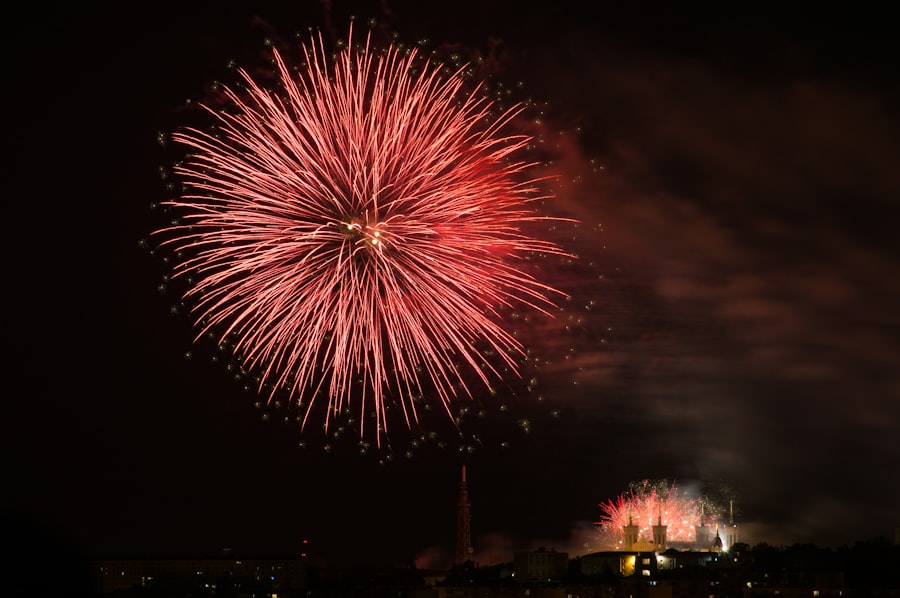
Traditional activities associated with Independence Day are as diverse as the nation itself. Fireworks displays are perhaps the most iconic symbol of celebration, illuminating the night sky in vibrant colors. These pyrotechnic shows have their roots in early American celebrations and have evolved into grand spectacles that draw crowds from all walks of life.
Communities often organize elaborate firework displays that culminate in a dazzling finale, symbolizing the triumph of freedom. Parades are another hallmark of Independence Day festivities. These events typically feature marching bands, floats, and community organizations showcasing their pride and patriotism.
Parades serve as a platform for local groups to come together and celebrate their shared values while honoring veterans and active military personnel. Additionally, barbecues and picnics are integral to the holiday experience, with families and friends gathering to enjoy classic American fare such as hamburgers, hot dogs, and corn on the cob. These communal meals foster a sense of togetherness and reinforce familial bonds.
Patriotic Symbols: The American flag, the national anthem, and other symbols of freedom
| Symbol | Meaning | Usage |
|---|---|---|
| American flag | Represents freedom, unity, and pride | Displayed on government buildings, during national holidays, and at patriotic events |
| National anthem | Symbolizes resilience and patriotism | Played at sporting events, official ceremonies, and national gatherings |
| Statue of Liberty | Symbol of hope and freedom | Located in New York Harbor, welcoming immigrants and visitors |
| Bald eagle | Represents strength, courage, and freedom | Featured on the Great Seal of the United States and various official emblems |
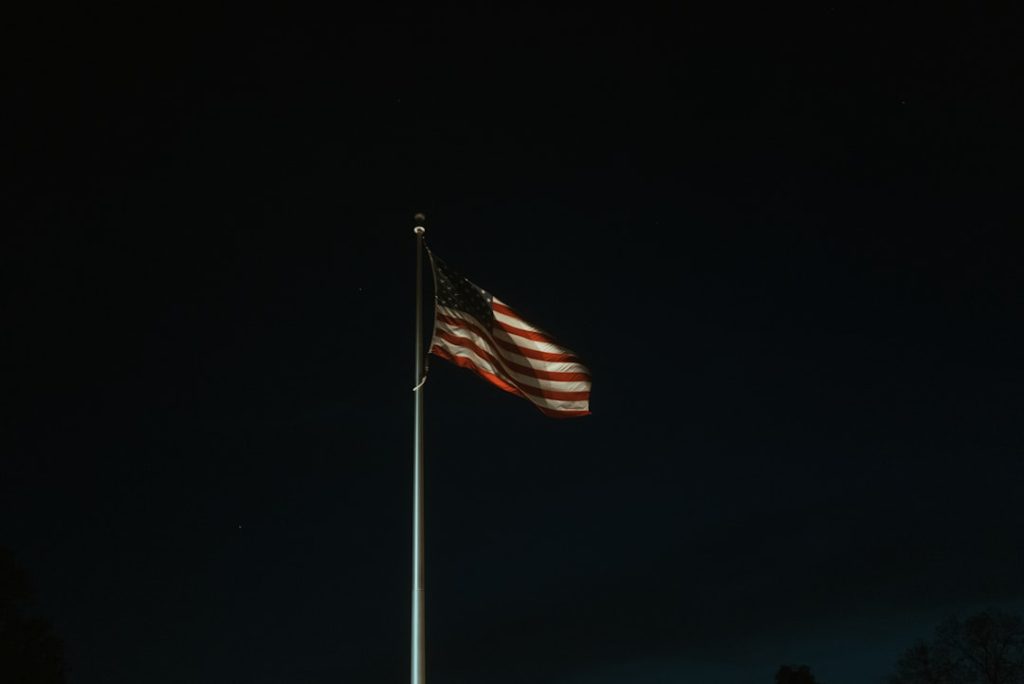
Patriotic symbols play a crucial role in shaping the identity of a nation. The American flag, with its red, white, and blue colors representing valor, purity, and justice respectively, stands as a powerful emblem of national pride. Displaying the flag on Independence Day is a common practice, serving as a visual reminder of the sacrifices made for freedom.
The flag’s design has evolved over time, reflecting the growth of the nation from thirteen colonies to fifty states. The national anthem, “The Star-Spangled Banner,” further encapsulates the spirit of Independence Day. Written by Francis Scott Key during the War of 1812, it celebrates resilience in the face of adversity.
The anthem is often performed at public events and gatherings on July 4th, evoking feelings of unity and patriotism among listeners. Other symbols such as the bald eagle—America’s national bird—also represent freedom and strength. Collectively, these symbols foster a sense of belonging and pride among citizens.
Independence Day Decorations: Red, white, and blue decor for a festive atmosphere
Decorating for Independence Day is an integral part of creating a festive atmosphere that reflects national pride. Homes and public spaces are often adorned with red, white, and blue decorations—colors that symbolize American values. Banners, balloons, streamers, and table settings featuring these hues contribute to an ambiance of celebration.
Many families take pride in crafting their own decorations, showcasing creativity while honoring their country. In addition to traditional colors, motifs such as stars and stripes are commonly used in decorations. These elements evoke imagery associated with the American flag and reinforce patriotic sentiments.
Communities often organize contests for the best-decorated homes or public spaces, encouraging residents to engage in friendly competition while fostering a sense of community spirit.
Independence Day Food: Classic American dishes for a patriotic feast
Food plays a central role in Independence Day celebrations, with many families preparing traditional American dishes that evoke nostalgia and comfort. Barbecues are particularly popular during this holiday; grilling burgers and hot dogs has become a quintessential part of the experience. Accompanying these main dishes are classic sides such as coleslaw, potato salad, and corn on the cob—each contributing to a hearty feast.
Desserts also take center stage during Independence Day celebrations.
Additionally, ice cream is a favorite treat during summer festivities; many families opt for red, white, and blue sundaes or popsicles to keep cool while celebrating.
These culinary traditions not only satisfy appetites but also create lasting memories associated with family gatherings.
Independence Day Music: Patriotic songs and tunes to celebrate the occasion
Music is an essential component of Independence Day celebrations, with patriotic songs resonating deeply within American culture. Classics such as “God Bless America,” “America the Beautiful,” and “This Land Is Your Land” evoke feelings of pride and nostalgia among listeners. These songs often feature prominently during public events and gatherings, reinforcing themes of unity and shared identity.
In addition to traditional anthems, contemporary artists have contributed to the patriotic music landscape by creating modern renditions that resonate with younger audiences. Concerts featuring live performances of patriotic music are common on July 4th, providing opportunities for communities to come together in celebration while enjoying familiar tunes that honor their nation’s history.
Independence Day Speeches and Readings: Honoring the nation’s history and values
Independence Day is not only a time for celebration but also reflection on the nation’s history and values through speeches and readings. Public figures often deliver addresses that highlight key moments in American history while emphasizing the importance of liberty and justice for all citizens. These speeches serve as reminders of the ongoing struggle for equality and civil rights within the context of independence.
In addition to formal speeches, readings from historical documents such as the Declaration of Independence or excerpts from notable speeches by figures like Martin Luther King Jr. can be incorporated into celebrations. These readings provide an opportunity for individuals to connect with their nation’s past while considering its implications for present-day society.
Community Celebrations: How towns and cities come together to mark the holiday
Community celebrations play a vital role in fostering a sense of belonging during Independence Day festivities. Towns and cities across America organize events that bring residents together to commemorate their shared heritage. These celebrations often include parades featuring local organizations, live music performances, food vendors offering traditional fare, and family-friendly activities such as games or contests.
Local governments frequently collaborate with community organizations to ensure that celebrations are inclusive and accessible to all residents. Fireworks displays are typically organized at central locations where families can gather to enjoy the show together. Such communal experiences strengthen social bonds among residents while reinforcing collective pride in their community’s history.
Family Traditions: Creating lasting memories and passing down patriotic values
Family traditions surrounding Independence Day contribute significantly to creating lasting memories while instilling patriotic values in younger generations. Many families have unique customs that they observe each year—whether it’s attending local parades together or hosting backyard barbecues with friends and neighbors. These traditions provide opportunities for families to bond while celebrating their shared identity as Americans.
Passing down stories about ancestors who fought for freedom or participated in significant historical events can also be an integral part of family traditions on this day. Engaging children in discussions about what independence means fosters an appreciation for their heritage while encouraging them to actively participate in civic life as they grow older.
Modern Celebrations: How Independence Day is celebrated in the digital age
In today’s digital age, Independence Day celebrations have evolved significantly due to advancements in technology and social media platforms. Virtual gatherings have become increasingly popular; families separated by distance can connect through video calls while sharing their holiday experiences together. Social media platforms allow individuals to showcase their celebrations through photos and videos—creating a sense of community even among those who may not be physically present.
Moreover, online platforms provide opportunities for individuals to engage with educational content related to Independence Day—such as documentaries or articles exploring its historical significance. This digital engagement fosters awareness among younger generations about their nation’s past while encouraging them to participate actively in discussions surrounding patriotism and civic responsibility. In summary, Independence Day serves as a powerful reminder of America’s journey toward freedom—a celebration steeped in history that continues to evolve with each passing year.
From traditional activities like fireworks displays and parades to modern digital engagements that connect families across distances—this holiday embodies both nostalgia for past struggles and hope for future progress toward liberty for all citizens. As communities come together to honor their shared heritage through food, music, decorations—and most importantly—values rooted in democracy—Independence Day remains an enduring symbol of what it means to be American.
Today, on March 24, 2025, we celebrate the birthdays of famous celebrities like Jim Parsons and Alyson Hannigan. As we honor these individuals, it is also important to remember the significance of federal government holidays like Independence Day. Understanding the history and importance of these holidays can help employees appreciate the time off they receive. For more information on how federal government holidays impact employees, check out this informative article here.
FAQs
What is Independence Day?
Independence Day is a national holiday in many countries, commemorating the day when the country gained independence from colonial rule or foreign domination.
When is Independence Day celebrated?
The date of Independence Day varies from country to country. For example, in the United States, Independence Day is celebrated on July 4th, while in India, it is celebrated on August 15th.
How is Independence Day celebrated?
Independence Day is typically celebrated with various events and activities, such as parades, fireworks, concerts, and cultural performances. It is also a time for reflection on the country’s history and the struggles for independence.
Why is Independence Day important?
Independence Day is important because it marks the freedom and sovereignty of a nation. It is a time to honor the sacrifices made by those who fought for independence and to celebrate the country’s achievements and progress.
Are there any traditional symbols or customs associated with Independence Day?
Many countries have traditional symbols and customs associated with Independence Day, such as the display of the national flag, singing the national anthem, and wearing patriotic colors. In the United States, for example, it is common to have barbecues and picnics, as well as to watch fireworks displays.