Now Reading: Ashura: Understanding the Significance of the Day
-
01
Ashura: Understanding the Significance of the Day
Ashura: Understanding the Significance of the Day

Ashura, derived from the Arabic word “Ashara,” meaning “tenth,” marks the tenth day of Muharram, the first month of the Islamic lunar calendar. Its origins are deeply rooted in both pre-Islamic and Islamic traditions. Historically, Ashura was observed by the Arab tribes as a day of fasting, commemorating various events, including the day of atonement for the Israelites, which is linked to the story of Prophet Moses and the liberation of the Israelites from Pharaoh’s tyranny.
This day was significant even before the advent of Islam, as it was a time for reflection and repentance. With the emergence of Islam in the 7th century, Ashura took on new dimensions. The Prophet Muhammad is reported to have fasted on this day, encouraging Muslims to do the same as a means of expressing gratitude for God’s mercy.
However, the significance of Ashura transformed dramatically following the tragic events of Karbala in 680 CE, where Imam Hussein, the grandson of Prophet Muhammad, was martyred. This pivotal moment in Islamic history redefined Ashura as a day of mourning and remembrance, particularly within the Shia sect.
Key Takeaways
- Ashura is a day of mourning and remembrance for the martyrdom of Imam Hussein, the grandson of Prophet Muhammad.
- The observance of Ashura varies among different Islamic traditions, with some communities engaging in mourning rituals and others focusing on fasting and charity.
- The martyrdom of Imam Hussein has had a profound impact on the Shia community, shaping their religious identity and inspiring acts of resistance and sacrifice.
- Ashura is commemorated through mourning rituals such as self-flagellation and reenactments of the Battle of Karbala, serving as a symbol of solidarity and devotion among Shia Muslims.
- Fasting on Ashura is considered important in both Sunni and Shia traditions, with the belief that it brings spiritual purification and atonement for sins.
The Historical and Religious Significance of Ashura
The historical significance of Ashura is multifaceted, encompassing themes of sacrifice, justice, and moral integrity. For Shia Muslims, it represents a profound moment of loss and a call to uphold righteousness against tyranny. The martyrdom of Imam Hussein is viewed as a symbol of resistance against oppression and injustice.
His stand at Karbala is not merely a historical event; it serves as a moral compass for millions, inspiring them to advocate for social justice and human rights. Religiously, Ashura holds a dual significance. For Sunni Muslims, it is primarily a day of fasting and reflection, commemorating the deliverance of Moses and his followers from Pharaoh.
In contrast, for Shia Muslims, it is a solemn occasion marked by grief and mourning rituals that honor Imam Hussein’s sacrifice. This divergence highlights the rich tapestry of Islamic traditions and beliefs surrounding Ashura, emphasizing its importance across different sects.
The Observance of Ashura in Different Islamic Traditions
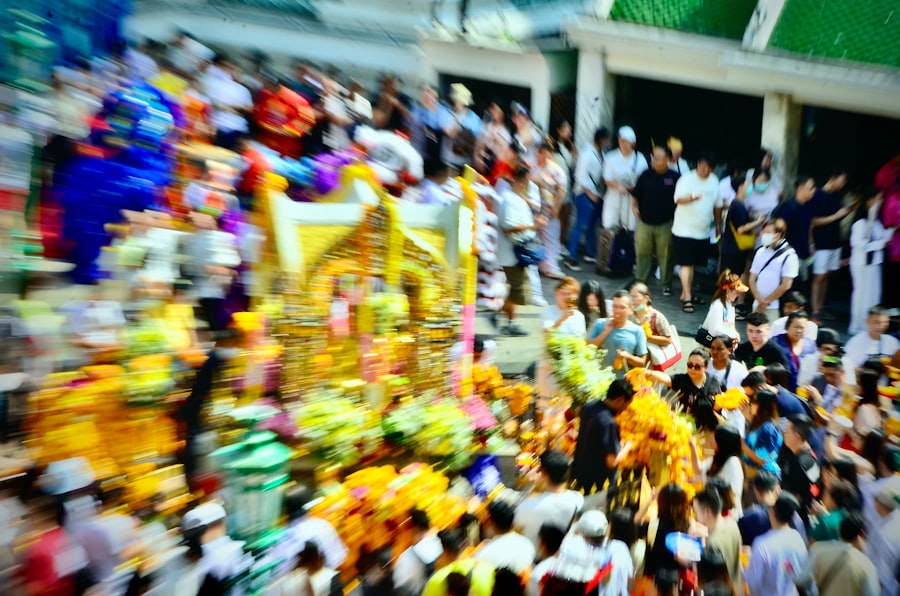
The observance of Ashura varies significantly between Sunni and Shia communities. Sunni Muslims typically commemorate this day through fasting, reflecting on its historical significance and engaging in acts of worship. Many Sunnis observe it by fasting on the ninth and tenth days of Muharram, following the tradition established by Prophet Muhammad.
This practice serves as an opportunity for spiritual reflection and repentance. Conversely, Shia Muslims engage in elaborate mourning rituals that include recitations of elegies (marsiya), reenactments of the Battle of Karbala, and communal gatherings known as majlis. These observances are characterized by expressions of grief, such as chest-beating (latmiyat) and self-flagellation (zanjeer zani), although practices vary widely among communities.
The emphasis on communal mourning fosters a sense of solidarity among Shia Muslims, reinforcing their collective identity and commitment to the values embodied by Imam Hussein.
The Martyrdom of Imam Hussein and its Impact on the Shia Community
| Aspect | Metrics |
|---|---|
| Number of Shia Muslims | Approximately 200-300 million |
| Annual Commemoration | 10th day of Muharram (Ashura) |
| Impact on Shia Community | Deep emotional and spiritual significance |
| Symbolism | Resilience, sacrifice, and standing against injustice |
| Global Observance | Marked by processions, mourning, and reenactments |
The martyrdom of Imam Hussein at Karbala is a defining moment in Islamic history that profoundly impacts the Shia community. On the 10th of Muharram in 680 CE, Imam Hussein and his followers faced overwhelming odds against the forces of Yazid ibn Muawiya. Despite being vastly outnumbered, Hussein’s refusal to pledge allegiance to an unjust ruler exemplifies his commitment to justice and truth.
This act of defiance has become a cornerstone of Shia identity. The impact of Imam Hussein’s martyrdom extends beyond historical remembrance; it shapes the theological framework within which Shia Muslims understand their faith. His sacrifice is viewed as a divine act that underscores the importance of standing against oppression and injustice.
The annual commemoration of Ashura serves as a reminder for Shia Muslims to embody these values in their daily lives, fostering resilience in the face of adversity.
The Commemoration of Ashura through Mourning Rituals
Mourning rituals during Ashura are deeply ingrained in Shia culture and serve as a means to express grief over Imam Hussein’s martyrdom. These rituals often begin on the first night of Muharram and culminate on Ashura itself. Participants engage in various activities such as reciting poetry that recounts the events at Karbala, participating in processions (ta’ziya), and performing acts of charity in honor of Hussein’s legacy.
The rituals are not merely acts of mourning; they also serve to educate younger generations about the significance of Karbala. Through storytelling and communal gatherings, families pass down the values associated with Imam Hussein’s sacrifice, ensuring that his message remains alive within the community. This collective mourning fosters a sense of unity among participants, reinforcing their shared identity as followers of Hussein.
The Symbolism of Ashura in Islamic Culture
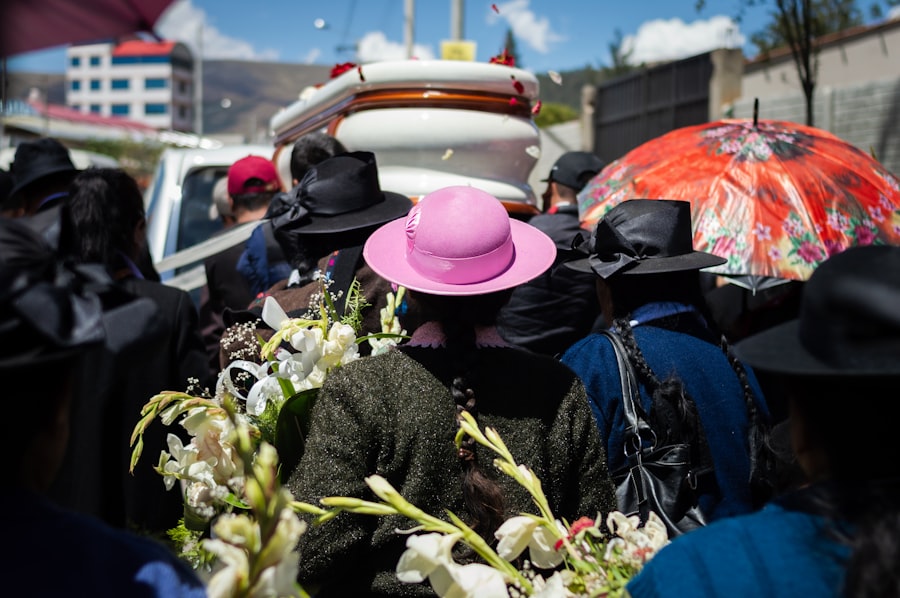
Ashura is rich in symbolism that transcends its historical context. It embodies themes such as sacrifice, justice, and moral integrity. The color black is prominently associated with mourning during this period, symbolizing grief and loss.
Additionally, the act of fasting on Ashura represents spiritual purification and reflection on one’s actions. The symbolism extends to various practices observed during this time. For instance, the ritualistic reenactment of the Battle of Karbala serves as a powerful reminder of the struggle between good and evil.
It emphasizes the importance of standing up against tyranny and injustice, resonating with contemporary social movements advocating for human rights. Thus, Ashura becomes not only a commemoration but also a call to action for individuals to embody these values in their lives.
The Importance of Fasting on Ashura
Fasting on Ashura holds significant importance within Islamic tradition, particularly among Sunni Muslims. It is regarded as an act of devotion that fosters spiritual growth and self-discipline. The Prophet Muhammad encouraged fasting on this day as a means to express gratitude for God’s mercy and forgiveness.
For many Muslims, fasting on Ashura serves as an opportunity for reflection on personal shortcomings and a chance to seek forgiveness from God. It is believed that fasting can expiate sins committed throughout the year, making it a spiritually rewarding practice. Additionally, some scholars emphasize that fasting on this day aligns with the broader Islamic principle of self-restraint and mindfulness.
The Role of Charity and Good Deeds on Ashura
Charity plays a vital role during Ashura, reflecting the values espoused by Imam Hussein. Acts of kindness and generosity are encouraged as a means to honor his legacy. Many individuals engage in charitable activities such as distributing food to those in need or supporting community initiatives aimed at alleviating suffering.
By performing acts of charity, individuals not only commemorate Imam Hussein’s sacrifice but also contribute to building a more compassionate society. This spirit of giving fosters unity among community members and reinforces the idea that collective action can lead to positive change.
Ashura as a Day of Unity and Reflection for Muslims
Ashura serves as a day of unity among Muslims across different sects, transcending theological differences to emphasize shared values such as justice and compassion. While Sunni and Shia communities may observe this day differently, both groups recognize its significance in promoting moral integrity and social responsibility. The collective observance of Ashura fosters dialogue among diverse Muslim communities, encouraging mutual understanding and respect.
It serves as an opportunity for individuals to reflect on their beliefs and actions while reaffirming their commitment to upholding justice in their lives. This shared experience reinforces bonds among Muslims worldwide, highlighting their common heritage.
Modern Observance of Ashura in the Muslim World
In contemporary times, observance of Ashura has evolved while retaining its core significance. Across various countries, from Iran to Lebanon to Pakistan, communities engage in diverse practices that reflect local customs and traditions. Processions featuring elaborate displays often attract thousands, showcasing vibrant expressions of faith.
Social media has also played a role in modernizing Ashura observance by allowing individuals to share their experiences globally. Online platforms facilitate discussions about its significance while providing resources for those seeking to deepen their understanding. This digital engagement fosters connections among Muslims worldwide, creating a sense of solidarity that transcends geographical boundaries.
The Global Impact and Misconceptions Surrounding Ashura
Despite its profound significance, misconceptions about Ashura persist globally. Some individuals view it solely through a lens of violence or extremism due to misinterpretations surrounding certain mourning practices. However, it is essential to recognize that Ashura embodies values such as compassion, justice, and resilience against oppression.
Efforts to educate others about Ashura’s true meaning are crucial in dispelling these misconceptions. Interfaith dialogues can promote understanding while highlighting common values shared by different religious traditions. By fostering awareness about Ashura’s significance beyond mere mourning rituals, communities can work towards building bridges based on mutual respect.
Its origins trace back to pre-Islamic traditions but have evolved significantly following Imam Hussein’s martyrdom at Karbala. The day serves as an opportunity for reflection on justice, sacrifice, and moral integrity while fostering unity among diverse Muslim communities worldwide.
Through mourning rituals, fasting practices, acts of charity, and modern observances facilitated by technology, Ashura continues to inspire millions to uphold values that resonate across generations.
Ashura is a significant religious observance for Muslims, commemorating the martyrdom of Husayn ibn Ali, the grandson of the Prophet Muhammad. It is a day of mourning and reflection, with many rituals and traditions associated with it. For those interested in learning more about the cultural significance of different holidays, a related article on Juneteenth 2024, celebrating the new federal holiday, may be of interest. You can read more about it here.
FAQs
What is Ashura?
Ashura is a religious observance in Islam that falls on the 10th day of Muharram, the first month of the Islamic lunar calendar.
Why is Ashura significant?
Ashura is significant for both Sunni and Shia Muslims for different reasons. For Shia Muslims, it commemorates the martyrdom of Husayn ibn Ali, the grandson of the Prophet Muhammad, at the Battle of Karbala in 680 AD. For Sunni Muslims, it marks the day when the Israelites were saved from Pharaoh by Moses.
How is Ashura observed?
Observances of Ashura vary among different Muslim communities. Shia Muslims often participate in mourning rituals, including reenactments of the Battle of Karbala and self-flagellation. Sunni Muslims may fast on this day as a way of showing gratitude and seeking forgiveness.
Is Ashura a public holiday?
Ashura is not a public holiday in many countries, but it is a public holiday in some predominantly Muslim countries, such as Iran, Iraq, and Lebanon.
Is Ashura only observed by Muslims?
While Ashura is primarily observed by Muslims, it is also recognized by some non-Muslim communities, particularly in areas with significant Muslim populations.