Now Reading: Exploring the Wonders of Brazil
-
01
Exploring the Wonders of Brazil
Exploring the Wonders of Brazil

Brazil, the largest country in South America, is a land of immense diversity and vibrant culture. Spanning over 8.5 million square kilometers, it is the fifth-largest nation in the world, both in terms of area and population, with over 213 million inhabitants. The country is characterized by its rich tapestry of landscapes, ranging from the lush Amazon rainforest to the arid Sertão region.
Brazil’s unique blend of indigenous, African, and European influences has shaped its cultural identity, making it a fascinating destination for travelers and researchers alike. The nation is renowned for its lively festivals, particularly the world-famous Carnival, which showcases the exuberance of Brazilian music and dance. With a variety of climates and ecosystems, Brazil offers an array of experiences for nature lovers, adventure seekers, and cultural enthusiasts.
This article delves into the natural wonders, cultural diversity, and historical significance of Brazil, providing insights into what makes this country a remarkable place to explore.
Key Takeaways
- Brazil is a diverse and vibrant country with a rich history and natural beauty.
- The Amazon Rainforest and the Pantanal Wetlands are two of Brazil’s most impressive natural wonders.
- Brazil’s cultural diversity is reflected in its vibrant cities and stunning coastline.
- The country is home to a wide variety of wildlife and biodiversity, particularly in the Amazon Rainforest.
- Brazil offers a range of adventure and outdoor activities for visitors to explore.
Natural Wonders of Brazil
Brazil is home to some of the most breathtaking natural wonders on the planet. The country’s diverse geography includes vast rainforests, expansive wetlands, and stunning coastlines. Among its most notable features is the Amazon River, which is not only the longest river in South America but also one of the most biodiverse ecosystems in the world.
The river flows through several countries but predominantly traverses Brazil, where it nourishes the surrounding rainforest and supports countless species of flora and fauna. Another remarkable natural wonder is the Iguazu Falls, located on the border between Brazil and Argentina. This UNESCO World Heritage site consists of approximately 275 individual waterfalls that stretch over 2.7 kilometers.
The sheer power and beauty of the falls attract millions of visitors each year, who come to witness the thundering cascades and vibrant rainbows that form in the mist. The surrounding national park is also home to diverse wildlife, including jaguars, capybaras, and numerous bird species.
Cultural Diversity in Brazil
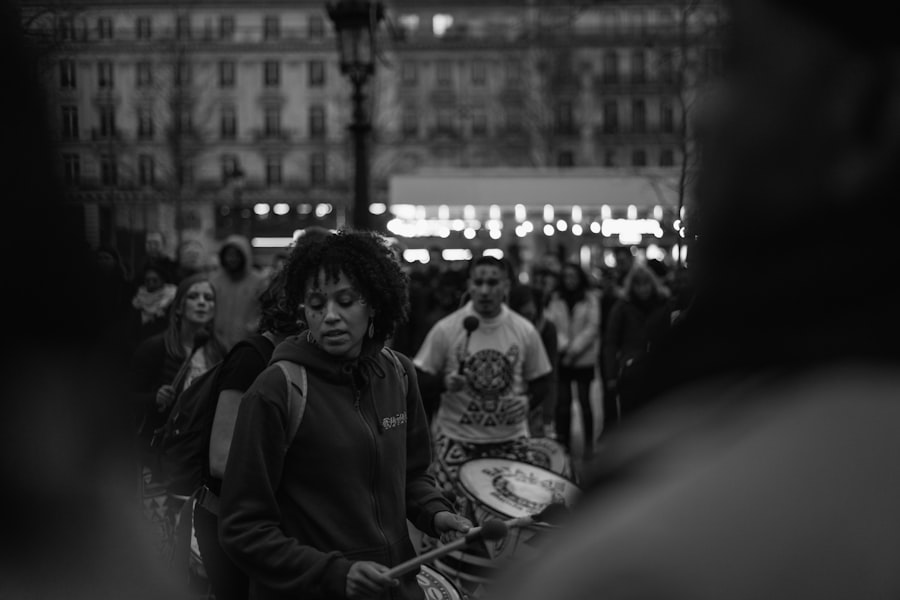
Brazil’s cultural landscape is a mosaic of influences that reflect its complex history. The indigenous peoples of Brazil have inhabited the land for thousands of years, contributing their traditions, languages, and customs to the national identity. Following European colonization in the 16th century, particularly by the Portuguese, a new cultural dimension emerged.
The forced migration of African slaves during this period further enriched Brazil’s cultural fabric, leading to a unique blend of African rhythms, European melodies, and indigenous traditions. This cultural diversity is evident in various aspects of Brazilian life, including music, dance, cuisine, and festivals. Samba and bossa nova are two iconic music genres that originated in Brazil, showcasing the country’s rhythmic heritage.
Culinary traditions also reflect this diversity; dishes such as feijoada (a black bean stew with pork) and acarajé (a deep-fried ball made from black-eyed peas) highlight the fusion of flavors from different cultures. Festivals like Carnival and Festa Junina celebrate this rich heritage through vibrant parades, traditional costumes, and communal gatherings.
The Amazon Rainforest
| Aspect | Metric |
|---|---|
| Size | Approximately 5.5 million square kilometers |
| Biodiversity | Home to about 10% of the world’s known species |
| Deforestation | Over 17% of the Amazon has been lost in the last 50 years |
| Carbon storage | Stores about 90-140 billion metric tons of carbon |
| Indigenous people | Home to over 1 million indigenous people |
The Amazon rainforest is often referred to as the “lungs of the Earth” due to its vast capacity for carbon dioxide absorption and oxygen production. Covering approximately 5.5 million square kilometers, it is home to an astonishing array of biodiversity—over 390 billion individual trees representing around 16,000 species can be found within its boundaries. This ecosystem plays a crucial role in regulating global climate patterns and maintaining ecological balance.
However, the Amazon faces significant threats from deforestation, illegal logging, and climate change. These activities not only endanger countless species but also disrupt the livelihoods of indigenous communities who depend on the forest for sustenance and cultural practices. Conservation efforts are underway to protect this vital ecosystem through sustainable practices and reforestation initiatives.
The Pantanal Wetlands
The Pantanal is one of the world’s largest tropical wetland areas, covering approximately 150,000 square kilometers across Brazil, Bolivia, and Paraguay. This UNESCO World Heritage site is renowned for its incredible biodiversity and serves as a critical habitat for numerous species, including jaguars, capybaras, caimans, and over 650 bird species. The Pantanal’s unique ecosystem is characterized by seasonal flooding that creates a dynamic environment where flora and fauna thrive.
Visitors to the Pantanal can engage in various activities such as birdwatching, wildlife photography, and eco-friendly tours led by knowledgeable guides. The best time to visit is during the dry season (May to September), when wildlife congregates around water sources, making it easier to spot animals in their natural habitats. Conservation efforts are essential to protect this fragile ecosystem from threats such as agriculture expansion and poaching.
The Stunning Brazilian Coastline
Brazil boasts an extensive coastline that stretches over 7,491 kilometers along the Atlantic Ocean. This coastline features an array of stunning beaches, each with its unique charm and character. From the bustling shores of Copacabana in Rio de Janeiro to the tranquil sands of Jericoacoara in Ceará, Brazil’s beaches cater to all types of travelers.
The coastline is dotted with picturesque islands such as Fernando de Noronha, an archipelago known for its pristine beaches and rich marine life. This UNESCO World Heritage site offers opportunities for snorkeling and diving among vibrant coral reefs teeming with tropical fish. Coastal cities like Salvador da Bahia showcase a blend of historical architecture and Afro-Brazilian culture, making them popular destinations for those seeking both relaxation and cultural enrichment.
The Vibrant Cities of Brazil
Brazil’s urban landscape is as diverse as its natural wonders. Major cities such as São Paulo, Rio de Janeiro, and Brasília each offer distinct experiences that reflect the country’s multifaceted identity. São Paulo is a bustling metropolis known for its cultural institutions, culinary scene, and vibrant nightlife.
It is often regarded as the economic powerhouse of Brazil.
Iconic landmarks such as Christ the Redeemer and Sugarloaf Mountain draw tourists from around the globe.
Brasília, designed by architect Oscar Niemeyer in the 1960s, stands out for its modernist architecture and urban planning. Each city hosts various festivals throughout the year that celebrate Brazilian culture through music, dance, and art. These events provide an opportunity for locals and visitors alike to immerse themselves in Brazil’s rich traditions.
Wildlife and Biodiversity in Brazil
Brazil is one of the most biodiverse countries on Earth, housing approximately 60% of the Amazon rainforest and a significant portion of other ecosystems such as the Atlantic Forest and Cerrado savanna. This incredible biodiversity includes an estimated 1 million species of plants and animals—many of which are endemic to Brazil. The country’s commitment to conservation is evident through numerous protected areas and national parks that safeguard these ecosystems.
Initiatives aimed at preserving endangered species such as the golden lion tamarin and jaguar are crucial for maintaining ecological balance. Ecotourism plays a vital role in promoting awareness about wildlife conservation while providing economic benefits to local communities.
Brazil’s Rich History and Heritage
Brazil’s history is marked by significant events that have shaped its identity over centuries. The arrival of Portuguese explorers in 1500 marked the beginning of colonization, leading to profound changes in indigenous societies. The transatlantic slave trade brought millions of Africans to Brazil, profoundly influencing its culture.
Brazil gained independence from Portugal in 1822 but faced challenges in establishing a stable government throughout the 19th century. The abolition of slavery in 1888 marked a pivotal moment in Brazilian history, paving the way for social changes that continue to resonate today. The country’s rich heritage is celebrated through various forms of artistic expression—literature, music, dance—each reflecting different aspects of Brazilian life.
Museums and cultural centers across Brazil preserve this history while fostering appreciation for its diverse roots.
Adventure and Outdoor Activities in Brazil
For adventure enthusiasts, Brazil offers an abundance of outdoor activities that cater to all levels of experience. From hiking through national parks to surfing on world-renowned beaches, there is no shortage of adrenaline-pumping experiences available. The Chapada Diamantina National Park in Bahia features stunning landscapes with dramatic cliffs, waterfalls, and caves ideal for trekking and rock climbing.
For those seeking aquatic adventures, white-water rafting on the Rio de Janeiro’s rivers or diving in Fernando de Noronha’s crystal-clear waters provides exhilarating experiences. Wildlife safaris in the Pantanal allow visitors to observe animals in their natural habitats while promoting conservation efforts through responsible tourism practices.
Tips for Exploring Brazil
When planning a trip to Brazil, it’s essential to consider several factors to ensure a smooth experience: 1. **Language**: Portuguese is the official language; learning basic phrases can enhance communication.
2. **Safety**: While many areas are safe for tourists, it’s advisable to stay informed about local conditions and avoid risky neighborhoods.
3.
**Health Precautions**: Vaccinations may be required for certain regions; consult with a healthcare provider before traveling.
4. **Currency**: The Brazilian real (BRL) is used; familiarize yourself with exchange rates.
5. **Transportation**: Domestic flights are common due to Brazil’s size; consider booking in advance for better rates.
6.
**Cultural Etiquette**: Respect local customs; greetings often involve physical contact such as hugs or kisses on the cheek.
7. **Timing**: Research seasonal weather patterns; some regions experience heavy rainfall during specific months. In conclusion, Brazil stands as a testament to nature’s grandeur and cultural richness.
Its diverse landscapes—from lush rainforests to vibrant cities—offer endless opportunities for exploration and discovery. By understanding its history and embracing its cultural diversity while practicing responsible tourism habits, visitors can fully appreciate all that this remarkable country has to offer.
Brazil is a country known for its vibrant culture and rich traditions, which are often celebrated during national holidays. One such holiday is October 3rd, a day of reflection and celebration in Brazil. This day holds special significance for Brazilians, as it marks an important moment in their history. To learn more about the cultural celebrations in Brazil, check out this article on Boogger.
FAQs
What is the capital of Brazil?
The capital of Brazil is Brasília.
What is the population of Brazil?
As of 2021, the population of Brazil is approximately 213 million people, making it the sixth most populous country in the world.
What is the official language of Brazil?
The official language of Brazil is Portuguese.
What is the currency of Brazil?
The currency of Brazil is the Brazilian Real (BRL).
What are some famous landmarks in Brazil?
Some famous landmarks in Brazil include the Christ the Redeemer statue in Rio de Janeiro, the Amazon Rainforest, Iguazu Falls, and the Pantanal wetlands.
What is the climate like in Brazil?
Brazil has a diverse climate, with the Amazon region experiencing a tropical rainforest climate, while the southern regions have a more temperate climate. The coastal areas generally have a tropical climate.
What are some popular dishes in Brazilian cuisine?
Popular dishes in Brazilian cuisine include feijoada (a stew of beans with beef and pork), churrasco (barbecue), and pão de queijo (cheese bread).
What are some popular sports in Brazil?
Football (soccer) is the most popular sport in Brazil. Other popular sports include volleyball, mixed martial arts, and motor racing.