Now Reading: The Impact of Stacey Abrams on American Politics
-
01
The Impact of Stacey Abrams on American Politics
The Impact of Stacey Abrams on American Politics

Stacey Abrams was born on December 9, 1973, in Madison, Wisconsin, but she spent much of her formative years in the Atlanta metropolitan area. Growing up in a family that valued education and civic engagement, Abrams was instilled with a strong sense of purpose from an early age. Her parents, both of whom were civil rights activists, played a pivotal role in shaping her worldview.
They emphasized the importance of community service and the necessity of fighting for social justice, which would later become hallmarks of her political career. Abrams excelled academically, earning a scholarship to Spelman College, a historically black college in Atlanta. There, she majored in political science and graduated with honors.
Her academic journey continued at the University of Texas at Austin, where she obtained a Master of Public Affairs. This educational background provided her with a robust foundation in policy analysis and governance, equipping her with the skills necessary to navigate the complex landscape of American politics. Her early life experiences and educational achievements laid the groundwork for her future endeavors in public service and advocacy.
Key Takeaways
- Stacey Abrams was born in Wisconsin and raised in Mississippi before attending Spelman College and Yale Law School.
- Abrams served in the Georgia House of Representatives and became the first woman to lead either party in the Georgia General Assembly.
- She founded the New Georgia Project to register voters of color and fought against voter suppression in the state.
- Abrams played a crucial role in turning Georgia blue in the 2020 election, helping to secure a historic win for the Democratic Party.
- Her work has had a significant impact on minority communities, empowering them to engage in the political process and have their voices heard.
Political Career and Activism
Stacey Abrams’ political career began in earnest when she was elected to the Georgia House of Representatives in 2006. As a member of the Democratic Party, she quickly established herself as a formidable force within the legislature. During her tenure, Abrams focused on issues such as education reform, healthcare access, and economic development.
Her ability to build coalitions across party lines demonstrated her commitment to pragmatic solutions rather than partisan politics. In 2011, Abrams became the Minority Leader of the Georgia House, making history as the first African American woman to hold this position.
Abrams’ activism extended beyond the legislative chamber; she founded the nonprofit organization Fair Fight Action in 2018 to combat voter suppression and promote fair elections. Her work in this arena has garnered national attention and solidified her reputation as a leading voice for social justice and electoral integrity.
Voter Rights Advocacy
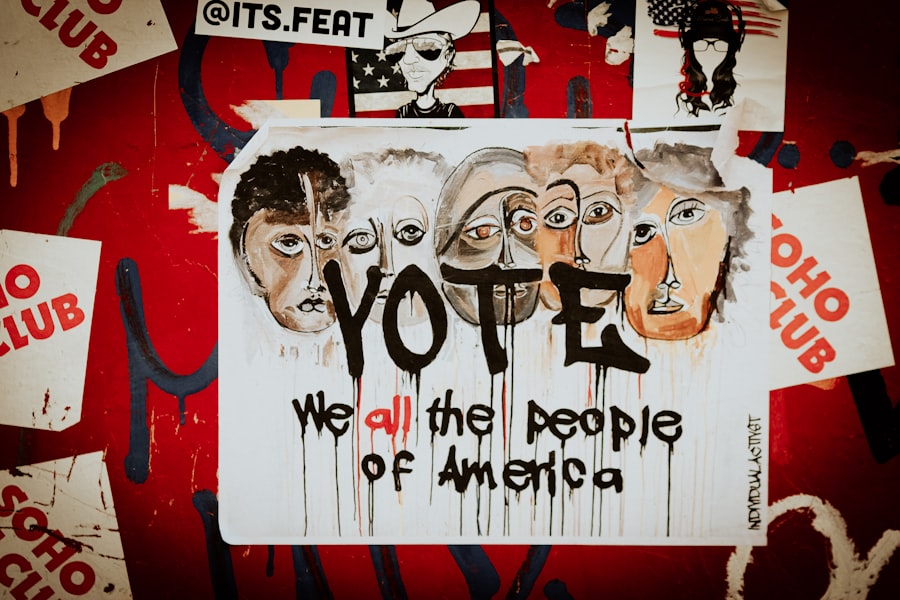
Voter rights advocacy has been a cornerstone of Stacey Abrams’ work throughout her political career. Recognizing that systemic barriers disproportionately affect marginalized communities, she has dedicated herself to ensuring that every eligible voter has access to the ballot box. Abrams has been particularly vocal about the need to address voter suppression tactics that have emerged in various forms across the United States.
Through Fair Fight Action, Abrams has launched initiatives aimed at educating voters about their rights and mobilizing them to participate in elections. The organization has also engaged in legal battles to challenge restrictive voting laws that disproportionately impact communities of color. By raising awareness about these issues, Abrams has not only empowered individuals but has also sparked a national conversation about the importance of protecting voting rights as a fundamental aspect of democracy.
Role in Georgia’s 2020 Election
| Role | Metrics |
|---|---|
| Voter Turnout | Record high turnout with over 5 million votes cast |
| Election Officials | Challenges and controversies surrounding election administration |
| Legal Battles | Multiple lawsuits and court rulings impacting election processes |
| Political Ads | Significant spending on political advertising by candidates and groups |
Stacey Abrams played a pivotal role in Georgia’s 2020 election cycle, which garnered national attention due to its significance in determining control of the U.S. Senate. Her grassroots organizing efforts were instrumental in mobilizing voters, particularly among young people and communities of color.
Abrams’ strategic approach included leveraging technology and social media to reach potential voters and encourage them to participate in the electoral process. The impact of her work was evident in the record voter turnout during the election. Georgia saw an unprecedented number of ballots cast, with many attributing this surge to Abrams’ relentless advocacy for voter engagement.
The results of the election not only shifted the political landscape in Georgia but also underscored the importance of grassroots organizing in shaping electoral outcomes. Abrams’ efforts demonstrated that when communities are empowered to exercise their voting rights, they can effect meaningful change.
Impact on Democratic Party
Stacey Abrams’ influence extends beyond Georgia; she has become a key figure within the Democratic Party on a national scale. Her success in mobilizing voters and advocating for progressive policies has inspired party leaders to adopt similar strategies across the country. Abrams’ emphasis on inclusivity and representation has resonated with many Democrats seeking to broaden their appeal to diverse constituencies.
Moreover, her candidacy for governor in 2018 highlighted the potential for Democrats to win in traditionally conservative states by focusing on issues that matter to everyday citizens. Although she narrowly lost that election, Abrams’ campaign showcased the power of grassroots organizing and voter engagement. Her ability to galvanize support among various demographic groups has positioned her as a leading voice for a new generation of Democratic leaders committed to social justice and equity.
Influence on Minority Communities

Stacey Abrams’ work has had a profound impact on minority communities, particularly African Americans and other marginalized groups in Georgia and beyond. By advocating for policies that address systemic inequalities, she has become a beacon of hope for those who have historically faced barriers to political participation and economic opportunity. Her efforts have empowered individuals to take an active role in shaping their communities and advocating for their rights.
Through initiatives like Fair Fight Action, Abrams has provided resources and support to help minority communities navigate the complexities of the electoral process. This includes educating voters about their rights, providing assistance with voter registration, and mobilizing grassroots efforts to ensure that every voice is heard. By fostering a sense of agency among these communities, Abrams has contributed to a broader movement for social change that seeks to dismantle systemic injustices.
National Recognition and Awards
Stacey Abrams’ contributions to politics and social justice have not gone unnoticed; she has received numerous accolades and recognition for her work. In 2019, she was nominated for the Nobel Peace Prize for her efforts to combat voter suppression and promote democracy. This nomination underscored her status as a national leader in the fight for civil rights and electoral integrity.
Additionally, Abrams has been honored with awards from various organizations recognizing her commitment to public service and advocacy. These accolades reflect not only her individual achievements but also the collective impact of her work on advancing social justice issues across the country. As she continues to advocate for change, her recognition serves as an inspiration for others seeking to make a difference in their communities.
Future Political Aspirations
As Stacey Abrams continues to shape the political landscape, many speculate about her future aspirations within public office. While she has expressed interest in running for governor again in 2022, her ambitions may extend beyond state politics. Given her national prominence and influence within the Democratic Party, there is potential for her to pursue higher office or take on leadership roles within national organizations focused on civil rights and social justice.
Regardless of her specific political trajectory, it is clear that Abrams will remain an influential figure in American politics. Her commitment to advocating for marginalized communities and promoting democratic values positions her as a key player in shaping future electoral strategies and policies aimed at fostering inclusivity and equity.
Media and Public Image
Stacey Abrams’ media presence has played a significant role in shaping her public image as a leader and advocate for social justice. Through various platforms, including television appearances, podcasts, and social media, she has effectively communicated her vision for a more equitable society. Her articulate messaging resonates with diverse audiences, allowing her to connect with individuals from various backgrounds.
Abrams’ ability to navigate media narratives has also contributed to her reputation as a formidable political strategist. She has adeptly countered misinformation regarding voter suppression while highlighting the importance of civic engagement. By leveraging media platforms to amplify her message, Abrams has successfully positioned herself as a trusted voice on issues related to voting rights and social justice.
Criticisms and Controversies
Despite her many accomplishments, Stacey Abrams has faced criticisms and controversies throughout her career. Some opponents have accused her of exaggerating claims of voter suppression or misrepresenting data related to electoral access. These criticisms often stem from partisan divides surrounding voting rights issues, with some viewing her advocacy as politically motivated rather than genuinely focused on civil rights.
Additionally, Abrams’ decision not to concede after her narrow loss in the 2018 gubernatorial election drew scrutiny from some quarters. Critics argued that this stance undermined democratic norms; however, supporters contended that it was a necessary response to systemic injustices within Georgia’s electoral process. Navigating these controversies has required Abrams to maintain resilience while continuing to advocate for change.
Legacy and Lasting Impact
Stacey Abrams’ legacy is one characterized by resilience, advocacy, and an unwavering commitment to social justice. Her work has not only transformed Georgia’s political landscape but has also inspired individuals across the nation to engage in civic activism and fight for their rights. By championing voter access and addressing systemic inequalities, Abrams has left an indelible mark on American politics.
As future generations look back on her contributions, it is likely that they will recognize her as a pivotal figure in the ongoing struggle for civil rights and democratic participation.
Ultimately, Stacey Abrams’ legacy will continue to inspire those who seek justice and equity in their own communities.
In summary, Stacey Abrams’ journey from an activist rooted in civil rights advocacy to a prominent political figure exemplifies the power of perseverance and dedication to social justice. Her influence on voter rights advocacy, minority communities, and the Democratic Party underscores her significance as a leader committed to fostering inclusivity and equity within American democracy. As she continues her work, both nationally and locally, Abrams remains an inspiring figure whose impact will resonate for years to come.
Stacey Abrams, a prominent political figure known for her work in voting rights advocacy, has been a vocal supporter of honoring veterans and recognizing the importance of federal holidays in the United States. In a related article on Boogger, “November Federal Holidays: Honoring Veterans and Giving Thanks,” the significance of holidays such as Veterans Day and Thanksgiving is explored. Abrams’ dedication to ensuring that all Americans have the opportunity to participate in our democracy aligns with the themes of gratitude and remembrance highlighted in this article. To read more about federal holidays in the United States, check out the comprehensive guide provided by Boogger here.
FAQs
Who is Stacey Abrams?
Stacey Abrams is an American politician, lawyer, and author. She served as the Minority Leader of the Georgia House of Representatives from 2011 to 2017 and ran for governor of Georgia in 2018.
What is Stacey Abrams known for?
Stacey Abrams is known for her work in voter registration and turnout, as well as her efforts to promote fair elections and expand access to the ballot box. She is also a prominent advocate for social justice and has been involved in various initiatives to address issues such as voting rights, education, and economic inequality.
Has Stacey Abrams held any political office?
Yes, Stacey Abrams served in the Georgia House of Representatives from 2007 to 2017, where she became the first woman to lead either party in the Georgia General Assembly and the first African-American to lead in the House of Representatives.
What is Stacey Abrams’ educational background?
Stacey Abrams attended Spelman College, where she earned a Bachelor of Arts degree in interdisciplinary studies. She later earned a Juris Doctor degree from Yale Law School.
Has Stacey Abrams written any books?
Yes, Stacey Abrams is the author of several books, including “Minority Leader: How to Lead from the Outside and Make Real Change” and “Our Time Is Now: Power, Purpose, and the Fight for a Fair America.”