Now Reading: Revolutionizing Transportation: The Future of Mobility
-
01
Revolutionizing Transportation: The Future of Mobility
Revolutionizing Transportation: The Future of Mobility

The transportation sector is undergoing a profound transformation, driven by technological advancements, environmental concerns, and evolving consumer preferences. As urbanization accelerates, cities are grappling with the challenges of congestion, pollution, and the need for efficient mobility solutions. The traditional paradigms of transportation are being challenged, leading to innovative approaches that prioritize sustainability, efficiency, and accessibility.
This article delves into the multifaceted changes reshaping transportation, exploring the rise of electric and autonomous vehicles, sustainable solutions, and the integration of advanced technologies. The changing landscape of transportation is not merely a trend; it represents a fundamental shift in how individuals and goods move from one place to another. With the advent of electric vehicles (EVs), autonomous driving technology, and the concept of Mobility as a Service (MaaS), the future of transportation is being redefined.
These developments are not only enhancing convenience but also addressing critical issues such as climate change and urban congestion. As we navigate this evolving terrain, it is essential to understand the implications of these changes on society, the economy, and the environment.
Key Takeaways
- The transportation industry is undergoing significant changes with the rise of electric and autonomous vehicles, sustainable solutions, and the integration of public and private systems.
- Mobility as a Service (MaaS) is revolutionizing transportation by offering convenient and efficient options for commuters, impacting the way people move around cities.
- Big data and analytics play a crucial role in optimizing transportation systems, improving efficiency, and providing valuable insights for future planning.
- The future of urban mobility lies in smart cities, where transportation is seamlessly integrated with technology to create efficient and sustainable transportation networks.
- The shift towards shared mobility and ride-sharing services is transforming the way people access transportation, promoting a more sustainable and cost-effective approach to mobility.
The Rise of Electric and Autonomous Vehicles
Electric vehicles have emerged as a cornerstone of modern transportation, offering a cleaner alternative to traditional gasoline-powered cars. The global electric vehicle market is projected to grow exponentially, with estimates suggesting that by 2030, EVs could account for over 30% of all vehicle sales worldwide. This surge is fueled by advancements in battery technology, which have significantly improved the range and affordability of electric cars.
Major automotive manufacturers are investing heavily in EV development, with companies like Tesla leading the charge in innovation. In parallel with the rise of electric vehicles is the development of autonomous driving technology. Self-driving cars promise to revolutionize transportation by enhancing safety, reducing traffic congestion, and improving overall efficiency.
According to the National Highway Traffic Safety Administration (NHTSA), over 90% of traffic accidents are caused by human error. Autonomous vehicles have the potential to mitigate this issue by utilizing advanced sensors, artificial intelligence, and machine learning algorithms to navigate complex environments safely. As regulatory frameworks evolve to accommodate these technologies, the integration of autonomous vehicles into everyday life appears increasingly feasible.
Sustainable Transportation Solutions
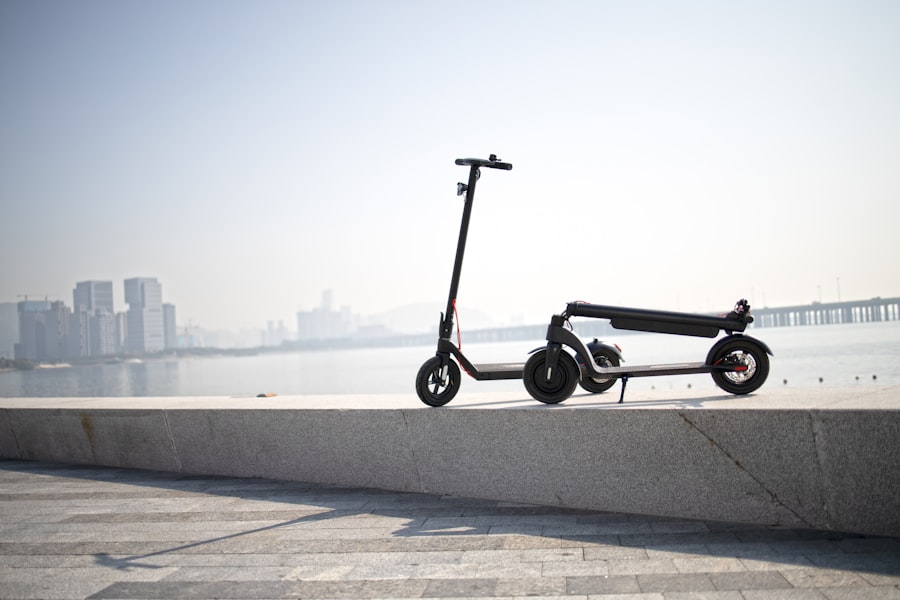
Sustainability has become a central theme in transportation planning and development. The urgent need to combat climate change has prompted governments and organizations worldwide to seek sustainable transportation solutions that minimize environmental impact. Public transit systems are being revitalized to encourage mass transit usage, thereby reducing reliance on personal vehicles. Investments in rail networks, bus rapid transit systems, and cycling infrastructure are essential components of this strategy.
Moreover, alternative fuels such as hydrogen and biofuels are gaining traction as viable options for reducing greenhouse gas emissions. Hydrogen fuel cell vehicles emit only water vapor as a byproduct, making them an attractive option for sustainable transportation. Additionally, cities are increasingly adopting policies that promote walking and cycling as primary modes of transport. By creating pedestrian-friendly environments and expanding bike lanes, urban planners can foster healthier lifestyles while simultaneously reducing traffic congestion and pollution.
The Impact of Mobility as a Service (MaaS) on Transportation
| Metrics | Data |
|---|---|
| Reduction in private car ownership | 20-30% |
| Increased use of public transportation | 15-20% |
| Reduction in traffic congestion | 10-15% |
| Decrease in greenhouse gas emissions | 5-10% |
| Improvement in urban air quality | 10-15% |
Mobility as a Service (MaaS) represents a paradigm shift in how individuals access transportation services. This concept integrates various modes of transport—such as public transit, ride-sharing, bike-sharing, and car rentals—into a single accessible platform. Users can plan, book, and pay for their journeys seamlessly through mobile applications, enhancing convenience and flexibility.
MaaS has the potential to reduce private car ownership by providing users with on-demand access to multiple transportation options.
This shift not only alleviates traffic congestion but also contributes to lower emissions and improved air quality.
As cities continue to embrace MaaS, it is crucial to ensure that these services are equitable and accessible to all residents.
The Role of Big Data and Analytics in Transportation
Big data and analytics play a pivotal role in transforming transportation systems into more efficient and responsive networks. By harnessing vast amounts of data generated from various sources—such as GPS devices, traffic cameras, and social media—transportation planners can gain valuable insights into travel patterns and behaviors. This information enables cities to optimize traffic flow, reduce congestion, and enhance overall mobility.
Predictive analytics is particularly valuable in anticipating demand for transportation services. For instance, ride-sharing companies utilize algorithms that analyze historical data to forecast peak demand periods and adjust their service offerings accordingly. Additionally, real-time data can inform users about traffic conditions, public transit schedules, and available ride-sharing options, empowering them to make informed travel decisions.
As data-driven approaches continue to evolve, they will play an increasingly critical role in shaping the future of transportation.
The Integration of Public and Private Transportation Systems
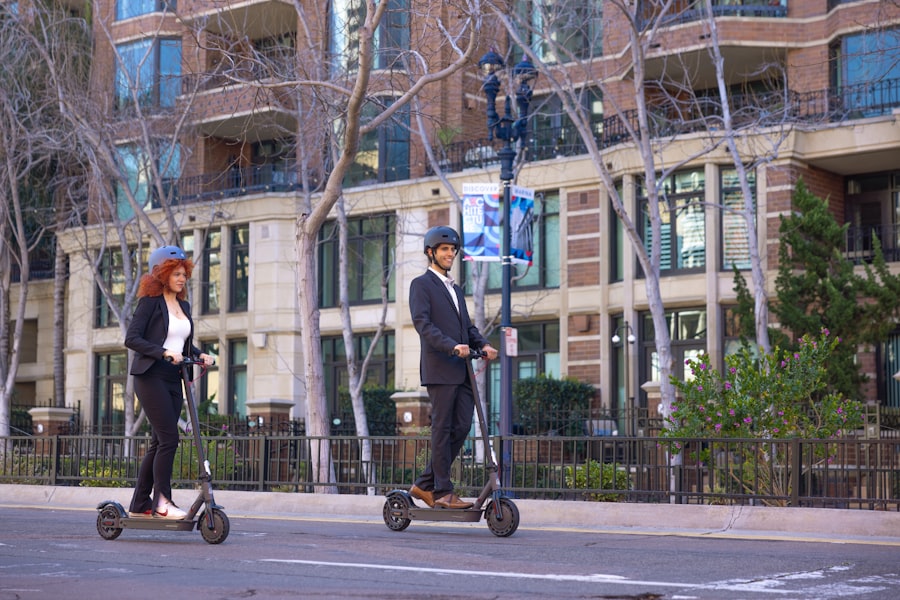
The integration of public and private transportation systems is essential for creating a cohesive mobility ecosystem that meets the diverse needs of urban populations. Collaboration between public transit agencies and private mobility providers can enhance service offerings while maximizing efficiency. For example, partnerships between bus services and ride-sharing platforms can facilitate first-mile/last-mile connectivity, ensuring that users can easily access public transit hubs.
Moreover, integrated payment systems that allow users to pay for multiple modes of transport through a single platform simplify the travel experience. This approach encourages greater use of public transit while reducing reliance on personal vehicles. Cities that successfully integrate public and private transportation systems can create more sustainable urban environments that prioritize accessibility and convenience for all residents.
The Future of Urban Mobility: Smart Cities and Transportation
The concept of smart cities encompasses the integration of technology into urban infrastructure to enhance quality of life for residents. In terms of transportation, smart city initiatives focus on leveraging technology to improve mobility solutions while addressing challenges such as congestion and pollution. Intelligent transportation systems (ITS) utilize real-time data to optimize traffic signals, monitor vehicle flow, and provide users with timely information about travel conditions.
Furthermore, smart cities are increasingly adopting electric vehicle charging infrastructure to support the growing number of EVs on the road. By strategically placing charging stations throughout urban areas, cities can encourage EV adoption while ensuring that residents have convenient access to charging facilities. As urban mobility continues to evolve within smart city frameworks, collaboration between government agencies, private companies, and community stakeholders will be essential for fostering innovation.
Shared mobility has gained significant traction in recent years as consumers seek cost-effective alternatives to traditional car ownership. Ride-sharing services such as Uber and Lyft have transformed how people navigate urban environments by providing on-demand transportation at their fingertips. This shift towards shared mobility not only reduces individual transportation costs but also contributes to decreased traffic congestion and lower emissions.
The rise of shared mobility has prompted cities to rethink their transportation strategies. By promoting carpooling initiatives and incentivizing shared rides through subsidies or reduced tolls, municipalities can further encourage sustainable travel behaviors among residents. Additionally, integrating shared mobility options into existing public transit systems can enhance overall accessibility while reducing the need for personal vehicles.
The Role of Infrastructure and Transportation Planning in the Future
Infrastructure development is critical for supporting the future of transportation systems. Investments in roads, bridges, public transit facilities, and charging stations are essential for accommodating emerging technologies such as electric vehicles and autonomous driving systems. Effective transportation planning must prioritize not only current needs but also anticipate future demands driven by population growth and technological advancements.
Moreover, infrastructure must be designed with resilience in mind to withstand climate change impacts such as extreme weather events. Sustainable materials and construction practices should be employed to minimize environmental impact while ensuring long-term durability. By adopting forward-thinking infrastructure strategies, cities can create robust transportation networks that support economic growth while prioritizing sustainability.
The Importance of Accessibility and Inclusivity in Transportation
Accessibility is a fundamental aspect of equitable transportation systems. Ensuring that all individuals—regardless of age or ability—can access transportation services is crucial for fostering inclusivity within communities. This includes designing public transit systems that accommodate individuals with disabilities through features such as low-floor buses, audio announcements, and accessible stations.
Furthermore, outreach programs aimed at educating underserved populations about available transportation options can enhance overall accessibility. By prioritizing inclusivity in transportation planning, cities can create environments where all residents have equal opportunities for mobility—ultimately contributing to social equity and community cohesion.
Embracing Innovation and Collaboration in the Future of Mobility
The future of transportation is characterized by innovation and collaboration across various sectors. As electric vehicles gain prominence and autonomous technologies advance, it is imperative for stakeholders—including government agencies, private companies, and communities—to work together towards creating sustainable mobility solutions that address pressing challenges such as climate change and urban congestion. By embracing emerging technologies such as MaaS, big data analytics, and smart city initiatives, we can pave the way for more efficient transportation systems that prioritize accessibility and inclusivity for all residents.
As we navigate this changing landscape of mobility, it is essential to remain adaptable and open-minded—recognizing that collaboration will be key in shaping a future where transportation serves as a catalyst for positive change within our communities.
By focusing on sustainability, innovation, inclusivity, and collaboration among stakeholders, we can create a future where mobility is efficient, accessible, and environmentally responsible—ultimately enhancing quality of life for all individuals within our urban environments.
If you’re looking for a unique way to celebrate the holidays this year, consider embracing Festivus, a modern approach to holiday celebrations. This article on Boogger offers insight into this alternative holiday tradition that could shake up your usual routine. And if you’re planning on traveling to visit family or friends during the holiday season, be sure to check out the top qualities to look for when hiring a lawyer in 2025. This informative article on Boogger can help you navigate legal issues related to transportation or any other aspect of your holiday plans.
FAQs
What is transportation?
Transportation refers to the movement of people, goods, or animals from one place to another. It can be done by various modes such as road, rail, air, water, and pipeline.
What are the different modes of transportation?
The different modes of transportation include:
– Road transportation (cars, buses, trucks)
– Rail transportation (trains, trams)
– Air transportation (airplanes, helicopters)
– Water transportation (ships, boats)
– Pipeline transportation (for liquids and gases)
Why is transportation important?
Transportation is important for the economy, as it enables the movement of goods and people, facilitating trade and commerce. It also provides access to employment, education, healthcare, and other essential services.
What are the environmental impacts of transportation?
Transportation can have environmental impacts such as air and noise pollution, habitat destruction, and greenhouse gas emissions. Efforts are being made to develop more sustainable transportation options to mitigate these impacts.
How is transportation regulated?
Transportation is regulated by government authorities at local, national, and international levels. Regulations cover areas such as safety standards, emissions controls, infrastructure development, and licensing requirements for operators.
What are some emerging trends in transportation?
Some emerging trends in transportation include the development of electric and autonomous vehicles, the expansion of public transportation systems, the use of alternative fuels, and the integration of technology for improved efficiency and connectivity.