Now Reading: Amnesty: A Path to Justice and Reconciliation
-
01
Amnesty: A Path to Justice and Reconciliation
Amnesty: A Path to Justice and Reconciliation
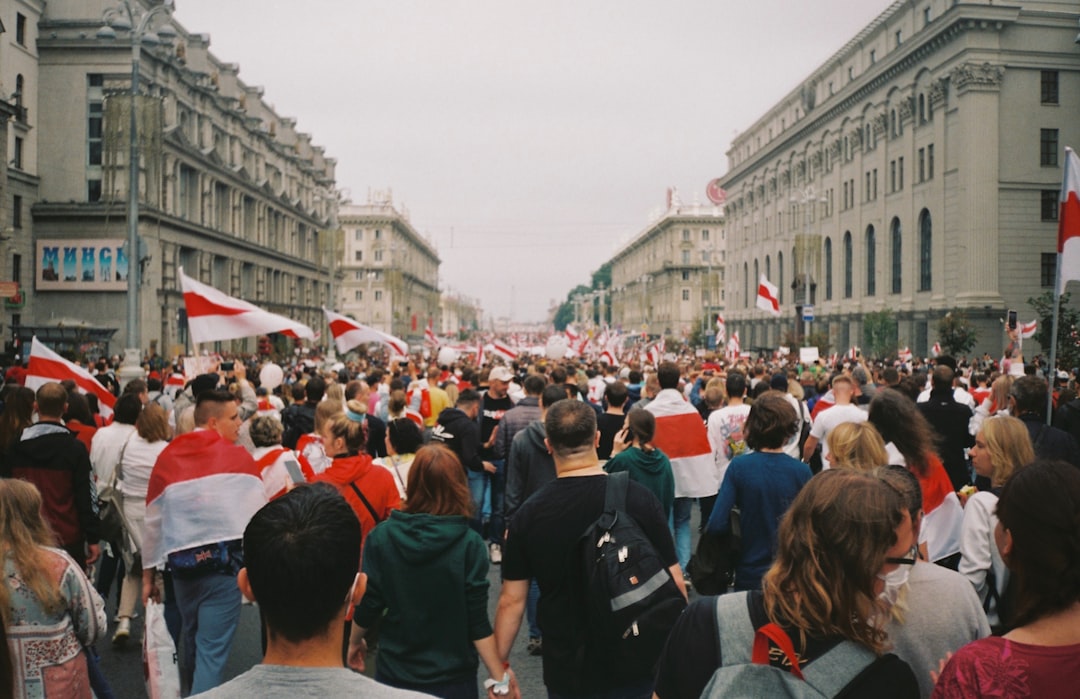
Amnesty plays a pivotal role in the pursuit of justice, particularly in post-conflict societies or nations grappling with systemic injustices. It serves as a mechanism to address the complexities of human rights violations while fostering an environment conducive to healing and reconciliation. By offering amnesty, governments and organizations can facilitate a transition from a state of conflict to one of peace, allowing societies to move forward without the burden of retribution.
This approach acknowledges the need for restorative justice, which emphasizes repairing the harm caused by criminal behavior rather than solely punishing offenders. Moreover, amnesty can help to break cycles of violence and revenge that often plague societies emerging from turmoil. When individuals feel that they can be forgiven for their past actions, it reduces the likelihood of ongoing hostilities and promotes a collective effort toward rebuilding trust within communities.
The importance of amnesty lies not only in its potential to foster peace but also in its ability to create a framework for addressing grievances and ensuring that victims’ voices are heard.
Key Takeaways
- Amnesty plays a crucial role in the pursuit of justice by offering a path to reconciliation and healing for both victims and perpetrators.
- Understanding the concept of amnesty is essential in recognizing its potential to facilitate peace and stability in post-conflict societies.
- Amnesty serves as a key component in reconciliation processes by providing a framework for addressing past grievances and promoting social cohesion.
- As a tool for healing and moving forward, amnesty offers a way for individuals and communities to break free from the cycle of violence and trauma.
- Successful examples of amnesty programs demonstrate the potential for forgiveness and accountability to coexist in the pursuit of justice and reconciliation.
Understanding the Concept of Amnesty
Amnesty is defined as a governmental act that grants forgiveness or pardon to individuals or groups for offenses committed, often in the context of political crimes or human rights violations. This legal provision can take various forms, including blanket amnesties that cover entire groups or specific amnesties targeting particular individuals. The underlying principle is to promote national reconciliation and stability by allowing former offenders to reintegrate into society without the stigma of their past actions.
The concept of amnesty is often intertwined with notions of justice and accountability. While it may seem counterintuitive to forgive those who have committed serious offenses, proponents argue that it is essential for moving forward. Amnesty can be seen as a pragmatic solution in situations where pursuing justice through traditional legal channels may be impractical or impossible due to ongoing conflict or a lack of resources.
Understanding this concept requires a nuanced appreciation of the socio-political context in which it is applied, as well as the potential benefits and drawbacks associated with its implementation.
The Role of Amnesty in Reconciliation Processes

Amnesty plays a crucial role in reconciliation processes by providing a pathway for dialogue and understanding between conflicting parties. In many cases, amnesty is part of broader peace agreements that aim to address the root causes of conflict and establish frameworks for coexistence. By offering forgiveness, societies can begin to heal from the wounds inflicted by violence and oppression, fostering an environment where former adversaries can engage in constructive conversations.
Additionally, amnesty can facilitate the establishment of truth commissions, which are instrumental in uncovering historical injustices and providing a platform for victims to share their experiences. These commissions often work hand-in-hand with amnesty provisions, as they seek to document atrocities while encouraging perpetrators to come forward and acknowledge their actions. This dual approach not only promotes accountability but also helps to create a shared narrative that can unite communities in their quest for healing.
Amnesty as a Tool for Healing and Moving Forward
| Country | Number of Amnesty Cases | Impact on Healing | Impact on Moving Forward |
|---|---|---|---|
| South Africa | Over 7,000 cases | Facilitated reconciliation and healing | Helped in the transition to democracy |
| Chile | Around 1,000 cases | Contributed to healing and closure | Promoted social and political stability |
| Rwanda | Approximately 50,000 cases | Assisted in the healing process | Supported national unity and reconciliation |
The healing process following periods of conflict or oppression is complex and multifaceted. Amnesty serves as a vital tool in this journey by allowing individuals and communities to confront their pasts without the fear of retribution. This sense of security can encourage open dialogue about grievances, fostering an atmosphere where healing can take place.
When individuals feel safe to express their pain and anger, it paves the way for collective healing and understanding. Furthermore, amnesty can empower victims by acknowledging their suffering and validating their experiences. By recognizing the injustices they have endured, societies can begin to address the underlying issues that contributed to conflict.
This acknowledgment is essential for rebuilding trust among community members and creating a shared vision for the future. Ultimately, amnesty can facilitate a transformative process that enables societies to move beyond their troubled histories and work toward a more just and equitable future.
Examples of Successful Amnesty Programs
Several countries have implemented successful amnesty programs that have contributed to peace and reconciliation. One notable example is South Africa’s Truth and Reconciliation Commission (TRC), established after the end of apartheid. The TRC offered amnesty to individuals who fully disclosed their involvement in politically motivated crimes, provided they demonstrated a commitment to truth-telling.
This approach not only allowed for the documentation of human rights violations but also fostered national healing by encouraging dialogue between victims and perpetrators. Another example is the amnesty program in Argentina following its Dirty War, during which thousands were disappeared by the military regime. The government granted amnesty to those who confessed their crimes, leading to significant revelations about state-sponsored violence.
Although controversial, this program ultimately contributed to a broader understanding of the atrocities committed during that period and laid the groundwork for ongoing efforts toward justice.
Challenges and Criticisms of Amnesty
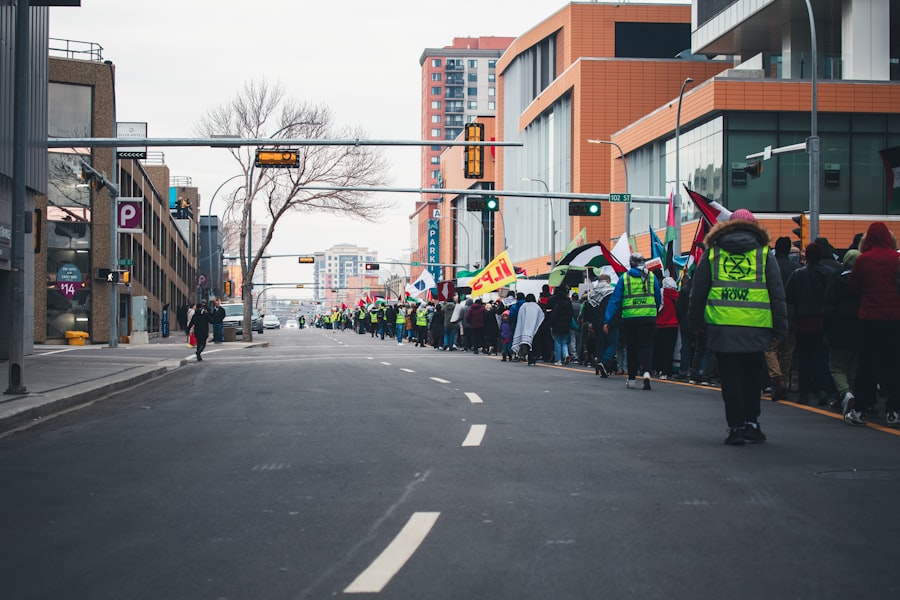
Despite its potential benefits, amnesty is not without challenges and criticisms. One significant concern is that granting amnesty may undermine accountability for serious crimes, particularly when it comes to human rights violations. Critics argue that forgiving perpetrators without holding them accountable sends a message that such actions are acceptable, potentially perpetuating cycles of violence and impunity.
Additionally, the implementation of amnesty programs can be fraught with political challenges. In many cases, powerful actors may resist efforts to establish accountability or truth-telling mechanisms, fearing repercussions for their actions. This resistance can hinder progress toward reconciliation and create divisions within society.
Furthermore, victims may feel betrayed if they perceive that justice has been denied in favor of political expediency.
Balancing Accountability and Forgiveness in Amnesty
Striking a balance between accountability and forgiveness is one of the most significant challenges associated with amnesty programs. While forgiveness is essential for healing, it must be accompanied by mechanisms that ensure accountability for serious offenses. This balance can be achieved through carefully designed frameworks that promote truth-telling while also holding perpetrators accountable for their actions.
One approach is to implement conditional amnesties that require individuals to disclose their involvement in crimes as a prerequisite for receiving forgiveness. This model encourages transparency while still allowing for reconciliation. Additionally, integrating restorative justice principles into amnesty programs can help create spaces for dialogue between victims and offenders, fostering understanding and empathy while addressing the need for accountability.
The Legal and Ethical Considerations of Amnesty
The legal and ethical implications of amnesty are complex and often contentious. Legally, amnesty must be carefully crafted to comply with international human rights standards while addressing domestic legal frameworks. This requires navigating issues such as non-derogable rights, which cannot be suspended even during times of emergency or conflict.
Ethically, the decision to grant amnesty raises questions about justice and moral responsibility. Advocates argue that forgiveness is essential for societal healing, while opponents contend that it undermines victims’ rights and perpetuates impunity. Striking an ethical balance requires engaging diverse stakeholders in discussions about justice, accountability, and reconciliation.
The Role of Truth-Telling in Amnesty Processes
Truth-telling is a fundamental component of effective amnesty processes. It provides an opportunity for victims to share their experiences while allowing perpetrators to acknowledge their actions openly.
Truth commissions often play a vital role in facilitating this process by documenting human rights violations and creating public records of atrocities committed during periods of conflict or oppression. By prioritizing truth-telling, societies can confront their pasts head-on, paving the way for reconciliation while ensuring that victims’ voices are heard.
Reintegrating Former Offenders into Society
Reintegrating former offenders into society is a critical aspect of successful amnesty programs. This process requires comprehensive support systems that address the needs of both offenders and victims. Providing access to education, employment opportunities, and mental health services can help former offenders reintegrate successfully while fostering social cohesion.
Moreover, community engagement is essential in this process. Encouraging dialogue between former offenders and community members can help dispel fears and misconceptions while promoting understanding and empathy. By creating inclusive environments where all voices are heard, societies can work toward building trust and fostering reconciliation.
The Future of Amnesty in Global Justice and Reconciliation Efforts
The future of amnesty in global justice and reconciliation efforts will likely continue to evolve as societies grapple with complex legacies of violence and oppression. As more countries confront their pasts, there will be an increasing emphasis on developing innovative approaches that balance accountability with forgiveness. Emerging trends suggest a growing recognition of the importance of victim-centered approaches that prioritize healing while ensuring accountability for serious offenses.
Additionally, advancements in technology may facilitate greater transparency in truth-telling processes, allowing for more comprehensive documentation of human rights violations. In conclusion, amnesty remains a vital tool in the pursuit of justice and reconciliation worldwide. By fostering dialogue, promoting healing, and addressing historical injustices, societies can work toward building more just futures while acknowledging the complexities inherent in these processes.
As we move forward, it will be essential to continue exploring innovative approaches that balance accountability with forgiveness while prioritizing the voices of victims in shaping our collective narratives.
Amnesty International is a global organization dedicated to fighting for human rights and advocating for justice. In a related article, The Definitive Guide to the Amazon Influencer Program for Remote Workers, we see how individuals can use their influence to bring attention to important causes, such as those championed by Amnesty. By leveraging platforms like Amazon, influencers can reach a wide audience and raise awareness for issues like freedom of speech, political prisoners, and refugee rights. This article highlights the power of social media and online platforms in amplifying the voices of those fighting for justice around the world.
FAQs
What is amnesty?
Amnesty is the act of granting a pardon or forgiveness for a past offense. It is often used in the context of a government granting amnesty to a group of people who have committed a particular type of offense.
How does amnesty work?
Amnesty typically involves the government or other authority declaring that certain individuals or groups will not be prosecuted or punished for specific offenses. This can be done through legislation, executive order, or other official means.
What are the reasons for granting amnesty?
Amnesty may be granted for a variety of reasons, including promoting reconciliation, addressing past injustices, or encouraging individuals to come forward and cooperate with authorities. It can also be used as a tool for addressing large-scale social or political issues.
What are the potential benefits of granting amnesty?
Granting amnesty can help to bring about peace and stability in a society by addressing past conflicts and grievances. It can also encourage individuals to reintegrate into society and contribute positively to their communities.
Are there any criticisms of amnesty?
Critics of amnesty argue that it can undermine the rule of law and lead to a lack of accountability for past actions. They also contend that it may not address the root causes of conflict or injustice, and could potentially reward individuals who have committed serious offenses.