Now Reading: Medicaid Cuts: Impact on Access to Healthcare
-
01
Medicaid Cuts: Impact on Access to Healthcare
Medicaid Cuts: Impact on Access to Healthcare

Medicaid, a vital public health insurance program in the United States, provides essential medical coverage to millions of low-income individuals and families. Established in 1965, it serves as a safety net for those who cannot afford private insurance, covering a wide array of services, including hospital visits, preventive care, and long-term care. However, recent legislative measures have led to significant cuts in Medicaid funding, raising concerns about the program’s sustainability and its ability to meet the needs of vulnerable populations.
These cuts are often justified by the need to reduce government spending, but they have far-reaching implications for healthcare access and quality. The ramifications of Medicaid cuts extend beyond mere financial constraints; they threaten the very fabric of healthcare accessibility for low-income individuals. As states grapple with budgetary pressures, many have opted to reduce benefits, impose stricter eligibility criteria, or even eliminate programs altogether.
This trend not only jeopardizes the health of millions but also exacerbates existing disparities in healthcare access and outcomes. Understanding the multifaceted impact of these cuts is crucial for advocating for equitable healthcare solutions.
Key Takeaways
- Medicaid cuts have a significant impact on low-income individuals, children’s healthcare, access to mental health services, and rural communities.
- People with disabilities are particularly affected by the consequences of Medicaid cuts, leading to worsened health disparities.
- Medicaid cuts can hinder access to preventive care and contribute to hospital closures, further limiting healthcare options for vulnerable populations.
- Long-term care services are also affected by Medicaid cuts, posing challenges for individuals in need of ongoing support.
- Advocacy is crucial in addressing the impact of Medicaid cuts and ensuring continued access to healthcare for those in need.
The Impact of Medicaid Cuts on Low-Income Individuals
Low-income individuals are disproportionately affected by Medicaid cuts, as they often rely on this program for their healthcare needs. With reduced funding, many states have implemented measures that limit access to essential services such as primary care, preventive screenings, and emergency services. For instance, a study conducted by the Kaiser Family Foundation revealed that states that enacted Medicaid cuts saw a significant increase in uninsured rates among low-income populations.
This loss of coverage can lead to delayed medical treatment, worsening health conditions, and increased reliance on emergency services. Moreover, the financial burden on low-income individuals intensifies as out-of-pocket costs rise due to reduced Medicaid benefits. Many individuals may find themselves unable to afford necessary medications or treatments, leading to a cycle of poor health outcomes.
The consequences of these cuts are not merely economic; they represent a profound threat to the health and well-being of some of society’s most vulnerable members.
The Effect of Medicaid Cuts on Children’s Healthcare
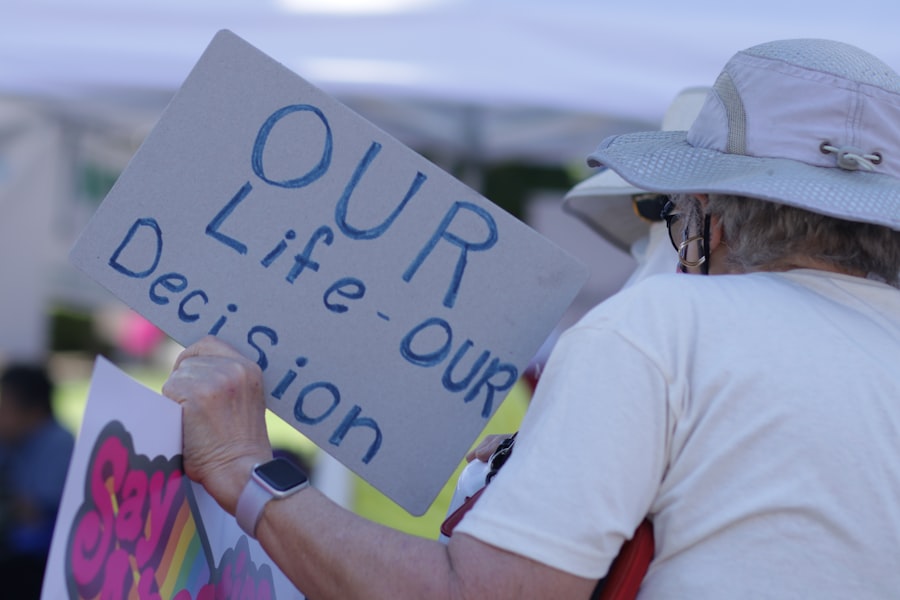
Children represent one of the most vulnerable populations affected by Medicaid cuts.
However, with funding reductions, many states have been forced to scale back these services or impose stricter eligibility requirements. The implications of these cuts are particularly concerning given that early childhood is a crucial period for physical and cognitive development. A lack of access to preventive care can lead to undiagnosed health issues that may have long-term consequences on a child’s growth and development.
For example, children who miss routine vaccinations due to Medicaid cuts are at an increased risk for preventable diseases, which can lead to outbreaks and further strain public health resources. Additionally, the psychological impact on children who experience disruptions in their healthcare can be profound, potentially leading to anxiety and other mental health issues.
How Medicaid Cuts Affect Access to Mental Health Services
| Metrics | Data |
|---|---|
| Number of Medicaid recipients affected by cuts | XXXXX |
| Percentage of Medicaid recipients with mental health issues | XX% |
| Number of mental health providers impacted | XXXX |
| Percentage of Medicaid cuts affecting mental health services | XX% |
Mental health services are another critical area impacted by Medicaid cuts. Individuals with mental health conditions often rely on Medicaid for access to therapy, medication management, and crisis intervention services. However, funding reductions have led to significant limitations in the availability and quality of these services.
Many states have reduced reimbursement rates for mental health providers or implemented stringent eligibility criteria that restrict access for those in need. The consequences of these cuts are dire; individuals with untreated mental health conditions may experience worsening symptoms, leading to increased hospitalizations or even incarceration. A report from the National Alliance on Mental Illness indicates that states with significant Medicaid cuts have seen a rise in emergency room visits related to mental health crises.
Furthermore, the stigma surrounding mental health issues can deter individuals from seeking help when services are limited or inaccessible. The intersection of Medicaid cuts and mental health care highlights the urgent need for comprehensive policy solutions that prioritize mental well-being.
The Impact of Medicaid Cuts on Rural Communities
Rural communities face unique challenges when it comes to healthcare access, and Medicaid cuts exacerbate these issues significantly. In many rural areas, healthcare facilities are already scarce, and the loss of Medicaid funding can lead to closures or reduced services at local hospitals and clinics. This situation creates a healthcare desert where residents must travel long distances to access necessary medical care.
The impact on rural populations is profound; individuals may forego essential treatments due to transportation barriers or financial constraints exacerbated by Medicaid cuts. A study published in the Journal of Rural Health found that rural residents are more likely to report unmet healthcare needs compared to their urban counterparts, particularly in areas such as preventive care and chronic disease management. The combination of limited access and increased financial strain can lead to poorer health outcomes for rural residents, further entrenching health disparities between urban and rural populations.
The Consequences of Medicaid Cuts for People with Disabilities

Individuals with disabilities often rely heavily on Medicaid for comprehensive healthcare coverage tailored to their unique needs. This program provides essential services such as personal care assistance, rehabilitation therapies, and specialized medical equipment. However, recent cuts have threatened the availability of these critical services, leaving many individuals without necessary support.
The consequences can be devastating; without adequate care, individuals with disabilities may experience deterioration in their health status or increased dependence on caregivers. A report from the American Association on Health and Disability highlights that states that have implemented Medicaid cuts have seen an increase in institutionalization rates among individuals with disabilities as community-based services become less accessible. This shift not only undermines the independence and quality of life for these individuals but also places additional burdens on families and caregivers who may struggle to provide adequate support.
The Role of Medicaid Cuts in Worsening Health Disparities
Medicaid cuts contribute significantly to widening health disparities among marginalized populations. Low-income individuals, racial and ethnic minorities, and those living in rural areas are disproportionately affected by reductions in coverage and benefits. These groups often face systemic barriers to healthcare access even under normal circumstances; thus, Medicaid cuts exacerbate existing inequities.
Research indicates that communities already experiencing high rates of chronic diseases such as diabetes and hypertension are more likely to suffer from the consequences of Medicaid cuts. Limited access to preventive care means that these conditions may go undiagnosed or untreated until they reach critical stages requiring emergency intervention. Furthermore, social determinants of health—such as education level, income stability, and housing—are intricately linked to healthcare access; when Medicaid funding is cut, these determinants become even more pronounced.
Addressing the Impact of Medicaid Cuts on Preventive Care
Preventive care is essential for maintaining overall health and reducing long-term healthcare costs; however, Medicaid cuts threaten this critical aspect of healthcare delivery. Preventive services such as screenings for cancer, diabetes management programs, and immunizations are often among the first areas targeted for budget reductions. This trend poses significant risks not only for individual patients but also for public health at large.
To mitigate these impacts, policymakers must prioritize funding for preventive services within Medicaid programs. Strategies could include expanding eligibility criteria for preventive care services or increasing reimbursement rates for providers who offer these essential services. Additionally, community outreach programs can play a vital role in educating low-income populations about available preventive resources and encouraging regular check-ups.
By investing in preventive care now, we can reduce the burden on emergency services later and improve overall population health outcomes.
The Connection Between Medicaid Cuts and Hospital Closures
The financial viability of hospitals is closely tied to Medicaid funding; thus, cuts can lead directly to hospital closures—particularly in underserved areas where hospitals rely heavily on government reimbursements. A report from the American Hospital Association indicates that hospitals serving low-income populations are at a higher risk of closure due to reduced Medicaid reimbursements. The closure of hospitals has dire consequences for communities; it limits access to emergency care and essential medical services while forcing patients to travel long distances for treatment.
This situation can lead to delays in care that exacerbate health conditions and increase mortality rates. Furthermore, hospital closures can result in job losses within the community, further straining local economies already facing challenges due to limited healthcare access.
The Impact of Medicaid Cuts on Long-Term Care Services
Long-term care services are crucial for individuals with chronic illnesses or disabilities who require ongoing assistance with daily activities. Medicaid plays a pivotal role in funding these services; however, recent cuts threaten their availability and quality. Many states have implemented restrictions on eligibility or reduced reimbursement rates for long-term care providers.
The consequences are profound; individuals may find themselves without necessary support systems or forced into institutional settings due to a lack of community-based options. A study published in Health Affairs found that states with significant Medicaid cuts experienced an increase in nursing home admissions among individuals who could otherwise remain at home with appropriate support services. This shift not only undermines individual autonomy but also places additional burdens on families who may struggle to provide adequate care without external support.
Advocating for Access to Healthcare Despite Medicaid Cuts
In conclusion, the impact of Medicaid cuts reverberates throughout society, affecting low-income individuals, children, rural communities, people with disabilities, and those requiring mental health services. As we navigate this complex landscape, it is imperative that advocates work tirelessly to ensure equitable access to healthcare for all individuals—regardless of their socioeconomic status or geographic location. Addressing the challenges posed by Medicaid cuts requires comprehensive policy solutions that prioritize funding for essential services while promoting preventive care initiatives.
By advocating for equitable healthcare access and supporting community-based programs, we can work towards mitigating the adverse effects of these cuts and fostering a healthier society overall. In summary, while Medicaid cuts present significant challenges across various demographics and healthcare sectors, proactive advocacy and policy reform can help ensure that vulnerable populations continue to receive the care they need.
There has been much debate surrounding the proposed Medicaid cuts in recent news. According to a recent article on Boogger, these cuts could have a significant impact on low-income individuals and families who rely on Medicaid for their healthcare needs. The potential consequences of these cuts are concerning, as they could result in reduced access to essential medical services for those who need it most. It is crucial for policymakers to carefully consider the implications of these cuts before making any decisions that could negatively affect vulnerable populations.
FAQs
What are Medicaid cuts?
Medicaid cuts refer to reductions in funding or benefits for the Medicaid program, which provides healthcare coverage to low-income individuals and families in the United States.
Why are Medicaid cuts being considered?
Medicaid cuts may be considered as a way to reduce government spending, address budget deficits, or make changes to the healthcare system.
How do Medicaid cuts impact individuals and families?
Medicaid cuts can result in reduced access to healthcare services, higher out-of-pocket costs for beneficiaries, and potential loss of coverage for some individuals and families.
What are the potential consequences of Medicaid cuts?
Potential consequences of Medicaid cuts may include increased financial strain on low-income individuals, limited access to necessary medical care, and potential negative impacts on public health outcomes.
Are there alternatives to Medicaid cuts?
Alternatives to Medicaid cuts may include finding efficiencies within the program, exploring other sources of revenue, or implementing reforms to improve the effectiveness of the Medicaid program.