
Now Reading: Revitalizing the Local Mall: A New Vision for Community Shopping
-
01
Revitalizing the Local Mall: A New Vision for Community Shopping
Revitalizing the Local Mall: A New Vision for Community Shopping

The traditional shopping mall, once a bustling hub of consumer activity, has experienced a significant decline over the past two decades. This downturn can be attributed to various factors, including the rise of e-commerce, changing consumer preferences, and economic fluctuations. As online shopping platforms like Amazon and eBay have gained traction, many consumers have opted for the convenience of purchasing goods from the comfort of their homes.
This shift has led to a decrease in foot traffic in malls, resulting in numerous store closures and a general sense of desolation in what were once vibrant retail environments. Moreover, the economic landscape has shifted dramatically, with many consumers prioritizing experiences over material goods. The millennial and Gen Z generations, in particular, have shown a preference for spending on travel, dining, and entertainment rather than traditional retail purchases.
This change in consumer behavior has forced mall operators to rethink their strategies and adapt to the evolving market dynamics. As a result, many malls are now struggling to maintain relevance in an increasingly digital world.
Key Takeaways
- Traditional malls are declining due to changing consumer preferences and the rise of online shopping.
- Community shopping is important for creating a sense of belonging and supporting local businesses.
- The mall experience is being redefined to focus on creating a more engaging and interactive environment.
- Embracing local businesses helps to support the local economy and create a unique shopping experience.
- Creating a welcoming and inclusive space is essential for attracting a diverse range of customers and fostering a sense of community.
The Importance of Community Shopping
Community shopping plays a crucial role in fostering local economies and enhancing social connections among residents. Unlike large retail chains that often prioritize profit margins over community engagement, local businesses contribute to the unique character of neighborhoods. They create jobs, support local artisans, and reinvest profits back into the community, thereby stimulating economic growth.
Furthermore, community shopping encourages residents to support one another, fostering a sense of belonging and pride in their locality. Additionally, community shopping promotes sustainable practices by reducing the carbon footprint associated with long-distance shipping and transportation. When consumers choose to shop locally, they are not only supporting their neighbors but also minimizing environmental impact.
This conscious decision-making can lead to healthier communities and a more robust local economy. As such, the importance of community shopping cannot be overstated; it is essential for nurturing relationships and ensuring the vitality of local economies.
Redefining the Mall Experience
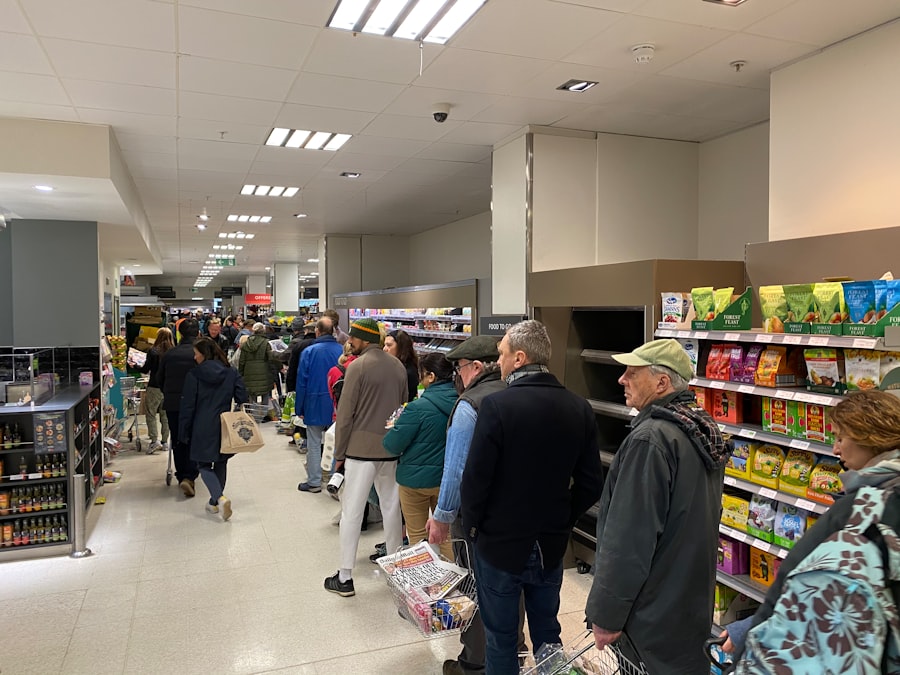
To combat the decline of traditional malls, it is imperative to redefine the mall experience. This transformation involves creating spaces that prioritize customer engagement and interaction rather than mere transactions. Malls can evolve into multifunctional environments that blend retail with leisure, offering visitors a diverse range of activities beyond shopping.
By incorporating elements such as art installations, pop-up shops, and interactive displays, malls can create an immersive experience that captivates consumers. Furthermore, reimagining the mall layout can enhance foot traffic and encourage exploration. Open-concept designs that facilitate movement and social interaction can foster a sense of community among shoppers.
By integrating communal spaces such as lounges, gardens, and event areas, malls can become destinations where people gather to socialize and connect. This shift from a purely transactional space to a vibrant community hub is essential for revitalizing the mall experience.
Embracing Local Businesses
| Local Businesses | Metrics |
|---|---|
| Number of local businesses supported | 100 |
| Percentage of revenue from local businesses | 30% |
| Jobs created by local businesses | 50 |
Embracing local businesses within mall environments is a strategic approach to reinvigorating traditional retail spaces. By providing opportunities for small businesses to thrive alongside larger retailers, malls can create a diverse shopping landscape that appeals to a broader audience. Local artisans and entrepreneurs often bring unique products and services that cannot be found in mainstream stores, attracting consumers seeking authenticity and originality.
Moreover, featuring local businesses fosters collaboration and innovation within the community. Malls can host events that showcase local talent, such as craft fairs or food festivals, allowing small businesses to gain exposure while enriching the overall shopping experience. This symbiotic relationship not only benefits individual entrepreneurs but also enhances the mall’s reputation as a supporter of local culture and creativity.
Creating a Welcoming and Inclusive Space
Creating a welcoming and inclusive space is paramount for attracting diverse demographics to shopping malls. This involves designing environments that cater to individuals of all ages, backgrounds, and abilities. Accessibility features such as ramps, elevators, and sensory-friendly spaces should be prioritized to ensure that everyone can enjoy the mall experience without barriers.
Additionally, fostering inclusivity extends beyond physical design; it encompasses creating an atmosphere where all individuals feel valued and respected. Malls can achieve this by hosting events that celebrate cultural diversity and promote social awareness. By actively engaging with various communities and addressing their needs, malls can cultivate an environment that resonates with a wide range of shoppers.
Incorporating Entertainment and Events
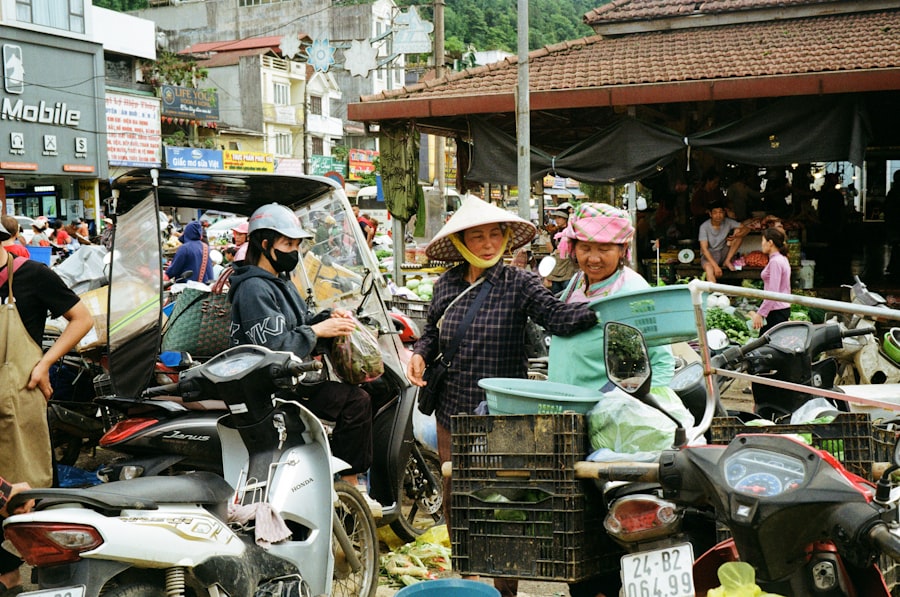
Incorporating entertainment and events into the mall experience is an effective strategy for attracting visitors and enhancing foot traffic. Malls can host live performances, art exhibitions, movie screenings, and seasonal festivals that draw crowds and create memorable experiences for shoppers. These events not only provide entertainment but also encourage social interaction among attendees.
Moreover, partnering with local artists and performers can enrich the cultural fabric of the mall while supporting the creative community. By offering a platform for talent to showcase their work, malls can position themselves as cultural hubs that celebrate creativity and innovation.
Focusing on Sustainability and Green Practices
As environmental concerns continue to rise, focusing on sustainability and green practices has become increasingly important for modern shopping centers. Malls can implement eco-friendly initiatives such as energy-efficient lighting, waste reduction programs, and sustainable landscaping to minimize their environmental impact. By prioritizing sustainability, malls can appeal to environmentally conscious consumers who value responsible practices.
Additionally, promoting sustainable products within retail spaces can further enhance this commitment to environmental stewardship. Malls can collaborate with retailers that prioritize ethical sourcing and eco-friendly materials, providing shoppers with options that align with their values. By positioning themselves as leaders in sustainability, malls can attract a growing demographic of consumers who prioritize eco-conscious choices.
Engaging with the Local Community
Engaging with the local community is essential for fostering loyalty among shoppers and ensuring long-term success for malls. Establishing partnerships with local organizations, schools, and nonprofits can create opportunities for collaboration on community initiatives and events. By actively participating in local causes and supporting charitable efforts, malls can demonstrate their commitment to social responsibility.
Furthermore, soliciting feedback from community members can provide valuable insights into their needs and preferences. Malls can conduct surveys or host focus groups to gather input on potential improvements or new offerings. By involving the community in decision-making processes, malls can build trust and strengthen relationships with their customers.
Leveraging Technology for a Modern Shopping Experience
In today’s digital age, leveraging technology is crucial for enhancing the shopping experience within malls. Integrating mobile apps that provide real-time information about store promotions, events, and navigation can streamline the shopping process for consumers. Additionally, implementing contactless payment options and virtual reality experiences can create a seamless blend of online convenience with in-person engagement.
Moreover, utilizing data analytics can help mall operators understand consumer behavior patterns and preferences better.
This data-driven approach allows for more effective marketing strategies and personalized experiences that resonate with consumers.
Collaborating with Local Organizations and Nonprofits
Collaborating with local organizations and nonprofits is an effective way for malls to strengthen their ties within the community while contributing positively to social causes. By partnering with charities or advocacy groups, malls can host fundraising events or awareness campaigns that align with their values. This collaboration not only benefits local organizations but also enhances the mall’s reputation as a socially responsible entity.
Furthermore, these partnerships can provide opportunities for community engagement through volunteer programs or educational workshops hosted within mall spaces. By creating platforms for dialogue around important issues or causes, malls can position themselves as advocates for positive change while fostering connections among shoppers.
The Future of Community Shopping: A Blueprint for Success
The future of community shopping lies in embracing innovation while remaining rooted in local values. A successful blueprint for revitalizing traditional malls involves creating dynamic spaces that prioritize customer engagement through diverse offerings such as entertainment, local businesses, sustainability initiatives, inclusivity efforts, technology integration, and community collaboration. By reimagining the mall experience as a multifaceted destination rather than just a retail space, operators can attract a wider audience while fostering loyalty among existing customers.
As consumer preferences continue to evolve towards experiences over products alone, malls must adapt accordingly to remain relevant in an ever-changing landscape. In summary, the decline of traditional malls presents both challenges and opportunities for reinvention within community shopping environments. By focusing on creating welcoming spaces that embrace local businesses while incorporating entertainment options and sustainable practices—malls have the potential not only to survive but thrive in this new era of retailing.
If you’re looking for a fun way to spend your federal holidays, consider heading to the mall for some shopping and entertainment. Check out this article on June’s Federal Holidays: A Guide to National Observances to see which days you have off work and can enjoy a day at the mall. And while you’re there, why not listen to some music on Amazon Music Unlimited? Learn more about this service featuring Dolby Atmos in this article on Amazon Music Unlimited Featuring Dolby Atmos. Enjoy your time at the mall with some great tunes from Amazon Music – discover more about this music streaming service in this article on Discover Amazon Music.
FAQs
What is a mall?
A mall is a large shopping center that typically includes a variety of stores, restaurants, and entertainment options all under one roof.
What are the common features of a mall?
Common features of a mall include department stores, specialty shops, food courts, movie theaters, and sometimes even indoor amusement parks or arcades.
What are the benefits of shopping at a mall?
Shopping at a mall offers the convenience of having a wide range of stores and services in one location, as well as the opportunity for entertainment and dining options.
How are malls typically laid out?
Malls are often laid out in a large, enclosed space with multiple levels, and are designed to provide easy access to different stores and amenities.
What are some popular malls around the world?
Some popular malls around the world include the Mall of America in the United States, West Edmonton Mall in Canada, and the Dubai Mall in the United Arab Emirates.


