
Now Reading: Discover the Charm of Bulgaria: A Hidden Gem in Eastern Europe
-
01
Discover the Charm of Bulgaria: A Hidden Gem in Eastern Europe
Discover the Charm of Bulgaria: A Hidden Gem in Eastern Europe

Nestled in the heart of the Balkan Peninsula, Bulgaria is a country that boasts a rich tapestry of history, culture, and natural beauty. With its diverse landscapes ranging from the majestic peaks of the Rila Mountains to the serene shores of the Black Sea, Bulgaria offers a unique blend of experiences for travelers. The nation is steeped in ancient traditions and modern influences, making it a fascinating destination for those seeking to explore its multifaceted identity.
As one of the oldest countries in Europe, Bulgaria’s heritage is reflected in its architecture, folklore, and culinary practices, inviting visitors to delve into its storied past. Bulgaria’s strategic location has made it a crossroads of civilizations throughout history.
Today, Bulgaria stands as a testament to resilience and adaptability, with a population that embraces both its historical roots and contemporary advancements. As travelers embark on their journey through this enchanting land, they will discover not only breathtaking scenery but also the warmth and hospitality of its people.
Key Takeaways
- Bulgaria is a country with a rich history, natural beauty, unique architecture, vibrant culture, and warm hospitality.
- The history of Bulgaria dates back to ancient times, with influences from the Thracians, Romans, Byzantines, and Ottomans shaping the country’s heritage.
- Bulgaria is home to stunning natural landscapes, including the majestic Rila Mountains, the beautiful Black Sea coast, and the picturesque Rhodope Mountains.
- Bulgarian cuisine is a delightful mix of flavors, with dishes like banitsa, kebapche, and shopska salad showcasing the country’s culinary delights.
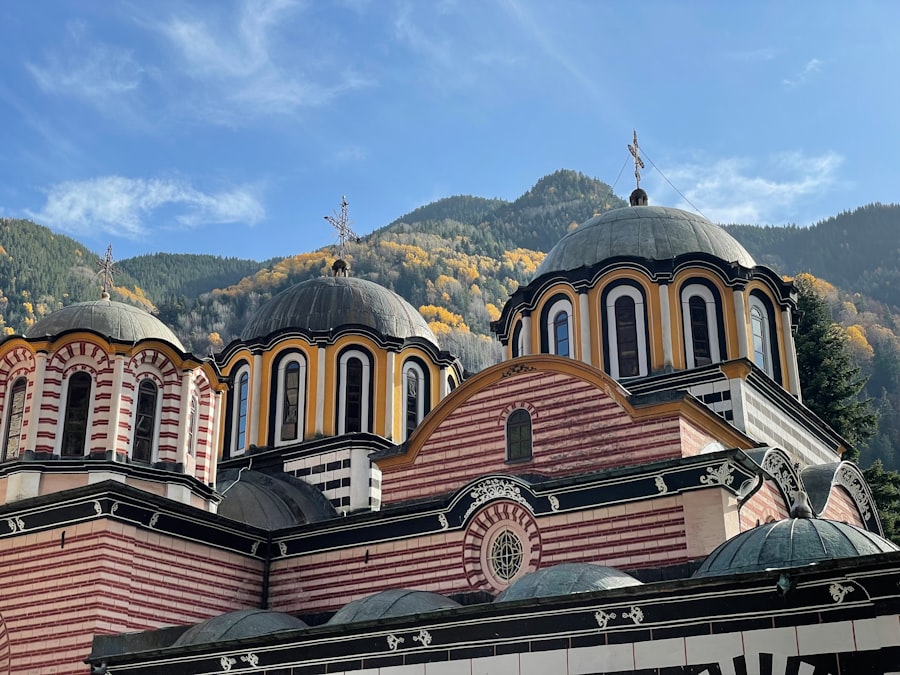
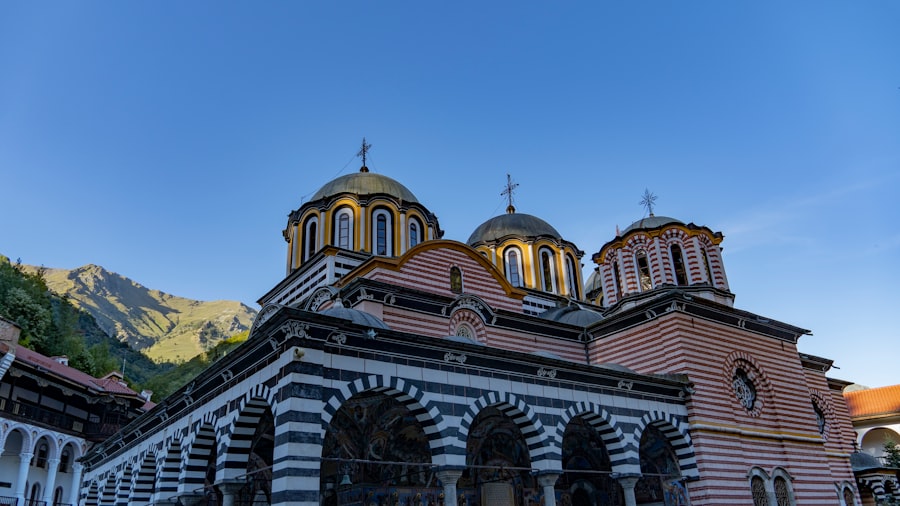
- Exploring Bulgaria’s unique architecture reveals a blend of influences from Byzantine, Ottoman, and Revival Period, with stunning examples like the Rila Monastery and the Plovdiv Roman Theatre.
The Rich History of Bulgaria
Bulgaria’s history is a captivating narrative that spans over 1,300 years, beginning with the establishment of the First Bulgarian Empire in 681 AD. This early state was founded by Khan Asparuh and marked the beginning of a powerful Slavic presence in the region. The empire flourished under the rule of Tsar Simeon I during the 9th and 10th centuries, becoming a center of culture and learning.
The introduction of the Cyrillic alphabet by Saints Cyril and Methodius during this period laid the foundation for literacy and education in Slavic nations. The subsequent centuries saw Bulgaria navigate through periods of prosperity and turmoil, including invasions by the Byzantine Empire and later Ottoman domination. The Ottoman rule lasted for nearly five centuries, profoundly influencing Bulgarian culture, language, and social structures.
The struggle for independence culminated in the Liberation War of 1877-1878, leading to the establishment of modern Bulgaria. This historical backdrop provides a rich context for understanding the nation’s identity today, as remnants of its past can be seen in its architecture, traditions, and national pride.
The Natural Beauty of Bulgaria
Bulgaria is renowned for its stunning natural landscapes that range from rugged mountains to tranquil beaches. The Rila Mountains, home to the highest peak in the Balkans, Musala (2,925 meters), offer breathtaking views and a plethora of hiking trails for outdoor enthusiasts. The Seven Rila Lakes, a group of glacial lakes nestled in this mountain range, are a popular destination for both tourists and locals alike, showcasing nature’s artistry in their crystal-clear waters.
In contrast to its mountainous terrain, Bulgaria’s coastline along the Black Sea features picturesque beaches and charming seaside resorts. The coastal town of Nessebar, a UNESCO World Heritage site, is famous for its well-preserved medieval architecture and vibrant atmosphere. Additionally, Bulgaria’s diverse ecosystems include national parks such as Pirin and Central Balkan, which are home to rare flora and fauna.
These natural wonders not only provide recreational opportunities but also serve as vital habitats for wildlife conservation.
Bulgarian Cuisine and Culinary Delights
| Dish | Ingredients | Preparation |
|---|---|---|
| Shopska Salad | Tomatoes, cucumbers, onions, peppers, feta cheese | Chop vegetables, add cheese, drizzle with olive oil |
| Banitsa | Phyllo dough, eggs, feta cheese | Layer dough and filling, bake until golden brown |
| Kavarma | Pork or chicken, peppers, tomatoes, onions | Sauté meat and vegetables, simmer in a clay pot |
| Tarator | Cucumbers, yogurt, dill, garlic, walnuts | Mix ingredients, chill, serve cold |
Bulgarian cuisine is a delightful fusion of flavors influenced by various cultures throughout history. Traditional dishes often feature fresh ingredients such as vegetables, dairy products, and meats, reflecting the agricultural heritage of the country. One of the most iconic dishes is “banitsa,” a savory pastry filled with cheese and eggs, often enjoyed as a breakfast staple.
Another beloved dish is “sarmi,” cabbage rolls stuffed with minced meat and rice, showcasing the hearty nature of Bulgarian cooking. The culinary experience in Bulgaria is further enriched by its diverse array of dairy products, particularly yogurt. Bulgarian yogurt is renowned for its unique taste and health benefits due to the presence of beneficial bacteria known as Lactobacillus bulgaricus.
This probiotic-rich food has gained international acclaim and is often considered a staple in Bulgarian households. Additionally, local wines produced from indigenous grape varieties such as Mavrud and Melnik offer a delightful complement to traditional meals.
Exploring the Unique Architecture of Bulgaria
Bulgaria’s architectural landscape is a captivating blend of styles that reflect its historical evolution. From ancient Thracian tombs to Byzantine churches and Ottoman mosques, each structure tells a story of cultural exchange and artistic expression. The capital city of Sofia features notable landmarks such as the Alexander Nevsky Cathedral, an impressive example of Neo-Byzantine architecture adorned with golden domes.
In addition to religious structures, Bulgaria is home to numerous fortresses and castles that date back to medieval times. The Belogradchik Rocks, a natural rock formation that houses an ancient fortress, exemplifies the harmonious relationship between nature and architecture. Furthermore, traditional Bulgarian houses characterized by their wooden beams and stone foundations can be found in villages like Koprivshtitsa and Arbanasi, preserving the essence of rural life.
The Vibrant Culture and Traditions of Bulgaria
Bulgarian culture is deeply rooted in folklore and traditions that have been passed down through generations. One of the most significant aspects of Bulgarian culture is its rich tapestry of folk music and dance. Traditional instruments such as the gaida (bagpipe) and kaval (flute) accompany lively dances like the horo, which often bring communities together during celebrations and festivals.
The celebration of various cultural events throughout the year showcases Bulgaria’s vibrant heritage. One such event is Baba Marta Day on March 1st, where people exchange red-and-white yarn bracelets called “martenitsi” as symbols of health and prosperity. Additionally, the Nestinarstvo fire-dancing ritual practiced in certain regions highlights the spiritual connection between nature and tradition.
These customs not only foster a sense of community but also serve as a reminder of Bulgaria’s unique identity.
Bulgaria’s Thriving Arts and Music Scene
The arts scene in Bulgaria is flourishing, with a rich history that encompasses literature, visual arts, theater, and music. Renowned figures such as poet Hristo Botev and painter Vladimir Dimitrov have left an indelible mark on Bulgarian culture. Contemporary artists continue to draw inspiration from their heritage while exploring modern themes through various mediums.
Music plays a pivotal role in Bulgarian culture, with traditional folk music gaining international recognition for its unique rhythms and harmonies. The Bulgarian State Television Female Vocal Choir has garnered acclaim for its ethereal sound and has performed worldwide. Additionally, contemporary genres such as pop-folk have emerged, blending traditional elements with modern influences to create a dynamic music scene that resonates with younger generations.
Outdoor Activities and Adventure in Bulgaria
For adventure enthusiasts, Bulgaria offers an abundance of outdoor activities that cater to various interests. The country’s diverse terrain provides opportunities for hiking, skiing, rock climbing, and water sports. The Vitosha Mountain near Sofia is a popular destination for hiking during the summer months and skiing in winter.
The picturesque rivers and lakes also present excellent conditions for kayaking, fishing, and swimming. The Iskar River is particularly favored for rafting adventures that allow participants to experience Bulgaria’s stunning landscapes from a different perspective. For those seeking adrenaline-pumping experiences, paragliding over the Rila Mountains or mountain biking through scenic trails can provide unforgettable memories.
Bulgaria’s Charming Small Towns and Villages
Beyond its bustling cities lies a treasure trove of charming small towns and villages that offer an authentic glimpse into Bulgarian life. Places like Veliko Tarnovo are steeped in history with their medieval fortresses and cobblestone streets lined with traditional houses. This town served as the capital during the Second Bulgarian Empire and remains a cultural hub today.
Other picturesque villages such as Bansko are known for their stunning mountain scenery and rich folklore traditions. Visitors can immerse themselves in local customs while enjoying traditional crafts like pottery or weaving. Exploring these quaint towns allows travelers to connect with locals and experience the warmth of Bulgarian hospitality firsthand.
The Warm Hospitality of the Bulgarian People
One of Bulgaria’s most endearing qualities is the warmth and hospitality extended by its people. Bulgarians take pride in their traditions and are eager to share their culture with visitors. Whether it’s inviting guests into their homes for a meal or offering guidance on local attractions, the genuine kindness displayed by locals creates an inviting atmosphere.
This sense of community is particularly evident during festivals when families come together to celebrate their heritage through music, dance, and culinary delights. Engaging with locals not only enriches the travel experience but also fosters meaningful connections that transcend cultural boundaries.
Practical Tips for Traveling to Bulgaria
Traveling to Bulgaria can be an enriching experience with proper planning. Visitors should consider obtaining travel insurance to cover any unforeseen circumstances during their trip. The best time to visit varies depending on interests; summer months are ideal for beachgoers while winter attracts ski enthusiasts.
Public transportation options are readily available in major cities; however, renting a car can provide greater flexibility for exploring rural areas. Currency used is the Bulgarian Lev (BGN), so travelers should familiarize themselves with exchange rates before arrival. Language may pose a challenge as English proficiency varies; learning basic Bulgarian phrases can enhance interactions with locals.
Lastly, respecting cultural customs—such as greeting with a nod or offering gifts when invited into homes—will foster goodwill during your stay. In summary, Bulgaria is a captivating destination that offers an intricate blend of history, natural beauty, culinary delights, unique architecture, vibrant culture, thriving arts scene, outdoor adventures, charming towns, warm hospitality, and practical travel tips for visitors seeking an unforgettable experience in this Balkan gem.
If you are planning a trip to Bulgaria, it is important to consider car insurance coverage. A comprehensive guide to car insurance in 2025 can provide you with valuable tips and tricks to ensure you are adequately protected while driving in Bulgaria. Additionally, knowing the federal holidays in Bulgaria can help you plan your trip accordingly. Check out this article on federal holidays 2023 for a guide to national celebrations in Bulgaria.


