
Now Reading: Exploring Port au Prince: A Vibrant City of Culture and History
-
01
Exploring Port au Prince: A Vibrant City of Culture and History
Exploring Port au Prince: A Vibrant City of Culture and History

Port au Prince, the capital city of Haiti, is a vibrant metropolis that serves as the political, economic, and cultural heart of the nation. Nestled in a picturesque bay surrounded by lush mountains, this bustling city is a melting pot of history, culture, and resilience. With a population exceeding 1 million residents, Port au Prince is not only the largest city in Haiti but also a significant hub for commerce and tourism in the Caribbean.
The city’s unique blend of urban life and natural beauty makes it an intriguing destination for travelers seeking to explore the rich tapestry of Haitian life. The city has faced numerous challenges over the years, including natural disasters and socio-political upheaval. However, the spirit of its people remains unbroken, and their determination to rebuild and thrive is evident in every corner of the city.
From its colorful streets to its lively markets, Port au Prince offers visitors an authentic experience that reflects the resilience and creativity of its inhabitants. This article will delve into the rich history, cultural heritage, culinary delights, and vibrant arts scene that define Port au Prince, providing a comprehensive guide for those looking to explore this dynamic city.
Key Takeaways
- Port au Prince is the capital and largest city of Haiti, known for its vibrant culture and rich history.
- The city has a rich history, with influences from French, African, and indigenous Taíno cultures.
- Port au Prince is home to a diverse cultural heritage, including traditional music, dance, and religious practices.
- The city has a vibrant art scene, with many local artists creating unique and colorful works of art.
- Port au Prince offers a unique cuisine, with a blend of French, African, and Caribbean flavors.
The Rich History of Port au Prince
The history of Port au Prince is deeply intertwined with the broader narrative of Haiti itself. Founded in 1749 by the French as a port for sugar and coffee exports, the city quickly grew in importance due to its strategic location. The name “Port au Prince,” which translates to “Port of the Prince,” reflects its colonial roots and connection to French nobility.
The city became a focal point during the Haitian Revolution (1791-1804), a pivotal moment in history when enslaved Africans rose against their colonial oppressors, ultimately leading to Haiti’s independence as the first black republic in the world. Throughout the 19th and 20th centuries, Port au Prince experienced significant political turmoil, including coups, dictatorships, and foreign interventions. The Duvalier regime, particularly under François “Papa Doc” Duvalier and his son Jean-Claude “Baby Doc” Duvalier, left an indelible mark on the city’s landscape and psyche.
Despite these challenges, Port au Prince has continually evolved, with its rich history serving as a foundation for its current identity. The resilience of its people is reflected in their ability to adapt and thrive amidst adversity.
Exploring the Cultural Heritage of Port au Prince
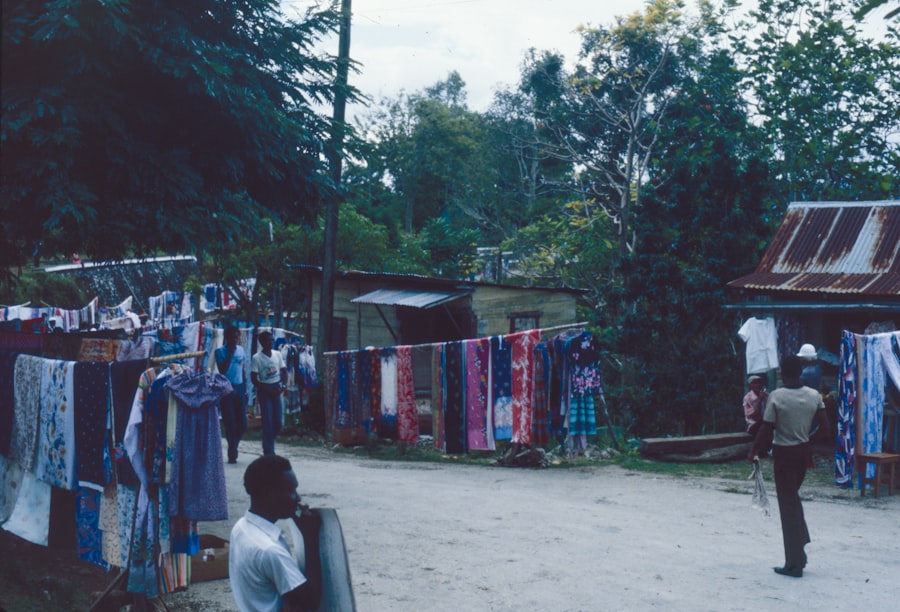
Cultural heritage in Port au Prince is a vibrant tapestry woven from African, French, Spanish, and indigenous Taíno influences. This rich blend is evident in various aspects of daily life, from language to religious practices. Haitian Creole, a language derived from French with African influences, is widely spoken among residents and serves as a vital component of national identity.
The cultural practices of Vodou, often misunderstood outside Haiti, play a significant role in the spiritual lives of many Haitians, blending African traditions with Catholicism. Festivals are an integral part of life in Port au Prince, showcasing the city’s cultural diversity. Events such as Carnival attract thousands of participants and spectators each year, featuring colorful parades, traditional music, and elaborate costumes.
These celebrations not only honor historical events but also serve as a platform for artistic expression and community solidarity. Visitors to Port au Prince can immerse themselves in this cultural richness by attending local festivals or visiting cultural institutions that celebrate Haiti’s heritage.
The Vibrant Art Scene in Port au Prince
| Artists | Galleries | Art Schools | Art Festivals |
|---|---|---|---|
| Over 500 | 30+ | 5 | 3 |
Port au Prince boasts a dynamic art scene that reflects the creativity and resilience of its people. The city is home to numerous galleries and art studios where local artists showcase their work, often inspired by Haiti’s history, culture, and social issues. The use of vibrant colors and bold imagery characterizes much of Haitian art, making it instantly recognizable.
Artists like Hector Hyppolite and Préfète Duffaut have gained international acclaim for their unique styles that capture the essence of Haitian life. Street art is another prominent feature of Port au Prince’s artistic landscape. Murals adorn buildings throughout the city, often conveying powerful messages about social justice, identity, and hope.
These public artworks not only beautify urban spaces but also serve as a form of activism, giving voice to community concerns. Visitors can explore neighborhoods like Bel Air and Pétion-Ville to discover these captivating murals and engage with local artists who are passionate about their craft.
The Unique Cuisine of Port au Prince
Haitian cuisine is a delightful fusion of flavors influenced by African, French, Spanish, and indigenous culinary traditions. In Port au Prince, food is more than sustenance; it is an integral part of social gatherings and cultural identity. One of the most popular dishes is “griot,” marinated pork that is fried until crispy and served with “pikliz,” a spicy pickled vegetable relish.
Another staple is “djon djon,” a black mushroom rice dish that showcases the unique flavors of Haitian ingredients. Street food vendors are ubiquitous throughout Port au Prince, offering an array of delicious options for those looking to sample local fare. From “tassot” (fried beef) to “akra” (fried malanga fritters), these culinary delights provide an authentic taste of Haitian culture.
Dining in local restaurants allows visitors to experience traditional meals while engaging with the community. Food plays a vital role in bringing people together, making it an essential aspect of any visit to Port au Prince.
Must-See Landmarks and Monuments in Port au Prince
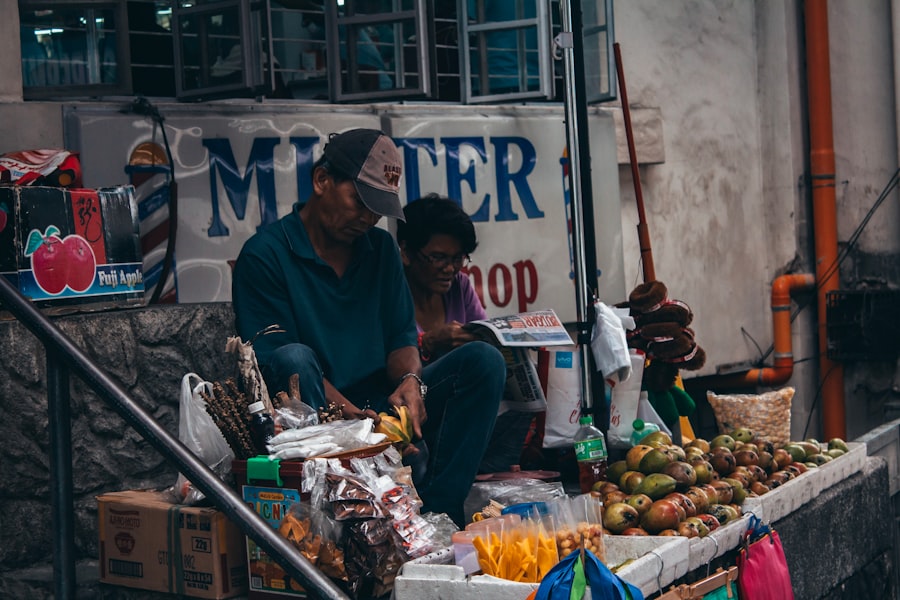
Port au Prince is home to several landmarks that reflect its rich history and cultural significance. One such site is the Iron Market (Marché en Fer), an iconic structure that has become a symbol of resilience following its destruction during the 2010 earthquake. The market has been rebuilt and continues to be a bustling hub for commerce where visitors can find everything from fresh produce to handmade crafts.
Another notable landmark is the National Palace (Palais National), which served as the official residence of Haitian presidents until it was severely damaged during the earthquake. Although currently under reconstruction, its historical significance remains palpable. Additionally, the Cathedral of Our Lady of the Assumption stands as a testament to Haiti’s colonial past and architectural heritage.
Visitors can explore these sites while learning about their historical context through guided tours or informational plaques.
Exploring the Markets and Street Life of Port au Prince
The markets of Port au Prince are vibrant ecosystems teeming with life and activity. Vendors sell an array of goods ranging from fresh fruits and vegetables to handmade crafts and textiles. The bustling atmosphere is filled with sounds of bargaining voices and laughter as locals engage in daily commerce.
Markets such as Marché de Fer are not only places for shopping but also social hubs where community members gather to exchange news and stories. Street life in Port au Prince is equally dynamic, with street performers showcasing their talents in music and dance while vendors offer delicious snacks like “fritay” (fried street food). Exploring these lively streets provides visitors with an authentic glimpse into daily life in Haiti.
Engaging with locals can lead to meaningful interactions that enrich one’s understanding of Haitian culture and community values.
Port au Prince’s Music and Dance Scene
Music is an essential aspect of life in Port au Prince, reflecting the diverse cultural influences that shape Haitian identity. Genres such as Kompa and Rara are particularly popular; Kompa is characterized by its rhythmic beats and melodic tunes often played at celebrations and parties. Rara music features lively brass instruments and percussion, typically performed during festivals like Easter.
Dance accompanies music in various forms throughout the city. Traditional dances often tell stories or celebrate historical events while contemporary dance forms have emerged as expressions of modern Haitian culture. Visitors can experience this vibrant music scene by attending live performances at local venues or participating in dance workshops that celebrate traditional Haitian styles.
Getting to Know the People of Port au Prince
The people of Port au Prince are known for their warmth and hospitality, welcoming visitors with open arms despite the challenges they face daily. Engaging with locals provides invaluable insights into their lives, traditions, and aspirations. Many residents take pride in sharing their stories, whether through conversations at markets or during community events.
Community organizations play a vital role in fostering connections among residents while promoting social development initiatives. Visitors interested in understanding Haitian culture can participate in volunteer programs or community projects that aim to uplift local communities while building meaningful relationships with residents.
Exploring the Natural Beauty Surrounding Port au Prince
Beyond its urban landscape, Port au Prince is surrounded by stunning natural beauty that beckons exploration. The nearby mountains offer breathtaking views and opportunities for hiking or picnicking amidst lush greenery. The Parc de la Canne à Sucre provides a serene escape from city life where visitors can enjoy nature trails while observing local flora and fauna.
The coastline along the Bay of Port-au-Prince features beautiful beaches where visitors can relax or engage in water activities such as snorkeling or kayaking.
Tips for Traveling and Exploring Port au Prince
Traveling to Port au Prince requires some preparation to ensure a safe and enjoyable experience. It is advisable to stay informed about local conditions by checking travel advisories before your trip. Engaging with reputable tour operators can enhance your experience while providing insights into cultural norms.
When exploring the city, it’s essential to remain aware of your surroundings and practice common safety precautions such as avoiding displaying valuables openly or venturing into unfamiliar areas alone after dark. Learning basic phrases in Haitian Creole can also enhance interactions with locals while demonstrating respect for their culture. In conclusion, Port au Prince is a city rich in history, culture, art, cuisine, and natural beauty that offers visitors an authentic experience unlike any other.
From exploring its vibrant markets to engaging with its resilient people, every aspect contributes to a deeper understanding of Haiti’s unique identity. Whether you are drawn by its historical significance or captivated by its artistic expressions, Port au Prince promises an unforgettable journey into the heart of this remarkable nation.
If you are looking to experience the magic of Christmas in a unique way, consider visiting Port-au-Prince, Haiti. This vibrant city is known for its colorful Christmas celebrations and lively atmosphere. In a related article, you can read about the cozy tradition of Yule Log and how it is celebrated around the world here. Immerse yourself in the holiday spirit by exploring the beautiful Christmas Tree Lane in Port-au-Prince and witness the stunning displays of lights and decorations.


