Now Reading: Creating a Cozy Home: Tips for a Warm and Inviting Space
-
01
Creating a Cozy Home: Tips for a Warm and Inviting Space
Creating a Cozy Home: Tips for a Warm and Inviting Space
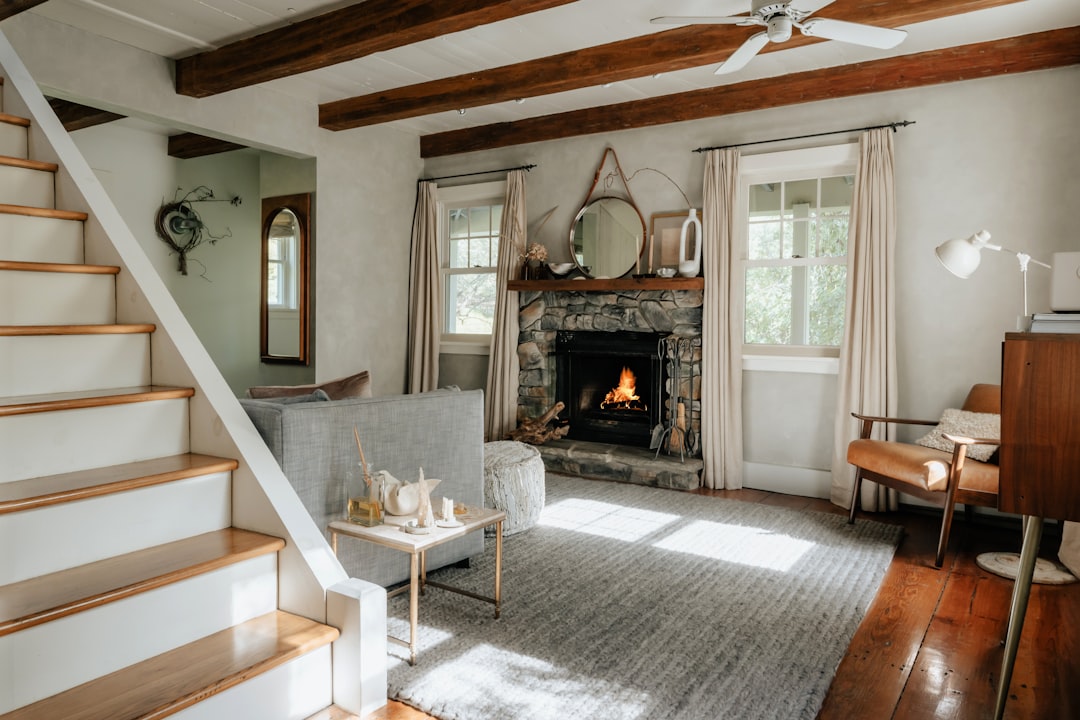
A cozy home serves as a sanctuary, a refuge from the chaos of the outside world. It is a space where individuals can unwind, recharge, and feel a sense of belonging. The importance of creating a warm and inviting atmosphere cannot be overstated; it significantly impacts mental well-being and overall happiness.
A cozy environment fosters relaxation, encourages social interactions, and enhances productivity. In an age where stress and anxiety are prevalent, cultivating a home that exudes comfort and warmth is essential for emotional health. The concept of coziness transcends mere aesthetics; it encompasses feelings of safety, warmth, and contentment.
A well-designed cozy home can evoke nostalgia, remind us of cherished memories, and create an inviting ambiance for family and friends. By focusing on various elements such as color schemes, textures, lighting, and personal touches, one can transform any living space into a haven of comfort. This article will explore the multifaceted aspects of creating a cozy home, providing practical tips and insights to help you achieve that desired atmosphere.
Key Takeaways
- A cozy home is important for creating a comfortable and inviting atmosphere for relaxation and enjoyment.
- Choosing warm and inviting colors such as earth tones and soft pastels can help create a cozy ambiance in a home.
- Adding soft textures and fabrics like plush rugs, fluffy pillows, and cozy blankets can enhance the comfort and warmth of a space.
- Incorporating warm lighting through the use of lamps, candles, and string lights can create a cozy and inviting atmosphere.
- Creating a relaxing reading nook with a comfortable chair, soft lighting, and a selection of books can provide a cozy space for unwinding.
Choosing Warm and Inviting Colors
Color plays a pivotal role in setting the mood of any space. Warm hues such as soft reds, earthy browns, and gentle yellows can evoke feelings of warmth and comfort. These colors stimulate the senses and create an inviting atmosphere that encourages relaxation.
When selecting a color palette for your home, consider using shades that resonate with your personal style while also promoting a sense of tranquility. Incorporating accent walls or decorative elements in these warm tones can enhance the overall aesthetic. For instance, a deep burgundy wall in the living room can serve as a focal point, drawing attention while simultaneously providing warmth.
Additionally, pairing these colors with neutral tones can create balance and prevent overwhelming the senses.
Adding Soft Textures and Fabrics
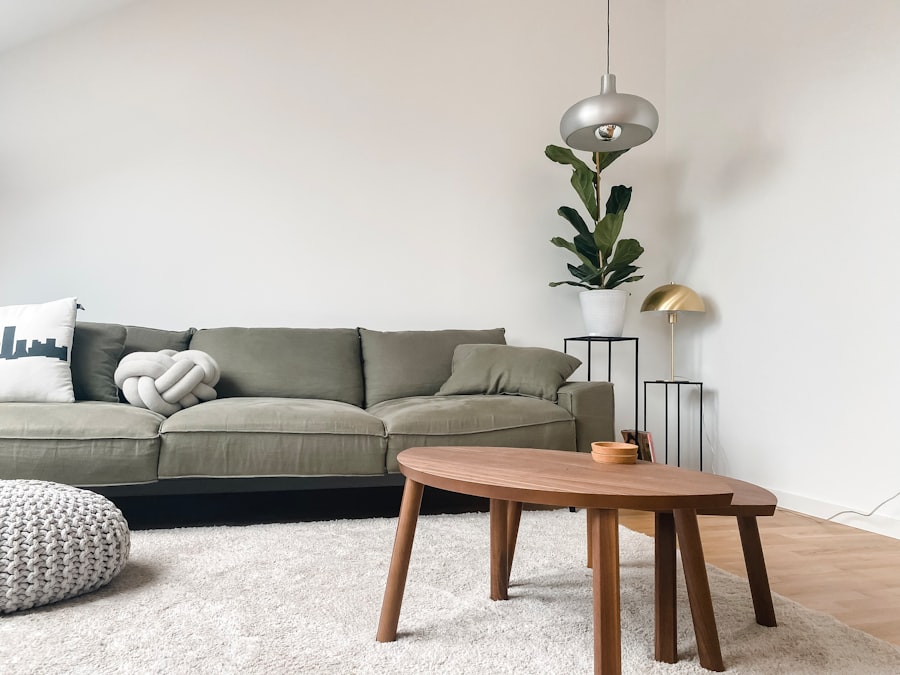
Textures are crucial in creating a cozy environment. Soft fabrics such as plush throws, velvety cushions, and fluffy rugs can add layers of comfort to any room. These tactile elements invite touch and create an atmosphere that feels inviting and warm.
When selecting textiles, opt for materials that are not only visually appealing but also provide comfort against the skin. Layering different textures can enhance the coziness of your space. For example, combining a chunky knit blanket with smooth silk cushions can create an interesting visual contrast while maintaining a warm ambiance.
Additionally, incorporating various fabric types—such as cotton, wool, and linen—can add depth to your decor. Consider using textured curtains to soften window spaces or adding a shaggy area rug to anchor seating areas, making them feel more intimate.
Incorporating Warm Lighting
| Metrics | Data |
|---|---|
| Energy Consumption | Reduced by 15% |
| Employee Productivity | Increased by 10% |
| Customer Satisfaction | Improved by 20% |
Lighting is one of the most critical elements in establishing a cozy atmosphere. Harsh overhead lights can create an unwelcoming environment, while soft, warm lighting can transform a space into a haven of relaxation. Consider using multiple light sources to create layers of illumination throughout your home.
Table lamps, floor lamps, and wall sconces can provide ambient lighting that enhances the overall mood. Dimmable lights are an excellent option for achieving versatility in your lighting scheme. They allow you to adjust the brightness according to the time of day or activity, whether it’s hosting guests or enjoying a quiet evening alone.
Additionally, incorporating candles—both scented and unscented—can add warmth and charm to any room. The flickering glow of candlelight creates an intimate setting that encourages relaxation and connection.
Creating a Relaxing Reading Nook
A dedicated reading nook can serve as an oasis within your home—a space where you can escape into the pages of a good book while enveloped in comfort. To create this inviting corner, select a cozy chair or chaise lounge that beckons you to sit down and unwind. Pair it with a small side table to hold your favorite reads or a steaming cup of tea.
Consider adding shelves filled with books to enhance the ambiance further. Surrounding yourself with literature not only adds character but also encourages you to spend more time in this tranquil space. Soft lighting is essential here; a stylish floor lamp or wall-mounted reading light can provide adequate illumination without being harsh on the eyes.
Finally, don’t forget to include soft blankets or cushions to make your reading nook even more inviting.
Using Scented Candles and Essential Oils

A cozy home is not just about visual aesthetics; it also involves engaging the senses through scent. Scented candles and essential oils can significantly enhance the atmosphere by creating an olfactory experience that promotes relaxation and comfort. Choose fragrances that evoke feelings of warmth—think vanilla, cinnamon, or sandalwood.
Essential oils can be used in diffusers or added to bathwater for an immersive experience. Lavender is known for its calming properties, while citrus scents can invigorate the mind. When selecting candles or oils, opt for natural ingredients to ensure a clean burn and avoid harmful chemicals that may detract from your cozy environment.
The right scent can transport you to a place of tranquility, making your home feel even more inviting.
Arranging Comfortable Seating Areas
The arrangement of furniture plays a crucial role in creating comfortable seating areas that encourage conversation and relaxation. Consider grouping chairs and sofas in a way that promotes interaction; this could mean positioning them around a coffee table or facing each other to facilitate dialogue. Avoid placing furniture against walls; instead, create intimate clusters that invite people to gather.
Incorporating ottomans or poufs can provide additional seating options while enhancing comfort levels. These versatile pieces can be moved around easily and used for propping up feet or as makeshift tables for snacks and drinks. Additionally, ensure that seating options are cushioned adequately; plush upholstery can make all the difference in how inviting your space feels.
Personalizing with Photos and Artwork
Personal touches are essential in making a house feel like a home. Displaying photographs of loved ones or cherished memories can evoke feelings of nostalgia and warmth. Create a gallery wall featuring framed pictures alongside artwork that resonates with your personality or interests.
This not only adds character but also serves as a conversation starter when hosting guests. Consider using various frame styles and sizes to create visual interest on your walls. Incorporating art pieces—whether they are paintings, prints, or sculptures—can further enhance the coziness of your space by reflecting your unique taste.
Personalization transforms your home into a sanctuary filled with memories and stories that resonate with you.
Bringing Nature Indoors with Plants and Flowers
Integrating elements of nature into your home can significantly enhance its coziness factor. Houseplants not only purify the air but also add life and vibrancy to any room. Choose low-maintenance plants such as succulents or snake plants if you’re new to gardening; they thrive in various conditions and require minimal care.
Incorporating fresh flowers into your decor can also elevate the ambiance by adding color and fragrance. A simple vase filled with seasonal blooms can brighten up any space while providing a sense of tranquility. Consider placing plants near windows where they can receive adequate sunlight or creating a small indoor garden in less conventional spaces like shelves or corners.
Organizing and Decluttering for a Cozy Space
A cluttered environment can lead to feelings of stress and anxiety; therefore, organizing your space is crucial for achieving coziness. Begin by decluttering each room systematically—remove items that no longer serve a purpose or bring joy into your life. This process not only creates physical space but also promotes mental clarity.
Investing in storage solutions such as baskets, bins, or shelving units can help maintain organization while adding aesthetic appeal to your decor. Ensure that everything has its designated place; this will make it easier to keep your home tidy over time. A well-organized space fosters relaxation by allowing you to focus on what truly matters—enjoying your cozy haven.
Embracing Hygge: The Danish Art of Coziness
Hygge (pronounced “hoo-gah”) is a Danish concept that embodies coziness, comfort, and contentment in everyday life. Embracing hygge involves creating an environment that promotes well-being through simple pleasures—think warm blankets, good food, and quality time spent with loved ones. This philosophy encourages individuals to slow down and appreciate the little things that bring joy.
To incorporate hygge into your home, focus on creating spaces that invite relaxation and connection. This could mean hosting intimate gatherings with friends over candlelit dinners or enjoying quiet evenings wrapped in blankets while sipping hot cocoa. The essence of hygge lies in fostering connections—both with yourself and those around you—while cultivating an atmosphere that feels safe and nurturing.
In summary, creating a cozy home involves thoughtful consideration of various elements such as color schemes, textures, lighting, personal touches, and organization. By focusing on these aspects, you can transform your living space into an inviting sanctuary that promotes relaxation and well-being. Embracing concepts like hygge further enhances this experience by encouraging mindfulness and appreciation for life’s simple pleasures.
Ultimately, a cozy home is not just about aesthetics; it is about fostering an environment where you feel safe, comfortable, and truly at ease.
If you’re looking to spruce up your home this holiday season, you may want to check out this article on federal holidays and dates to remember. It can help you plan your home improvement projects around long weekends and holidays when you may have extra time off work. Whether you’re thinking about updating your decor, tackling a DIY project, or organizing your space, having a few extra days off can make a big difference.
FAQs
What are some common home maintenance tasks?
Some common home maintenance tasks include cleaning gutters, checking for leaks and water damage, testing smoke and carbon monoxide detectors, changing air filters, and inspecting the HVAC system.
How often should I clean my home?
It is recommended to clean your home on a regular basis, such as weekly or bi-weekly, to maintain a clean and healthy living environment.
What are some energy-saving tips for the home?
Some energy-saving tips for the home include using energy-efficient appliances, sealing air leaks, installing a programmable thermostat, using LED light bulbs, and properly insulating the home.
How can I improve the security of my home?
Improving the security of your home can be done by installing deadbolt locks, using a security system, installing outdoor lighting, and keeping shrubs and trees trimmed to eliminate hiding spots for potential intruders.
What are some common home safety hazards to be aware of?
Common home safety hazards include tripping hazards, electrical hazards, fire hazards, carbon monoxide exposure, and potential poisoning from household chemicals. Regular maintenance and awareness can help mitigate these risks.