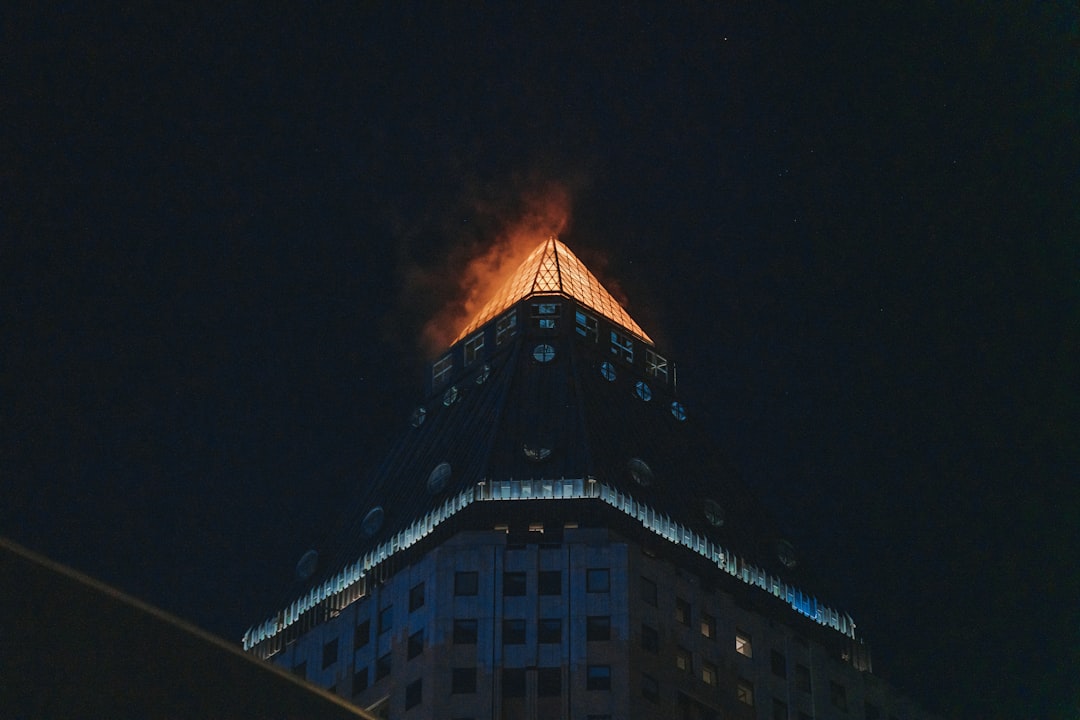
Now Reading: The Legacy of the Ronald Reagan Building
-
01
The Legacy of the Ronald Reagan Building
The Legacy of the Ronald Reagan Building
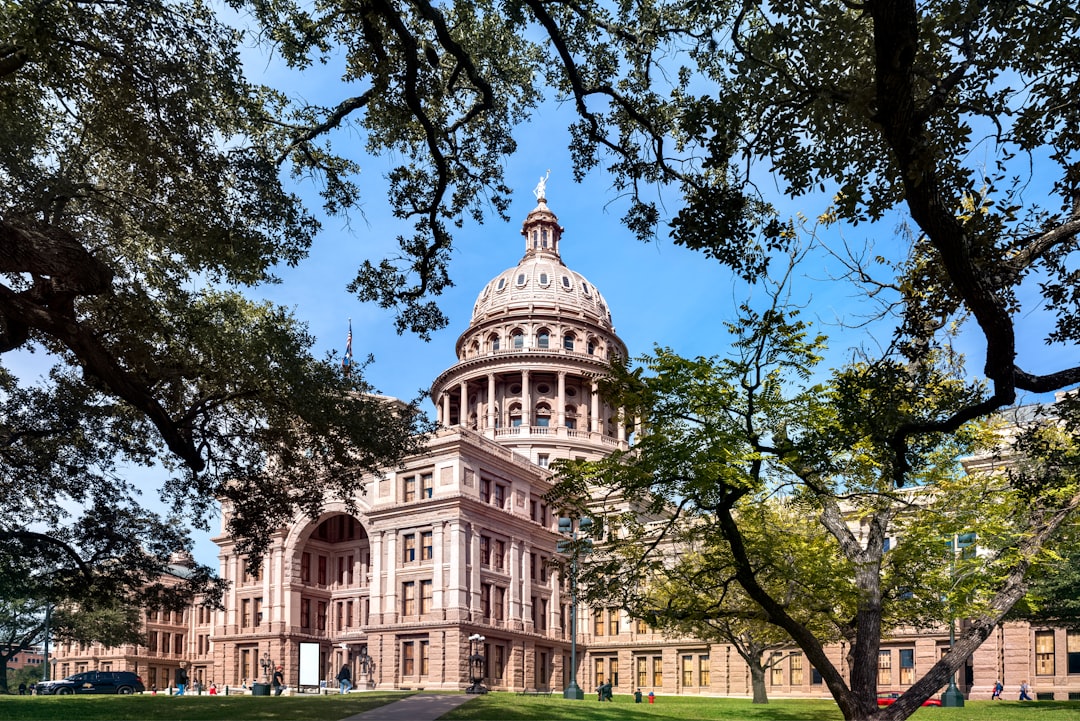
The Ronald Reagan Building and International Trade Center, located in the heart of Washington, D.C., was conceived as a tribute to the 40th President of the United States, Ronald Reagan. The vision behind this monumental structure was to create a space that not only honors Reagan’s legacy but also serves as a hub for international diplomacy and trade. The building was designed to embody the principles of openness, collaboration, and innovation that characterized Reagan’s presidency.
It stands as a testament to the belief that diplomacy can foster peace and prosperity among nations. The vision for the building extended beyond mere architecture; it aimed to create a vibrant environment where global leaders could convene, share ideas, and forge partnerships. The Ronald Reagan Building was intended to be a symbol of American resilience and leadership on the world stage.
Its strategic location near key government institutions and international organizations underscores its role as a focal point for diplomatic engagement and economic collaboration.
Key Takeaways
- The Ronald Reagan Building was envisioned as a symbol of American strength and leadership in the world.
- The building’s design and architecture reflect the grandeur and power of the United States, with its imposing structure and classical elements.
- The building serves as a hub for diplomatic activities, hosting international events and fostering relationships with foreign governments.
- The Ronald Reagan Building has had a positive impact on the surrounding community, contributing to economic growth and development.
- The legacy of Ronald Reagan continues to influence the building’s mission and activities, promoting American values and ideals on the global stage.
The Design and Architecture of the Building
The architectural design of the Ronald Reagan Building is a striking blend of modernity and classical elements, reflecting both the historical significance of its location and the forward-thinking ethos of its namesake. Designed by the renowned architectural firm Pei Cobb Freed & Partners, the building features a distinctive glass façade that allows natural light to flood its expansive interior spaces. This design choice not only enhances the aesthetic appeal but also promotes an atmosphere of transparency and openness.
The building encompasses over 3 million square feet, making it one of the largest government buildings in the United States. Its layout includes a variety of spaces, such as conference rooms, exhibition halls, and offices, all designed to facilitate collaboration among diverse stakeholders. The grand atrium, with its soaring ceilings and elegant design, serves as a central gathering place for events and exhibitions, further emphasizing the building’s role as a hub for international dialogue.
The Role of the Building in Diplomacy and International Relations
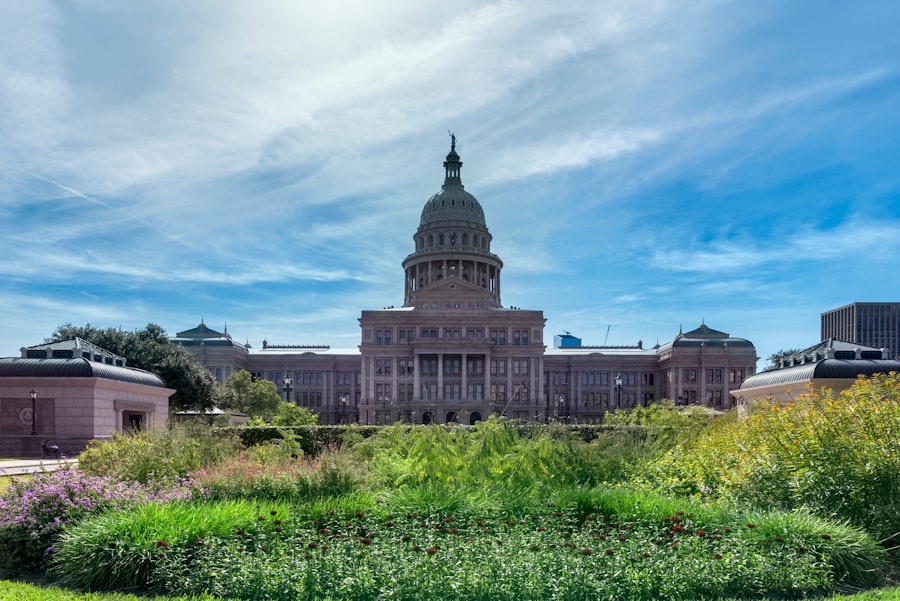
Since its opening in 1998, the Ronald Reagan Building has played a pivotal role in fostering international relations and diplomacy. It serves as a venue for high-level meetings, conferences, and summits that bring together leaders from around the globe. The building’s facilities are equipped with state-of-the-art technology, enabling seamless communication and collaboration among participants.
The building has hosted numerous significant events, including trade negotiations, diplomatic discussions, and cultural exchanges. By providing a neutral ground for dialogue, it has contributed to resolving conflicts and promoting mutual understanding among nations. The presence of various international organizations within its walls further enhances its status as a center for global diplomacy.
The Impact of the Building on the Surrounding Community
| Metrics | Data |
|---|---|
| Increased Property Value | 500,000 |
| Job Creation | 100 new jobs |
| Community Engagement | 200 volunteer hours |
| Environmental Impact | 20% reduction in energy consumption |
The Ronald Reagan Building has had a profound impact on the surrounding community in Washington, D.Its construction revitalized an area that had previously been underutilized, transforming it into a vibrant hub for commerce and culture. The building attracts thousands of visitors each year, contributing to local businesses and tourism. Moreover, the building hosts various community events and programs aimed at engaging residents and fostering a sense of belonging.
These initiatives include educational workshops, cultural festivals, and public exhibitions that celebrate diversity and promote civic engagement. By serving as a bridge between international diplomacy and local communities, the Ronald Reagan Building has become an integral part of the fabric of Washington, D.C.
The Legacy of Ronald Reagan and its Influence on the Building
Ronald Reagan’s legacy is deeply intertwined with the identity of the building that bears his name. Known for his optimistic vision for America and his commitment to democratic values, Reagan’s principles are reflected in the building’s mission to promote international cooperation and understanding. The design elements and programming within the building often pay homage to his ideals of freedom, democracy, and economic opportunity.
The Ronald Reagan Building serves as a reminder of Reagan’s belief in the power of diplomacy to effect positive change in the world. Through its various initiatives and events, the building continues to honor his legacy by fostering dialogue among nations and promoting American values on a global scale.
The Economic and Business Impact of the Building
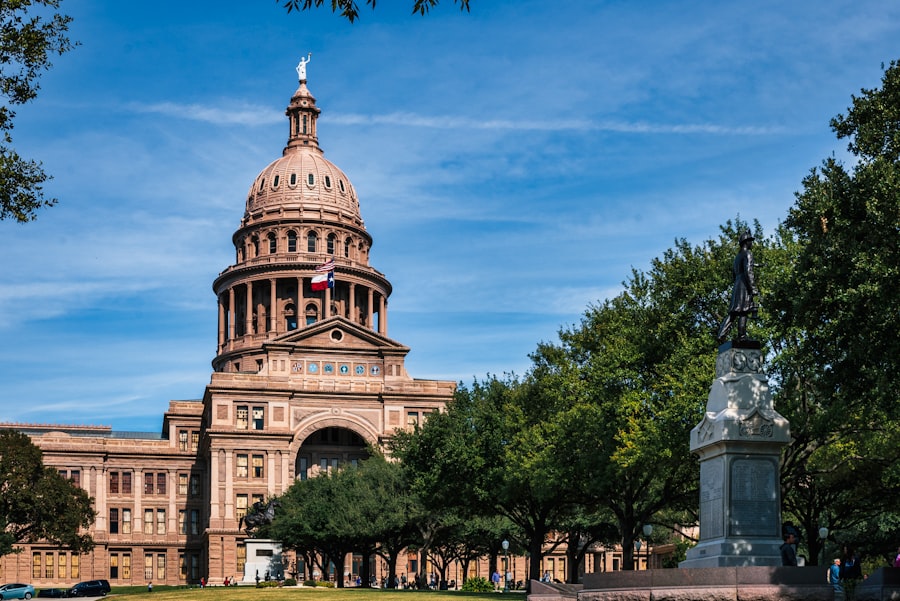
The economic impact of the Ronald Reagan Building extends far beyond its physical structure. As a center for international trade and commerce, it plays a crucial role in facilitating business relationships between American companies and their global counterparts. The building hosts trade shows, business conferences, and networking events that connect entrepreneurs with potential partners from around the world.
Additionally, the presence of various government agencies and international organizations within the building creates opportunities for collaboration on economic initiatives. This synergy fosters innovation and drives economic growth in both local and national contexts. The building’s ability to attract high-profile events also contributes significantly to Washington, D.C.’s economy by generating revenue through tourism and hospitality services.
The Cultural and Educational Programs Hosted at the Building
In addition to its role in diplomacy and commerce, the Ronald Reagan Building is committed to promoting cultural exchange and education. It hosts a wide range of programs designed to engage diverse audiences and foster understanding among different cultures. These initiatives include art exhibitions, performances, lectures, and workshops that highlight global issues and celebrate cultural diversity.
The building’s educational programs often focus on themes related to international relations, trade policy, and civic engagement. By providing access to expert speakers and interactive learning experiences, these programs empower individuals to become informed global citizens. The Ronald Reagan Building thus serves as a platform for dialogue that transcends borders and encourages collaboration among people from various backgrounds.
The Environmental Sustainability of the Building
The Ronald Reagan Building is not only an architectural marvel but also a model of environmental sustainability. Designed with eco-friendly principles in mind, it incorporates various features aimed at reducing its ecological footprint. The building utilizes energy-efficient systems for heating, cooling, and lighting, significantly lowering its energy consumption compared to traditional structures.
Additionally, sustainable materials were used in its construction, reflecting a commitment to minimizing environmental impact. The building’s landscaping includes native plants that require less water and maintenance while enhancing biodiversity in urban settings. By prioritizing sustainability, the Ronald Reagan Building sets an example for future developments in Washington, D.C., demonstrating that modern architecture can harmonize with environmental stewardship.
The Role of the Building in Promoting American Values and Ideals
The Ronald Reagan Building serves as a beacon for American values such as democracy, freedom, and opportunity. Through its programming and initiatives, it actively promotes these ideals both domestically and internationally. By hosting events that celebrate democratic principles and human rights, the building reinforces America’s commitment to fostering global cooperation based on mutual respect.
By engaging diverse voices in these conversations, it encourages collaborative solutions that reflect American values while addressing challenges faced by communities worldwide.
The Future of the Ronald Reagan Building
Looking ahead, the future of the Ronald Reagan Building appears promising as it continues to adapt to changing global dynamics. As international relations evolve in response to emerging challenges such as technological advancements and geopolitical shifts, the building remains committed to facilitating dialogue among nations. Plans for future programming include expanding educational initiatives that address contemporary issues affecting global communities.
Additionally, efforts will be made to enhance partnerships with local organizations to further engage residents in meaningful ways. By remaining responsive to societal needs while honoring its foundational mission, the Ronald Reagan Building is poised to remain relevant in an ever-changing world.
The Global Significance of the Ronald Reagan Building
The global significance of the Ronald Reagan Building cannot be overstated. As a prominent venue for international diplomacy and trade, it plays an essential role in shaping global discourse on critical issues affecting humanity. Its strategic location in Washington, D.C., positions it at the center of political power and decision-making processes that impact nations worldwide.
Furthermore, by embodying American ideals while fostering cross-cultural understanding through its programs, the building contributes to strengthening relationships between countries.
In summary, the Ronald Reagan Building stands as an enduring symbol of diplomacy, cultural exchange, economic collaboration, environmental sustainability, and American values.
Its multifaceted role within both local communities and international arenas highlights its significance as a center for fostering understanding among diverse cultures while honoring the legacy of one of America’s most influential presidents. As it continues to evolve with changing times while remaining true to its mission—promoting dialogue across borders—the Ronald Reagan Building will undoubtedly leave an indelible mark on future generations seeking connection amidst complexity in our interconnected world.
The Ronald Reagan Building in Washington D.C. is a prominent landmark that hosts a variety of events and conferences. One related article worth mentioning is about Amazon job locations, which discusses the company’s expansion and the impact it has on various cities across the country. To read more about job opportunities at Amazon and their locations, check out this article.
FAQs
What is the Ronald Reagan Building?
The Ronald Reagan Building and International Trade Center is a federal building located in Washington, D.C. It is the largest building in the city and serves as both a government office building and a conference center.
When was the Ronald Reagan Building built?
The construction of the Ronald Reagan Building began in 1990 and was completed in 1998. It was named after the 40th President of the United States, Ronald Reagan.
What is the purpose of the Ronald Reagan Building?
The building serves as a federal office building for various government agencies, as well as a venue for conferences, trade shows, and other events. It also houses a variety of retail shops and restaurants.
How big is the Ronald Reagan Building?
The Ronald Reagan Building is the largest building in Washington, D.C., with over 3.1 million square feet of space. It is also the first and only federal building dedicated to both government and private use.
Is the Ronald Reagan Building open to the public?
Yes, the Ronald Reagan Building is open to the public. Visitors can explore the building’s public spaces, including the Woodrow Wilson Plaza, and attend events and exhibitions held in the conference center.