Now Reading: Tragedy Strikes Oakland: Deadly Fire Claims Lives
-
01
Tragedy Strikes Oakland: Deadly Fire Claims Lives
Tragedy Strikes Oakland: Deadly Fire Claims Lives
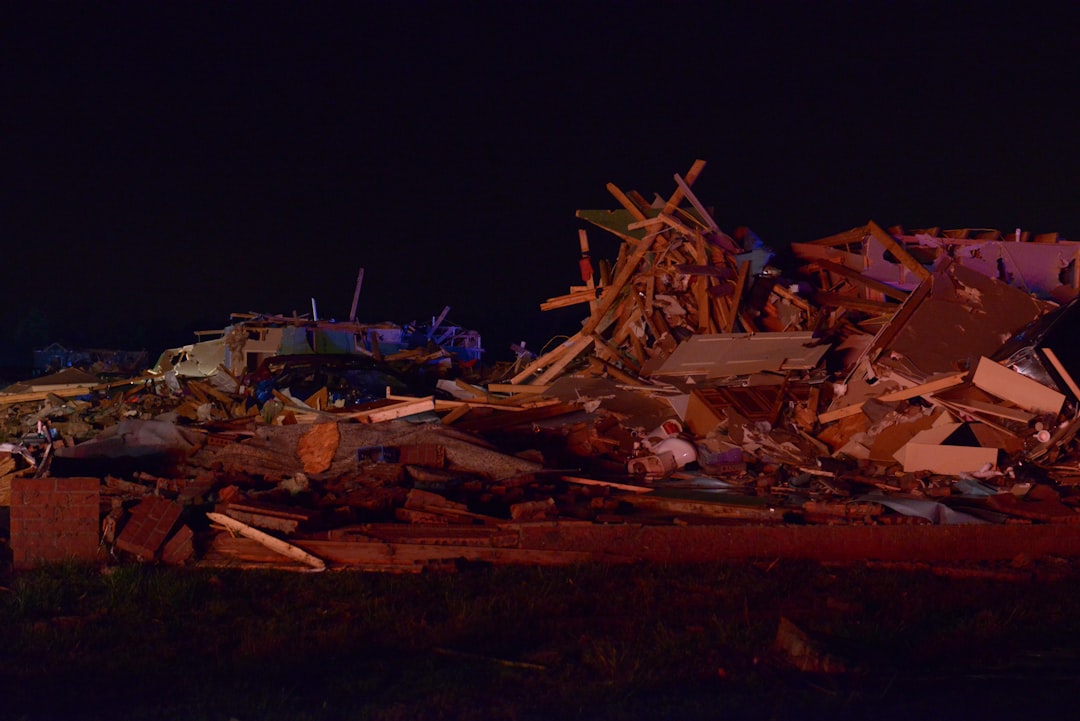
In the early hours of a fateful morning, a catastrophic fire erupted in a densely populated urban area, engulfing several buildings and leaving a trail of destruction in its wake. The flames, fueled by a combination of flammable materials and strong winds, spread rapidly, creating an inferno that was nearly impossible to contain. Firefighters arrived on the scene to find towering flames licking the sky, thick plumes of smoke billowing into the atmosphere, and the desperate cries of those trapped within the burning structures.
The sheer intensity of the blaze was unprecedented, with temperatures soaring to over 1,500 degrees Fahrenheit, making it one of the most devastating fires in recent history. The fire’s rapid escalation caught many residents off guard, leading to chaos and panic as people scrambled to escape. Emergency alarms blared, and the sound of sirens filled the air as first responders rushed to the scene.
The devastation was not limited to physical structures; it also shattered the sense of safety and security that residents had long taken for granted. As the flames were finally extinguished after hours of relentless effort, the community was left to grapple with the aftermath of this tragic event.
Key Takeaways
- The devastating fire caused widespread destruction and loss of life in the community.
- Victims and survivors are dealing with the trauma and loss of their loved ones and belongings.
- The impact on the community is profound, with many people left homeless and in need of support.
- Emergency services responded quickly and worked tirelessly to contain the fire and rescue survivors.
- The investigation into the cause of the fire is ongoing, with a focus on preventing future tragedies.
Victims and Survivors
The human toll of the fire was staggering, with numerous casualties reported and many more individuals suffering from severe injuries. Among the victims were families who had lived in the affected buildings for generations, their lives irrevocably altered in a matter of minutes. Survivors emerged from the wreckage, some with singed clothing and smoke inhalation injuries, while others bore emotional scars that would take much longer to heal.
In the days following the fire, local hospitals were inundated with patients suffering from burns and respiratory issues. Medical professionals worked tirelessly to provide care, employing advanced treatments such as skin grafts for burn victims and oxygen therapy for those affected by smoke inhalation.
Support groups were established to help survivors process their experiences and begin the healing journey together. The resilience displayed by these individuals in the face of unimaginable loss served as a testament to the human spirit’s capacity to endure.
Impact on the Community
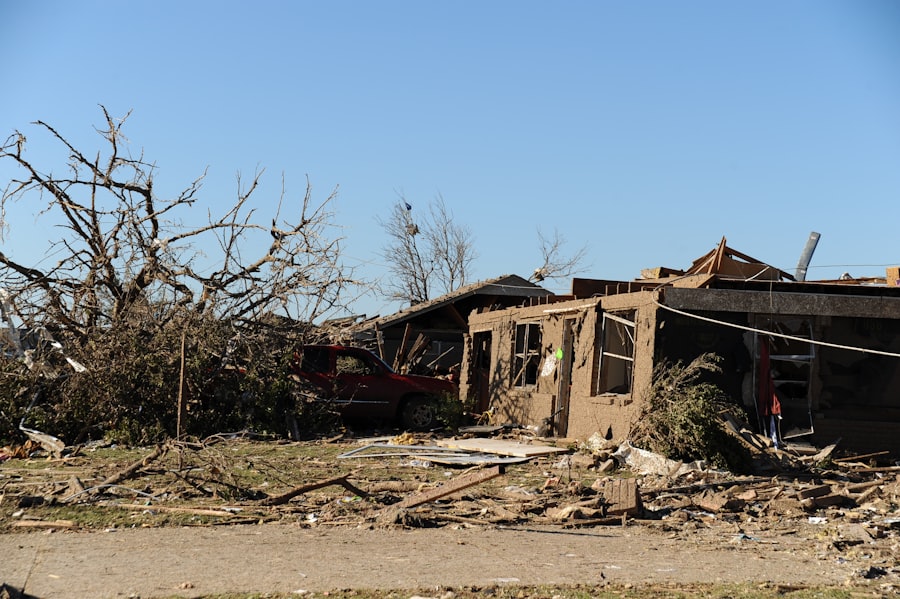
The ramifications of the fire extended far beyond the immediate destruction of property and loss of life. The community was left in shock, grappling with grief and uncertainty as they faced the daunting task of rebuilding their lives. Local businesses suffered significant losses due to property damage and decreased foot traffic, leading to economic instability in an already vulnerable area.
Schools were forced to close temporarily, disrupting education for countless children and leaving parents scrambling for alternative arrangements. Moreover, the fire highlighted existing vulnerabilities within the community, such as inadequate fire safety measures and emergency preparedness protocols. Residents began to question whether their neighborhood was equipped to handle such disasters in the future.
Community leaders recognized the urgent need for change and initiated discussions on improving infrastructure, enhancing emergency response capabilities, and fostering a culture of safety awareness among residents.
Response from Emergency Services
| City | Emergency Service | Response Time (minutes) | Number of Calls |
|---|---|---|---|
| New York | Fire Department | 5 | 1000 |
| Los Angeles | Police Department | 7 | 1500 |
| Chicago | Ambulance Service | 8 | 1200 |
Emergency services responded swiftly to the crisis, deploying firefighters, paramedics, and law enforcement officers to manage the chaotic scene. Firefighters faced immense challenges as they battled the flames, including limited access to certain areas due to debris and structural instability. Their bravery and dedication were evident as they risked their lives to save those trapped inside while simultaneously working to prevent the fire from spreading further.
Paramedics provided critical medical assistance on-site, triaging victims based on the severity of their injuries. They transported individuals to local hospitals where emergency rooms were prepared for an influx of patients. Law enforcement played a vital role in maintaining order amidst the chaos, directing traffic and ensuring that emergency personnel could operate effectively.
The coordinated efforts of these agencies exemplified the importance of collaboration during crises and underscored their commitment to protecting public safety.
Investigation and Cause of the Fire
In the aftermath of the fire, investigators launched a thorough inquiry to determine its cause and prevent similar incidents in the future. Initial reports suggested that faulty electrical wiring may have ignited the blaze, but further examination revealed a complex interplay of factors contributing to its rapid spread. Investigators scrutinized building codes, fire safety regulations, and maintenance records to identify any lapses that may have exacerbated the situation.
The investigation also involved interviewing witnesses and survivors who provided valuable insights into the events leading up to the fire. As evidence was gathered, it became clear that systemic issues related to building safety standards had played a significant role in allowing the fire to escalate uncontrollably. The findings prompted calls for legislative reforms aimed at enhancing fire safety regulations and ensuring that all residential buildings adhere to stringent codes designed to protect occupants.
Support and Aid for the Affected Families
In response to the tragedy, local organizations and government agencies mobilized resources to provide support for affected families.
Community members rallied together, donating clothing, food, and financial contributions to help families begin rebuilding their lives.
Shelters were established for those displaced by the disaster, offering temporary housing and essential services. Mental health professionals also stepped in to provide counseling services for survivors grappling with trauma and grief. Support groups were formed to create safe spaces for individuals to share their experiences and emotions openly.
The outpouring of compassion from neighbors and strangers alike served as a reminder of the strength found in community solidarity during times of crisis.
Preventing Future Tragedies
The devastating fire served as a wake-up call for many communities regarding fire safety awareness and prevention measures. Local authorities began implementing educational programs aimed at informing residents about fire hazards and emergency preparedness strategies. Workshops were organized to teach families how to create evacuation plans, install smoke detectors, and conduct regular fire drills.
Building inspections became more rigorous as officials sought to ensure compliance with updated safety codes. Fire departments collaborated with local businesses to conduct safety assessments and provide resources for improving fire prevention measures. The collective effort aimed not only at preventing future tragedies but also at fostering a culture of vigilance where residents felt empowered to take proactive steps toward safeguarding their homes.
Mourning and Grieving
As the community began to process its collective grief, memorial services were held to honor those who lost their lives in the fire. These gatherings provided an opportunity for friends, family members, and neighbors to come together in solidarity as they shared stories and memories of their loved ones. Candles were lit in remembrance, symbolizing hope amidst sorrow.
Grieving is a deeply personal journey that varies from individual to individual; some found solace in community support while others sought professional counseling services. The emotional toll of such a tragedy can linger long after physical recovery has taken place. Recognizing this reality, mental health resources remained available for those who needed ongoing support as they navigated their grief.
Rebuilding and Recovery Efforts
In the months following the fire, efforts shifted toward rebuilding what had been lost. Local government agencies collaborated with architects and construction firms to develop plans for new housing that adhered to enhanced safety standards. Community input was sought throughout this process to ensure that rebuilding efforts reflected residents’ needs and desires.
Financial assistance programs were established to help families secure temporary housing while they awaited permanent solutions. Volunteers from various organizations joined forces with affected families to assist with cleanup efforts and rebuilding projects. The resilience demonstrated by both survivors and community members illustrated an unwavering commitment to restoring hope and normalcy in the aftermath of devastation.
Lessons Learned
The tragic events surrounding the fire imparted invaluable lessons about preparedness, community resilience, and the importance of proactive measures in safeguarding lives. It underscored the necessity for regular inspections of residential buildings and adherence to fire safety regulations. Additionally, it highlighted how critical it is for communities to foster open lines of communication regarding emergency preparedness.
Furthermore, it became evident that mental health support must be integrated into disaster response plans. Addressing emotional well-being is just as vital as physical recovery when navigating trauma’s aftermath. By learning from this tragedy, communities can better equip themselves for future challenges while honoring those who lost their lives through meaningful action.
Honoring the Lives Lost
As time passed since that fateful day, memorials were established in honor of those who perished in the fire—a poignant reminder of their lives and legacies. Annual remembrance events became opportunities for reflection and healing within the community as residents gathered together each year on the anniversary of the tragedy. These memorials served not only as tributes but also as calls to action—reminding everyone that vigilance is essential in preventing future disasters while fostering a culture where safety is prioritized above all else.
The lives lost would never be forgotten; instead, they became catalysts for change within a community determined not only to rebuild but also to emerge stronger than before. In summary, this devastating fire left an indelible mark on both individuals and communities alike—prompting reflection on safety measures while highlighting resilience amid tragedy’s aftermath. Through collective efforts toward recovery—both physically and emotionally—communities can honor those lost by ensuring that such tragedies are prevented in future generations.
In light of the tragic Oakland fire, it is important to remember the importance of fire safety and prevention measures. One related article that provides valuable information on fire safety is this article on Presidents Day, which honors our nation’s leaders. It is crucial to stay informed and take necessary precautions to prevent such devastating incidents from occurring in the future.
FAQs
What is the Oakland fire?
The Oakland fire refers to a tragic fire that occurred at the Ghost Ship warehouse in Oakland, California on December 2, 2016.
How many people were affected by the Oakland fire?
The fire resulted in the deaths of 36 people who were attending a concert at the warehouse.
What caused the Oakland fire?
The exact cause of the fire was not officially determined, but it is believed to have been caused by electrical issues and the presence of flammable materials in the warehouse.
What were the consequences of the Oakland fire?
The fire led to a significant loss of life and raised concerns about the safety of similar artist collective spaces and warehouses in cities across the United States.
What measures were taken after the Oakland fire to prevent similar incidents?
Following the fire, there were increased efforts to inspect and enforce safety regulations in similar spaces, as well as discussions about the need for affordable and safe housing for artists and creative communities.