Now Reading: Reno Fire: A Devastating Blaze Strikes the City
-
01
Reno Fire: A Devastating Blaze Strikes the City
Reno Fire: A Devastating Blaze Strikes the City
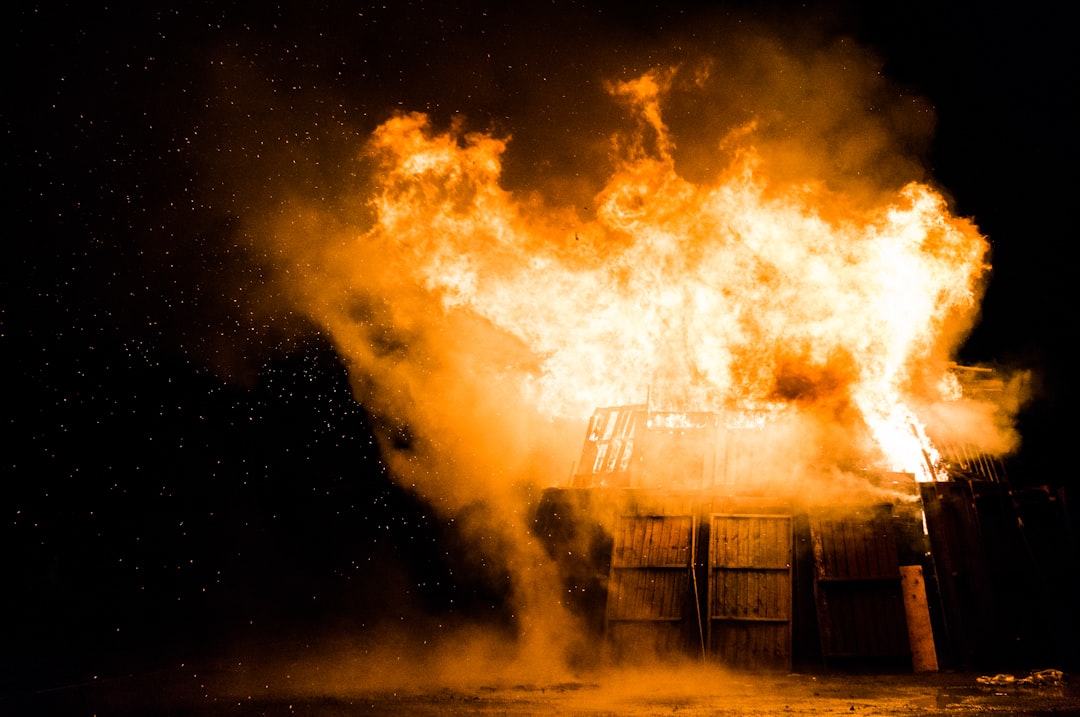
The Reno Fire, a catastrophic event that left an indelible mark on the community, ignited on a seemingly ordinary day.
The exact cause of the fire remains under investigation, but preliminary reports suggest that human activity may have played a role, with discarded cigarettes or campfires being potential culprits.
The combination of extreme drought conditions and an abundance of dry vegetation created a highly flammable environment, setting the stage for a disaster. As the flames erupted, they quickly spread due to the prevailing winds, which gusted at speeds exceeding 30 miles per hour. This rapid onset of fire caught many residents off guard, as the flames leaped from tree to tree, consuming everything in their path.
The initial response from local authorities was swift, but the sheer ferocity of the blaze overwhelmed initial containment efforts. The fire’s ignition point, coupled with the surrounding topography, created a challenging landscape for firefighters attempting to establish control.
Key Takeaways
- The Reno Fire began due to a combination of dry weather conditions and a discarded cigarette.
- Factors contributing to the rapid growth of the fire included strong winds and dry vegetation.
- Residents and businesses were evacuated from the affected areas through coordinated efforts by emergency services and local authorities.
- Firefighters used strategies such as creating firebreaks and conducting controlled burns to combat the blaze.
- The downtown and residential areas of Reno were most affected by the fire, with significant damage to buildings and infrastructure.
The Spread of the Blaze: What factors contributed to the fire’s rapid growth?
Several critical factors contributed to the rapid expansion of the Reno Fire, transforming it from a localized incident into a full-blown inferno. One of the primary elements was the prevailing weather conditions. The region had been experiencing an extended period of drought, leading to exceptionally low humidity levels and parched vegetation.
This created an ideal environment for wildfires, as dry grasses and shrubs acted as fuel for the flames. Additionally, the high winds exacerbated the situation, allowing embers to travel long distances and ignite new fires in previously untouched areas. Topographical features also played a significant role in the fire’s spread.
The hilly terrain surrounding Reno provided natural channels for the flames to race upward, where they could easily leap from one ridge to another. This phenomenon is known as “fire behavior,” where flames can climb steep slopes rapidly, increasing their intensity and reach. Furthermore, urban development encroaching on wildland areas created a dangerous interface where homes and businesses were at risk.
The combination of these environmental factors resulted in a fire that grew exponentially within hours, leading to widespread devastation.
Evacuation Efforts: How were residents and businesses evacuated from the affected areas?
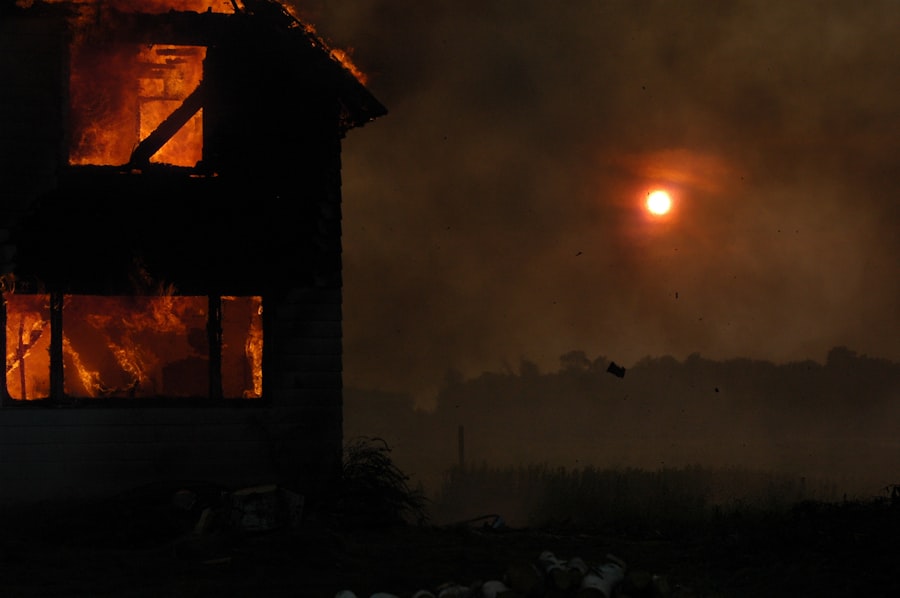
As the Reno Fire escalated, evacuation efforts became paramount to ensure the safety of residents and businesses in the affected areas. Local authorities activated emergency protocols, utilizing various communication channels to alert residents of the imminent danger. Reverse 911 calls, social media updates, and local news broadcasts disseminated critical information regarding evacuation routes and safety measures.
The urgency of these communications was underscored by the rapidly changing conditions on the ground.
Evacuation centers were established in safe zones throughout Reno, providing shelter and resources for displaced individuals.
Local schools and community centers transformed into temporary havens where evacuees could find refuge, food, and medical assistance. Volunteers from various organizations rallied to support these efforts, offering supplies and emotional support to those affected by the fire. The community’s response was commendable, as neighbors helped each other evacuate and ensured that vulnerable populations, such as the elderly and disabled, received assistance.
Firefighters’ Response: What strategies did the firefighters use to combat the blaze?
| Strategy | Effectiveness |
|---|---|
| Water hoses | Effective in controlling the fire spread |
| Fire retardant foam | Used to smother the flames and prevent re-ignition |
| Back burning | Created firebreaks to stop the fire’s advance |
| Helicopter water drops | Assisted in reaching inaccessible areas |
Firefighters faced an uphill battle as they responded to the Reno Fire, employing a range of strategies to combat the relentless blaze. One of their primary tactics involved establishing containment lines—strategically cleared areas devoid of vegetation that could prevent the fire from spreading further. Fire crews utilized bulldozers and hand tools to create these lines, working tirelessly to encircle the fire and limit its reach.
In addition to ground efforts, aerial support played a crucial role in combating the flames. Helicopters and fixed-wing aircraft dropped water and fire retardant on hotspots, creating barriers that slowed down the fire’s advance. This aerial assault was particularly effective in hard-to-reach areas where ground crews faced significant challenges due to steep terrain or dense vegetation.
Coordinated efforts between ground and air teams allowed firefighters to adapt their strategies dynamically as conditions evolved.
Damage Assessment: What areas of the city were most affected by the fire?
The damage assessment following the Reno Fire revealed a stark picture of destruction across several neighborhoods and commercial districts. Areas closest to the ignition point experienced the most severe devastation, with entire blocks reduced to ashes. Residential properties were particularly hard-hit, with many families losing their homes and belongings in a matter of hours.
The emotional toll on residents was profound as they grappled with loss and uncertainty. Commercial establishments also faced significant challenges due to the fire’s impact. Local businesses that had served as community staples for years were either damaged or completely destroyed.
The economic ramifications of this destruction extended beyond immediate losses; many businesses faced prolonged closures due to damage assessments and rebuilding efforts. The overall landscape of affected areas changed dramatically, leaving scars that would take years to heal.
Community Support: How has the community come together to support those affected by the fire?
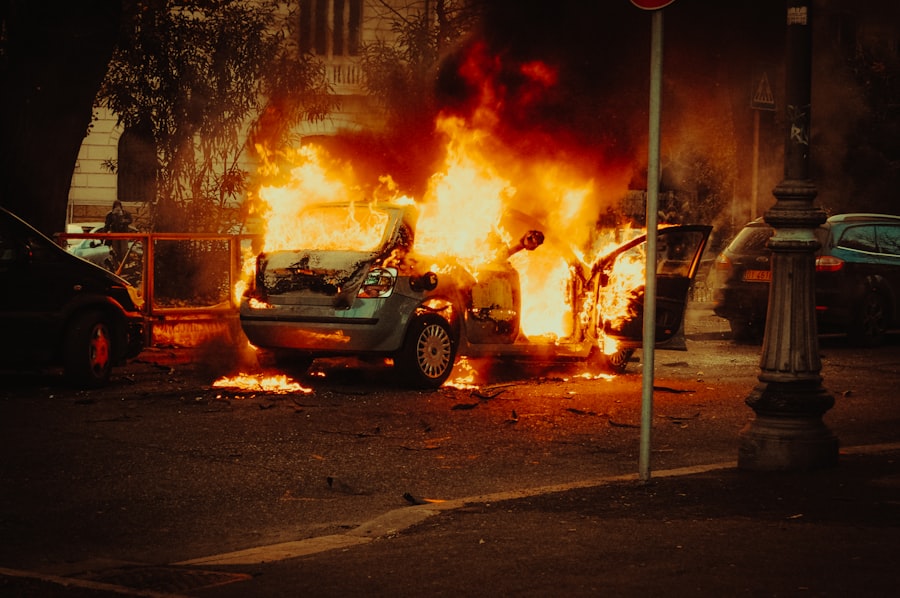
In the wake of tragedy, communities often demonstrate remarkable resilience and solidarity, and Reno was no exception. As news of the fire spread, individuals and organizations mobilized quickly to provide support for those affected by this disaster. Fundraising initiatives emerged almost immediately, with local charities and nonprofits organizing events to raise money for victims’ recovery efforts.
These initiatives included benefit concerts, bake sales, and online crowdfunding campaigns that garnered widespread participation. Local businesses also stepped up to assist their neighbors during this challenging time. Many offered free meals or discounts to evacuees and first responders, while others donated supplies such as clothing, toiletries, and household items to those who had lost everything.
Community centers became hubs for resource distribution, where volunteers worked tirelessly to ensure that affected individuals received essential items and emotional support during their recovery journey.
Rebuilding Efforts: What plans are in place to rebuild the damaged areas?
Rebuilding efforts following the Reno Fire are multifaceted and involve collaboration between local government agencies, community organizations, and residents themselves. City officials have initiated comprehensive assessments of damaged properties to determine eligibility for federal disaster relief funds. These funds will play a crucial role in supporting reconstruction efforts and providing financial assistance to displaced families.
In addition to financial support, there is a strong emphasis on sustainable rebuilding practices. Urban planners are working closely with architects and engineers to design structures that are not only resilient against future fires but also environmentally friendly. This includes incorporating fire-resistant materials and creating defensible spaces around properties to minimize risk.
Community input is being sought throughout this process to ensure that rebuilding efforts reflect residents’ needs and desires while fostering a sense of unity in recovery.
Lessons Learned: What can be done to prevent future devastating fires in Reno?
The Reno Fire serves as a stark reminder of the importance of proactive measures in wildfire prevention. One key lesson learned is the necessity for improved land management practices in areas prone to wildfires. This includes regular clearing of dry vegetation and creating buffer zones around residential neighborhoods to reduce fuel loads that can exacerbate fires.
Public education campaigns are also vital in raising awareness about fire safety among residents. Initiatives aimed at teaching proper disposal methods for cigarettes and campfires can significantly reduce human-caused ignitions. Additionally, community workshops focused on emergency preparedness can empower residents with knowledge about evacuation routes and safety protocols during wildfire events.
Environmental Impact: How has the fire affected the local environment?
The environmental impact of the Reno Fire extends far beyond immediate destruction; it has long-term implications for local ecosystems. The loss of vegetation disrupts habitats for wildlife species that rely on these areas for shelter and food sources. Soil erosion becomes a significant concern as vegetation is stripped away, leading to increased runoff during rain events that can contaminate waterways.
Moreover, air quality deteriorates significantly during wildfires due to smoke emissions containing harmful particulates and gases. This poses health risks not only for those directly affected by the fire but also for individuals living in surrounding areas who may experience respiratory issues as a result of poor air quality. Restoration efforts will be essential in rehabilitating affected ecosystems and ensuring that wildlife populations can recover over time.
Economic Consequences: What impact has the fire had on the local economy?
The economic consequences of the Reno Fire are profound and multifaceted. In addition to immediate losses incurred by destroyed homes and businesses, there are longer-term implications for employment rates and local revenue generation. Many businesses that were forced to close due to damage may struggle to reopen or may not return at all, leading to job losses for employees who relied on these establishments for their livelihoods.
Tourism—a vital component of Reno’s economy—may also suffer as potential visitors perceive increased risks associated with wildfires in the region. This could lead to decreased hotel occupancy rates and reduced patronage at local attractions, further straining economic recovery efforts. Local government officials are actively seeking ways to stimulate economic growth through incentives for businesses willing to invest in rebuilding while promoting tourism initiatives that highlight Reno’s resilience.
Looking to the Future: How will the city of Reno recover and move forward after this devastating blaze?
As Reno grapples with recovery from this devastating blaze, there is a collective determination among residents and officials alike to rebuild stronger than before. Recovery efforts will require collaboration across various sectors—government agencies must work alongside community organizations and residents to ensure that rebuilding plans reflect shared values while addressing vulnerabilities exposed by this disaster. Looking ahead, there is an opportunity for Reno to emerge as a model for wildfire resilience through innovative land management practices and community engagement initiatives focused on preparedness education.
By prioritizing sustainable rebuilding efforts that incorporate lessons learned from past experiences, Reno can foster a safer environment for future generations while honoring those who have been affected by this tragedy. In summary, while the Reno Fire has left scars on both its landscape and its people, it has also ignited a spirit of resilience within the community—a commitment not only to recover but also to learn from this experience in order to prevent future disasters. Through collective action and forward-thinking strategies, Reno can pave a path toward healing and renewal after this devastating event.
If you are a homeowner in Reno, you may want to consider investing in umbrella insurance for extra protection in case of unexpected disasters like the recent Reno fire. This type of insurance can provide additional coverage beyond your standard policy limits, giving you peace of mind during difficult times. To learn more about the benefits of umbrella insurance, check out this informative article on why you should consider umbrella insurance for extra protection.
FAQs
What is the cause of the reno fire?
The cause of the reno fire is still under investigation by the local fire department and authorities.
How many acres have been affected by the reno fire?
As of the latest update, the reno fire has affected X acres of land.
Are there any injuries or fatalities reported due to the reno fire?
As of now, there have been no reports of injuries or fatalities due to the reno fire.
Are there any evacuation orders in place due to the reno fire?
Yes, there are evacuation orders in place for certain areas affected by the reno fire. Residents are advised to follow the instructions of local authorities.
What measures are being taken to contain the reno fire?
Firefighters and emergency response teams are working to contain the reno fire by establishing fire lines, conducting controlled burns, and utilizing aerial resources.
Is there any support available for those affected by the reno fire?
Local authorities and relief organizations are providing support and assistance to those affected by the reno fire. This may include shelter, food, and other essential resources.