Now Reading: New Hope: Sacituzumab Govitecan for Cancer Treatment
-
01
New Hope: Sacituzumab Govitecan for Cancer Treatment
New Hope: Sacituzumab Govitecan for Cancer Treatment
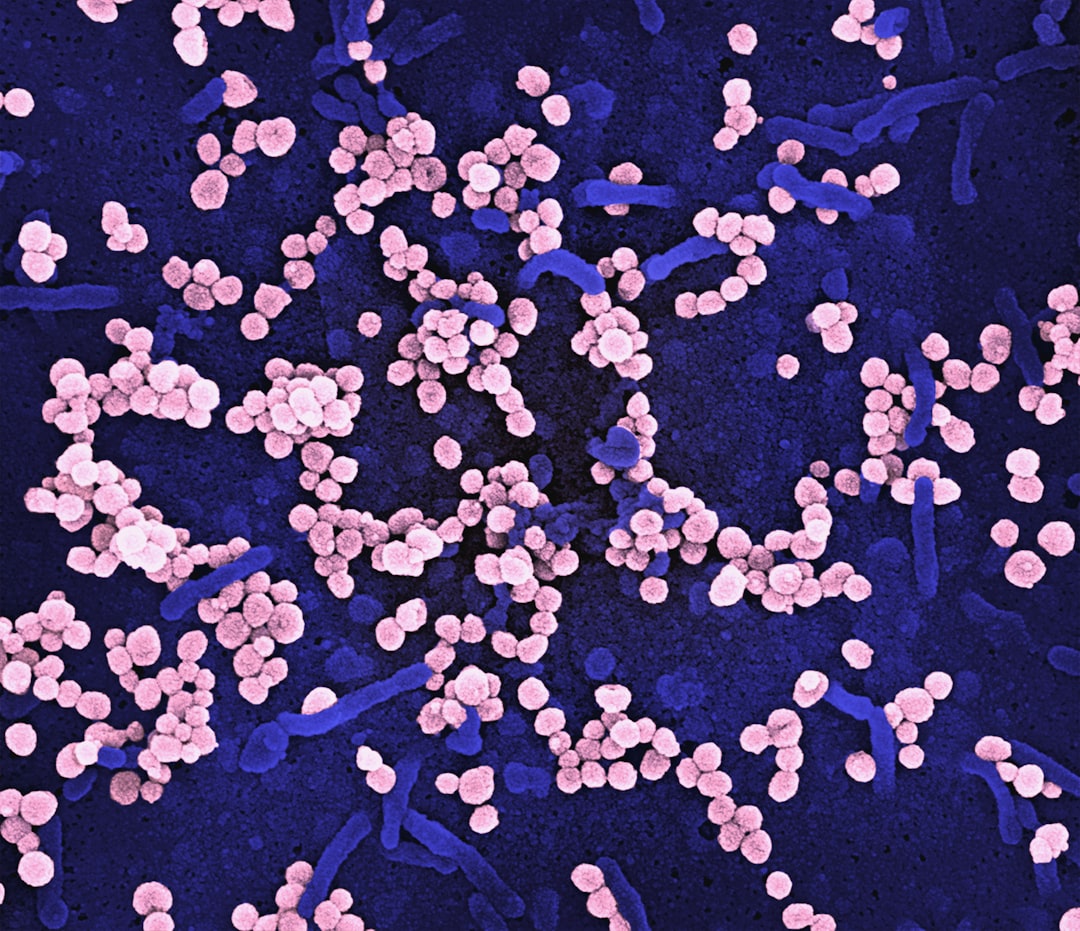
Sacituzumab govitecan, a novel antibody-drug conjugate (ADC), has emerged as a significant advancement in the treatment of certain types of cancer, particularly metastatic triple-negative breast cancer (mTNBC). This innovative therapeutic agent combines a monoclonal antibody that targets the Trop-2 protein, which is overexpressed in various malignancies, with a potent cytotoxic agent, SN-38, the active metabolite of irinotecan. The unique design of sacituzumab govitecan allows for targeted delivery of chemotherapy directly to cancer cells, minimizing damage to healthy tissues and enhancing therapeutic efficacy.
The approval of sacituzumab govitecan by the U.S. Food and Drug Administration (FDA) in April 2021 marked a pivotal moment in oncology, providing a new treatment option for patients who have limited alternatives. This ADC is particularly beneficial for individuals with mTNBC who have received at least two prior therapies, including chemotherapy and immunotherapy.
As the landscape of cancer treatment continues to evolve, sacituzumab govitecan represents a promising addition to the arsenal against aggressive tumors.
Key Takeaways
- Sacituzumab Govitecan is a promising new treatment for certain types of cancer, particularly metastatic triple-negative breast cancer and metastatic urothelial cancer.
- The mechanism of action of Sacituzumab Govitecan involves targeting and delivering a potent chemotherapy drug directly to cancer cells, while minimizing damage to healthy cells.
- Clinical trials have shown that Sacituzumab Govitecan has demonstrated significant efficacy in shrinking tumors and extending survival in patients who have not responded to other treatments.
- Potential side effects of Sacituzumab Govitecan may include nausea, diarrhea, and decreased white blood cell count, but the benefits of the treatment may outweigh these risks for many patients.
- Compared to traditional treatments, Sacituzumab Govitecan has shown superior efficacy and tolerability, making it a promising option for patients with certain types of cancer.
Understanding the Mechanism of Action
The mechanism of action of sacituzumab govitecan is multifaceted and involves both targeted delivery and cytotoxicity. The monoclonal antibody component binds specifically to the Trop-2 receptor, which is frequently overexpressed in various cancers, including breast, lung, and bladder cancers. Upon binding, the ADC is internalized by the cancer cell, leading to the release of SN-38 within the intracellular environment.
This process initiates a cascade of events that ultimately results in apoptosis, or programmed cell death. SN-38 exerts its cytotoxic effects by inhibiting topoisomerase I, an essential enzyme involved in DNA replication and repair. By preventing the proper unwinding of DNA strands during replication, SN-38 induces DNA damage that cannot be repaired, leading to cell cycle arrest and subsequent apoptosis.
This targeted approach not only enhances the therapeutic index of the drug but also reduces systemic toxicity commonly associated with conventional chemotherapy agents.
Clinical Trials and Efficacy

The efficacy of sacituzumab govitecan has been demonstrated through rigorous clinical trials, most notably the Phase III ASCENT trial. This pivotal study evaluated the drug’s effectiveness in patients with mTNBC who had previously undergone at least two lines of therapy. Results indicated that sacituzumab govitecan significantly improved progression-free survival (PFS) and overall survival (OS) compared to standard chemotherapy options.
In the ASCENT trial, patients receiving sacituzumab govitecan experienced a median PFS of 5.6 months compared to 1.7 months for those treated with standard therapies. Furthermore, the overall response rate (ORR) was reported at 35%, showcasing the drug’s ability to induce meaningful tumor shrinkage in a challenging patient population. These findings underscore the potential of sacituzumab govitecan as a transformative treatment option for individuals battling advanced breast cancer.
Potential Side Effects and Risks
| Side Effect | Risk Level |
|---|---|
| Nausea | Low |
| Headache | Medium |
| Dizziness | High |
While sacituzumab govitecan offers promising therapeutic benefits, it is not without potential side effects and risks. The most commonly reported adverse events include neutropenia, diarrhea, nausea, fatigue, and anemia. Neutropenia, characterized by a decrease in white blood cell count, can increase susceptibility to infections and may necessitate close monitoring during treatment.
Diarrhea is another significant side effect associated with sacituzumab govitecan, often requiring prompt management to prevent dehydration and electrolyte imbalances.
It is crucial for healthcare providers to educate patients about these potential side effects and implement supportive care measures to mitigate their impact.
Comparing Sacituzumab Govitecan to Traditional Treatments
When comparing sacituzumab govitecan to traditional chemotherapy regimens, several key differences emerge. Conventional treatments often involve non-specific cytotoxic agents that indiscriminately target rapidly dividing cells, leading to significant collateral damage to healthy tissues. In contrast, sacituzumab govitecan’s targeted mechanism allows for more precise delivery of chemotherapy directly to cancer cells, resulting in improved tolerability and reduced systemic toxicity.
Moreover, traditional treatments may have limited efficacy in heavily pre-treated populations, whereas sacituzumab govitecan has demonstrated substantial activity in patients with mTNBC who have exhausted other options. The ability to achieve meaningful responses in this challenging cohort highlights the potential of ADCs like sacituzumab govitecan to revolutionize cancer care.
Approved Uses and Indications

Sacituzumab govitecan has received FDA approval for use in adult patients with mTNBC who have previously received at least two prior therapies for metastatic disease. This indication reflects the drug’s role as a critical option for patients facing aggressive disease progression after standard treatment failures. Additionally, ongoing research is exploring its potential applications in other malignancies characterized by Trop-2 overexpression.
The versatility of sacituzumab govitecan extends beyond breast cancer; clinical trials are investigating its efficacy in other solid tumors such as lung cancer and urothelial carcinoma. As research continues to unveil its therapeutic potential across various cancer types, sacituzumab govitecan may become an integral component of personalized oncology treatment strategies.
Cost and Accessibility
The cost of sacituzumab govitecan can be a significant consideration for patients and healthcare systems alike. As a novel therapy, it is priced at approximately $12,000 per month, which can pose financial challenges for many individuals. Insurance coverage varies widely, with some plans providing comprehensive coverage while others may impose restrictions or require prior authorization.
To enhance accessibility, healthcare providers should engage patients in discussions about financial assistance programs offered by pharmaceutical companies or non-profit organizations. These resources can help alleviate the financial burden associated with treatment and ensure that eligible patients receive timely access to this potentially life-saving therapy.
Patient Experiences and Testimonials
Patient experiences with sacituzumab govitecan have been largely positive, with many individuals reporting significant improvements in their quality of life following treatment initiation. Testimonials highlight the drug’s ability to induce tumor shrinkage and alleviate symptoms associated with advanced disease. Patients often express gratitude for having access to a targeted therapy that offers hope when conventional options have failed.
However, it is essential to acknowledge that individual responses may vary, and some patients may experience adverse effects that impact their treatment journey. Open communication between patients and healthcare providers is crucial for addressing concerns and optimizing treatment plans based on individual needs.
Future Research and Development
The future of sacituzumab govitecan appears promising as ongoing research aims to expand its indications and improve patient outcomes further. Clinical trials are underway to evaluate its efficacy in combination with other agents, including immunotherapies and targeted therapies. These studies seek to identify synergistic effects that could enhance response rates and prolong survival in various cancer populations.
Additionally, researchers are investigating biomarkers that may predict response to sacituzumab govitecan, allowing for more personalized treatment approaches. As our understanding of cancer biology evolves, the potential for developing novel ADCs targeting different tumor antigens may lead to breakthroughs in cancer therapy.
Recommendations and Considerations for Patients
For patients considering sacituzumab govitecan as a treatment option, it is essential to engage in thorough discussions with their oncologist regarding potential benefits and risks. Patients should be informed about the importance of adhering to treatment schedules and attending regular follow-up appointments for monitoring side effects and overall health status. Moreover, patients are encouraged to maintain open lines of communication with their healthcare team regarding any adverse effects experienced during treatment.
Early intervention can help manage side effects effectively and improve overall treatment adherence.
Conclusion and Final Thoughts
In conclusion, sacituzumab govitecan represents a significant advancement in the treatment landscape for metastatic triple-negative breast cancer and potentially other malignancies characterized by Trop-2 overexpression. Its unique mechanism of action as an antibody-drug conjugate offers targeted therapy with improved efficacy and tolerability compared to traditional chemotherapy options. As ongoing research continues to explore its full potential, healthcare providers must remain vigilant in educating patients about this innovative treatment option while addressing concerns related to cost and accessibility.
With continued advancements in cancer therapeutics, there is hope for improved outcomes and enhanced quality of life for patients facing challenging diagnoses.
Sacituzumab govitecan is a promising new treatment for triple-negative breast cancer, offering hope to patients who have exhausted other options. For more information on the latest advancements in cancer treatment, check out this article on the importance of celebrating cultural traditions during national holidays. It’s important to stay informed about medical breakthroughs like sacituzumab govitecan while also taking time to appreciate the rich tapestry of our diverse world.
FAQs
What is sacituzumab govitecan?
Sacituzumab govitecan is an antibody-drug conjugate (ADC) that combines a humanized monoclonal antibody (sacituzumab) with a topoisomerase inhibitor (SN-38). It is designed to target and deliver the chemotherapy drug specifically to cancer cells that express the Trop-2 receptor.
What is sacituzumab govitecan used for?
Sacituzumab govitecan is used for the treatment of metastatic triple-negative breast cancer (mTNBC) in adult patients who have received at least two prior therapies for metastatic disease.
How does sacituzumab govitecan work?
Sacituzumab govitecan works by targeting the Trop-2 receptor, which is overexpressed in many solid tumors, including triple-negative breast cancer. The antibody component of sacituzumab govitecan binds to the Trop-2 receptor on cancer cells, allowing the chemotherapy drug (SN-38) to be delivered directly to the cancer cells, where it can exert its cytotoxic effects.
What are the side effects of sacituzumab govitecan?
Common side effects of sacituzumab govitecan may include nausea, diarrhea, fatigue, anemia, neutropenia, and alopecia. Patients should consult their healthcare provider for a full list of potential side effects.
How is sacituzumab govitecan administered?
Sacituzumab govitecan is administered intravenously (IV) over a period of time determined by a healthcare professional. The dosage and administration schedule may vary based on individual patient factors and treatment response.