Now Reading: Honoring Our Veterans: The Significance of Veterans Day as a Federal Holiday
-
01
Honoring Our Veterans: The Significance of Veterans Day as a Federal Holiday
Honoring Our Veterans: The Significance of Veterans Day as a Federal Holiday
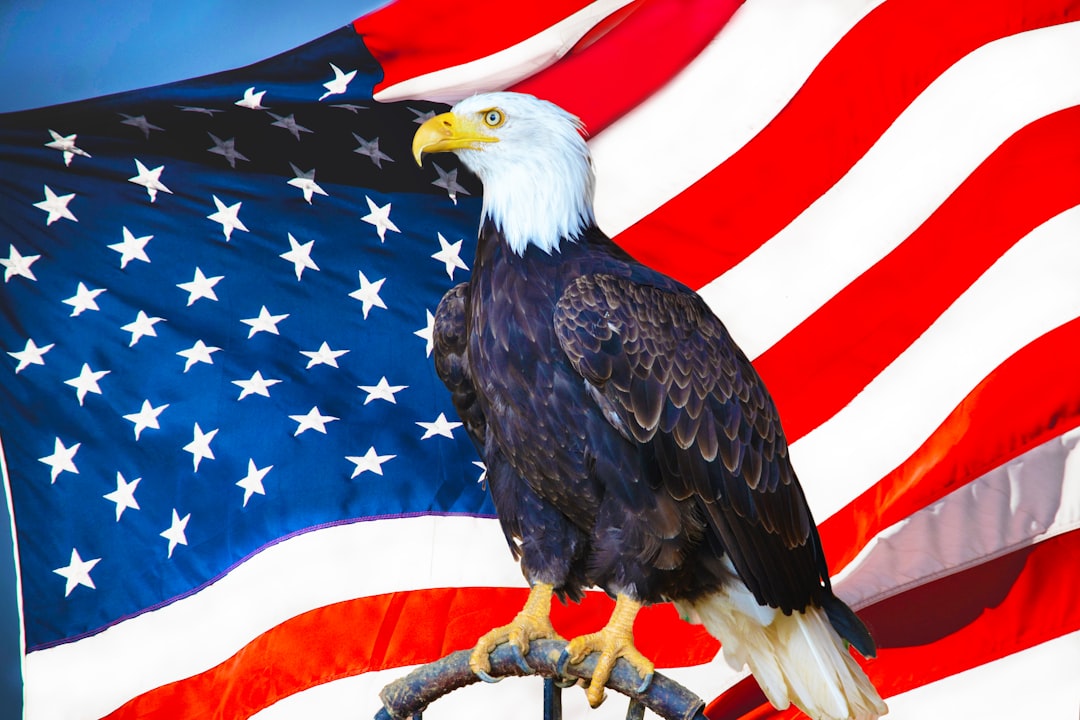
Veterans Day, a day dedicated to honoring military veterans who have served in the United States Armed Forces, has its roots deeply embedded in the aftermath of World War
Originally known as Armistice Day, it was first observed on November 11, 1919, marking the first anniversary of the end of the war. The date was significant as it commemorated the armistice signed between the Allies and Germany, which took effect at the eleventh hour of the eleventh day of the eleventh month. This day was initially intended to celebrate peace and honor those who had fought for it, with a focus on the soldiers who had returned home.
As time progressed and more conflicts arose, the need to honor all veterans became increasingly apparent. In 1954, after World War II and the Korean War, President Dwight D. Eisenhower signed legislation that officially changed Armistice Day to Veterans Day.
This change was made to recognize the service of all American veterans, not just those who served in World War
The Importance of Honoring Veterans: Recognizing Their Sacrifices and Service
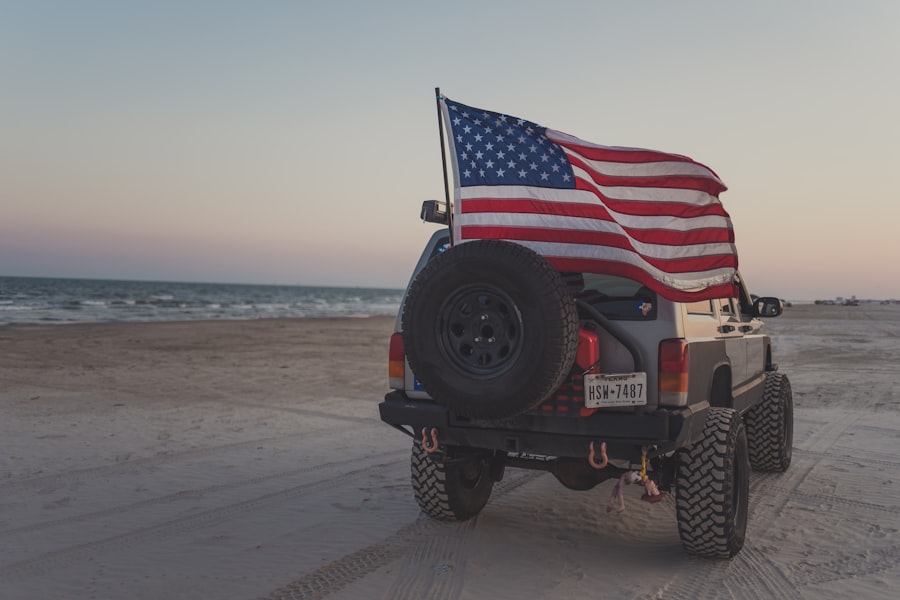
Honoring veterans is crucial for a multitude of reasons, primarily because it acknowledges the immense sacrifices they have made for their country. Many veterans have faced life-threatening situations, endured physical and emotional hardships, and made significant personal sacrifices, including time away from family and friends. By recognizing their service, society affirms the value of their contributions and the importance of their experiences.
This acknowledgment serves not only as a form of gratitude but also as a reminder of the cost of freedom and peace. Moreover, honoring veterans fosters a sense of community and connection among citizens. It encourages individuals to reflect on the values of courage, resilience, and patriotism that veterans embody.
By participating in Veterans Day activities or simply expressing gratitude to those who have served, people can create a supportive environment that uplifts veterans and their families. This recognition can also play a vital role in helping veterans reintegrate into civilian life, as it reinforces their sense of purpose and belonging within society.
Veterans Day Traditions: How the Nation Pays Tribute to Veterans
| Tradition | Description |
|---|---|
| Parades | Cities and towns across the country hold parades to honor veterans, often featuring military units, marching bands, and veterans’ organizations. |
| Ceremonies | Various ceremonies are held at military cemeteries, memorials, and other locations to pay tribute to veterans and their service. |
| Flag Raising | Many communities hold flag-raising ceremonies to honor veterans, often accompanied by the playing of “Taps” and a moment of silence. |
| Community Service | Some people volunteer on Veterans Day to support and assist veterans in their communities, such as organizing events or providing services. |
Across the United States, Veterans Day is marked by a variety of traditions that pay tribute to those who have served in the military. One of the most prominent traditions is the observance of a moment of silence at 11 a.m. on November 11th, symbolizing the moment when the armistice was signed.
This moment serves as a poignant reminder of the sacrifices made by countless individuals and allows people to reflect on the significance of their service. Parades are another cherished tradition associated with Veterans Day. Many cities host parades featuring marching bands, floats, and veterans from various branches of the military.
These events not only celebrate veterans but also educate the public about their contributions and sacrifices. Additionally, memorial services are held at cemeteries and memorials across the nation, where wreaths are laid and speeches are given to honor fallen soldiers. These gatherings provide an opportunity for families and communities to come together in remembrance and gratitude.
The Evolution of Veterans Day: How the Holiday has Changed Over Time
Since its inception as Armistice Day, Veterans Day has undergone significant changes in its observance and meaning.
This shift reflects a broader understanding of military service and recognizes that every veteran’s experience is unique and deserving of respect.
In addition to its expanded scope, the way Veterans Day is celebrated has also transformed over time. While parades and ceremonies remain central to observances, modern technology has introduced new ways for people to engage with the holiday. Social media platforms allow individuals to share stories, photos, and messages of appreciation for veterans, creating a virtual community that transcends geographical boundaries.
Furthermore, educational initiatives in schools aim to teach younger generations about the importance of Veterans Day, ensuring that future citizens understand and appreciate the sacrifices made by those who served.
Veterans Day as a Day of Remembrance: Reflecting on the Lives Lost in Service
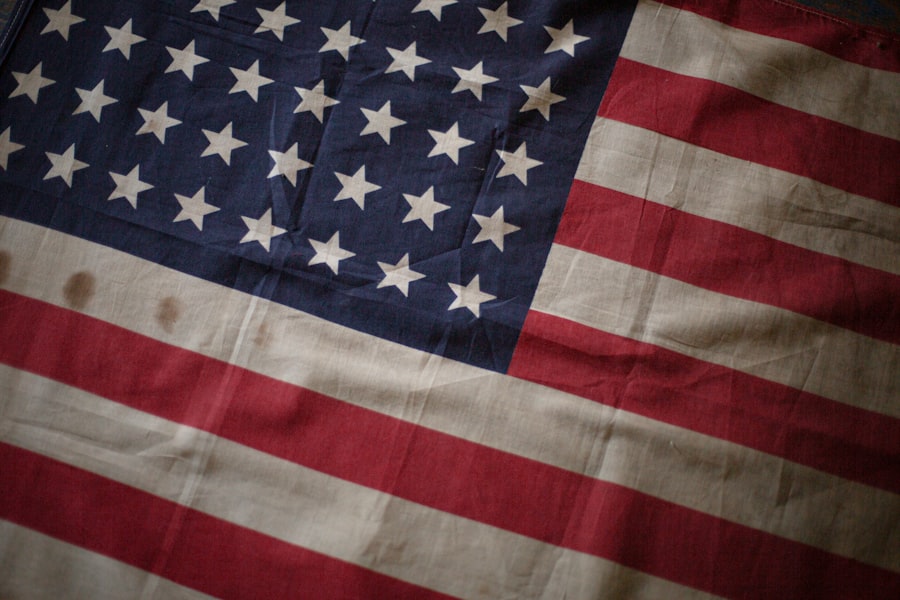
Veterans Day serves not only as a celebration of living veterans but also as a solemn day of remembrance for those who lost their lives in service to their country. It is a time to honor the ultimate sacrifice made by countless individuals who gave everything for their nation. Memorials and cemeteries become focal points for reflection during this time, where families gather to pay their respects to fallen heroes.
The act of remembering those who have died in service is essential for healing and closure for many families. It provides an opportunity for loved ones to share stories about their fallen relatives, ensuring that their legacies live on in collective memory. This remembrance also serves as a powerful reminder for society at large about the costs associated with war and conflict, fostering a deeper understanding of the importance of peace.
The Impact of Veterans Day: How the Holiday Affects Veterans and their Families
The impact of Veterans Day extends beyond public ceremonies; it resonates deeply within the lives of veterans and their families. For many veterans, this day serves as an affirmation of their service and sacrifices. It can be a source of pride but also a reminder of past traumas associated with their military experiences.
The recognition they receive on this day can help combat feelings of isolation or neglect that some veterans may feel after returning to civilian life.
Families often take this opportunity to honor their loved ones’ service while also grappling with the realities of loss or ongoing struggles faced by veterans.
Community support during this time can be invaluable, providing families with resources and connections that help them navigate their unique challenges.
Veterans Day Celebrations Across the Nation: How Different Communities Mark the Holiday
Celebrations for Veterans Day vary widely across different communities in the United States, reflecting local customs and traditions while maintaining a shared purpose of honoring veterans. In larger cities, grand parades may feature military units, local organizations, and community leaders coming together to celebrate those who have served. These events often draw large crowds and serve as a focal point for community engagement.
In smaller towns or rural areas, celebrations may take on a more intimate character. Local schools might host assemblies where students learn about veterans’ contributions and share stories from family members who have served. Community centers may organize potlucks or gatherings where veterans can connect with one another and share experiences.
Regardless of size or scale, these celebrations foster a sense of unity and appreciation for those who have served.
The Future of Veterans Day: Ensuring the Continued Recognition and Appreciation of Veterans
As society evolves, so too must our approach to honoring veterans on Veterans Day. Ensuring that future generations understand the significance of this holiday is paramount for maintaining its relevance. Educational programs in schools can play a crucial role in instilling respect for military service among young people while encouraging them to engage with veterans in their communities.
Moreover, as new generations of veterans emerge from recent conflicts such as those in Iraq and Afghanistan, it is essential to adapt our recognition efforts to address their unique experiences and challenges. This may involve expanding support services for veterans and their families or creating new traditions that resonate with younger generations. By fostering an environment where appreciation for veterans is woven into the fabric of society year-round—not just on Veterans Day—we can ensure that their sacrifices are never forgotten and that they receive the recognition they deserve long into the future.
On Veterans Day, a federal holiday dedicated to honoring military veterans, it is important to reflect on the sacrifices and contributions of those who have served in the armed forces. One related article that provides insight into the challenges faced by veterans transitioning back to civilian life can be found at this link. This article sheds light on the struggles that many veterans face, such as finding employment, accessing healthcare, and adjusting to life after deployment. It serves as a reminder of the importance of supporting and advocating for our veterans as they navigate the complexities of post-military life.
FAQs
What is Veterans Day?
Veterans Day is a federal holiday in the United States that honors military veterans who have served in the U.S. Armed Forces.
When is Veterans Day celebrated?
Veterans Day is celebrated on November 11th each year.
Why is Veterans Day a federal holiday?
Veterans Day is a federal holiday to honor and recognize the contributions and sacrifices of military veterans in the United States.
How is Veterans Day observed?
Veterans Day is observed with ceremonies, parades, and other events to honor and thank military veterans for their service.
Is Veterans Day a paid holiday for federal employees?
Yes, Veterans Day is a federal holiday and federal employees are given a day off with pay to observe the holiday.
Do all states observe Veterans Day as a holiday?
Yes, all states in the United States observe Veterans Day as a holiday.