Now Reading: Presidents Day: Honoring Our Nation’s Leaders
-
01
Presidents Day: Honoring Our Nation’s Leaders
Presidents Day: Honoring Our Nation’s Leaders
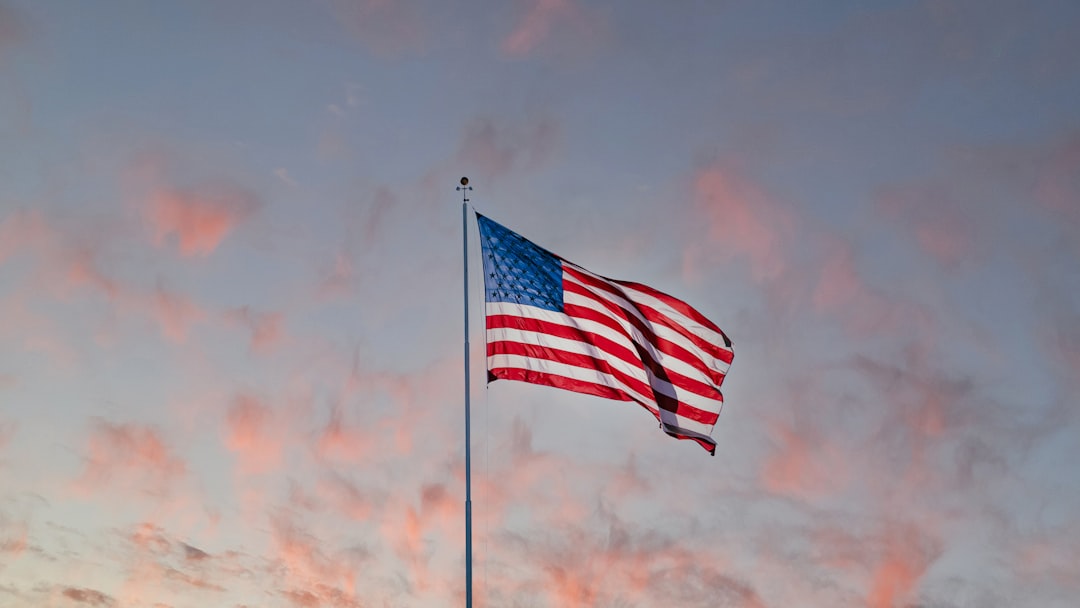
Presidents Day, celebrated on the third Monday of February, has a rich history that intertwines with the legacies of two of America’s most revered leaders: George Washington and Abraham Lincoln. Originally established in 1885 to honor Washington’s birthday, the holiday was initially celebrated on February 22. However, as the nation evolved, so did the significance of the day.
In 1971, the Uniform Monday Holiday Act was enacted, which aimed to provide more three-day weekends for the nation’s workers by moving the celebration of Washington’s birthday to a Monday. This change inadvertently led to the merging of Washington’s birthday with Lincoln’s birthday, which falls on February 12, thus giving rise to what we now know as Presidents Day. The transformation of this holiday reflects a broader cultural shift in how Americans view their leaders.
While it began as a day solely dedicated to Washington, it has grown to encompass all U.S. presidents, allowing citizens to reflect on the contributions and challenges faced by these leaders throughout history. The day serves as a reminder of the democratic principles upon which the nation was founded and encourages citizens to engage with their government and history.
As such, Presidents Day has evolved from a simple commemoration of one man into a celebration of the collective legacy of all presidents who have shaped the United States.
The Significance of Presidents Day
Presidents Day holds significant cultural and historical importance in American society. It serves not only as a day of remembrance for the nation’s leaders but also as an opportunity for citizens to reflect on the values and principles that these leaders embodied. The holiday encourages discussions about democracy, leadership, and civic responsibility, prompting individuals to consider their roles in shaping the future of the nation.
In this way, Presidents Day transcends mere celebration; it becomes a platform for education and engagement. Moreover, Presidents Day is a time for Americans to appreciate the sacrifices made by those who have held the highest office in the land. Each president has faced unique challenges and controversies, and their decisions have had lasting impacts on both domestic and foreign policy.
By recognizing their contributions, citizens can better understand the complexities of governance and the importance of informed participation in democracy. This day serves as a reminder that leadership is not just about power but also about service, accountability, and vision for a better future.
Celebrating Presidents Day Across the Nation
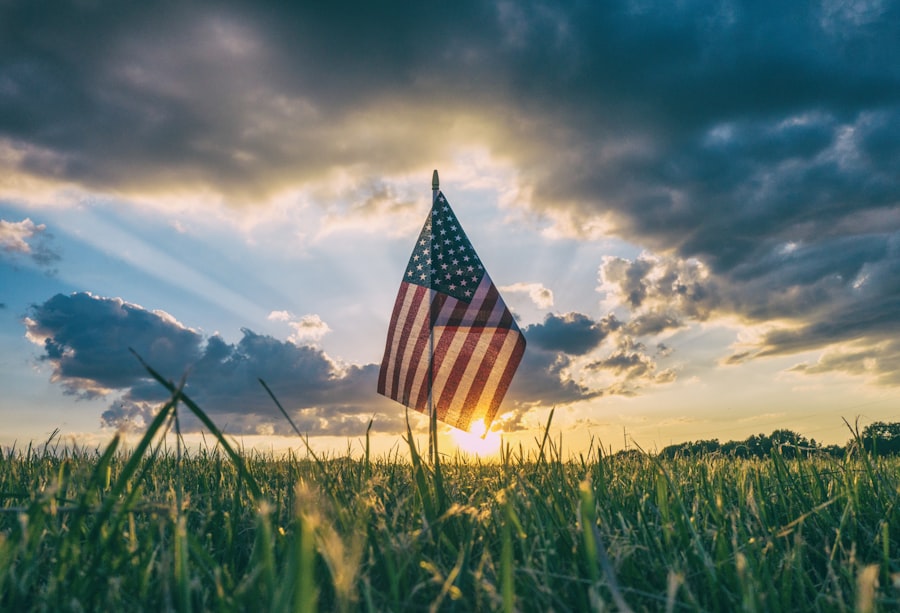
Celebrations of Presidents Day vary widely across the United States, reflecting regional customs and local traditions. In many communities, the day is marked by parades, educational events, and family gatherings. Schools often organize activities that encourage students to learn about the lives and achievements of past presidents, fostering a sense of national pride and historical awareness.
Local governments may host events that include speeches from community leaders or reenactments that bring history to life. In addition to educational initiatives, many towns and cities hold festive parades featuring floats that celebrate American history and culture. These parades often include marching bands, community organizations, and even historical reenactors dressed as famous presidents.
Such events not only entertain but also serve as a reminder of the shared values that unite Americans across diverse backgrounds.
Honoring the Founding Fathers on Presidents Day
| Founding Father | Contribution |
|---|---|
| George Washington | First President of the United States |
| Thomas Jefferson | Primary author of the Declaration of Independence |
| John Adams | Second President of the United States |
| James Madison | Primary author of the US Constitution |
While Presidents Day honors all U.S. presidents, it is particularly significant for recognizing the Founding Fathers who laid the groundwork for American democracy. Figures like George Washington, Thomas Jefferson, and Benjamin Franklin are often highlighted during this holiday as symbols of courage, vision, and resilience.
Their contributions to the formation of the United States are celebrated through various educational programs and public discussions that delve into their philosophies and actions. Many institutions take this opportunity to host lectures, workshops, and exhibitions that focus on the ideals espoused by these early leaders. Museums may feature special exhibits dedicated to their lives and legacies, while libraries often curate collections of writings and documents that showcase their thoughts on governance and liberty.
By honoring these foundational figures, Presidents Day serves as a reminder of the enduring principles that continue to guide the nation today.
How Presidents Day is Observed in Schools
In schools across America, Presidents Day is an opportunity for educators to engage students in lessons about American history and government. Teachers often design activities that encourage students to research different presidents, explore their policies, and understand their impact on society. This educational focus helps students develop critical thinking skills while fostering an appreciation for civic engagement.
Classroom activities may include creative projects such as writing essays or creating presentations about specific presidents or historical events related to their presidencies. Younger students might participate in arts and crafts projects that involve making presidential portraits or learning songs related to American history. These activities not only make learning fun but also instill a sense of pride in students as they connect with their nation’s past.
Presidents Day Sales and Deals
The Rise of Commercialization
Retailers employ a range of marketing strategies to attract customers, often incorporating patriotic themes into their advertisements. These ads typically highlight limited-time offers and special promotions, creating a sense of urgency among shoppers. As a result, Presidents Day has become one of the busiest shopping weekends of the year, rivaling other major holidays like Black Friday.
A Divided Opinion
While some people view the commercialization of Presidents Day as detracting from its original historical significance, others appreciate the opportunity to save money while participating in a national celebration. This dichotomy of opinions highlights the complex nature of the holiday, which has evolved to encompass both historical and commercial aspects.
A Shopping Extravaganza
From furniture to electronics, retailers offer discounts on a wide range of products during Presidents Day. This shopping extravaganza has become an integral part of the holiday, with many consumers eagerly anticipating the sales and promotions. As a result, Presidents Day has become a significant event in the retail calendar, driving revenue and boosting sales for businesses across various sectors.
Presidents Day Parades and Events
Across the country, Presidents Day is marked by vibrant parades and community events that celebrate American history and culture. These festivities often feature floats adorned with patriotic themes, marching bands playing traditional tunes, and local organizations showcasing their contributions to society. Parades provide an opportunity for communities to come together in celebration while honoring the legacy of past presidents.
In addition to parades, various events are organized at local parks, community centers, and historical sites. These gatherings may include speeches from local leaders discussing the importance of civic engagement or reenactments that bring historical events to life. Such activities not only entertain but also educate attendees about the significance of leadership and democracy in shaping the nation’s identity.
Reflecting on the Legacy of Past Presidents
As Americans celebrate Presidents Day each year, it serves as a moment for reflection on the legacies left behind by past presidents. Each leader has contributed uniquely to the fabric of American society, facing challenges that tested their resolve and vision for the country. From Washington’s leadership during the Revolutionary War to Lincoln’s efforts in preserving the Union during the Civil War, these figures have shaped not only policies but also national identity.
This day encourages citizens to consider how these legacies continue to influence contemporary issues facing the nation today. Discussions about leadership qualities such as integrity, resilience, and vision become particularly relevant as individuals reflect on what they seek in future leaders. By honoring past presidents on this day, Americans are reminded of their responsibility to uphold democratic values and engage actively in shaping their government for future generations.
In honor of Presidents Day, a federal holiday celebrated on the third Monday of February, it is important to reflect on the significance of this day and the impact of past presidents on our nation’s history. One interesting article that delves into the history of Presidents Day and its evolution over time can be found here. This article provides a comprehensive overview of the holiday and its origins, shedding light on the various ways in which it has been celebrated throughout the years.
FAQs
What is Presidents Day?
Presidents Day is a federal holiday in the United States that is celebrated on the third Monday in February. It is a day to honor and celebrate the contributions and achievements of past and present presidents of the United States.
When is Presidents Day?
Presidents Day is celebrated on the third Monday in February. In 2022, it falls on February 21st.
Why is Presidents Day a federal holiday?
Presidents Day was established as a federal holiday to honor and celebrate the birthdays of George Washington, the first president of the United States, and Abraham Lincoln, the 16th president. Over time, it has evolved to also honor all past and present presidents.
What do people do on Presidents Day?
On Presidents Day, many people take the day off from work and school to participate in various activities such as parades, historical reenactments, and educational events. Some people also take advantage of Presidents Day sales and discounts offered by retailers.
Is Presidents Day a national holiday?
Yes, Presidents Day is a national holiday in the United States. It is observed by federal government offices, banks, and many businesses. However, it is not a nationwide mandatory holiday, and some states may choose to celebrate it differently.
Do all states celebrate Presidents Day?
While Presidents Day is a federal holiday, individual states have the authority to choose how they observe it. Most states do recognize Presidents Day as a holiday, but some may have different names for the holiday or choose to celebrate it in conjunction with other state holidays.