Now Reading: Federal American Holidays: Celebrating National Traditions
-
01
Federal American Holidays: Celebrating National Traditions
Federal American Holidays: Celebrating National Traditions

The history of federal American holidays is a rich tapestry woven from the threads of cultural, social, and political events that have shaped the nation. The origins of these holidays can be traced back to the early days of the United States, when the newly formed government sought to establish a sense of national identity and unity among its citizens. The first federal holiday, Independence Day, was officially recognized in 1870, commemorating the signing of the Declaration of Independence on July 4, 1776.
This day marked a pivotal moment in American history, symbolizing the birth of a nation founded on principles of liberty and democracy. As the nation grew and evolved, so too did its holidays. In 1888, Labor Day was established as a federal holiday to honor the contributions of American workers and the labor movement.
This was followed by the recognition of Thanksgiving as a national holiday in 1941, solidifying its place as a time for families to gather and express gratitude. Over the years, additional holidays were added to the federal calendar, reflecting the diverse experiences and values of the American populace. Each holiday carries its own unique history, often rooted in significant events or cultural traditions that resonate with the American spirit.
The Significance of Federal American Holidays
Federal American holidays hold profound significance for individuals and communities across the nation. They serve as moments of reflection, celebration, and connection, allowing people to pause from their daily routines and engage with their heritage. These holidays often embody core values such as freedom, sacrifice, and unity, reminding citizens of the struggles and triumphs that have shaped their country.
For instance, Memorial Day honors those who have made the ultimate sacrifice in service to their country, while Independence Day celebrates the ideals of freedom and democracy that define the nation. Moreover, federal holidays foster a sense of community and belonging. They provide opportunities for families and friends to come together, share traditions, and create lasting memories.
Whether it’s gathering for a barbecue on the Fourth of July or sharing a Thanksgiving meal, these holidays encourage social interaction and strengthen familial bonds. In a rapidly changing world, federal holidays serve as anchors that connect individuals to their cultural roots and to one another.
How Federal American Holidays are Celebrated

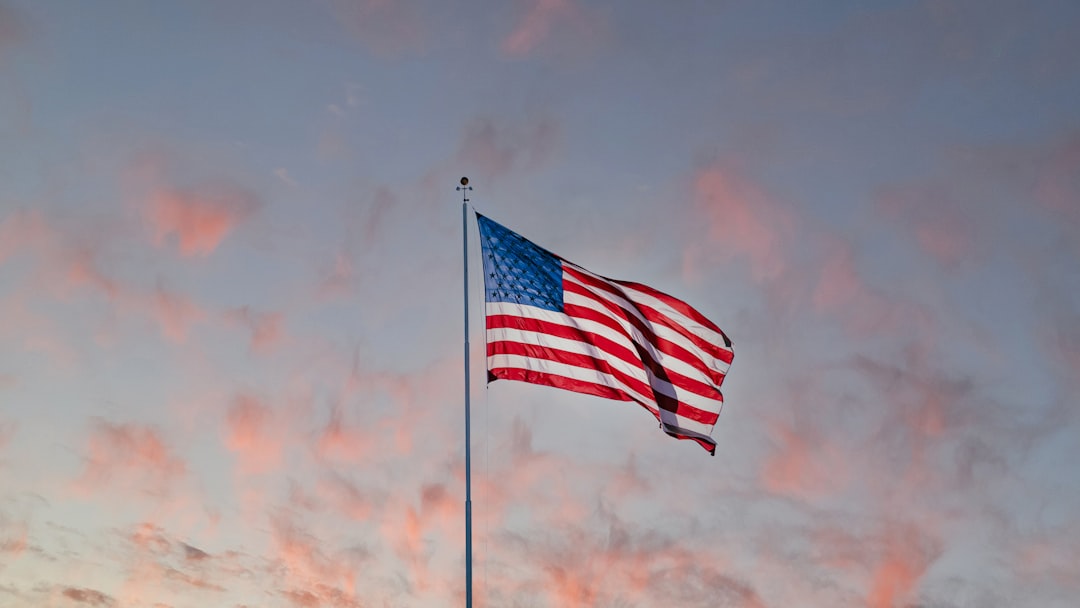
The celebration of federal American holidays varies widely across the country, reflecting regional customs and individual preferences. For example, Independence Day is often marked by fireworks displays, parades, and barbecues, with communities coming together to celebrate their shared heritage.
These celebrations often incorporate unique local traditions that add flavor to the festivities. In addition to traditional observances, many federal holidays have evolved to include modern interpretations and activities. For instance, Martin Luther King Jr.
Day has become a day of service for many Americans, with individuals participating in community service projects to honor Dr. King’s legacy of social justice and equality. Similarly, Veterans Day is marked by ceremonies and events that recognize the sacrifices of military personnel, often including parades and moments of silence.
These celebrations not only pay homage to the significance of each holiday but also encourage active participation in civic life.
The Impact of Federal American Holidays on American Culture
| Holiday | Impact on American Culture |
|---|---|
| Independence Day | Celebrated with fireworks, parades, and barbecues, symbolizing patriotism and national pride. |
| Thanksgiving | Brings families together for a traditional meal, expressing gratitude and reflecting on American history. |
| Memorial Day | Honors military personnel who have died in service, marked by ceremonies and remembrance activities. |
| Labor Day | Recognizes the contributions of American workers and the labor movement, often celebrated with parades and picnics. |
Federal American holidays play a crucial role in shaping American culture by reinforcing shared values and collective memory. They serve as touchstones for national identity, allowing citizens to reflect on their history and the principles that unite them. For instance, holidays like Independence Day and Memorial Day evoke feelings of patriotism and pride in one’s country, while also prompting discussions about the ongoing struggle for civil rights and social justice.
Furthermore, these holidays influence various aspects of American life, including art, literature, and music. Many artists draw inspiration from the themes associated with federal holidays, creating works that capture the spirit of celebration or reflection. Songs like “God Bless America” or “This Land Is Your Land” resonate deeply during national holidays, reinforcing a sense of belonging and shared purpose.
In this way, federal holidays not only commemorate historical events but also contribute to the ongoing narrative of what it means to be an American.
The Evolution of Federal American Holidays
The evolution of federal American holidays reflects broader societal changes and shifts in cultural values over time. As the nation has grappled with issues such as civil rights, immigration, and globalization, so too have its holidays adapted to reflect these realities. For example, Columbus Day has faced increasing scrutiny in recent years due to its association with colonialism and its impact on Indigenous peoples.
In response, some states have opted to celebrate Indigenous Peoples’ Day instead, highlighting the need for inclusivity and recognition of diverse histories. Additionally, new holidays have emerged in response to contemporary issues and movements. Juneteenth, which commemorates the emancipation of enslaved African Americans in the United States, was officially recognized as a federal holiday in 2021.
This development signifies a growing acknowledgment of the importance of addressing historical injustices and celebrating diversity within American culture. As society continues to evolve, it is likely that federal holidays will continue to adapt in order to reflect changing values and priorities.
Controversies Surrounding Federal American Holidays

While federal American holidays are often celebrated with enthusiasm and joy, they are not without controversy. Debates surrounding certain holidays can reveal deep-seated divisions within society regarding historical narratives and cultural representation. For instance, Columbus Day has sparked significant debate over its implications for Indigenous communities.
Critics argue that celebrating Columbus perpetuates a narrative that overlooks the violence and oppression faced by Native peoples during colonization. Similarly, discussions around Confederate Memorial Day highlight tensions related to race and history in America. Some view this holiday as a way to honor Southern heritage, while others see it as a celebration of a painful past rooted in slavery and division.
These controversies underscore the complexities surrounding federal holidays and raise important questions about whose stories are told and celebrated within the national narrative.
The Economic Impact of Federal American Holidays
Federal American holidays also have significant economic implications for businesses and communities across the nation. Many holidays are associated with increased consumer spending as people engage in shopping for gifts or preparing for celebrations. For example, Thanksgiving weekend marks one of the busiest shopping periods of the year, with Black Friday sales drawing millions of shoppers eager to take advantage of discounts.
Moreover, federal holidays can boost local economies through tourism and hospitality industries. Cities hosting parades or festivals often see an influx of visitors eager to participate in celebrations. This economic activity can provide much-needed revenue for local businesses while also fostering community pride.
However, it is essential to consider how these economic benefits are distributed and whether they contribute to sustainable growth for all members of society.
The Future of Federal American Holidays
As America continues to evolve in response to changing demographics and cultural dynamics, the future of federal American holidays remains uncertain yet promising. There is potential for new holidays to emerge that reflect contemporary values and address historical injustices. The recognition of Juneteenth as a federal holiday is a significant step toward inclusivity; however, it also raises questions about what other narratives may need acknowledgment.
Additionally, as society becomes increasingly interconnected through globalization and technology, traditional celebrations may adapt or blend with new customs from diverse cultures. This evolution could lead to a richer tapestry of holiday observances that honor both historical significance and contemporary relevance.
In conclusion, federal American holidays are more than mere days off from work; they are vital components of national identity that reflect history, culture, and community values. As they continue to evolve in response to societal changes and challenges, these holidays will remain essential touchstones for understanding what it means to be part of this diverse nation.
If you’re interested in learning more about federal American holidays, you may want to check out this article on boogger.com that discusses the history and significance of Memorial Day. Memorial Day is a federal holiday that honors the men and women who have died while serving in the United States military. This article provides a detailed look at the origins of Memorial Day and how it has evolved over the years to become a day of remembrance and reflection for many Americans.
FAQs
What are federal American holidays?
Federal American holidays are holidays recognized by the United States government, during which federal employees are given a day off from work. These holidays are also widely observed by the private sector and are often accompanied by various celebrations and traditions.
How many federal American holidays are there?
There are 10 federal American holidays, which include New Year’s Day, Martin Luther King Jr. Day, Presidents’ Day, Memorial Day, Independence Day, Labor Day, Columbus Day, Veterans Day, Thanksgiving Day, and Christmas Day.
Do all states observe federal American holidays?
Yes, all states in the United States observe federal American holidays. While some states may have additional holidays specific to their region, all states recognize and observe the 10 federal holidays.
Do federal American holidays apply to all workers?
Federal American holidays are primarily observed by federal employees, but many private sector employers also recognize and observe these holidays by giving their employees the day off. However, the observance of these holidays by private sector employers is not mandated by law.
Are federal American holidays paid holidays?
For federal employees, federal American holidays are paid holidays. However, whether these holidays are paid for employees in the private sector depends on the employer’s policies and the terms of the employee’s contract.