Now Reading: Today’s Federal Holiday: What You Need to Know
-
01
Today’s Federal Holiday: What You Need to Know
Today’s Federal Holiday: What You Need to Know

The concept of federal holidays in the United States has evolved significantly since the nation’s founding. The first federal holiday was established in 1870, when Congress declared four holidays: New Year’s Day, Independence Day, Thanksgiving Day, and Christmas Day. These holidays were initially intended to provide federal employees with time off to celebrate significant events in American history and culture.
Over the years, additional holidays were added, reflecting the changing values and priorities of society. For instance, Labor Day was established in 1894 to honor the contributions of American workers, while Martin Luther King Jr. Day was signed into law in 1983 to commemorate the civil rights leader’s legacy.
The establishment of federal holidays often mirrored broader social movements and historical milestones. For example, Memorial Day, originally known as Decoration Day, was first observed after the Civil War to honor fallen soldiers. It was officially recognized as a federal holiday in 1971.
Similarly, Veterans Day was created to honor all military veterans and was originally celebrated on November 11, marking the end of World War
Significance of the Holiday
Federal holidays hold immense significance in American culture, serving as a time for reflection, celebration, and community bonding. They provide citizens with an opportunity to pause from their daily routines and engage in activities that honor historical events or figures. For many, these holidays are not just days off work; they are moments to connect with family and friends, participate in community events, and engage in traditions that have been passed down through generations.
The significance of these holidays extends beyond mere observance; they foster a sense of national identity and unity among diverse populations. Moreover, federal holidays often serve as a reminder of the values and principles upon which the nation was built. For instance, Independence Day is a celebration of freedom and democracy, while Thanksgiving emphasizes gratitude and togetherness.
These themes resonate deeply within the American psyche, reinforcing a collective understanding of what it means to be part of this nation. As such, federal holidays play a crucial role in shaping cultural narratives and fostering a sense of belonging among citizens.
How the Holiday is Celebrated
Celebrations surrounding federal holidays vary widely across the United States, reflecting regional customs and individual preferences. For instance, Independence Day is marked by fireworks displays, parades, barbecues, and family gatherings. Communities come together to celebrate with music, food, and various festivities that highlight American pride.
In contrast, Memorial Day is often observed with somber ceremonies honoring fallen soldiers, including visits to cemeteries and memorials. These observances may include moments of silence, wreath-laying ceremonies, and patriotic speeches that remind participants of the sacrifices made for freedom. In addition to traditional celebrations, many people use federal holidays as an opportunity for leisure activities.
Parks and recreational areas often see increased attendance as families take advantage of the day off to enjoy nature or participate in outdoor sports.
This blend of solemn remembrance and festive celebration illustrates the multifaceted nature of federal holidays in American life.
Federal Holiday Observance
| Date | Holiday | Observance |
|---|---|---|
| January 1 | New Year’s Day | Federal Holiday |
| Third Monday in January | Martin Luther King Jr. Day | Federal Holiday |
| Third Monday in February | Washington’s Birthday | Federal Holiday |
| Last Monday in May | Memorial Day | Federal Holiday |
| July 4 | Independence Day | Federal Holiday |
| First Monday in September | Labor Day | Federal Holiday |
| Second Monday in October | Columbus Day | Federal Holiday |
| November 11 | Veterans Day | Federal Holiday |
| Fourth Thursday in November | Thanksgiving Day | Federal Holiday |
| December 25 | Christmas Day | Federal Holiday |
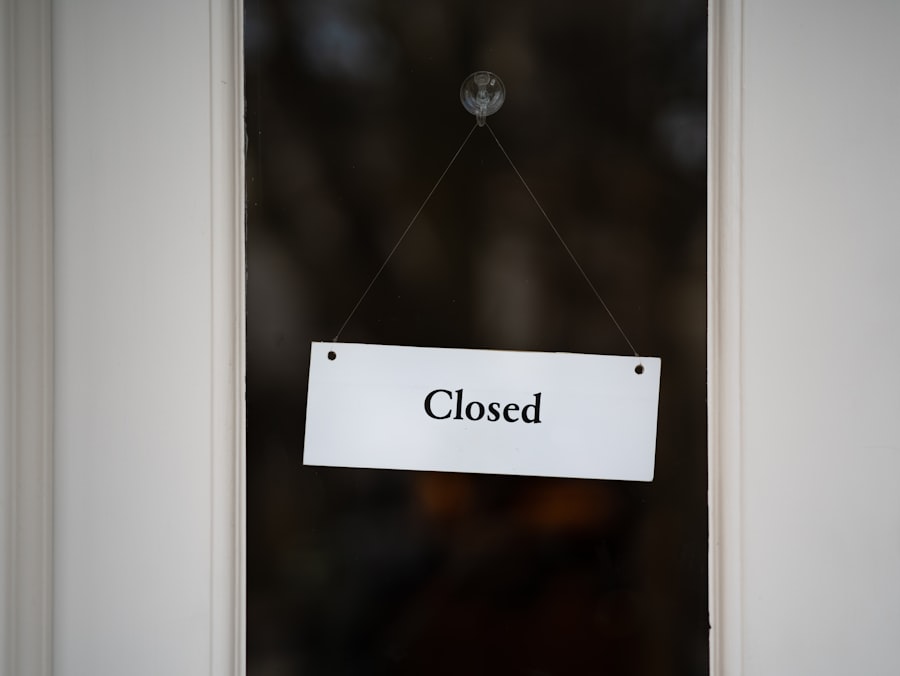
The observance of federal holidays is mandated by law, ensuring that certain days are recognized nationwide. Federal employees are typically granted a day off with pay on these holidays, while private sector observance can vary based on employer policies. The Uniform Monday Holiday Act of 1968 further standardized the observance of several holidays by moving them to specific Mondays, creating long weekends for workers and encouraging travel and leisure activities.
This act aimed to provide more consistent holiday observance across states and promote economic activity during extended weekends. Despite this standardization, some states have their own unique observances that may not align with federal designations. For example, some states celebrate local heroes or historical events that are significant to their communities.
This localized approach allows for a richer tapestry of celebrations across the country while still adhering to federally recognized holidays. The interplay between federal mandates and state-specific observances highlights the diversity of American culture and the importance of local traditions.
Impact on Businesses and Services
Federal holidays have a profound impact on businesses and services across the nation. For many companies, these holidays represent an opportunity to boost sales through special promotions and marketing campaigns. Retailers often prepare for increased consumer spending during holiday seasons by offering discounts or hosting events that attract shoppers.
This surge in economic activity can be particularly beneficial for small businesses that rely on holiday traffic to bolster their revenues. However, not all businesses benefit equally from federal holidays. Service-oriented industries such as hospitality, healthcare, and emergency services often experience increased demand during these times.
Restaurants may see a spike in customers looking for dining options during holiday celebrations, while hospitals must remain staffed to provide care regardless of the holiday. This duality creates a complex landscape where some sectors thrive while others face challenges in meeting heightened demand.
Holiday Pay and Time Off
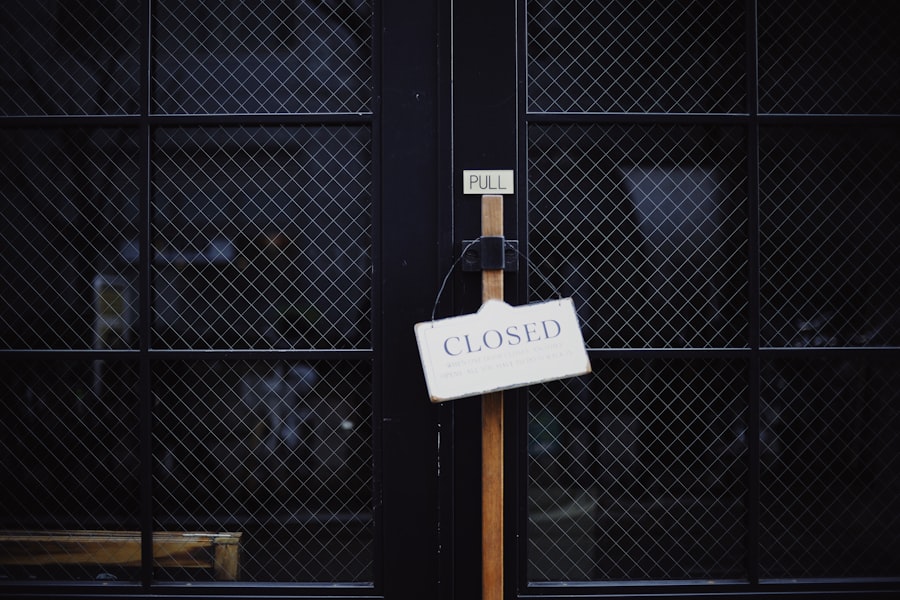
Holiday pay policies vary significantly between employers and can greatly influence employee satisfaction and morale. Federal employees are entitled to paid time off on designated federal holidays; however, private sector employees may not have the same guarantees unless specified in their employment contracts or company policies. Many employers choose to offer holiday pay as an incentive to attract and retain talent, recognizing that time off during holidays is highly valued by workers.
In addition to paid time off, some companies offer additional benefits such as flexible scheduling or extra pay for employees who work on holidays. This practice acknowledges the sacrifices made by those who must work during times when most people are celebrating with family and friends. As workplace dynamics continue to evolve, discussions around holiday pay and time off are becoming increasingly relevant, prompting many organizations to reassess their policies to better align with employee expectations.
Future of the Federal Holiday
The future of federal holidays is likely to be shaped by ongoing societal changes and evolving cultural values. As America becomes more diverse, there may be calls for additional federal holidays that recognize underrepresented groups or significant historical events that have been overlooked in the past. For instance, discussions around establishing a national holiday for Juneteenth gained momentum in recent years, culminating in its recognition as a federal holiday in 2021.
This shift reflects a growing awareness of the importance of inclusivity in national celebrations. Moreover, as remote work becomes more prevalent, the way people observe federal holidays may also change. With many employees working from home or adopting flexible schedules, traditional celebrations may take on new forms that prioritize virtual gatherings or alternative activities that accommodate diverse lifestyles.
The future landscape of federal holidays will likely continue to evolve as society adapts to new norms while striving to honor its rich history.
Controversies Surrounding the Holiday
Despite their significance, federal holidays are not without controversy. Some holidays have faced criticism for their historical implications or the narratives they promote. For example, Columbus Day has been increasingly challenged due to its association with colonialism and its impact on Indigenous populations.
In response to these concerns, some states have opted to replace Columbus Day with Indigenous Peoples’ Day as a way to honor Native American history and culture. Additionally, debates surrounding the commercialization of federal holidays have sparked discussions about their true meaning and purpose. Critics argue that the focus on consumerism detracts from the original intent of these observances, turning meaningful celebrations into mere marketing opportunities for businesses.
This tension between commercial interests and cultural significance continues to shape conversations about how federal holidays should be celebrated in contemporary society. In conclusion, federal holidays play a vital role in American life by providing opportunities for reflection, celebration, and community engagement. Their history reflects societal changes over time while their significance resonates deeply within the national consciousness.
As we look toward the future, it is essential to consider how these holidays can evolve to remain relevant while honoring their rich traditions and diverse narratives.
Today is a federal holiday, which means many people have the day off to relax and enjoy some time with family and friends. If you’re looking for some ideas on how to make the most of this day off, check out this article on boogger.
Whether you’re planning a barbecue, heading to the beach, or just taking it easy at home, there are plenty of ways to make the most of this special day.
FAQs
What is a federal holiday?
A federal holiday is a day designated by the United States government as a public holiday for federal employees. On these days, non-essential federal government offices are closed, and federal employees are given a day off from work.
How many federal holidays are there in the United States?
There are 10 federal holidays in the United States. These include New Year’s Day, Martin Luther King Jr. Day, Presidents’ Day, Memorial Day, Independence Day, Labor Day, Columbus Day, Veterans Day, Thanksgiving Day, and Christmas Day.
Do all states observe federal holidays?
While federal holidays are recognized by the federal government, they are not mandated as public holidays at the state level. However, most states do observe federal holidays and close state offices on these days.
Do private businesses have to observe federal holidays?
Private businesses are not required to observe federal holidays, and whether they do so is at the discretion of the employer. Many private businesses do choose to close on federal holidays, but it is not mandatory.