Now Reading: Understanding the Meaning of Presidents’ Day
-
01
Understanding the Meaning of Presidents’ Day
Understanding the Meaning of Presidents’ Day
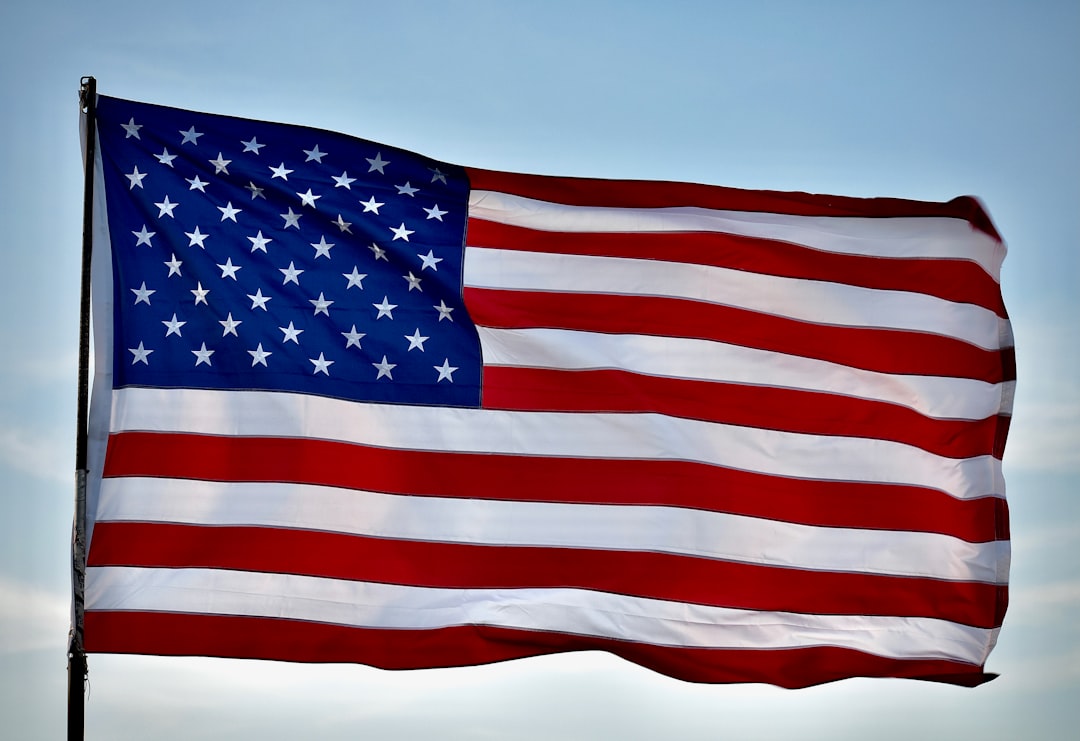
Presidents’ Day, celebrated on the third Monday of February, has a rich history that dates back to the early 19th century. Originally established to honor George Washington’s birthday, which falls on February 22, the holiday was first recognized in 1885. Washington, as the first President of the United States, was a pivotal figure in American history, and his contributions to the founding of the nation were deemed worthy of a national holiday.
S. presidents. The Uniform Monday Holiday Act of 1971 played a significant role in transforming Washington’s Birthday into Presidents’ Day.
This legislation aimed to provide more three-day weekends for the nation’s workers by moving the celebration of certain holidays to Mondays.
This change not only allowed for a more convenient observance but also paved the way for a broader recognition of all presidents, particularly Abraham Lincoln, whose birthday is also in February.
Thus, Presidents’ Day evolved from a day dedicated solely to Washington into a holiday that honors all individuals who have held the office of the presidency.
The Evolution of Presidents’ Day Celebrations
Over the years, Presidents’ Day has transformed from a solemn observance into a more festive occasion marked by various celebrations and activities. In its early days, the holiday was primarily focused on commemorating George Washington’s legacy through speeches, parades, and educational programs that highlighted his contributions to the nation. Schools often took this opportunity to teach students about Washington’s life and achievements, fostering a sense of patriotism and national pride.
As the holiday evolved, so did the nature of its celebrations. By the late 20th century, Presidents’ Day began to take on a more commercial aspect, with retailers seizing the opportunity to promote sales and discounts. This shift reflected broader societal changes, as consumerism became increasingly intertwined with national holidays.
Today, Presidents’ Day is characterized by a mix of historical reflection and modern-day festivities, including community events, educational programs, and shopping sales that attract consumers looking for bargains on everything from furniture to electronics.
Significance of Presidents’ Day
The significance of Presidents’ Day extends beyond mere celebration; it serves as a reminder of the values and principles that underpin American democracy. The holiday encourages citizens to reflect on the leadership qualities exemplified by past presidents and to consider their impact on the nation’s development. It is an opportunity for Americans to engage in discussions about governance, civic responsibility, and the importance of active participation in democracy.
Moreover, Presidents’ Day fosters a sense of unity among citizens as they collectively honor those who have served in the highest office of the land. It is a time to recognize both the triumphs and challenges faced by presidents throughout history. By acknowledging their contributions and shortcomings, Americans can gain a deeper understanding of the complexities of leadership and governance.
This reflection can inspire individuals to strive for excellence in their own lives and communities.
Presidents’ Day Traditions and Customs
| Tradition/Custom | Description |
|---|---|
| Parades | Many cities hold parades to honor the presidents, featuring marching bands, floats, and historical reenactments. |
| Mount Rushmore Lighting Ceremony | At Mount Rushmore, a special lighting ceremony takes place to honor the presidents depicted on the monument. |
| Presidential Birthplace Visits | Some people visit the birthplaces of past presidents to pay their respects and learn more about their lives. |
| Historical Reenactments | Various historical sites and museums host reenactments of important events from presidential history. |
Presidents’ Day is marked by various traditions and customs that reflect both historical reverence and contemporary practices. One common tradition is the reenactment of historical events related to U.S. presidents. Many communities host parades featuring floats that celebrate notable figures from American history, including past presidents. These events often include speeches from local leaders or historians who share insights about the contributions of these leaders. In addition to parades, educational institutions frequently engage students in activities that promote awareness of presidential history. Schools may organize essay contests or projects that encourage students to research and present on different presidents. This educational focus not only honors past leaders but also instills a sense of civic duty in young people, reminding them of their role in shaping the future of their country.
While Presidents’ Day and Washington’s Birthday are often used interchangeably, there are distinct differences between the two. Washington’s Birthday specifically commemorates the birth of George Washington, while Presidents’ Day serves as a broader celebration of all U.S. presidents. The distinction is particularly relevant in discussions about historical significance; Washington is often regarded as a foundational figure in American history due to his leadership during the Revolutionary War and his role in drafting the Constitution. The shift from Washington’s Birthday to Presidents’ Day reflects changing societal values and attitudes toward leadership. As America has evolved, so too has its understanding of what it means to be a president. The holiday now encompasses a diverse array of leaders who have shaped the nation in various ways, allowing for a more inclusive celebration that recognizes contributions from presidents across different eras and political backgrounds.
Presidents’ Day Around the World
While Presidents’ Day is uniquely American, other countries have their own observances that honor national leaders or significant historical figures. For instance, Canada celebrates Family Day on the third Monday in February, which serves as an opportunity for families to spend time together and engage in community activities. Similarly, countries like Mexico celebrate their own versions of national holidays that pay tribute to influential leaders or events in their history.
In some nations, such as France and Italy, there are specific days dedicated to honoring past leaders or historical figures who have made significant contributions to their respective countries. These observances often include ceremonies, educational programs, and public celebrations that reflect national pride and heritage. While the specifics may differ from Presidents’ Day, the underlying theme of honoring leadership and legacy remains consistent across cultures.
Presidents’ Day Sales and Events
In contemporary society, Presidents’ Day has become synonymous with sales and promotions across various retail sectors. Many businesses capitalize on the long weekend by offering significant discounts on a wide range of products, from appliances to clothing. This commercial aspect has transformed Presidents’ Day into one of the busiest shopping weekends of the year, rivaling other major holidays like Black Friday.
Retailers often advertise their sales well in advance, creating anticipation among consumers eager to take advantage of deals. Online shopping has further amplified this trend, with many people opting to browse and purchase items from the comfort of their homes during the holiday weekend. While some may lament the commercialization of what was once a solemn observance, others appreciate the opportunity to save money while participating in a national tradition.
Honoring Presidents on Presidents’ Day
Ultimately, Presidents’ Day serves as an important occasion for honoring those who have held the office of President in the United States. It is a time for reflection on their legacies and an opportunity for citizens to engage with history in meaningful ways. Many communities organize events that pay tribute to past presidents through educational programs, historical reenactments, or public discussions that explore their contributions to American society.
In addition to formal events, individuals can honor presidents by taking time to learn about their lives and achievements or by participating in civic activities that promote democratic values. Whether through volunteering, voting, or engaging in community discussions about governance, citizens can embody the spirit of Presidents’ Day by actively contributing to their communities and upholding the principles that these leaders championed throughout history. In conclusion, Presidents’ Day is more than just a day off work or an opportunity for shopping; it is a celebration steeped in history and significance.
From its origins as Washington’s Birthday to its current status as a day honoring all U.S. presidents, it reflects both reverence for leadership and an acknowledgment of America’s evolving identity. As we observe this holiday each year, we are reminded not only of our past but also of our responsibilities as citizens in shaping our future.
President’s Day is a holiday celebrated in the United States to honor the country’s presidents, past and present. It is a day to reflect on the leadership and contributions of those who have held the highest office in the land. For more information on the history and significance of President’s Day, check out this article on boogger.com.
FAQs
What is the meaning of Presidents’ Day?
Presidents’ Day is a federal holiday in the United States that honors and celebrates the country’s presidents, past and present.
When is Presidents’ Day celebrated?
Presidents’ Day is celebrated on the third Monday of February each year.
Why is Presidents’ Day celebrated on the third Monday of February?
Presidents’ Day was initially established to honor George Washington’s birthday, which falls on February 22nd. However, the holiday was moved to the third Monday of February as part of the Uniform Monday Holiday Act, which aimed to create more three-day weekends for workers.
What is the history of Presidents’ Day?
Presidents’ Day was originally established in 1885 to honor George Washington’s birthday. Over time, the holiday evolved to also recognize the contributions of all U.S. presidents.
How is Presidents’ Day celebrated?
Presidents’ Day is celebrated with various activities, including parades, reenactments, and educational events that highlight the achievements and legacies of past presidents. Many businesses and government offices are closed on this day.