Now Reading: Independence Day: Celebrating July 4th
-
01
Independence Day: Celebrating July 4th
Independence Day: Celebrating July 4th

Independence Day, celebrated on July 4th, marks a pivotal moment in American history—the adoption of the Declaration of Independence in 1776. This document, primarily authored by Thomas Jefferson, proclaimed the thirteen American colonies’ separation from British rule. The Continental Congress officially adopted the Declaration on July 4, 1776, a date that would come to symbolize the birth of the United States as an independent nation.
The decision to declare independence was not made lightly; it was the culmination of years of growing discontent among the colonists regarding British taxation and governance. The Declaration articulated the colonies’ grievances and their desire for self-governance, laying the groundwork for a new nation founded on principles of liberty and justice. The first official celebration of Independence Day took place in 1777, just one year after the Declaration was signed.
Festivities included fireworks, parades, and public readings of the Declaration itself. As the years progressed, July 4th became a day of national pride and unity, with various states and communities adopting their own traditions. By the 19th century, Independence Day had evolved into a federal holiday, officially recognized in 1870.
Traditions and Customs of July 4th Celebrations
The traditions and customs associated with Independence Day are as diverse as the nation itself. One of the most enduring practices is the display of the American flag. Homes, businesses, and public spaces are adorned with red, white, and blue decorations, creating a vibrant tapestry that reflects national pride.
Parades are a staple of July 4th celebrations, featuring marching bands, floats, and community groups showcasing their spirit. These parades often serve as a platform for local organizations to come together and celebrate their shared values and history. In addition to parades, many families engage in various activities that have become synonymous with Independence Day.
Backyard barbecues and picnics are common, where friends and family gather to enjoy traditional American fare such as hamburgers, hot dogs, and corn on the cob. These gatherings foster a sense of community and togetherness, allowing people to connect with one another while celebrating their shared heritage. Fireworks displays are another hallmark of July 4th festivities, lighting up the night sky in a dazzling array of colors and patterns.
These displays not only entertain but also evoke a sense of nostalgia and wonder, reminding us of the sacrifices made for our freedom.
The Significance of Fireworks on Independence Day
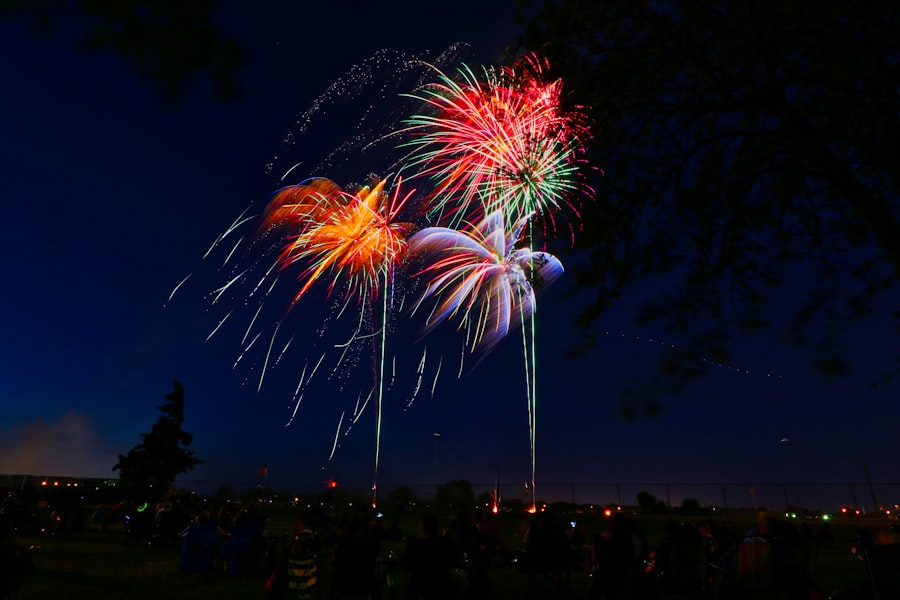
Fireworks have become an iconic symbol of Independence Day celebrations across the United States. Their origins can be traced back to the very first anniversary of the Declaration of Independence in 1777 when fireworks were used to commemorate the occasion. The use of fireworks serves multiple purposes: they are visually stunning, create a festive atmosphere, and symbolize the explosive spirit of freedom that characterized the American Revolution.
The bright bursts of color against the night sky evoke feelings of joy and patriotism, making them an essential part of July 4th celebrations. The tradition of fireworks has evolved over the years, with communities hosting elaborate displays that draw thousands of spectators. These shows often feature synchronized music and choreographed sequences that enhance the overall experience.
Fireworks serve as a reminder of the sacrifices made by those who fought for independence and freedom. As families gather to watch these spectacular displays, they reflect on the significance of the day and what it means to be part of a nation built on ideals of liberty and justice. The sound of fireworks echoing through neighborhoods is not just a celebration; it is a collective acknowledgment of shared history and values.
The Role of Barbecues and Picnics in July 4th Celebrations
| Metrics | Data |
|---|---|
| Number of Barbecues | 80% |
| Number of Picnics | 60% |
| Popular Foods | Burgers, Hotdogs, Potato Salad |
| Popular Activities | Grilling, Outdoor Games, Fireworks |
Barbecues and picnics play a central role in July 4th celebrations, serving as a delicious way to bring people together in honor of independence. These gatherings often feature an array of grilled foods such as burgers, hot dogs, ribs, and chicken, accompanied by classic sides like coleslaw, potato salad, and baked beans. The act of cooking outdoors is not only practical during the warm summer months but also fosters a sense of camaraderie among family and friends.
As people gather around grills or picnic tables, they share stories, laughter, and good food—elements that strengthen bonds and create lasting memories. Moreover, barbecues and picnics reflect the spirit of American culture—casual, communal, and celebratory. Many families take this opportunity to showcase their culinary skills or pass down traditional recipes that have been enjoyed for generations.
The act of sharing food is deeply rooted in human connection; it transcends cultural boundaries and brings people together in celebration. As families enjoy their meals under the sun or stars, they engage in conversations about their heritage and what it means to be an American. This aspect of July 4th celebrations emphasizes not only the joy of eating but also the importance of community and togetherness.
Independence Day Parades and Festivities
Independence Day parades are a cherished tradition that brings communities together to celebrate their shared history and values. These parades often feature a colorful array of floats representing local organizations, schools, and businesses. Marching bands fill the air with patriotic music while community members line the streets to cheer on participants.
Parades serve as a reminder that independence is not just a historical event but an ongoing journey that involves every citizen. In addition to parades, many towns host various festivities throughout the day.
These can include fairs with games and rides for children, live music performances featuring local artists, and food stalls offering traditional American fare. Such events create an inclusive environment where people from all walks of life come together to celebrate their shared identity as Americans. The sense of community fostered during these festivities reinforces the idea that independence is not merely an individual achievement but a collective endeavor that requires unity and cooperation among citizens.
Patriotic Music and Songs for July 4th

Music plays an integral role in July 4th celebrations, with patriotic songs evoking feelings of pride and nostalgia among listeners. Classics such as “The Star-Spangled Banner,” “America the Beautiful,” and “God Bless America” resonate deeply with Americans as they reflect on their nation’s history and values. These songs often serve as anthems during public events, reminding citizens of their shared heritage and commitment to freedom.
The melodies are not just tunes; they encapsulate emotions tied to moments in history when courage and resilience were paramount. In addition to traditional anthems, contemporary artists often release songs that capture the spirit of independence and patriotism. Concerts featuring both classic and modern patriotic music are common during July 4th celebrations, providing entertainment while fostering a sense of unity among attendees.
Singing along to these songs creates an atmosphere of camaraderie as people join together in expressing their love for their country. Music has a unique ability to transcend barriers; it connects individuals through shared experiences and emotions associated with freedom and independence.
Family Activities for Celebrating Independence Day
Independence Day is an opportunity for families to engage in various activities that promote bonding while celebrating their nation’s history. Many families choose to start their day with a flag-raising ceremony or by attending local events that honor veterans or active military personnel. This practice instills a sense of respect for those who have served in defense of freedom while reinforcing the importance of gratitude on this significant day.
In addition to attending parades or fireworks displays, families often partake in fun activities such as crafting decorations or preparing themed treats together. Children may enjoy making red, white, and blue crafts or baking festive desserts adorned with stars and stripes. These activities not only foster creativity but also provide opportunities for parents to share stories about American history with their children.
Engaging in such traditions helps instill a sense of pride in one’s heritage while creating cherished memories that can be passed down through generations.
Reflecting on the Meaning of Independence Day
As Americans celebrate Independence Day each year, it is essential to reflect on its deeper meaning beyond fireworks and barbecues. This day serves as a reminder of the sacrifices made by countless individuals who fought for freedom throughout history—from revolutionary soldiers to civil rights activists striving for equality. It prompts citizens to consider what independence truly means in contemporary society: not just freedom from oppression but also the responsibility to uphold justice for all.
Moreover, Independence Day encourages individuals to contemplate their role within their communities and nation at large. It is an opportunity to engage in discussions about democracy, civic duty, and social responsibility—values that are foundational to American identity. By reflecting on these themes during celebrations, citizens can foster a greater understanding of what it means to be part of a diverse nation united by shared ideals.
Ultimately, Independence Day is not merely about commemorating past achievements; it is about envisioning a future where liberty and justice continue to thrive for generations to come.
As we celebrate July 4th, it is important to reflect on the history and significance of this day. One interesting article that delves into the origins of Independence Day can be found here. This article explores the events leading up to the Declaration of Independence and the impact it had on the formation of the United States as a nation. It serves as a reminder of the sacrifices made by our founding fathers and the importance of cherishing our freedom and democracy.
FAQs
What is the significance of July 4th?
July 4th is celebrated as Independence Day in the United States, commemorating the adoption of the Declaration of Independence on July 4, 1776. It marks the country’s independence from British rule.
How is July 4th celebrated in the United States?
Independence Day is typically celebrated with fireworks, parades, barbecues, carnivals, fairs, picnics, concerts, baseball games, family reunions, and political speeches and ceremonies.
What are some traditional activities on July 4th?
Traditional activities on July 4th include attending fireworks displays, participating in or watching parades, having outdoor barbecues, and displaying the American flag.
Is July 4th a federal holiday in the United States?
Yes, July 4th is a federal holiday in the United States. Government offices, schools, and many businesses are closed on this day.
What are some historical facts about July 4th?
On July 4, 1776, the Continental Congress declared the 13 American colonies independent from British rule, leading to the formation of the United States of America. The Declaration of Independence was drafted by Thomas Jefferson and adopted by the Congress on that day.