Now Reading: Fourth of July: Celebrating America’s Federal Holiday
-
01
Fourth of July: Celebrating America’s Federal Holiday
Fourth of July: Celebrating America’s Federal Holiday

Independence Day, celebrated on July 4th, marks a pivotal moment in American history—the adoption of the Declaration of Independence in 1776. This document, primarily authored by Thomas Jefferson, proclaimed the thirteen American colonies’ separation from British rule. The Continental Congress officially adopted the Declaration on July 4, 1776, a date that would come to symbolize the birth of the United States as an independent nation.
The Declaration articulated the colonies’ grievances and their desire for self-governance, laying the philosophical groundwork for a new nation founded on principles of liberty and equality. The first official celebration of Independence Day took place in 1777, just one year after the Declaration was adopted.
Cities across the newly formed nation held festivities that included fireworks, parades, and speeches. These early celebrations were not merely about revelry; they served as a means to unite the colonies in their shared struggle for freedom. Over the years, the observance of Independence Day evolved, becoming a national holiday in 1870.
The day has since transformed into a symbol of American pride and unity, reflecting the nation’s journey through trials and triumphs. Today, it stands as a reminder of the sacrifices made by those who fought for freedom and the ongoing quest for liberty and justice for all.
Traditional Fourth of July Activities
The Fourth of July is synonymous with a variety of traditional activities that bring families and communities together in celebration. One of the most cherished customs is the family barbecue or picnic, where friends and loved ones gather to enjoy grilled meats, fresh salads, and an array of desserts. The aroma of burgers sizzling on the grill fills the air as laughter and conversation flow freely.
Many families take this opportunity to showcase their culinary skills, preparing favorite recipes that have been passed down through generations. Whether it’s a classic potato salad or a homemade apple pie, these dishes often carry sentimental value, connecting people to their heritage and family traditions. In addition to food, outdoor activities play a significant role in Fourth of July celebrations.
Many people take advantage of the summer weather by organizing games such as sack races, tug-of-war, or frisbee competitions. Parks and public spaces become vibrant hubs of activity as families set up blankets and enjoy leisurely afternoons filled with fun and camaraderie. For those who prefer a more relaxed approach, simply lounging in the sun with a good book or enjoying a refreshing drink can be just as fulfilling.
These activities foster a sense of community and belonging, reminding everyone that Independence Day is not just about celebrating freedom but also about cherishing relationships with family and friends.
Fireworks and Fourth of July
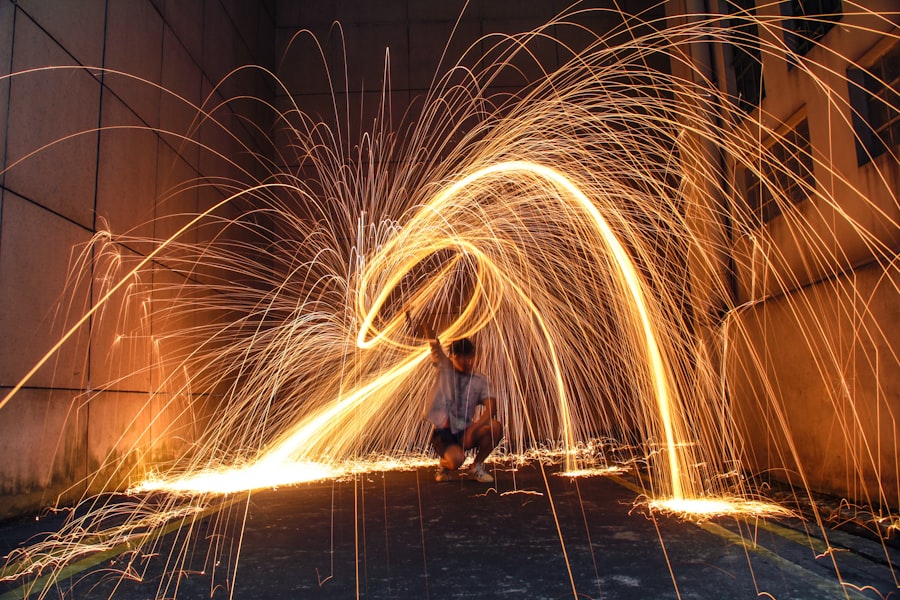
Fireworks are perhaps the most iconic symbol of Independence Day celebrations in the United States. The tradition dates back to the very first anniversary of the Declaration of Independence when fireworks lit up the night sky in Philadelphia. Since then, pyrotechnic displays have become an integral part of Fourth of July festivities across the nation.
Communities invest significant resources into organizing elaborate firework shows that draw crowds from near and far. The sight of colorful explosions illuminating the night sky evokes feelings of awe and wonder, creating lasting memories for those who gather to watch. The symbolism behind fireworks on Independence Day is profound; they represent joy, freedom, and the spirit of celebration.
As families gather to witness these dazzling displays, they are reminded of the sacrifices made by those who fought for their liberty. Fireworks serve as a visual representation of the explosive energy that characterized the American Revolution—a fight for independence that was both tumultuous and transformative. In many towns, local traditions have emerged around fireworks displays, with some communities hosting competitions or themed shows that tell stories through light and sound.
This blend of artistry and patriotism makes fireworks an essential part of the Fourth of July experience.
The Significance of the American Flag on Independence Day
| Metrics | Data |
|---|---|
| Number of American Flags Displayed | Countless across the country |
| Flag Sales | Millions of flags sold annually |
| Flag Etiquette Awareness | Increased on Independence Day |
| Flag-related Parades and Events | Hundreds held nationwide |
| Flag Symbolism | Represents freedom, unity, and patriotism |
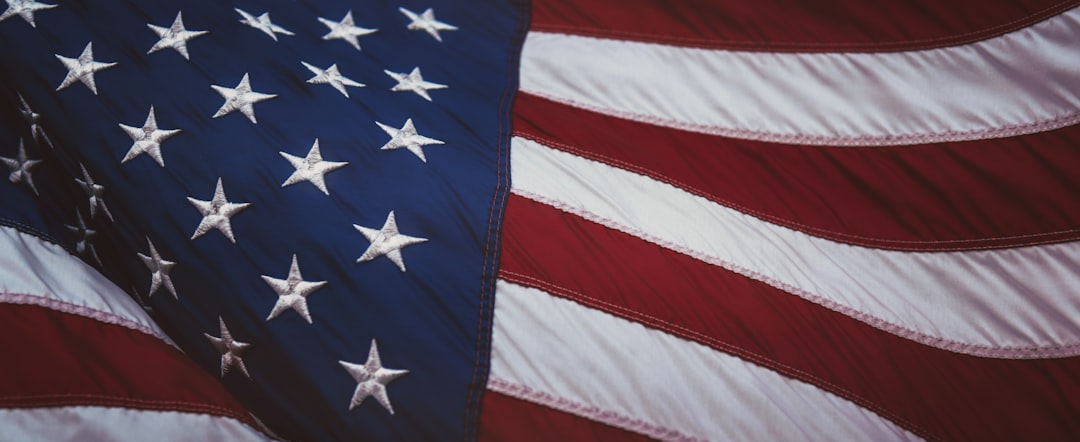
The American flag holds deep significance on Independence Day, serving as a powerful symbol of national pride and unity. Its design—thirteen stripes representing the original colonies and fifty stars symbolizing each state—embodies the history and diversity of the United States. On July 4th, it is common to see flags displayed prominently in homes, public spaces, and during parades.
The act of raising or displaying the flag is not merely a formality; it is a heartfelt expression of patriotism that connects individuals to their country’s ideals and values. The flag’s presence during Independence Day celebrations serves as a reminder of the sacrifices made by countless individuals throughout history to protect and uphold the freedoms it represents. Many people take time to reflect on what the flag stands for—liberty, justice, and equality for all.
In some communities, ceremonies are held to honor veterans and active military personnel, emphasizing the importance of service and sacrifice in maintaining the nation’s independence. The flag becomes a focal point during these gatherings, reinforcing a sense of collective identity among those who share a commitment to upholding the principles upon which the nation was founded.
Fourth of July Parades and Celebrations
Parades are a quintessential part of Fourth of July celebrations across America, showcasing local culture and community spirit. These vibrant events often feature marching bands, floats adorned with patriotic decorations, and groups representing various organizations—from schools to veterans’ associations. As participants proudly display their creativity and enthusiasm, spectators line the streets waving flags and cheering in support.
The atmosphere is electric with excitement as families come together to celebrate their shared heritage while enjoying a day filled with entertainment. In addition to parades, many towns host festivals that include live music, games, and food vendors offering traditional American fare. These gatherings create an opportunity for neighbors to connect and celebrate their community’s unique character while honoring their shared history.
Children often participate in activities such as face painting or sack races, while adults enjoy socializing over refreshments. The sense of camaraderie fostered during these events reinforces community bonds and highlights the importance of coming together to celebrate freedom and independence.
Patriotic Music and Fourth of July
Music plays an essential role in Fourth of July celebrations, with patriotic songs resonating deeply within American culture. From “The Star-Spangled Banner” to “America the Beautiful,” these melodies evoke feelings of pride and nostalgia as they remind listeners of the nation’s history and values. Many communities incorporate live music into their celebrations, featuring local bands or choirs performing beloved patriotic tunes that encourage audience participation.
Singing along to these songs fosters a sense of unity among attendees as they collectively express their love for their country. In addition to traditional anthems, contemporary artists often release songs that capture the spirit of independence and freedom. These modern interpretations resonate with younger generations while still honoring historical themes.
Concerts held on or around July 4th frequently include a mix of classic patriotic songs alongside popular music that reflects current sentiments about national identity. This blend creates an inclusive atmosphere where people from diverse backgrounds can come together to celebrate their shared love for America through music.
The Importance of Family and Community on Independence Day
Independence Day serves as a poignant reminder of the importance of family and community in celebrating freedom.
The shared experiences created during these celebrations foster lasting memories that strengthen familial bonds and create a sense of belonging within communities.
As families come together to honor their heritage, they also pass down traditions that instill values such as patriotism and gratitude in younger generations. Community involvement is equally vital during Independence Day celebrations; local events encourage residents to participate actively in honoring their shared history. From organizing parades to volunteering at community picnics, individuals contribute their time and effort to create memorable experiences for everyone involved.
This spirit of collaboration reinforces social ties while promoting inclusivity among diverse populations within neighborhoods. Ultimately, Independence Day serves not only as a celebration of freedom but also as an opportunity for individuals to reflect on their roles within their families and communities.
Fourth of July Food and Drink Traditions
Food plays an integral role in Fourth of July celebrations, with traditional dishes reflecting America’s diverse culinary landscape. Barbecues are perhaps the most iconic way to celebrate this holiday; families fire up their grills to prepare favorites such as hamburgers, hot dogs, ribs, and grilled vegetables. These meals are often accompanied by classic sides like coleslaw, corn on the cob, or baked beans—each dish contributing to a festive atmosphere filled with delicious aromas that waft through neighborhoods.
In addition to savory dishes, desserts also hold special significance during Independence Day festivities. Red, white, and blue-themed treats—such as berry parfaits or flag-inspired cakes—are popular choices that add a festive touch to any gathering. Refreshing beverages like lemonade or iced tea provide respite from summer heat while encouraging social interaction among guests.
As families gather around tables laden with food and drink, they share stories and laughter that enhance their connections with one another while celebrating their shared identity as Americans. In conclusion, Independence Day is more than just a holiday; it is a celebration steeped in history, tradition, and community spirit. From its origins rooted in the fight for freedom to modern-day festivities filled with parades, fireworks, music, food, and family gatherings—this day serves as a powerful reminder of what it means to be part of a nation built on ideals of liberty and justice for all.
As Americans come together each year on July 4th to honor their past while looking toward the future, they reaffirm their commitment to upholding these values for generations to come.
As we celebrate the Fourth of July federal holiday, it is important to reflect on the history and significance of this day. One interesting article that delves into the origins of Independence Day and its traditions can be found here. This article provides a deeper understanding of how the Fourth of July became a federal holiday and why it holds such importance in American history. It is a great read for anyone looking to learn more about the roots of this patriotic celebration.
FAQs
What is the Fourth of July federal holiday?
The Fourth of July federal holiday, also known as Independence Day, is a national holiday in the United States commemorating the adoption of the Declaration of Independence on July 4, 1776.
Is the Fourth of July a federal holiday?
Yes, the Fourth of July is a federal holiday in the United States. It is a day off for most federal employees, as well as for many working Americans.
What do people do on the Fourth of July federal holiday?
On the Fourth of July, people in the United States typically celebrate with fireworks, parades, barbecues, picnics, and other public and private events commemorating the history, government, and traditions of the United States.
Do businesses and schools close on the Fourth of July federal holiday?
Many businesses and schools are closed on the Fourth of July federal holiday, allowing people to participate in the various celebrations and spend time with family and friends.
Is the Fourth of July a paid holiday for employees?
Whether the Fourth of July is a paid holiday for employees depends on the employer’s policies and the terms of the employee’s contract. Many employers do provide paid time off for their employees on this federal holiday.