Now Reading: 4th of July: Celebrating the Federal Holiday
-
01
4th of July: Celebrating the Federal Holiday
4th of July: Celebrating the Federal Holiday

Independence Day, celebrated on July 4th each year, marks a pivotal moment in American history—the adoption of the Declaration of Independence in 1776. This day commemorates the thirteen American colonies’ formal separation from British rule, a decision that was not made lightly. The roots of this celebration can be traced back to the growing discontent among colonists regarding British taxation and governance.
Tensions escalated over the years, culminating in the Revolutionary War, which began in 1775. The Continental Congress convened in Philadelphia, where delegates debated the merits of independence, ultimately leading to the historic vote on July 2, 1776. The Declaration of Independence, primarily authored by Thomas Jefferson, was adopted two days later, on July 4th.
This document articulated the colonies’ grievances against King George III and asserted their right to self-governance. The significance of this declaration cannot be overstated; it not only marked the birth of a new nation but also laid the groundwork for democratic ideals that would inspire future generations. The first official celebration of Independence Day took place in 1777, with fireworks, parades, and speeches, setting a precedent for the festivities that continue to this day.
Traditional Fourth of July Celebrations
Parades: A Time-Honored Tradition
Parades are a hallmark of Independence Day celebrations, featuring marching bands, floats adorned with patriotic themes, and local organizations showcasing their pride. These parades often serve as a platform for community engagement, allowing residents to come together and celebrate their heritage.
Backyard Barbecues and Picnics
In addition to parades, many families engage in backyard barbecues and picnics, where grilled meats, salads, and desserts are enjoyed under the summer sun. The atmosphere is often filled with laughter and camaraderie as friends and family gather to celebrate their freedom.
Concerts and Reflection
Many towns also host concerts featuring patriotic music, allowing citizens to reflect on the significance of the day while enjoying live performances. These traditional celebrations foster a sense of unity and pride among Americans, reminding them of their shared history and values.
Fireworks and Other Festivities
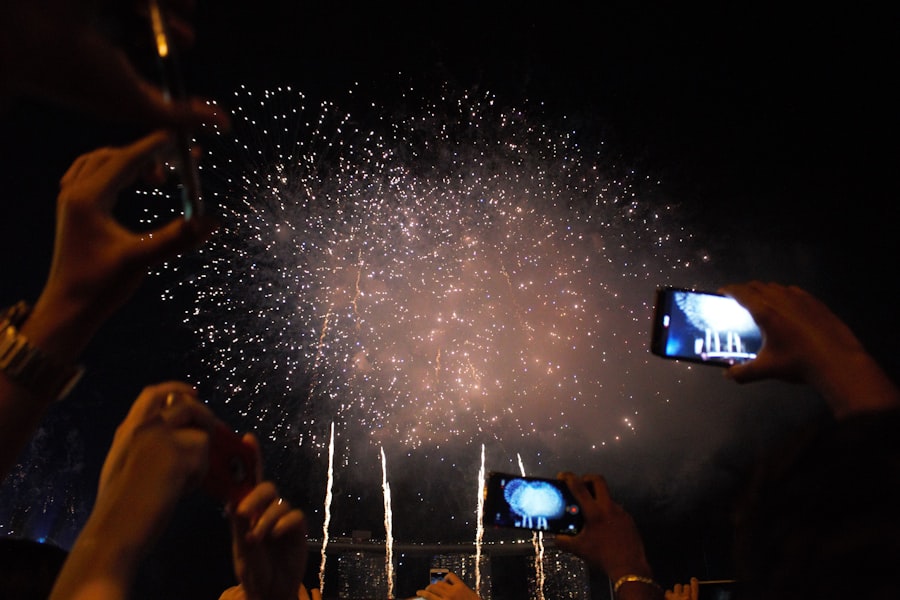
Fireworks have become synonymous with Independence Day celebrations, lighting up the night sky in a dazzling display of color and sound. The tradition of fireworks dates back to the very first anniversary of independence in 1777 when they were used to commemorate the occasion. Over time, this practice has grown into a national spectacle, with cities across the country hosting elaborate firework shows that draw large crowds.
The sight of fireworks bursting in vibrant colors against the backdrop of a darkened sky evokes feelings of joy and patriotism, making it a cherished part of the holiday. In addition to fireworks, many communities organize various festivities that enhance the celebratory atmosphere. Concerts featuring patriotic music, such as “The Star-Spangled Banner” and “America the Beautiful,” are common, often culminating in a grand finale of fireworks.
Local fairs and festivals may include games, contests, and food stalls offering traditional American fare. These events create an environment where people can come together to celebrate their freedom while enjoying entertainment and camaraderie with fellow citizens.
The Meaning of Independence Day
| Aspect | Metric |
|---|---|
| Historical Significance | Declaration of Independence from British rule |
| Celebration | Fireworks, parades, barbecues, concerts |
| National Symbols | American flag, Statue of Liberty, bald eagle |
| Values | Freedom, democracy, equality |
| Traditions | Reading the Declaration of Independence, family gatherings |
Independence Day holds profound meaning for Americans as it symbolizes the values of freedom, democracy, and self-determination. It serves as a reminder of the sacrifices made by those who fought for independence and the principles upon which the nation was founded. The day encourages reflection on the importance of liberty and justice for all, prompting citizens to consider their role in upholding these ideals.
It is a time to honor not only the past but also the ongoing struggle for equality and civil rights that continues to shape the nation. Moreover, Independence Day fosters a sense of national identity and unity among Americans. Regardless of background or beliefs, citizens come together to celebrate their shared heritage and commitment to democratic principles.
In this way, Independence Day transcends mere celebration; it becomes a moment for introspection and reaffirmation of one’s dedication to the values that define the nation.
The Role of the Declaration of Independence
The Declaration of Independence is not merely a historical document; it is a cornerstone of American democracy that continues to resonate today. Its eloquent articulation of individual rights and government accountability has inspired countless movements for freedom around the world. The declaration asserts that all men are created equal and endowed with certain unalienable rights—life, liberty, and the pursuit of happiness—principles that have become foundational to American identity.
The impact of the Declaration extends beyond its immediate context; it has served as a guiding light for various social justice movements throughout history. From abolitionists fighting against slavery to civil rights activists advocating for equality, the declaration’s ideals have been invoked as a rallying cry for change. As Americans celebrate Independence Day each year, they are reminded not only of their nation’s founding but also of their ongoing commitment to ensuring that these principles are upheld for all citizens.
National Symbols and Traditions
The American Flag: A Symbol of Unity and Resilience
The American flag, often displayed prominently during celebrations, represents unity and resilience. Its red, white, and blue colors symbolize valor, purity, and justice—qualities that resonate deeply with the nation’s identity.
The Bald Eagle: A Representation of Freedom and Strength
Many families take time on July 4th to display flags at their homes or participate in flag-raising ceremonies as a way to honor their country. Another significant symbol associated with Independence Day is the bald eagle, which serves as a representation of freedom and strength. This majestic bird has become an emblem of American ideals and is often featured in various forms during celebrations.
Traditions that Reinforce National Pride
Additionally, traditions such as singing “The Star-Spangled Banner” before public events reinforce national pride and remind citizens of their shared heritage. These symbols and traditions contribute to a collective sense of belonging among Americans as they come together to celebrate their independence.
Fourth of July Food and Drink
No celebration is complete without food and drink, and Independence Day is no exception. Traditional Fourth of July fare often includes classic American dishes that reflect the spirit of summer gatherings. Barbecues are particularly popular, featuring grilled hamburgers, hot dogs, ribs, and an array of side dishes such as coleslaw, potato salad, and corn on the cob.
In addition to savory dishes, desserts play a significant role in Fourth of July festivities. Red, white, and blue-themed treats such as berry pies, flag cakes adorned with strawberries and blueberries, and ice cream sundaes are common sights at gatherings.
Refreshing beverages like lemonade or iced tea are also popular choices to keep guests cool during summer celebrations. Sharing food and drink during Independence Day festivities fosters a sense of community and togetherness as families and friends come together to enjoy each other’s company while honoring their nation’s history.
The Importance of Celebrating Independence Day
Celebrating Independence Day is essential for fostering national unity and pride among Americans. It serves as an opportunity for citizens to reflect on their shared history while recognizing the sacrifices made by those who fought for freedom. By coming together to celebrate this day each year, individuals reaffirm their commitment to upholding democratic values and ensuring that liberty remains accessible to all.
Moreover, Independence Day celebrations provide a platform for educating future generations about their nation’s history and values. As families gather to partake in festivities, they pass down stories about the significance of independence and the importance of civic engagement. This transmission of knowledge helps instill a sense of responsibility in young people as they grow into active participants in democracy.
Ultimately, celebrating Independence Day is not just about honoring the past; it is about shaping a future where freedom and justice continue to thrive for all Americans.
On the 4th of July federal holiday, many Americans celebrate with fireworks, barbecues, and parades to commemorate the Declaration of Independence. This holiday holds significant historical importance as it marks the day the United States declared its independence from British rule. For more information on the history and traditions of Independence Day, check out this article on boogger.com.
FAQs
What is the 4th of July federal holiday?
The 4th of July federal holiday, also known as Independence Day, is a national holiday in the United States that commemorates the adoption of the Declaration of Independence on July 4, 1776.
Is the 4th of July a federal holiday?
Yes, the 4th of July is a federal holiday in the United States. It is a day off for most federal employees, as well as for many state and local government employees.
How is the 4th of July celebrated?
The 4th of July is typically celebrated with fireworks, parades, barbecues, picnics, and various other public and private events. It is a day for Americans to come together and celebrate the birth of their nation.
What is the significance of the 4th of July?
The 4th of July is significant because it marks the day that the United States declared its independence from Great Britain. It is a symbol of freedom and democracy for the American people.
Do businesses and schools close on the 4th of July?
Many businesses and schools are closed on the 4th of July in observance of the federal holiday. However, some businesses, such as restaurants and retail stores, may remain open for the holiday.