Now Reading: Iran Declared War: Global Impact and Implications
-
01
Iran Declared War: Global Impact and Implications
Iran Declared War: Global Impact and Implications
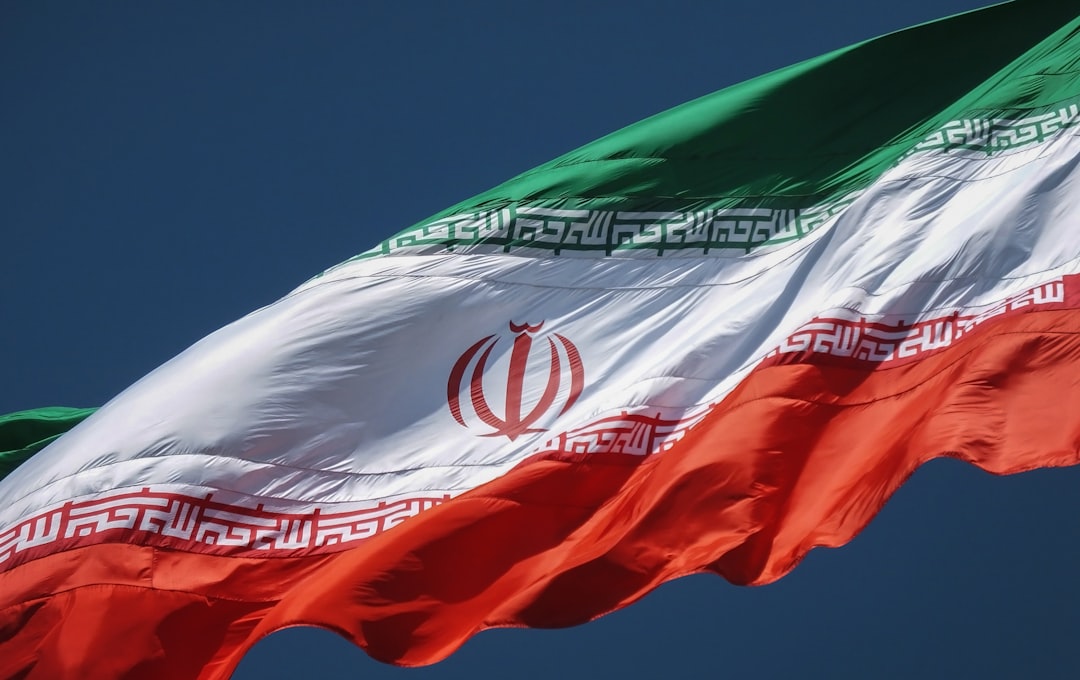
The geopolitical landscape of the Middle East has been fraught with tension for decades, but the recent declaration of war by Iran marks a significant escalation in hostilities that could reverberate across the globe. This declaration, which came in response to a series of provocations and perceived threats from both regional adversaries and Western powers, signals a shift in Iran’s strategic posture. The Iranian government, led by its Supreme Leader and military commanders, has framed this declaration as a necessary measure to protect national sovereignty and counteract foreign aggression.
The implications of this decision are profound, not only for Iran but also for the broader international community. Iran’s military capabilities, including its missile technology and proxy forces throughout the region, pose a formidable challenge to its adversaries. The declaration of war is not merely a rhetorical flourish; it is backed by a military doctrine that emphasizes asymmetric warfare and the use of non-state actors.
This approach complicates the response from other nations, as it blurs the lines between conventional and unconventional warfare. As the world watches closely, the potential for escalation into a wider conflict looms large, raising questions about the stability of the region and the safety of global trade routes.
Key Takeaways
- Iran’s declaration of war has triggered immediate volatility in global markets and oil prices.
- Neighboring countries and allies are responding cautiously, with concerns over regional stability and security.
- Diplomatic efforts are underway to de-escalate tensions and prevent wider military involvement.
- The conflict risks causing a refugee crisis and significant humanitarian challenges.
- Long-term effects may reshape global politics, alliances, and international trade dynamics.
Immediate impact on global markets and economy
The immediate aftermath of Iran’s declaration of war has sent shockwaves through global markets, leading to heightened volatility in stock exchanges and commodity prices. Investors, reacting to the uncertainty surrounding geopolitical tensions, have exhibited a flight to safety, driving up the prices of gold and other safe-haven assets. The Dow Jones Industrial Average, for instance, experienced a significant drop within days of the announcement, reflecting investor anxiety over potential disruptions in global trade and economic stability.
Moreover, the energy sector has been particularly affected, with oil prices surging as traders anticipate potential supply disruptions. Brent crude oil prices jumped by over 10% within hours of the declaration, highlighting the market’s sensitivity to geopolitical events in oil-producing regions. Analysts predict that sustained conflict could lead to prolonged price increases, impacting not only energy-dependent economies but also consumers worldwide.
The interconnectedness of global markets means that even countries far removed from the conflict will feel the economic repercussions, underscoring the importance of diplomatic efforts to mitigate tensions.
Potential effects on global oil supply and prices
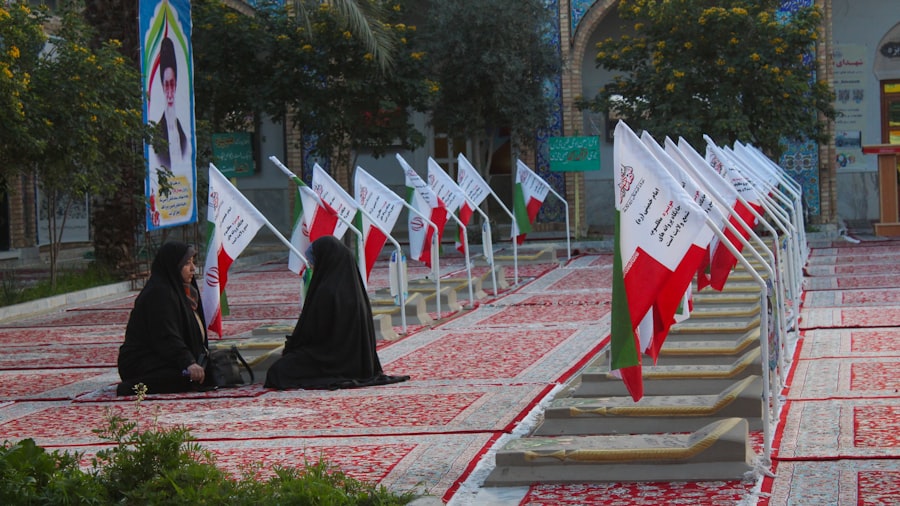
Iran’s strategic position in the Strait of Hormuz, through which approximately 20% of the world’s oil supply transits daily, places it at the center of global energy security concerns. A declaration of war raises fears of potential blockades or military confrontations in this critical maritime chokepoint. Such scenarios could lead to significant disruptions in oil shipments, resulting in skyrocketing prices and increased costs for consumers and businesses alike.
In addition to immediate price spikes, analysts warn that prolonged conflict could lead to structural changes in global oil supply chains. Countries reliant on Iranian oil may seek alternative sources, further destabilizing existing trade relationships. The Organization of the Petroleum Exporting Countries (OPEC) may also face pressure to adjust production levels in response to fluctuating demand and supply uncertainties.
As nations scramble to secure energy resources, geopolitical alliances may shift, with countries reassessing their energy dependencies and diversifying their sources.
Response from neighboring countries and allies
The response from neighboring countries has been swift and multifaceted, reflecting a complex web of alliances and rivalries in the region. Nations such as Saudi Arabia and Israel have expressed strong condemnation of Iran’s actions, viewing them as a direct threat to their national security. Both countries have ramped up military readiness and are likely to increase intelligence-sharing efforts with Western allies to counter any Iranian aggression.
Conversely, countries with closer ties to Iran, such as Iraq and Syria, may find themselves caught in a precarious position. While they may express solidarity with Tehran, they also face pressure from Western powers to distance themselves from Iran’s military ambitions. This delicate balancing act could lead to increased tensions within these nations as they navigate their relationships with both Iran and its adversaries.
The potential for regional alliances to shift dramatically in response to Iran’s declaration cannot be underestimated.
Impact on regional stability and security
| Event | Date | Context | Parties Involved | Outcome |
|---|---|---|---|---|
| Iran Declares War on Iraq | September 22, 1980 | Start of the Iran-Iraq War | Iran, Iraq | Prolonged conflict lasting 8 years with heavy casualties on both sides |
| Iran Declares War on ISIS | 2014 | Iran’s involvement in the fight against ISIS in Iraq and Syria | Iran, ISIS | Iran-backed forces helped push ISIS out of key territories |
| Iran Declares War on Israel (Rhetorical) | Various statements since 1979 | Political and ideological conflict | Iran, Israel | Ongoing tension without formal war declaration |
The declaration of war by Iran has profound implications for regional stability and security dynamics. The Middle East has long been characterized by sectarian divisions and power struggles, and this latest escalation threatens to exacerbate existing tensions. The potential for proxy conflicts involving Iranian-backed militias in Lebanon, Yemen, and Iraq raises concerns about a wider regional conflagration that could draw in multiple actors.
Furthermore, the risk of miscalculation or accidental engagement between Iranian forces and those of its adversaries is heightened in this volatile environment. Military confrontations could easily spiral out of control, leading to unintended consequences that destabilize not only Iran but also its neighbors. The international community must remain vigilant in monitoring these developments to prevent further escalation and protect civilian populations caught in the crossfire.
Potential refugee crisis and humanitarian implications
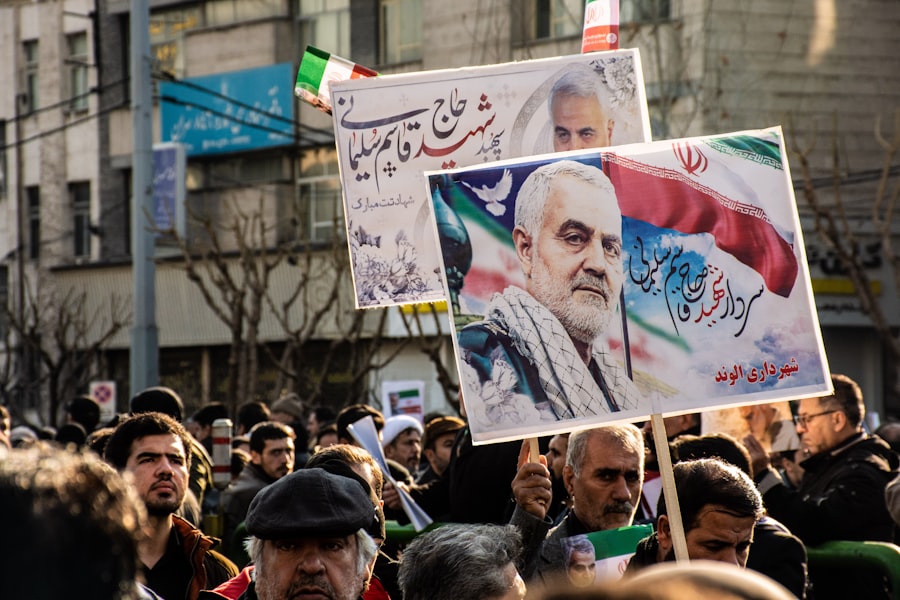
As conflict escalates, the humanitarian implications are dire. A declaration of war often leads to mass displacement as civilians flee violence and seek refuge in safer areas or neighboring countries. The potential for a refugee crisis is significant, particularly given Iran’s history of regional influence and involvement in conflicts across the Middle East.
Countries bordering Iran may face overwhelming pressures on their resources as they attempt to accommodate an influx of refugees. Humanitarian organizations are likely to be called upon to provide assistance, but access to affected areas may be severely restricted due to ongoing hostilities. The international community must prepare for potential humanitarian interventions while advocating for peaceful resolutions that prioritize civilian safety.
Diplomatic efforts to de-escalate tensions
In light of the escalating situation, diplomatic efforts are crucial for de-escalating tensions and preventing further conflict. International actors such as the United Nations and regional organizations must engage all parties involved in dialogue aimed at finding common ground. Diplomatic channels should be utilized to address grievances and seek peaceful resolutions that respect national sovereignty while promoting regional stability.
Efforts may include negotiations for ceasefires or confidence-building measures that can help reduce hostilities on both sides. Engaging influential nations with ties to Iran, such as Russia or China, may also prove beneficial in facilitating dialogue. Ultimately, sustained diplomatic engagement is essential for mitigating risks associated with military escalation and fostering an environment conducive to peace.
Potential military involvement from other countries
The declaration of war by Iran raises questions about potential military involvement from other countries, particularly those aligned with its adversaries. The United States has historically maintained a significant military presence in the region, and its response will be closely monitored by both allies and adversaries alike. Should hostilities escalate further, there is a possibility that coalition forces may be mobilized to counter Iranian aggression.
Additionally, NATO allies may reassess their military commitments in light of evolving threats posed by Iran’s actions. The prospect of direct military engagement carries significant risks, including potential escalation into a broader conflict that could involve multiple nations. As such, careful consideration must be given to any military response while prioritizing diplomatic avenues for resolution.
Implications for international trade and commerce
The ramifications of Iran’s declaration extend beyond military considerations; they also pose significant challenges for international trade and commerce. Disruptions in oil supply chains can lead to increased shipping costs and delays, impacting global supply networks that rely on timely deliveries. Industries such as manufacturing and transportation may experience ripple effects as costs rise and availability fluctuates.
Furthermore, sanctions imposed by Western nations could further complicate trade relationships with countries that maintain economic ties with Iran. Businesses operating in or trading with affected regions must navigate an increasingly complex landscape characterized by uncertainty and risk. Companies may need to reassess their supply chains and consider diversifying their sources to mitigate potential disruptions.
Human rights concerns and potential violations
In times of conflict, human rights concerns often come to the forefront as civilian populations bear the brunt of hostilities. Reports of potential human rights violations during military engagements raise alarms about the treatment of non-combatants caught in crossfire or targeted by military operations. The international community must remain vigilant in monitoring these developments and advocating for accountability.
Humanitarian organizations play a critical role in documenting abuses and providing assistance to affected populations. Ensuring access to humanitarian aid is paramount in mitigating suffering during times of conflict. Advocacy efforts should focus on protecting civilians’ rights while holding accountable those responsible for violations.
Long-term implications for global politics and alliances
The long-term implications of Iran’s declaration of war extend far beyond immediate military concerns; they have the potential to reshape global politics and alliances for years to come. As nations reassess their strategic priorities in light of evolving threats, new alliances may emerge while existing ones are tested.
Countries may seek closer ties with emerging powers or reevaluate their relationships with traditional allies based on perceived threats or opportunities for collaboration. The evolving geopolitical landscape necessitates ongoing analysis and engagement from policymakers worldwide. In summary, Iran’s declaration of war represents a pivotal moment in contemporary geopolitics with far-reaching consequences for global markets, regional stability, humanitarian conditions, and international relations.
As tensions escalate, it is imperative that diplomatic efforts are prioritized alongside vigilance regarding human rights concerns and potential military involvement from external actors. The international community must work collaboratively to navigate this complex landscape while striving for peace and stability in an increasingly uncertain world.
In light of recent developments regarding Iran’s declaration of war, it is essential to stay informed about the broader implications of such geopolitical events. For a deeper understanding of how historical contexts shape current conflicts, you might find the article on celebrating Columbus Day particularly insightful, as it explores the complexities of honoring historical figures and events. You can read more about it here: Celebrating Columbus Day: Honoring a Controversial Holiday.
FAQs
What does it mean when Iran declares war?
When Iran declares war, it officially announces a state of armed conflict against another country or entity, signaling the start of military hostilities.
Has Iran officially declared war in recent history?
Iran has not formally declared war in recent decades, although it has been involved in various military conflicts and proxy wars in the region.
What are the implications of Iran declaring war?
A declaration of war by Iran would escalate regional tensions, potentially lead to widespread military conflict, impact global oil markets, and involve international diplomatic and military responses.
Who might Iran declare war against?
Potential adversaries could include countries with which Iran has longstanding conflicts or disputes, such as Israel, Saudi Arabia, or the United States, though this depends on evolving geopolitical circumstances.
How does international law view declarations of war?
International law requires that declarations of war be made formally and that parties adhere to the laws of armed conflict, including protections for civilians and prisoners of war.
What are the possible consequences for civilians if Iran declares war?
Civilian populations could face displacement, casualties, economic hardship, and disruption of essential services due to military operations and retaliatory actions.
How might the global community respond to Iran declaring war?
Responses could include diplomatic efforts to de-escalate the conflict, economic sanctions, military alliances, or interventions depending on the nature and scale of the war.
Can a declaration of war be reversed or ended?
Yes, wars can end through peace treaties, ceasefires, or negotiations, which formally conclude hostilities and establish terms for peace.