Now Reading: Japan Earthquake and Tsunami Warning
-
01
Japan Earthquake and Tsunami Warning
Japan Earthquake and Tsunami Warning
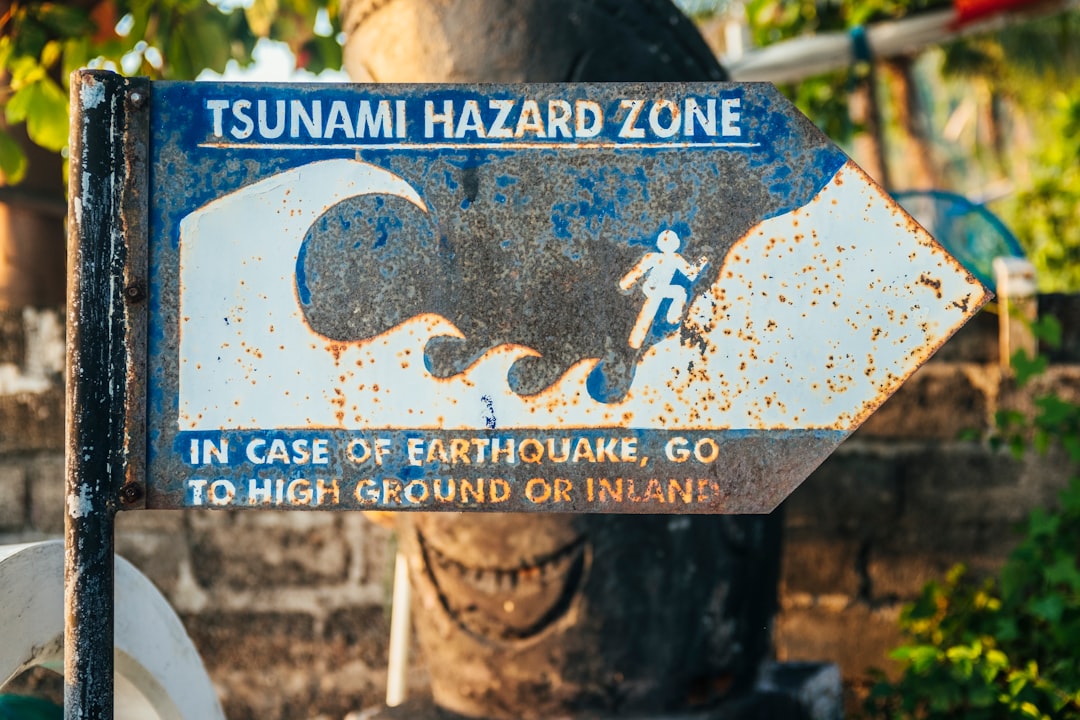
Japan is an island nation located on the Pacific Ring of Fire, where multiple tectonic plates converge, creating conditions that generate frequent earthquakes and tsunamis.
Documented earthquake activity in Japan dates back to the 7th century.
The 1707 Hōei earthquake, measuring magnitude 8.6, caused significant damage across central Japan and triggered a tsunami along the Pacific coast. More recently, the March 11, 2011 Tōhoku earthquake registered magnitude 9.0, making it one of the most powerful earthquakes ever recorded. The resulting tsunami reached heights of up to 40 meters in some areas and traveled up to 10 kilometers inland, causing 15,899 deaths, 2,527 missing persons, and extensive damage to infrastructure including the Fukushima Daiichi Nuclear Power Plant.
Japan’s exposure to seismic hazards has influenced its architectural practices, emergency preparedness systems, and disaster management policies. Building codes require earthquake-resistant construction techniques, including base isolation systems and flexible structural designs. The government maintains an extensive earthquake monitoring network and early warning system that can provide seconds to minutes of advance notice before strong shaking begins.
Regular disaster drills are conducted in schools, workplaces, and communities to ensure public preparedness for seismic events.
Key Takeaways
- Japan has a long history of devastating earthquakes and tsunamis, shaping its disaster preparedness strategies.
- The Japan Meteorological Agency plays a crucial role in detecting seismic activity and issuing timely warnings.
- Advanced technology and early warning systems are vital in minimizing damage and saving lives during earthquakes and tsunamis.
- Effective communication methods ensure the public receives warnings quickly and can take appropriate safety measures.
- Japan’s experiences provide valuable lessons for improving global earthquake and tsunami preparedness and response.
The Science Behind Earthquake and Tsunami Warnings
Understanding the science behind earthquake and tsunami warnings is crucial for effective disaster management. Earthquakes occur when accumulated stress along geological faults exceeds the strength of rocks, resulting in sudden energy release. This energy propagates as seismic waves, which can be detected by seismographs.
The magnitude of an earthquake is measured on the Richter scale or moment magnitude scale (Mw), with each unit increase representing a tenfold increase in amplitude and approximately 31.6 times more energy release. Tsunamis are generated primarily by underwater earthquakes, particularly those occurring at subduction zones where one tectonic plate is forced beneath another. The displacement of water caused by the sudden movement of the seafloor generates waves that can travel across entire ocean basins at speeds exceeding 500 miles per hour.
As these waves approach shallow coastal waters, they slow down but increase in height, often resulting in devastating impacts upon landfall. Early detection systems utilize a combination of seismic data and ocean buoys to monitor changes in sea level, enabling timely warnings to be issued to at-risk populations.
The Role of the Japan Meteorological Agency in Earthquake and Tsunami Warnings

The Japan Meteorological Agency (JMA) plays a pivotal role in monitoring seismic activity and issuing warnings for earthquakes and tsunamis. Established in 1875, the JMA has evolved into a sophisticated organization equipped with advanced technology for real-time data collection and analysis. Utilizing a network of over 1,000 seismometers across the country, the agency can detect seismic events within seconds of occurrence, providing critical information regarding magnitude, depth, and location.
In addition to earthquake monitoring, the JMA is responsible for tsunami forecasting. The agency employs a combination of seismic data and oceanographic models to predict tsunami behavior and potential impact zones. Upon detecting an earthquake that meets specific criteria, the JMA issues tsunami advisories or warnings to inform local authorities and the public.
This proactive approach is essential for minimizing casualties and facilitating timely evacuations in coastal areas.
How Japan Prepares for Earthquakes and Tsunamis
Japan’s preparedness for earthquakes and tsunamis is multifaceted, encompassing public education, infrastructure development, and community engagement. Regular disaster drills are conducted nationwide to familiarize citizens with emergency protocols and evacuation routes. Schools, businesses, and local governments participate in these exercises to ensure that individuals are equipped with the knowledge and skills necessary to respond effectively during an actual event.
Infrastructure resilience is another critical component of Japan’s preparedness strategy. Building codes have been rigorously updated to incorporate advanced engineering techniques that enhance structural integrity against seismic forces. High-rise buildings are designed with flexible materials that allow for controlled swaying during earthquakes, while coastal structures are fortified to withstand tsunami impacts.
Additionally, early warning systems are integrated into public transportation networks, allowing for rapid response measures to be implemented during seismic events.
The Impact of Earthquakes and Tsunamis on Japan’s Infrastructure
| Metric | Value | Description |
|---|---|---|
| Average Annual Earthquakes | 1,500+ | Number of earthquakes detected annually in Japan |
| Major Earthquakes (Magnitude 6+) | 20-30 | Number of significant earthquakes per year |
| Tsunami Warning Issuance Time | Within 3 minutes | Time taken to issue tsunami warnings after an earthquake |
| Warning Dissemination Methods | TV, Radio, Mobile Alerts, Sirens | Channels used to alert the public |
| Evacuation Timeframe | 10-30 minutes | Recommended time for evacuation after warning |
| Number of Tsunami Warning Stations | ~1,200 | Coastal monitoring stations for tsunami detection |
| Historical Tsunami Events | Significant events in 2011, 1993, 1896 | Major tsunami occurrences in recent history |
| Public Awareness Programs | Annual Drills & Education | Efforts to prepare citizens for earthquakes and tsunamis |
The impact of earthquakes and tsunamis on Japan’s infrastructure can be profound and far-reaching. The 2011 Tōhoku earthquake serves as a stark reminder of the vulnerabilities inherent in urban planning and construction practices. The disaster resulted in extensive damage to transportation networks, including roads, railways, and airports, disrupting supply chains and emergency response efforts.
Furthermore, critical infrastructure such as power plants and water treatment facilities faced significant challenges, leading to widespread outages and contamination concerns. In response to these challenges, Japan has invested heavily in infrastructure resilience initiatives. The government has allocated substantial resources toward retrofitting existing structures and developing new projects that prioritize disaster resistance.
This includes the construction of seawalls, flood barriers, and early warning systems designed to mitigate the impact of future seismic events on urban environments.
The Importance of Early Warning Systems in Earthquake and Tsunami Preparedness
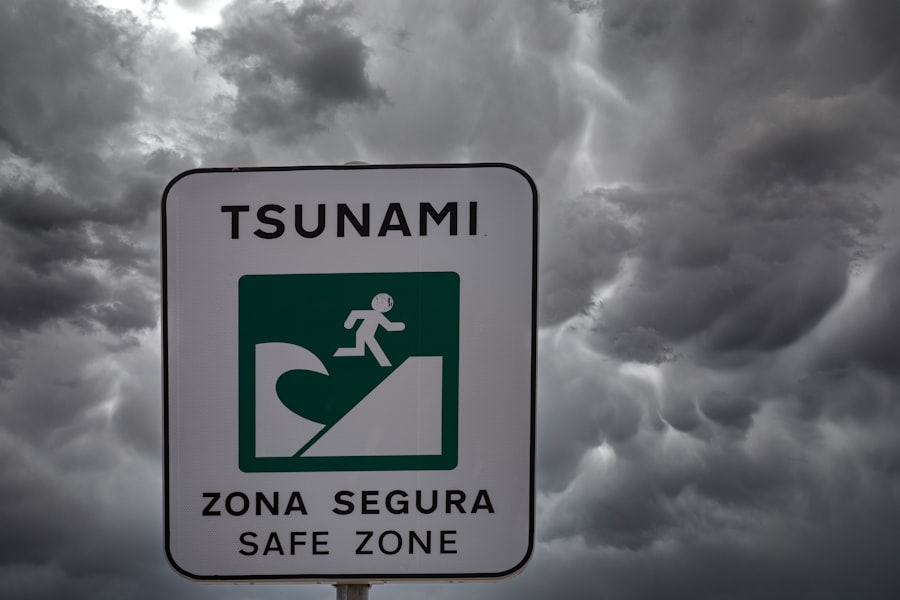
Early warning systems are integral to Japan’s disaster preparedness framework, providing critical information that can save lives during seismic events. These systems rely on a combination of real-time data collection from seismometers and ocean buoys to detect earthquakes and predict tsunami behavior. By issuing alerts within seconds of an earthquake’s occurrence, authorities can provide timely information to at-risk populations, enabling them to take protective measures.
The effectiveness of early warning systems is contingent upon public awareness and education. Citizens must understand how to respond to alerts and recognize the significance of evacuation orders. Continuous outreach efforts by government agencies aim to enhance community preparedness by disseminating information about warning systems and emergency protocols.
This proactive approach fosters a culture of resilience that empowers individuals to act swiftly during crises.
How Japan Communicates Earthquake and Tsunami Warnings to the Public
Effective communication is paramount in ensuring that earthquake and tsunami warnings reach the public promptly and accurately. The JMA employs multiple channels to disseminate information, including television broadcasts, radio announcements, mobile alerts, and social media platforms. This multi-faceted approach ensures that individuals receive timely updates regardless of their location or access to technology.
In addition to traditional media channels, Japan has implemented innovative communication strategies such as community loudspeakers and text message alerts. Local governments collaborate with telecommunications companies to send emergency notifications directly to mobile devices in affected areas. This comprehensive communication network enhances situational awareness among citizens and facilitates coordinated response efforts during emergencies.
The International Response to Japan’s Earthquake and Tsunami Warnings
Japan’s experience with earthquakes and tsunamis has garnered international attention, prompting collaborative efforts aimed at enhancing global preparedness for similar disasters. Following significant seismic events, countries around the world have expressed solidarity with Japan by offering assistance in various forms, including financial aid, technical expertise, and humanitarian support. International organizations such as the United Nations Office for Disaster Risk Reduction (UNDRR) have recognized Japan’s advanced warning systems as a model for other nations seeking to improve their disaster response capabilities.
Collaborative initiatives focus on knowledge sharing, capacity building, and the development of standardized protocols for earthquake and tsunami preparedness on a global scale.
The Psychological Impact of Earthquakes and Tsunamis on Japan’s Population
The psychological impact of earthquakes and tsunamis extends beyond physical destruction; it profoundly affects mental health within affected communities. Survivors often experience post-traumatic stress disorder (PTSD), anxiety disorders, depression, and other mental health challenges as a result of their experiences during disasters. The emotional toll can persist long after the immediate crisis has subsided.
Recognizing this issue, mental health professionals in Japan have developed targeted interventions aimed at supporting individuals affected by seismic events. Community-based programs provide counseling services, support groups, and educational resources to help individuals cope with trauma-related symptoms. Additionally, public awareness campaigns aim to destigmatize mental health issues associated with disasters, encouraging individuals to seek help when needed.
The Role of Technology in Improving Earthquake and Tsunami Warnings
Technological advancements have revolutionized earthquake and tsunami warning systems in Japan. Innovations such as satellite-based monitoring systems enhance data accuracy while improving response times during seismic events. Real-time data analytics enable authorities to assess potential impacts more effectively, allowing for informed decision-making regarding evacuations and resource allocation.
Furthermore, mobile applications have emerged as valuable tools for disseminating information about earthquakes and tsunamis directly to users’ smartphones. These applications provide real-time alerts, safety tips, and evacuation routes tailored to individual locations.
Lessons Learned from Japan’s Earthquake and Tsunami Warnings for Global Preparedness
Japan’s experience with earthquakes and tsunamis offers invaluable lessons for global preparedness efforts. Key takeaways include the importance of investing in resilient infrastructure, developing comprehensive early warning systems, fostering community engagement through education initiatives, and prioritizing mental health support for affected populations. Countries facing similar seismic risks can benefit from adopting best practices established by Japan’s disaster management framework while tailoring strategies to their unique contexts.
Collaborative efforts among nations can facilitate knowledge sharing and capacity building aimed at enhancing global resilience against natural disasters. In summary, Japan’s history with earthquakes and tsunamis underscores the need for robust preparedness strategies that encompass scientific understanding, technological innovation, community engagement, effective communication, mental health support, and international collaboration. By learning from past experiences and continuously improving disaster response capabilities, nations can better protect their populations from the devastating impacts of these natural phenomena.
In light of the recent earthquake and tsunami warnings in Japan, it’s crucial to stay informed about natural disaster preparedness. For those interested in understanding more about how to navigate emergencies, you might find this article on federal holidays and their significance helpful: Federal Holiday Honoring Our Nation. While it may not directly address tsunamis, it emphasizes the importance of community and awareness during challenging times.
FAQs
What causes earthquakes and tsunamis in Japan?
Japan is located along the Pacific “Ring of Fire,” where several tectonic plates meet. The movement and collision of these plates cause frequent earthquakes. Undersea earthquakes can displace large volumes of water, leading to tsunamis.
How does Japan warn its population about earthquakes and tsunamis?
Japan uses an advanced early warning system that detects seismic activity and issues alerts via television, radio, mobile phones, and public loudspeakers. The system provides seconds to minutes of warning before strong shaking or tsunami waves arrive.
What should people do when they receive an earthquake or tsunami warning in Japan?
Upon receiving a warning, people should immediately take cover to protect themselves from shaking. If a tsunami warning is issued, they should evacuate to higher ground or designated safe areas as quickly as possible.
How effective are Japan’s earthquake and tsunami warning systems?
Japan’s warning systems are among the most advanced in the world and have saved many lives by providing crucial seconds to minutes of advance notice. However, the effectiveness depends on timely public response and preparedness.
Are tsunamis common in Japan?
While not every earthquake causes a tsunami, Japan has experienced several devastating tsunamis in its history due to its geographic location. Coastal areas remain at risk, especially after large undersea earthquakes.
What measures has Japan taken to mitigate tsunami damage?
Japan has constructed seawalls, tsunami evacuation routes, and designated shelters. Public education campaigns and regular drills help ensure that residents know how to respond during an emergency.
Can earthquakes and tsunamis be predicted in Japan?
While precise prediction of the exact time and location of earthquakes and tsunamis is currently not possible, Japan’s monitoring systems can detect seismic activity quickly and issue early warnings to reduce harm.
Where can I find real-time earthquake and tsunami information for Japan?
Real-time information is available from the Japan Meteorological Agency (JMA) website, mobile apps, and international monitoring organizations. Local authorities also provide updates during emergencies.