Now Reading: The Ultimate Guide to Champions League
-
01
The Ultimate Guide to Champions League
The Ultimate Guide to Champions League

The UEFA Champions League stands as the pinnacle of club football in Europe, captivating millions of fans worldwide with its thrilling matches and high-stakes competition. Established in 1955, this prestigious tournament showcases the elite clubs from various European leagues, pitting them against one another in a quest for glory. The Champions League is not merely a football competition; it embodies the spirit of excellence, ambition, and the relentless pursuit of victory.
Each season, clubs vie for the coveted trophy, which symbolizes not only triumph on the pitch but also the rich history and tradition of European football. The allure of the Champions League lies in its ability to bring together the best talent from across the continent. Fans eagerly anticipate the group stages, knockout rounds, and ultimately, the grand final, where legends are born and history is written.
The tournament has evolved over the decades, adapting to changes in the football landscape while maintaining its core values of competition and sportsmanship. As we delve deeper into the intricacies of this illustrious tournament, we will explore its history, structure, key players, and the profound impact it has on European football.
Key Takeaways
- The Champions League is Europe’s premier club football competition with a rich history and evolving format.
- Qualification involves top teams from various European leagues competing through group and knockout stages.
- Iconic clubs and legendary players have shaped memorable moments and records in the tournament.
- The competition significantly influences European football’s popularity, economics, and global reach.
- Fans can watch matches live, engage in betting and fantasy leagues, and anticipate future changes to the tournament.
History of the Champions League
The origins of the Champions League can be traced back to the European Cup, which was inaugurated in 1955. The inaugural tournament featured 16 teams, with Real Madrid emerging as the first champion after defeating Stade de Reims in the final.
Over the years, the tournament has undergone significant transformations, including a rebranding in 1992 that introduced a new format and expanded participation. The Champions League has witnessed numerous memorable moments throughout its history. From iconic matches to legendary players leaving their mark on the competition, each season adds to the rich tapestry of its narrative.
Clubs like AC Milan, Liverpool, and Barcelona have etched their names into history with remarkable performances and unforgettable comebacks. The tournament has also been a platform for emerging talents to showcase their skills on a global stage, further enhancing its reputation as a breeding ground for future stars.
Format and Structure of the Champions League

The structure of the UEFA Champions League is meticulously designed to ensure a competitive balance while maximizing excitement for fans. The tournament begins with a qualification phase, followed by a group stage that features 32 teams divided into eight groups of four. Each team plays home and away matches against their group opponents, with points awarded for wins and draws.
The top two teams from each group advance to the knockout stage, which consists of four rounds: Round of 16, quarter-finals, semi-finals, and the final. The knockout rounds are particularly thrilling, as teams face off in two-legged ties, with aggregate scores determining who progresses to the next stage. The final is held at a neutral venue and is one of the most-watched sporting events globally, drawing millions of viewers eager to witness the culmination of months of intense competition.
The format not only emphasizes skill and strategy but also heightens the drama as clubs strive to secure their place among Europe’s elite.
Qualification for the Champions League
Qualification for the UEFA Champions League is a rigorous process that varies depending on a club’s domestic league performance. Each national association is allocated a certain number of spots based on their UEFA coefficient rankings, which consider factors such as historical performance in European competitions and current league standings. Typically, the top leagues like the English Premier League, La Liga, Serie A, and Bundesliga receive multiple direct entries into the group stage.
Clubs that do not automatically qualify must navigate through several rounds of qualification matches. These preliminary rounds are crucial for lower-ranked leagues aiming to secure a place in the prestigious tournament. The qualification process not only tests a club’s mettle but also provides an opportunity for underdog teams to compete against established giants, adding an element of unpredictability to the tournament.
Key Teams and Players in the Champions League
| Season | Champion | Runner-up | Top Scorer | Number of Goals | Final Venue |
|---|---|---|---|---|---|
| 2022-2023 | Manchester City | Inter Milan | Erling Haaland | 12 | Atatürk Olympic Stadium, Istanbul |
| 2021-2022 | Real Madrid | Liverpool | Karim Benzema | 15 | Stade de France, Paris |
| 2020-2021 | Chelsea | Manchester City | Erling Haaland | 10 | Estádio do Dragão, Porto |
| 2019-2020 | Bayern Munich | Paris Saint-Germain | Robert Lewandowski | 15 | Estádio da Luz, Lisbon |
| 2018-2019 | Liverpool | Tottenham Hotspur | Mohamed Salah | 11 | Wanda Metropolitano, Madrid |
Throughout its storied history, certain clubs have consistently excelled in the Champions League, establishing themselves as powerhouses within European football. Real Madrid holds the record for the most titles won, with an impressive 14 championships to their name.
Equally important are the players who have graced this prestigious tournament. Icons such as Cristiano Ronaldo and Lionel Messi have left an indelible mark on the competition with their extraordinary performances and record-breaking achievements. Emerging talents like Kylian Mbappé and Erling Haaland are also making waves, showcasing their skills on this grand stage.
The interplay between these elite clubs and exceptional players creates an electrifying atmosphere that captivates audiences around the globe.
Memorable Moments in Champions League History
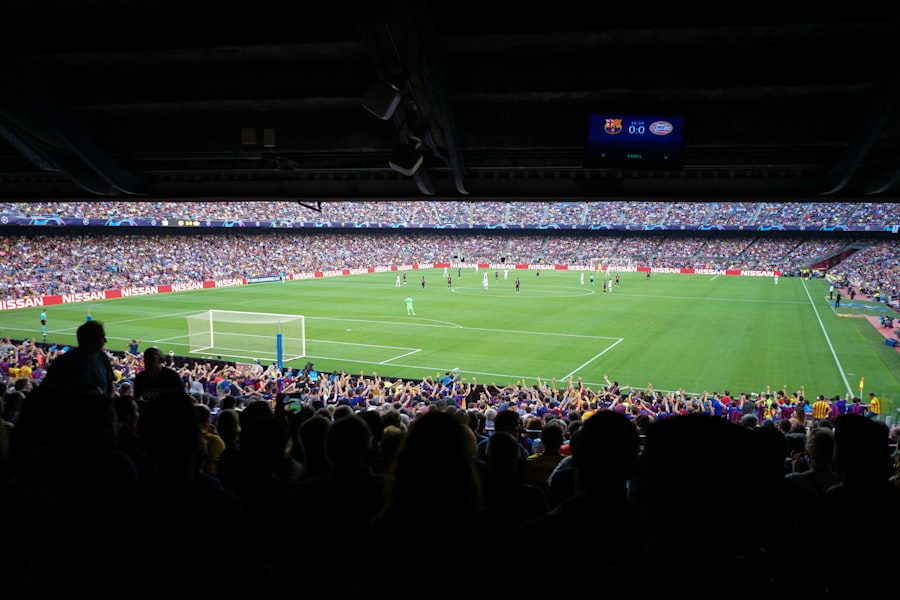
The Champions League has produced countless unforgettable moments that resonate with fans long after they occur. One such instance is Liverpool’s miraculous comeback against AC Milan in the 2005 final held in Istanbul. Trailing 3-0 at halftime, Liverpool staged an incredible revival to level the match at 3-3 before ultimately winning on penalties—a testament to resilience and determination.
Another iconic moment came during Manchester United’s dramatic victory over Bayern Munich in 1999. With mere seconds left on the clock, Teddy Sheringham and Ole Gunnar Solskjær scored two late goals to secure a stunning 2-1 win, completing an unprecedented treble for the club. These moments exemplify why the Champions League is revered; it encapsulates not just skill but also heart-stopping drama that keeps fans on the edge of their seats.
The Impact of the Champions League on European Football
The UEFA Champions League has profoundly influenced European football by elevating standards of play and fostering international competition among clubs. The financial rewards associated with participation have allowed clubs to invest in top-tier talent and infrastructure, leading to an overall enhancement of quality within domestic leagues. This influx of resources has also contributed to increased competitiveness among clubs across Europe.
Moreover, the tournament serves as a platform for cultural exchange among fans from diverse backgrounds. It unites supporters under a shared passion for football while promoting camaraderie and sportsmanship across borders. The global reach of the Champions League has transformed it into a cultural phenomenon that transcends sport, making it an integral part of European identity.
How to Watch the Champions League
Fans eager to catch all the action from the UEFA Champions League have various options available for viewing matches. Major broadcasters around the world secure rights to air games live, providing comprehensive coverage across multiple platforms. In many regions, streaming services offer live broadcasts alongside highlights and analysis programs that enhance viewer engagement.
Additionally, social media platforms have become increasingly popular for following real-time updates and highlights during matches. Fans can engage with fellow supporters through discussions and commentary while staying informed about their favorite teams’ progress throughout the tournament.
Betting and Fantasy Football in the Champions League
The UEFA Champions League has also become a focal point for betting enthusiasts and fantasy football players alike. Numerous betting platforms offer odds on match outcomes, player performances, and various other betting markets that add excitement to each game. Fans can place wagers on everything from match results to individual player statistics, enhancing their engagement with each fixture.
Fantasy football leagues centered around the Champions League allow fans to create their dream teams by selecting players from participating clubs. Points are awarded based on player performances during matches, fostering friendly competition among participants as they strive for supremacy in their leagues.
Champions League Records and Statistics
The UEFA Champions League is replete with records that highlight its competitive nature and showcase individual brilliance. Real Madrid’s Cristiano Ronaldo holds the record for most goals scored in tournament history with an astonishing tally exceeding 130 goals. Additionally, clubs like AC Milan have achieved remarkable feats by winning consecutive titles—a testament to their dominance during specific eras.
Statistics such as total goals scored per season or average attendance figures further illustrate the tournament’s significance within global football culture. These records not only celebrate past achievements but also set benchmarks for future generations of players and clubs striving for greatness.
The Future of the Champions League
As we look ahead to the future of the UEFA Champions League, several factors will shape its evolution. Discussions surrounding potential format changes aim to enhance competitiveness while accommodating an expanding number of clubs eager to participate in this prestigious tournament. Innovations in broadcasting technology may also provide fans with immersive viewing experiences that deepen their connection to matches.
Moreover, ongoing efforts to promote inclusivity within football will likely influence how clubs engage with diverse communities across Europe and beyond. As new talents emerge and clubs adapt to changing dynamics within football governance, one thing remains certain: The UEFA Champions League will continue to be a beacon of excellence in European football for years to come. In summary, the UEFA Champions League represents more than just a football tournament; it embodies passion, rivalry, and excellence within European sport.
From its rich history to its impact on global culture, this competition captivates fans worldwide while shaping future generations of players and clubs alike. As we anticipate what lies ahead for this iconic tournament, one can only imagine how it will continue to evolve while remaining true to its core values of competition and sportsmanship.
As the Champions League continues to captivate football fans around the world, it’s interesting to consider how the dynamics of teamwork and leadership play a crucial role in the success of these elite clubs. For insights into effective leadership qualities, you might find this article on the top qualities to look for when hiring a lawyer in 2025 particularly relevant, as it highlights essential traits that can also be applied to sports management and coaching.
FAQs
What is the UEFA Champions League?
The UEFA Champions League is an annual club football competition organized by the Union of European Football Associations (UEFA) and contested by top-division European clubs. It is one of the most prestigious tournaments in the world and the most prestigious club competition in European football.
When was the UEFA Champions League founded?
The competition was founded in 1955, originally known as the European Champion Clubs’ Cup or simply the European Cup. It was rebranded as the UEFA Champions League in the 1992-1993 season.
How do teams qualify for the Champions League?
Teams qualify for the Champions League based on their performance in their national leagues and cup competitions. The number of teams from each country depends on the UEFA coefficient rankings, which assess the strength of each league.
How is the Champions League structured?
The competition consists of several stages: a group stage followed by knockout rounds including the Round of 16, quarter-finals, semi-finals, and the final. The group stage features 32 teams divided into eight groups of four, with the top two teams from each group advancing to the knockout phase.
Who is the most successful club in Champions League history?
Real Madrid is the most successful club in the history of the Champions League, having won the competition a record 14 times as of 2024.
Where is the Champions League final held?
The final is held at a pre-selected neutral venue, which changes every year. UEFA announces the host city and stadium well in advance of the final.
What is the significance of winning the Champions League?
Winning the Champions League is considered one of the highest achievements in club football. The champion earns a trophy, prize money, and qualification for the UEFA Super Cup and the FIFA Club World Cup.
Can teams from outside Europe participate in the Champions League?
No, the UEFA Champions League is exclusively for European football clubs. Clubs from other continents compete in their respective continental competitions.
How are matches in the knockout stage decided if teams are tied?
If teams are tied on aggregate after two legs in the knockout stage, the match may go to extra time and, if necessary, a penalty shootout to determine the winner. The away goals rule was abolished starting from the 2021-2022 season.
Where can I watch the UEFA Champions League?
The Champions League is broadcast worldwide on various sports networks and streaming platforms. Broadcasting rights vary by country, so viewers should check local listings for availability.