Now Reading: Navigating the Metro B: Your Essential Guide
-
01
Navigating the Metro B: Your Essential Guide
Navigating the Metro B: Your Essential Guide
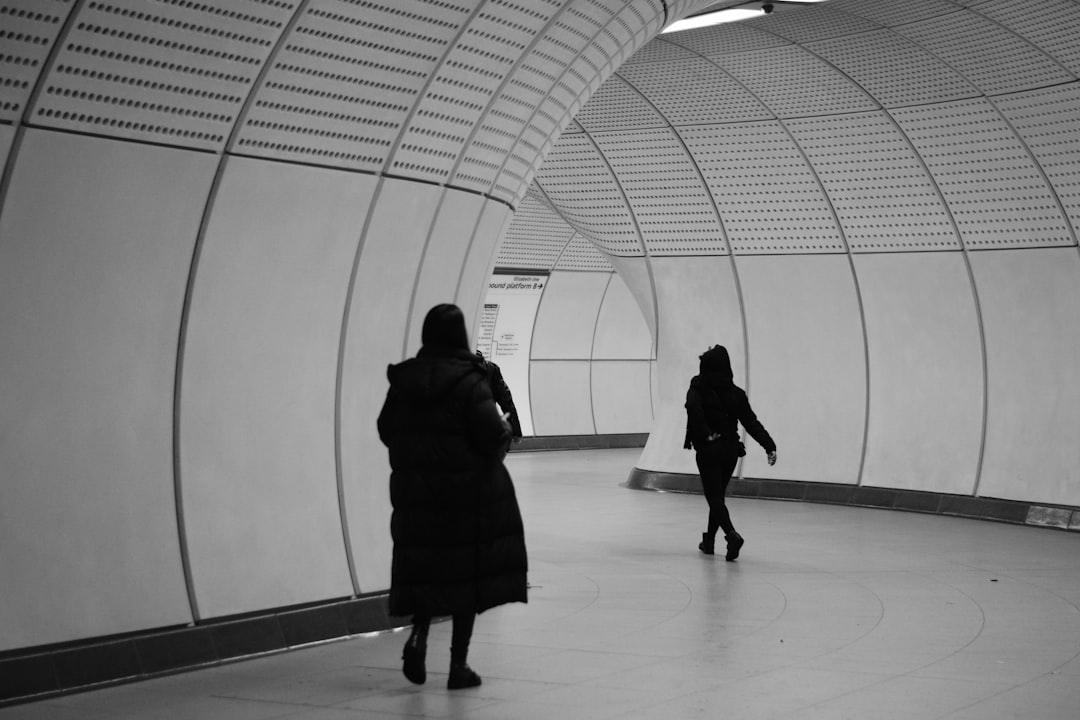
The Metro B System serves as a critical component of urban public transportation infrastructure, designed to provide efficient transit solutions across metropolitan regions. This comprehensive rail network operates multiple train lines and stations, accommodating millions of daily passengers and offering a dependable alternative to automobile transportation. The system features high-speed electric trains engineered for rapid transit operations, delivering significantly reduced travel times compared to conventional bus transportation.
Metro B’s route network connects diverse urban zones including residential neighborhoods, central business districts, and major civic landmarks, establishing it as essential municipal infrastructure. The Metro B System prioritizes passenger accessibility and operational efficiency through strategic planning and modern technology integration. Station locations are positioned to maximize coverage within walking distance of residential areas and significant destinations.
The network incorporates contemporary passenger amenities, including electronic information systems that display real-time schedule data and service status updates. Metro B demonstrates environmental responsibility through implementation of energy-efficient operational technologies and promotion of mass transit as an environmentally sustainable transportation option compared to private vehicle usage.
Key Takeaways
- Learn how to buy tickets and passes for smooth Metro B travel.
- Use the Metro B map and route planning tips to navigate efficiently.
- Follow Metro B etiquette and safety guidelines for a pleasant ride.
- Utilize accessibility services and connections to other metro lines.
- Know service hours and frequencies to plan your trips effectively.
Purchasing Tickets and Passes
Acquiring tickets for the Metro B System is a straightforward process, designed to accommodate both regular commuters and occasional travelers. Passengers can purchase single-ride tickets or opt for multi-ride passes that offer significant savings for frequent users. Ticket vending machines are available at all stations, equipped with user-friendly interfaces that support multiple languages.
These machines accept various payment methods, including cash, credit cards, and mobile payment options, ensuring accessibility for all users. For those who plan to use the Metro B regularly, monthly or annual passes are available. These passes not only provide unlimited travel within specified zones but also often come with additional benefits, such as discounts at local businesses or attractions.
It is advisable to consider the frequency of travel when selecting a ticket type, as this can lead to substantial savings over time. Furthermore, the Metro B System frequently runs promotional campaigns that offer reduced fares during off-peak hours or special events.
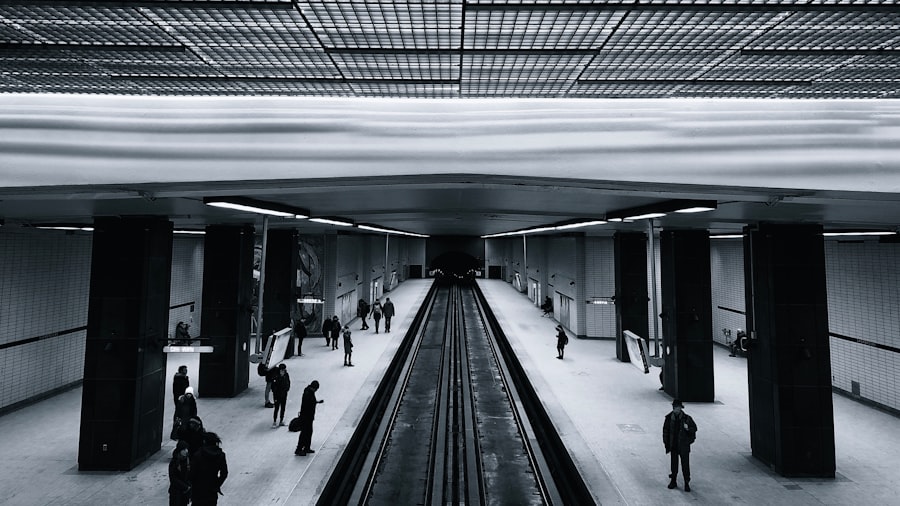
Understanding the Metro B map is crucial for efficient travel within the system. The map is designed to be intuitive, with clear markings indicating different lines, stations, and transfer points. Each line is color-coded, allowing passengers to quickly identify their route and any necessary connections.
Additionally, major landmarks and points of interest are highlighted on the map, making it easier for tourists and newcomers to navigate the city. To effectively utilize the Metro B map, passengers should familiarize themselves with key terminologies such as “transfer stations,” where they can switch from one line to another without exiting the system. It is also beneficial to note the locations of major hubs that serve as central points for multiple lines.
Understanding the layout of the map can significantly reduce travel time and enhance the overall commuting experience.
Finding Your Way Around Metro B Stations
Navigating through Metro B stations can be an efficient process if one is aware of the layout and available facilities. Most stations are designed with clear signage that guides passengers from entry points to platforms. Elevators and escalators are strategically placed to assist those with mobility challenges or heavy luggage.
Additionally, information kiosks staffed by personnel are available at major stations to provide assistance and answer queries. Each station typically features amenities such as restrooms, waiting areas, and retail outlets offering snacks and beverages. It is advisable for passengers to arrive at their station a few minutes early to account for any unforeseen delays or to familiarize themselves with the station layout.
Moreover, many stations are equipped with Wi-Fi services, allowing travelers to stay connected while waiting for their trains.
Understanding Metro B Etiquette
| Metric | Value | Unit |
|---|---|---|
| Line Length | 23.7 | km |
| Number of Stations | 18 | stations |
| Daily Ridership | 350,000 | passengers |
| Operating Hours | 05:00 – 23:30 | hours |
| Train Frequency | 4 | minutes |
| Average Speed | 35 | km/h |
Riding the Metro B System comes with a set of unwritten rules that promote a pleasant experience for all passengers. Observing proper etiquette is essential in maintaining a respectful environment within the trains and stations. For instance, it is important to yield priority seating to elderly individuals, pregnant women, and persons with disabilities.
Additionally, keeping noise levels down by using headphones for music or phone calls contributes to a more comfortable atmosphere for fellow commuters. Another aspect of Metro B etiquette involves maintaining cleanliness within the system. Passengers are encouraged to dispose of trash properly and refrain from eating strong-smelling foods on board.
Respecting personal space is also crucial; standing too close to others can create discomfort during crowded commutes. By adhering to these guidelines, passengers can contribute positively to the overall commuting experience.
Making Connections to Other Metro Lines

The Metro B System is designed to facilitate seamless connections with other metro lines, enhancing overall mobility within the city. Transfer stations are strategically located at key junctions where multiple lines intersect, allowing passengers to switch lines without exiting the system.
To make the most of these connections, it is advisable for passengers to plan their routes in advance using the Metro B map or mobile applications that provide real-time updates on train schedules. Understanding which lines connect at transfer stations can save valuable time during commutes. Additionally, some transfer stations offer amenities such as shops and waiting areas, making it convenient for passengers who may need to wait for their connecting trains.
Accessing Metro B Accessibility Services
The Metro B System prioritizes accessibility for all passengers, including those with disabilities or mobility challenges. Each station is equipped with features such as ramps, elevators, and tactile guidance systems designed to assist individuals in navigating the environment safely. Furthermore, designated seating areas are available on trains for passengers requiring additional support.
For those who may need assistance while traveling, Metro B staff members are trained to provide help upon request. Additionally, information regarding accessibility services can be found on the Metro B website or through customer service hotlines. It is essential for passengers to communicate their needs in advance when possible so that appropriate accommodations can be made.
Planning Your Metro B Route
Effective route planning is key to maximizing efficiency when using the Metro B System. Passengers should consider factors such as travel time, number of transfers required, and peak hours when determining their routes. Utilizing mobile applications that provide real-time information about train schedules and delays can significantly enhance route planning efforts.
Understanding peak travel times can also help avoid overcrowded trains and ensure a more comfortable journey. By taking these factors into account, passengers can navigate the Metro B System with confidence and ease.
Using Metro B for Tourist Attractions
The Metro B System serves as an excellent means of accessing various tourist attractions throughout the city. Many popular destinations are conveniently located near metro stations, allowing visitors to explore without the hassle of parking or navigating traffic congestion. Notable attractions often include museums, parks, shopping districts, and historical sites.
Tourists can benefit from purchasing day passes that allow unlimited travel within a specified timeframe, making it easy to hop on and off at different locations throughout the day. Additionally, many metro maps highlight nearby attractions, providing visitors with a comprehensive overview of what they can explore along their route.
Safety Tips for Riding Metro B
Safety should always be a priority when using public transportation systems like Metro Passengers are encouraged to remain vigilant while traveling and be aware of their surroundings at all times. It is advisable to keep personal belongings secure and avoid displaying valuables openly in crowded areas. In case of emergencies or suspicious activities, passengers should not hesitate to report incidents to metro staff or use emergency call buttons located throughout stations and trains.
Familiarizing oneself with emergency procedures can also enhance safety while traveling on the Metro B System.
Understanding Metro B Service Hours and Frequencies
The operational hours of the Metro B System vary by line but generally provide extensive coverage throughout the day and into late evening hours. Most lines operate from early morning until midnight on weekdays, with reduced service on weekends and holidays. Understanding these hours is crucial for planning trips effectively.
Train frequencies also vary depending on peak and off-peak hours; during busy times, trains may arrive every few minutes, while service may be less frequent during late-night hours. Passengers should consult schedules available at stations or online to ensure they are aware of service times when planning their journeys. In summary, navigating the Metro B System requires an understanding of its structure, ticketing options, map navigation, station layouts, etiquette guidelines, connections with other lines, accessibility services, route planning strategies, tourist access points, safety measures, and operational hours.
By familiarizing oneself with these aspects, passengers can enhance their commuting experience while contributing positively to the overall environment of this vital urban transportation system.
In exploring the dynamics of urban transportation, the concept of metro systems plays a crucial role in enhancing connectivity and reducing congestion in cities. For a deeper understanding of how public holidays can impact urban mobility, you might find the article on Christmas Eve: A Potential Federal Holiday particularly insightful, as it discusses how such holidays can influence travel patterns and public transport usage.
FAQs
What is Metro B?
Metro B is a line of the metropolitan subway system serving a major urban area. It is part of the city’s public transportation network designed to provide efficient and rapid transit for commuters.
Where does Metro B operate?
Metro B operates within the metropolitan region it serves, connecting key neighborhoods, business districts, and transit hubs. The exact route and stations vary depending on the city.
How many stations are on Metro B?
The number of stations on Metro B depends on the specific city’s metro system. Typically, it includes multiple stops that cover important areas to facilitate easy access for passengers.
What are the operating hours of Metro B?
Operating hours for Metro B generally span from early morning to late at night, often starting around 5:00 AM and ending around midnight. Exact times can vary by city and day of the week.
Is Metro B accessible for people with disabilities?
Most Metro B lines are equipped with accessibility features such as elevators, ramps, tactile paving, and audio announcements to accommodate passengers with disabilities.
How can I purchase tickets for Metro B?
Tickets for Metro B can usually be purchased at station kiosks, ticket vending machines, or via mobile apps. Some systems also offer contactless payment options and travel cards.
Is Metro B safe to use?
Metro B systems typically have security measures in place, including surveillance cameras, security personnel, and emergency communication systems to ensure passenger safety.
Can I bring bicycles on Metro B?
Policies on bringing bicycles vary by city. Some Metro B lines allow bicycles during off-peak hours, while others may have restrictions or designated areas for bike storage.
Are there any future expansions planned for Metro B?
Many cities plan expansions or upgrades to their Metro B lines to improve service, increase capacity, and extend coverage. Specific projects depend on local transit authorities and funding.
Where can I find real-time updates for Metro B service?
Real-time updates for Metro B are typically available through official transit websites, mobile apps, station displays, and social media channels managed by the transit authority.