Now Reading: Military Police Utilizing Drones
-
01
Military Police Utilizing Drones
Military Police Utilizing Drones
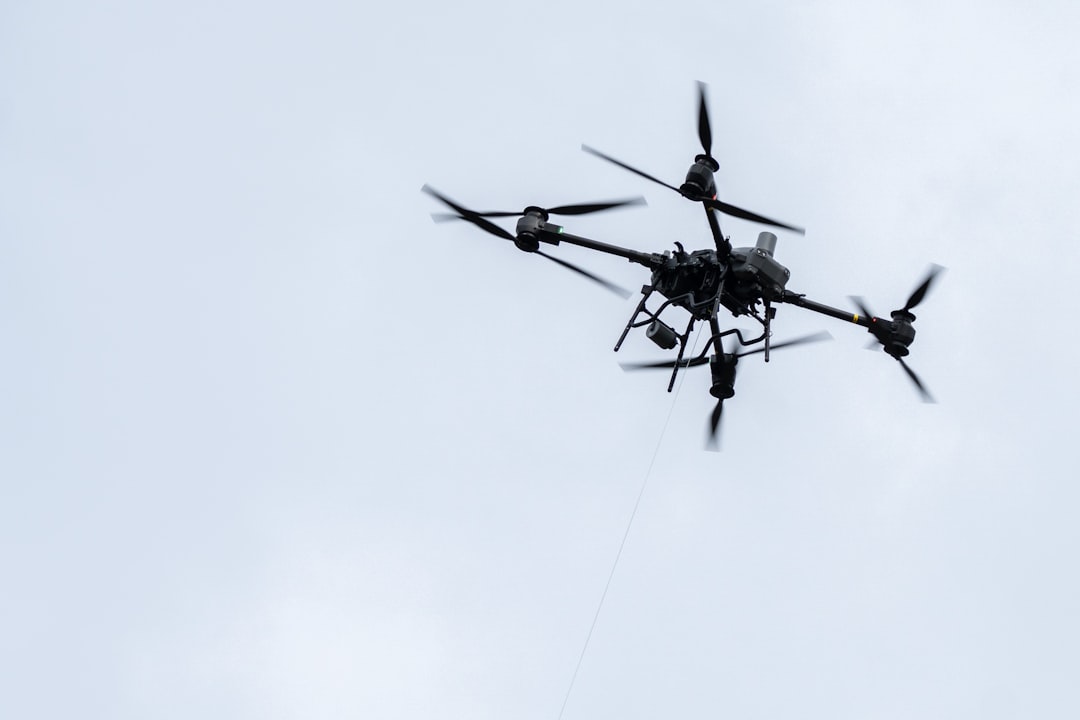
Drone technology has become an integral component of military police operations, fundamentally changing law enforcement and tactical response methods. Unmanned aerial vehicles (UAVs) have revolutionized surveillance, reconnaissance, and operational procedures in military environments. These systems deliver real-time intelligence, improve situational awareness, and enable faster response times, establishing them as essential equipment for military police units globally.
Ongoing technological developments continue to expand potential applications and operational benefits, requiring military organizations to reassess conventional approaches and tactical frameworks. Military police deployment of drone systems represents a fundamental change in law enforcement methodology rather than a temporary technological adoption. These platforms enable rapid coverage of extensive geographical areas while collecting essential intelligence data without exposing personnel to operational hazards, resulting in modified standard operating procedures.
Military police organizations utilize various drone configurations for surveillance missions, perimeter security, crowd monitoring, evidence collection, and tactical support operations. Implementation requires specialized operator training, adherence to aviation regulations, coordination with air traffic control systems, and compliance with rules of engagement protocols.
Key Takeaways
- Military police use drones to enhance surveillance, reconnaissance, and operational efficiency.
- Various drone types, including fixed-wing and quadcopters, are employed based on mission needs.
- Operators undergo specialized training and certification to ensure effective and lawful drone use.
- Legal and ethical guidelines are critical to address privacy and operational concerns in drone deployment.
- Future advancements and collaboration with civilian drone operators promise to expand military police capabilities.
Advantages of Using Drones for Military Police Operations
The deployment of drones in military police operations offers numerous advantages that enhance both efficiency and effectiveness. One of the primary benefits is the capability for real-time surveillance. Drones equipped with high-resolution cameras can monitor large areas from above, providing military police with immediate access to visual data that can inform decision-making processes.
This aerial perspective is invaluable during crowd control situations, search and rescue missions, or when assessing potential threats. Another significant advantage is the reduction of risk to personnel. Traditional reconnaissance methods often involve sending officers into potentially dangerous situations.
Drones can be deployed to assess threats or gather intelligence without endangering lives. This capability not only enhances safety but also allows for more strategic planning and resource allocation. Furthermore, drones can operate in environments that may be hazardous or inaccessible to ground units, such as disaster-stricken areas or hostile territories.
Types of Drones Used by Military Police
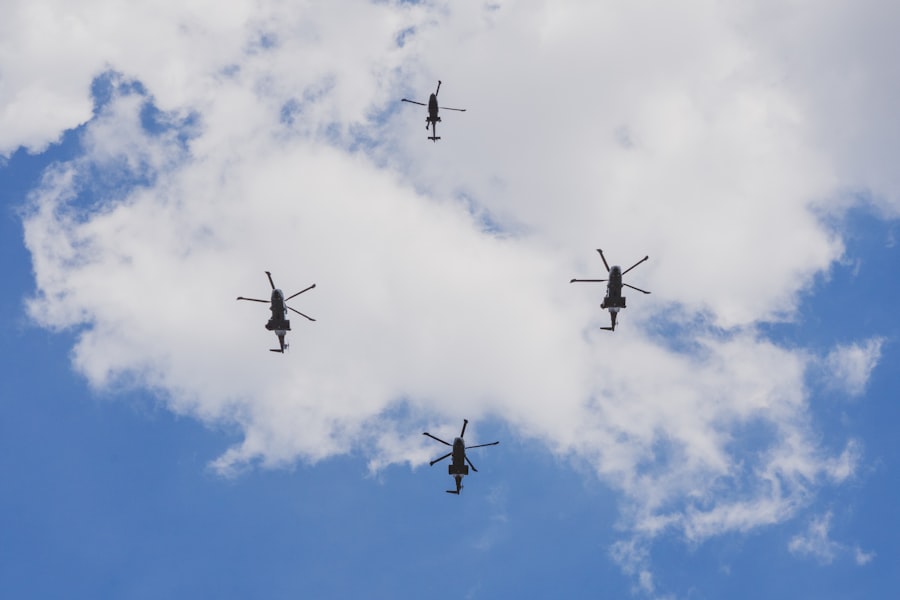
Military police utilize a variety of drones tailored to specific operational needs. The most common types include fixed-wing drones, multirotor drones, and hybrid models.
They are particularly useful for surveillance over large areas and can remain airborne for several hours. Multirotor drones, on the other hand, are favored for their maneuverability and ability to hover in place. These drones are ideal for urban environments where precise positioning is crucial.
Equipped with advanced sensors and cameras, multirotor drones can provide detailed imagery and data collection in real-time. Hybrid drones combine the features of both fixed-wing and multirotor designs, offering versatility in various operational scenarios. These drones can take off and land vertically like multirotors while also achieving the long-range capabilities of fixed-wing models.
The choice of drone type depends on mission objectives, environmental conditions, and specific operational requirements.
Training and Certification for Military Police Drone Operators
The effective use of drones in military police operations necessitates comprehensive training and certification for operators. Military police personnel must undergo specialized training programs that cover various aspects of drone operation, including flight mechanics, navigation, data collection, and maintenance. Understanding the technical specifications of different drone models is crucial for maximizing their capabilities.
Certification processes typically involve both theoretical knowledge and practical flight training. Operators must demonstrate proficiency in piloting drones under various conditions and scenarios. Additionally, training programs often include instruction on legal regulations governing drone use, ensuring that operators are aware of compliance requirements and ethical considerations.
Continuous education is also essential as drone technology evolves rapidly. Ongoing training sessions help operators stay updated on new features, software updates, and emerging best practices in drone operations. This commitment to education ensures that military police units can leverage the full potential of drone technology while maintaining operational integrity.
Legal and Ethical Considerations for Military Police Drone Use
| Metric | Value | Description |
|---|---|---|
| Number of Drones | 25 | Total drones deployed by the Military Police |
| Average Flight Time | 45 minutes | Typical operational duration per drone flight |
| Maximum Range | 10 km | Maximum distance drones can operate from control station |
| Surveillance Capabilities | HD Video, Thermal Imaging | Types of sensors equipped on drones |
| Deployment Areas | Urban, Border, Training Grounds | Common environments where drones are used |
| Operational Hours per Week | 30 hours | Average weekly drone usage time |
| Number of Operators | 15 | Personnel trained to operate drones |
The deployment of drones by military police raises important legal and ethical considerations that must be addressed to ensure responsible usage. Privacy concerns are paramount; the ability of drones to capture high-resolution imagery can infringe on individuals’ rights if not managed appropriately. Military police must establish clear guidelines regarding surveillance practices to protect citizens’ privacy while fulfilling their operational duties.
Additionally, compliance with national and international laws governing drone usage is critical. Military police must navigate complex regulations that dictate where and how drones can be operated. This includes understanding airspace restrictions, no-fly zones, and specific permissions required for certain missions.
Failure to adhere to these regulations can result in legal repercussions and undermine public trust. Ethical considerations also extend to the potential for misuse of drone technology. Military police must ensure that drones are used solely for legitimate purposes related to law enforcement and public safety.
Establishing oversight mechanisms and accountability measures can help mitigate risks associated with misuse or abuse of drone capabilities.
Examples of Successful Military Police Drone Missions
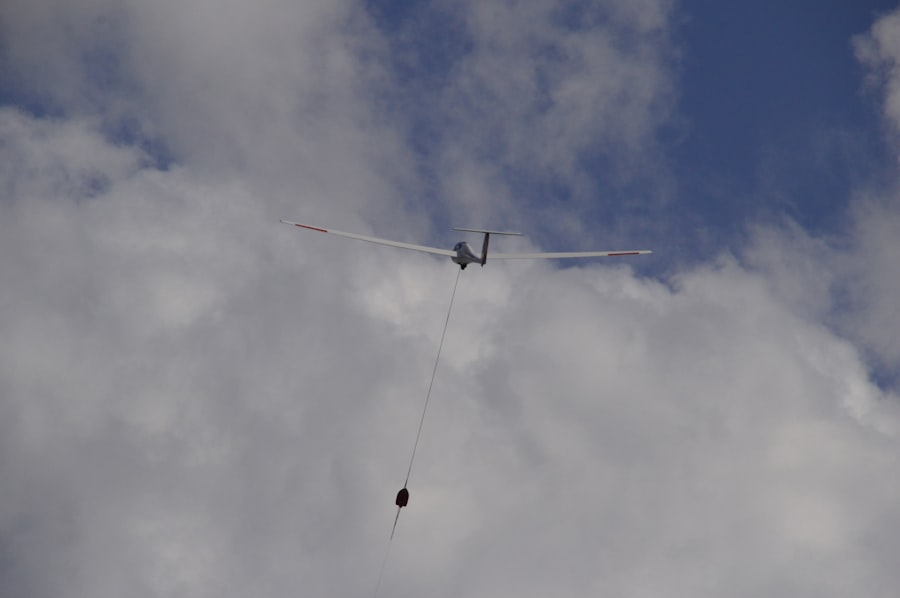
Numerous successful missions highlight the effectiveness of drones in military police operations. One notable example occurred during a large-scale public event where potential security threats were identified. Drones were deployed to monitor crowd behavior from above, allowing military police to respond swiftly to any disturbances while maintaining a safe distance from the crowd.
Another instance involved search and rescue operations following a natural disaster. Drones equipped with thermal imaging cameras were utilized to locate missing persons in challenging terrain. The ability to cover vast areas quickly enabled rescuers to identify individuals in distress more efficiently than traditional ground searches would have allowed.
These examples underscore the versatility of drones in various operational contexts, demonstrating their capacity to enhance situational awareness, improve response times, and ultimately save lives.
Challenges and Limitations of Using Drones for Military Police Operations
Despite their numerous advantages, the use of drones in military police operations is not without challenges and limitations. One significant concern is the potential for technical malfunctions or failures during critical missions. Drones rely on sophisticated technology that can be susceptible to environmental factors such as weather conditions or interference from other electronic devices.
Additionally, there are limitations regarding battery life and flight duration. Many drones have restricted operational ranges due to battery constraints, which can hinder their effectiveness in extended missions or remote areas. This necessitates careful planning and coordination to ensure that drones are deployed effectively within their operational limits.
Moreover, public perception plays a crucial role in the acceptance of drone technology within military policing. Concerns about privacy invasion or misuse can lead to resistance from communities, necessitating transparent communication about the intended use of drones and their benefits for public safety.
Integration of Drones with Traditional Military Police Tactics
The integration of drone technology with traditional military police tactics represents a holistic approach to law enforcement operations. Drones complement existing strategies by providing enhanced situational awareness that informs decision-making processes on the ground. For instance, during tactical operations or high-stakes incidents, drones can provide real-time intelligence that allows commanders to assess threats more accurately.
Furthermore, drones can facilitate communication between units operating in different locations. By relaying information from aerial perspectives back to ground personnel, military police can coordinate responses more effectively and allocate resources where they are needed most. This synergy between drone technology and traditional tactics fosters a more comprehensive approach to law enforcement that leverages the strengths of both methodologies while addressing their respective limitations.
Future Developments in Military Police Drone Technology
As technology continues to advance at an unprecedented pace, the future of military police drone operations holds exciting possibilities. Innovations such as artificial intelligence (AI) integration are poised to revolutionize how drones operate autonomously. AI-powered drones could analyze data in real-time, identifying potential threats or anomalies without human intervention.
Additionally, advancements in battery technology may extend flight durations significantly, allowing drones to conduct longer missions without needing frequent recharges or replacements. Enhanced sensor capabilities will also improve data collection accuracy, enabling military police to make informed decisions based on comprehensive intelligence. Moreover, developments in communication technologies may facilitate better integration between drones and other law enforcement systems, creating a seamless flow of information that enhances operational efficiency.
Collaboration with Civilian Drone Operators for Military Police Missions
Collaboration between military police units and civilian drone operators presents an opportunity for enhanced operational capabilities. Civilian operators often possess specialized skills and knowledge regarding drone technology that can complement military efforts. By partnering with civilian experts, military police can access additional resources and expertise that enhance mission effectiveness.
Joint training exercises can also foster collaboration between military personnel and civilian operators, ensuring that both parties understand each other’s capabilities and limitations. This partnership can lead to innovative solutions for complex challenges faced during operations. Furthermore, engaging with civilian drone operators fosters community relations by demonstrating a commitment to transparency and collaboration in public safety efforts.
The Impact of Drones on Military Police Operations
In conclusion, the integration of drone technology into military police operations has fundamentally transformed how law enforcement functions within military contexts. The advantages offered by drones—ranging from enhanced surveillance capabilities to improved safety for personnel—underscore their value as essential tools in modern policing strategies. While challenges remain regarding technical limitations and ethical considerations, ongoing advancements in drone technology promise a future where these issues are addressed effectively.
As military police continue to adapt their tactics to incorporate drone capabilities, the potential for improved operational efficiency and public safety remains significant. Ultimately, the impact of drones on military police operations is profound, paving the way for innovative approaches that enhance situational awareness, streamline responses, and foster collaboration between military units and civilian communities alike.
In recent discussions about the use of technology in law enforcement, the role of drones in the operations of vojenská policie has garnered significant attention. These unmanned aerial vehicles are being increasingly utilized for surveillance and reconnaissance, enhancing the capabilities of military police. For a broader perspective on how technology is shaping various sectors, you might find this article on forecasting Amazon stock values interesting, as it explores the intersection of technology and market trends.
FAQs
What is the role of the military police in using drones?
The military police use drones primarily for surveillance, reconnaissance, and security operations. Drones help enhance situational awareness, monitor large areas, and support law enforcement activities within military installations.
What types of drones are typically used by the military police?
Military police often use small to medium-sized unmanned aerial vehicles (UAVs) equipped with cameras and sensors. These drones can be fixed-wing or rotary-wing types, depending on the mission requirements.
How do drones improve the effectiveness of military police operations?
Drones provide real-time aerial imagery and data, allowing military police to monitor areas more efficiently, respond quickly to incidents, and conduct patrols without putting personnel at risk. They also assist in crowd control, perimeter security, and search and rescue missions.
Are there any legal restrictions on the military police using drones?
Yes, the use of drones by military police is subject to national laws and military regulations that govern airspace, privacy, and operational protocols. These rules ensure that drone operations comply with safety and ethical standards.
What are the advantages of using drones over traditional methods in military policing?
Drones offer advantages such as extended surveillance range, reduced manpower requirements, faster deployment, and the ability to access hard-to-reach or dangerous areas. They also provide high-resolution imagery and can operate in various weather conditions.
Can military police drones be equipped with weapons?
Typically, military police drones are used for surveillance and reconnaissance and are not armed. However, some military forces may have specialized drones with defensive capabilities, but these are generally not standard for military police units.
How is data collected by military police drones managed and secured?
Data collected by drones is usually transmitted to secure military networks where it is stored, analyzed, and protected according to military cybersecurity protocols. Access to this data is restricted to authorized personnel to maintain operational security.
What training is required for military police personnel to operate drones?
Military police operators undergo specialized training that includes drone piloting, mission planning, data analysis, and maintenance. This training ensures safe and effective use of drone technology in various operational scenarios.
Are drones used by military police in international missions?
Yes, military police units deployed in international peacekeeping or coalition missions may use drones to enhance security, conduct reconnaissance, and support law enforcement activities in the field.
What future developments are expected in the use of drones by military police?
Future developments may include improved drone autonomy, enhanced sensor capabilities, integration with other military systems, and expanded use of artificial intelligence to support decision-making and operational efficiency.