Now Reading: Unrest in Yemen: A Country in Crisis
-
01
Unrest in Yemen: A Country in Crisis
Unrest in Yemen: A Country in Crisis
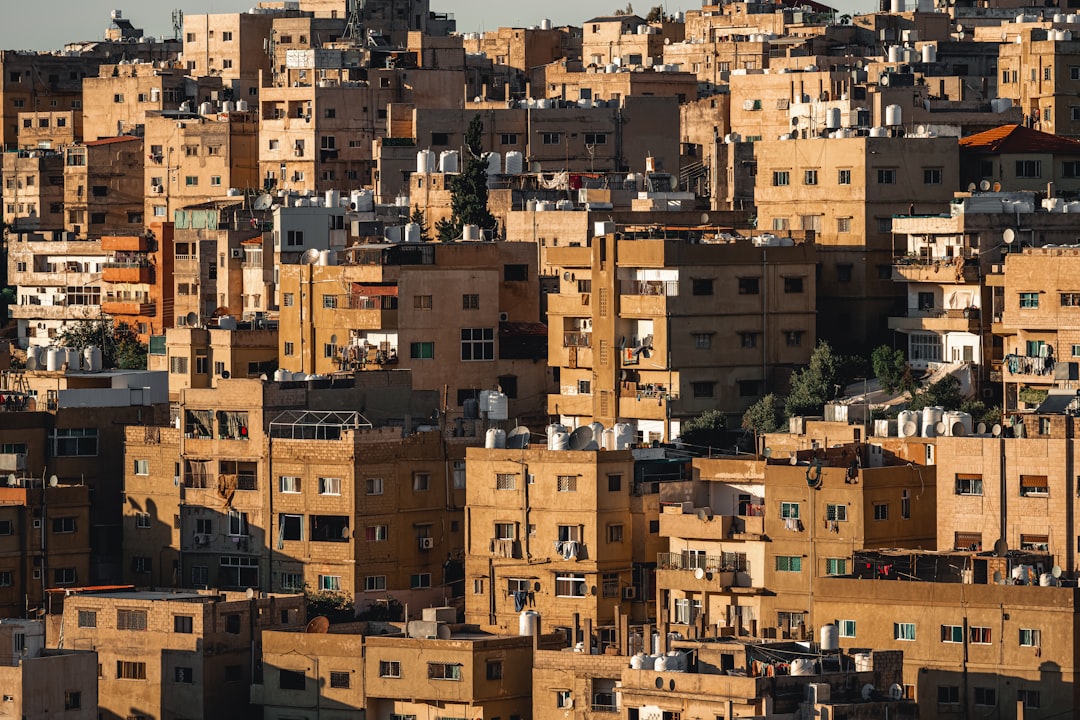
Yemen, located at the southern tip of the Arabian Peninsula, is experiencing one of the world’s most severe humanitarian crises. The country has a documented history spanning millennia and possesses significant archaeological sites that have contributed to its designation as an important historical region. Since 2014, Yemen has faced escalating political instability, economic collapse, and armed conflict that have created widespread humanitarian needs.
The current crisis intensified in 2015 when civil war broke out between the Houthi movement, which controls northern Yemen including the capital Sanaa, and the internationally recognized government backed by a Saudi-led coalition. The conflict has multiple underlying causes, including regional power competition, tribal affiliations, sectarian differences, and disputes over political representation and resource distribution. The war has resulted in over 377,000 deaths according to UN estimates, with approximately 70% attributed to indirect causes such as disease and malnutrition.
More than 4.5 million people have been internally displaced, while critical infrastructure including hospitals, schools, and water systems has been extensively damaged. The UN has classified Yemen as the world’s worst humanitarian crisis, with over 21 million people requiring humanitarian assistance and protection services as of 2023.
Key Takeaways
- Yemen faces a severe crisis marked by prolonged political instability and conflict.
- The humanitarian situation is dire, with widespread suffering and economic collapse.
- External actors and extremist groups have significantly influenced the conflict’s dynamics.
- Various efforts and international responses aim to resolve the crisis but face substantial challenges.
- Achieving peace and stability in Yemen requires urgent, coordinated global action.
Historical background of unrest in Yemen
The roots of Yemen’s unrest can be traced back to its unification in 1990, when North Yemen and South Yemen merged to form the Republic of Yemen. This unification was fraught with challenges, as deep-seated regional disparities and historical grievances persisted. The subsequent years saw a series of political upheavals, including the 2011 Arab Spring protests that led to the ousting of long-time President Ali Abdullah Saleh.
His departure marked a pivotal moment in Yemen’s history, but it also left a power vacuum that various factions sought to exploit. The transitional government that followed was unable to address the underlying issues plaguing the nation, including corruption, economic stagnation, and social inequality. The Houthi movement, initially a religious and political group from northern Yemen, capitalized on public discontent and began to gain traction.
By 2014, the Houthis had seized control of the capital, Sana’a, leading to a full-blown civil war that would engulf the country in chaos. The historical context of these events is crucial for understanding the current dynamics of conflict and unrest in Yemen.
Political instability and conflict in Yemen
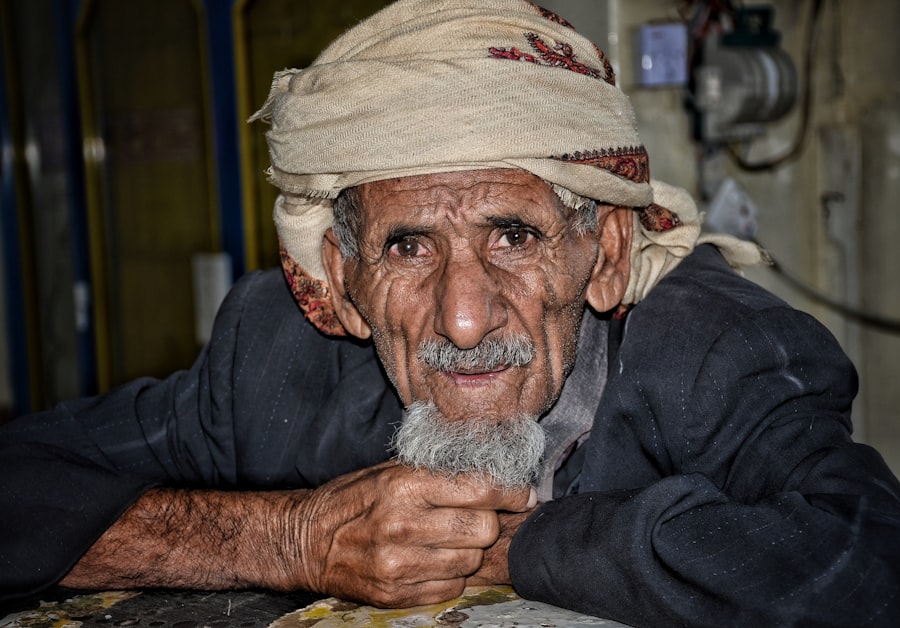
Yemen’s political landscape is characterized by fragmentation and instability. The civil war has pitted various factions against one another, including the Houthis, loyalists to former President Saleh, and forces aligned with the internationally recognized government led by President Abdrabbuh Mansur Hadi. This multifaceted conflict has resulted in a complex web of alliances and enmities, further complicating efforts to achieve peace.
The ongoing violence has led to significant human rights violations, including indiscriminate bombings, targeted assassinations, and widespread displacement. The United Nations has reported that over 233,000 people have lost their lives since the conflict began, with millions more suffering from injuries and trauma. The political instability has also hindered governance and public service delivery, exacerbating the already dire humanitarian situation.
Humanitarian crisis in Yemen
The humanitarian crisis in Yemen is one of the most severe globally, with over 24 million people—approximately 80% of the population—requiring some form of assistance. The conflict has disrupted access to basic necessities such as food, clean water, and healthcare. According to UNICEF, an estimated 2.3 million children are acutely malnourished, while cholera outbreaks have affected millions due to inadequate sanitation and healthcare infrastructure.
The blockade imposed by the Saudi-led coalition has further exacerbated the crisis by restricting access to essential goods and humanitarian aid. As a result, many families are forced to make impossible choices between food and medicine. The psychological toll on the population is immense, with widespread trauma affecting both children and adults.
Addressing this humanitarian crisis requires immediate international intervention and sustained support for relief efforts.
Impact of unrest on the economy of Yemen
| Metric | Value | Notes |
|---|---|---|
| Country Name | Yemen | Officially known as the Republic of Yemen |
| Capital | Sana’a | De facto capital; Aden is the temporary capital |
| Population | Approximately 33 million (2023 estimate) | Population affected by ongoing conflict |
| Area | 527,968 km² | Located on the southern tip of the Arabian Peninsula |
| Official Language | Arabic | Standard Arabic is used in government and media |
| GDP (Nominal) | Approximately 30 billion | Significantly impacted by conflict and humanitarian crisis |
| Currency | Yemeni Rial (YER) | Subject to inflation and devaluation |
| Human Development Index (HDI) | 0.455 (Low) | Ranked among the lowest globally |
| Life Expectancy | Approximately 66 years | Lower than global average due to conflict and health issues |
| Major Export | Crude Oil and Coffee | Oil production has declined due to conflict |
Yemen’s economy has been devastated by years of conflict and instability. Once reliant on oil exports for revenue, the ongoing war has crippled production and led to a significant decline in national income. The World Bank estimates that Yemen’s GDP has contracted by over 50% since 2015, plunging millions into poverty.
Inflation rates have skyrocketed, making basic goods unaffordable for many families. The destruction of infrastructure has further hampered economic activity. Roads, ports, and markets have been damaged or destroyed, limiting trade and access to resources.
Unemployment rates have soared as businesses close or operate at reduced capacity. The economic fallout from the conflict not only affects immediate livelihoods but also poses long-term challenges for recovery and development once peace is achieved.
Role of external actors in the Yemeni conflict

The Yemeni conflict is not solely an internal affair; it has drawn in various external actors with vested interests in the region. The Saudi-led coalition intervened militarily in 2015 to restore President Hadi’s government and counter what they perceive as Iranian influence through the Houthis. This intervention has intensified the conflict and contributed to widespread destruction.
Other countries, including Iran and the United States, have also played roles in shaping the dynamics of the conflict. Iran’s support for the Houthis has raised concerns among regional powers about its influence in the Arabian Peninsula. Meanwhile, U.S.
involvement has included counterterrorism operations against extremist groups like Al-Qaeda in the Arabian Peninsula (AQAP). The involvement of these external actors complicates peace negotiations and prolongs the suffering of the Yemeni people.
The rise of extremist groups in Yemen
The chaos resulting from Yemen’s civil war has created a fertile ground for extremist groups to thrive. Al-Qaeda in the Arabian Peninsula (AQAP) and ISIS have exploited the power vacuum to expand their operations within the country. These groups have carried out numerous attacks against both military targets and civilians, further destabilizing an already fragile situation.
The rise of extremism poses significant challenges for both national security and humanitarian efforts.
Addressing this issue requires a comprehensive approach that includes counter-radicalization efforts alongside humanitarian assistance.
Efforts to resolve the crisis in Yemen
Numerous attempts have been made to resolve the Yemeni crisis through diplomatic channels. The United Nations has facilitated peace talks aimed at reaching a negotiated settlement between conflicting parties. However, these efforts have often been hampered by mistrust among factions and ongoing violence on the ground.
In addition to UN-led initiatives, regional actors have also sought to mediate peace talks. The Riyadh Agreement in 2019 aimed to unify forces loyal to Hadi and southern separatists but has faced implementation challenges due to ongoing hostilities. A sustainable resolution will require genuine commitment from all parties involved and support from external actors to ensure compliance with any agreements reached.
The future of Yemen: prospects for peace and stability
The future of Yemen remains uncertain as various factors continue to influence its trajectory toward peace or further conflict. While there are glimmers of hope through ongoing negotiations and international engagement, deep-rooted grievances must be addressed for lasting stability to be achieved. Rebuilding trust among factions will be essential for any peace process to succeed.
Without adequate support for recovery efforts—such as rebuilding infrastructure and providing essential services—the cycle of violence may persist. A comprehensive approach that combines political solutions with humanitarian assistance will be necessary for Yemen’s long-term recovery.
International response to the crisis in Yemen
The international community has responded to Yemen’s crisis with varying degrees of engagement. Humanitarian organizations have mobilized resources to provide aid to those affected by the conflict; however, funding shortfalls have hindered their efforts. The United Nations has called for increased support from member states to address urgent needs on the ground.
Additionally, diplomatic efforts have been made by various countries to facilitate dialogue between conflicting parties. However, these initiatives often face challenges due to competing interests among external actors involved in the conflict. A coordinated international response that prioritizes humanitarian assistance while supporting peace negotiations is essential for alleviating suffering in Yemen.
the urgent need for action in Yemen
Yemen stands at a critical juncture as it grapples with an unprecedented crisis marked by political instability, humanitarian suffering, and economic collapse. The complexity of its challenges necessitates urgent action from both national leaders and the international community. Addressing immediate humanitarian needs while pursuing diplomatic solutions will be vital for fostering stability and rebuilding trust among factions.
As global attention turns toward Yemen’s plight, it is imperative that concerted efforts are made to alleviate suffering and pave the way for lasting peace. The resilience of the Yemeni people is commendable; however, without sustained support and commitment from all stakeholders involved, their future remains uncertain amidst ongoing turmoil.
While the situation in Yemen continues to be a pressing humanitarian crisis, understanding the broader economic implications can be insightful. For instance, the global market dynamics, including investments in major companies, can indirectly affect regions like Yemen. For more information on investment strategies, you can read about whether to invest in Amazon stock in this article: Should You Invest in Amazon Stock?.
FAQs
What is Yemen?
Yemen is a country located on the southern tip of the Arabian Peninsula in Western Asia. It shares borders with Saudi Arabia to the north, Oman to the east, and has coastlines along the Red Sea and the Arabian Sea.
What is the capital of Yemen?
The capital city of Yemen is Sana’a, which is also the largest city in the country.
What is the official language of Yemen?
The official language of Yemen is Arabic.
What is the population of Yemen?
As of recent estimates, Yemen has a population of approximately 30 million people, though exact numbers can vary due to ongoing conflict and displacement.
What is the political situation in Yemen?
Yemen has been experiencing a complex and ongoing conflict since 2014, involving various factions including the internationally recognized government, Houthi rebels, and other groups. This has led to a severe humanitarian crisis.
What is the geography of Yemen like?
Yemen features diverse geography including coastal plains, mountain ranges, and desert areas. It has a strategic location near the Bab-el-Mandeb strait, a key maritime chokepoint.
What is the economy of Yemen based on?
Yemen’s economy is primarily based on agriculture, livestock, and remittances from Yemenis abroad. The country also has some oil and natural gas resources, but ongoing conflict has severely impacted economic activities.
What religions are practiced in Yemen?
The majority of Yemenis are Muslim, with the population divided mainly between Sunni and Shia (Zaidi) sects of Islam.
What is the climate like in Yemen?
Yemen generally has a hot desert climate, but its mountainous regions experience cooler temperatures and more rainfall.
What are some cultural aspects of Yemen?
Yemen has a rich cultural heritage including traditional music, dance, architecture, and cuisine. It is known for its historic cities, such as Sana’a and Shibam, which feature unique mudbrick skyscrapers and ancient buildings.