Now Reading: The Rise of Antifa: A Closer Look at the Movement
-
01
The Rise of Antifa: A Closer Look at the Movement
The Rise of Antifa: A Closer Look at the Movement
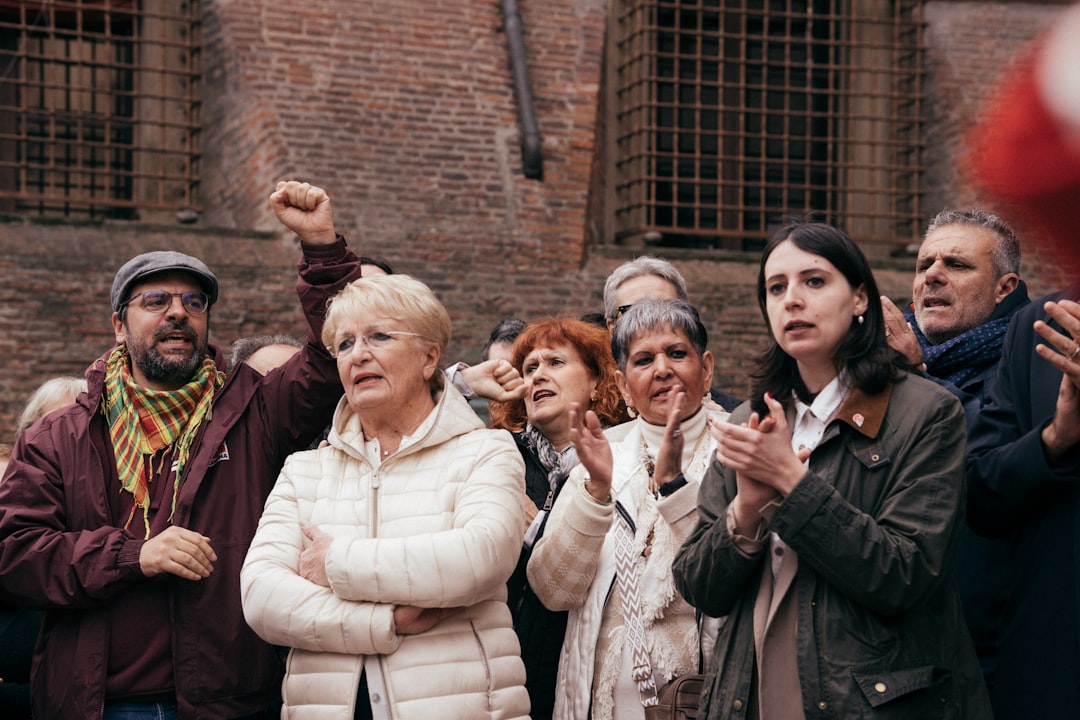
The origins of Antifa can be traced back to the early 20th century, particularly in Europe, where anti-fascist movements emerged in response to the rise of fascism and totalitarian regimes. The term “Antifa” is derived from the German word “Antifaschismus,” which was used to describe groups that opposed the Nazi regime during the 1930s and 1940s. These early anti-fascist activists were often involved in direct action, organizing protests, and engaging in confrontations with fascist groups.
The legacy of these movements laid the groundwork for contemporary Antifa, which has evolved to address modern forms of oppression and discrimination. In the United States, the modern Antifa movement gained traction in the late 20th century, particularly during the 1980s and 1990s. It was influenced by various social movements, including civil rights, LGBTQ+ rights, and anti-globalization protests.
The rise of white supremacist groups and far-right extremism in the post-9/11 era further galvanized Antifa activists, who sought to counteract hate speech and violence through direct action. This historical context is essential for understanding the motivations and actions of contemporary Antifa groups.
Key Takeaways
- Antifa originated as a movement opposing fascism and far-right ideologies, rooted in historical anti-fascist efforts.
- The group embraces a left-wing, anti-authoritarian ideology focused on combating racism, fascism, and other forms of oppression.
- Antifa employs direct action tactics, including protests, counter-demonstrations, and sometimes confrontational methods.
- The movement has sparked significant controversy due to its aggressive tactics and the debate over its impact on free speech and public safety.
- Antifa’s presence is international, with varied media portrayals and diverse legal and societal responses shaping its future trajectory.
Ideology and Beliefs of Antifa
Antifa is characterized by a diverse set of ideologies, but its core belief centers around opposition to fascism, racism, and other forms of systemic oppression. Many Antifa activists identify with leftist ideologies, including anarchism, socialism, and communism. They advocate for social justice, equality, and the dismantling of oppressive systems that perpetuate inequality.
This ideological framework drives their commitment to direct action as a means of confronting perceived threats to marginalized communities. The belief in direct action is a fundamental tenet of Antifa’s ideology. Activists argue that traditional methods of protest, such as peaceful demonstrations or lobbying, are often insufficient in addressing the urgency of the issues they face.
Instead, they advocate for a more confrontational approach that may include counter-protests, property damage, and physical confrontations with far-right groups. This willingness to engage in direct action has led to significant debate about the effectiveness and morality of their tactics.
Tactics and Strategies of Antifa
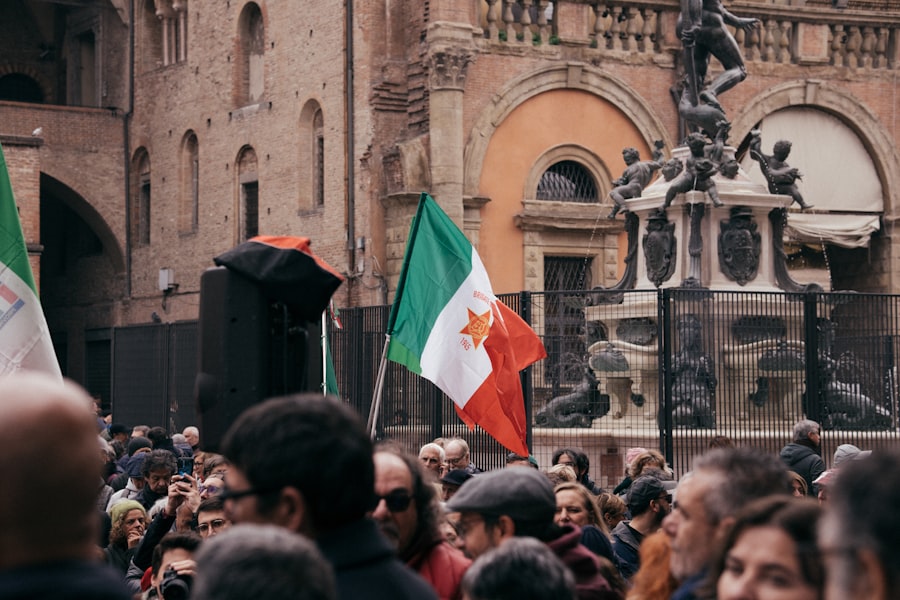
Antifa employs a variety of tactics and strategies to achieve its goals, often tailored to specific contexts and threats. One prominent tactic is the organization of counter-protests against far-right events, where Antifa activists seek to disrupt gatherings of hate groups or individuals promoting racist ideologies. These counter-protests can range from peaceful demonstrations to more aggressive confrontations, depending on the perceived threat level.
In addition to counter-protests, Antifa utilizes online activism as a means of mobilization and information dissemination. Social media platforms serve as crucial tools for organizing events, sharing resources, and raising awareness about far-right activities. The use of digital platforms allows Antifa to reach a broader audience and coordinate actions across geographical boundaries.
However, this reliance on technology also raises concerns about surveillance and the potential for online harassment.
Antifa’s Role in Protests and Demonstrations
Antifa has played a significant role in various protests and demonstrations across the United States and beyond. Their involvement often coincides with events that are perceived as promoting hate or discrimination. For instance, during the Unite the Right rally in Charlottesville in 2017, Antifa activists were present to counteract white supremacist groups.
The violent clashes that ensued drew national attention to both Antifa’s tactics and the broader issue of far-right extremism. The presence of Antifa at protests has sparked intense debate regarding their impact on public perception and media coverage. Supporters argue that their actions are necessary to confront hate and protect marginalized communities, while critics contend that their confrontational tactics can escalate violence and undermine peaceful protest efforts.
This dichotomy highlights the complex dynamics at play within social movements and raises questions about the effectiveness of different approaches to activism.
Controversies Surrounding Antifa
| Metric | Description | Data / Value | Source |
|---|---|---|---|
| Origin | Year and place where Antifa movement began | 1930s, Germany | Historical records |
| Primary Ideology | Core political beliefs and goals | Anti-fascism, anti-racism, anti-capitalism | Movement literature |
| Estimated Number of Active Members (US) | Approximate count of active participants in the United States | Several thousand | Academic estimates |
| Common Tactics | Typical methods used in protests and activism | Direct action, counter-protests, community organizing | News reports |
| Notable Events | Significant protests or incidents involving Antifa | Charlottesville 2017, Portland protests 2020 | Media coverage |
| Legal Status | Government classification or legal actions | Not designated as a terrorist organization in the US | Government statements |
Antifa has been embroiled in numerous controversies since its emergence as a prominent social movement. Critics often label them as violent extremists, pointing to instances of property damage and physical confrontations during protests. These actions have led to significant media coverage that frames Antifa as a radical group rather than a legitimate response to far-right extremism.
This portrayal can overshadow the broader goals of social justice that many activists strive for. Moreover, the lack of a centralized leadership structure within Antifa complicates efforts to define the movement as a whole. Different factions may adopt varying tactics or ideologies, leading to internal disagreements about strategy and goals.
This fragmentation can create challenges in presenting a unified front to both supporters and detractors. As a result, discussions surrounding Antifa often become polarized, with individuals either fully supporting or vehemently opposing their actions.
Antifa’s Impact on Society and Politics
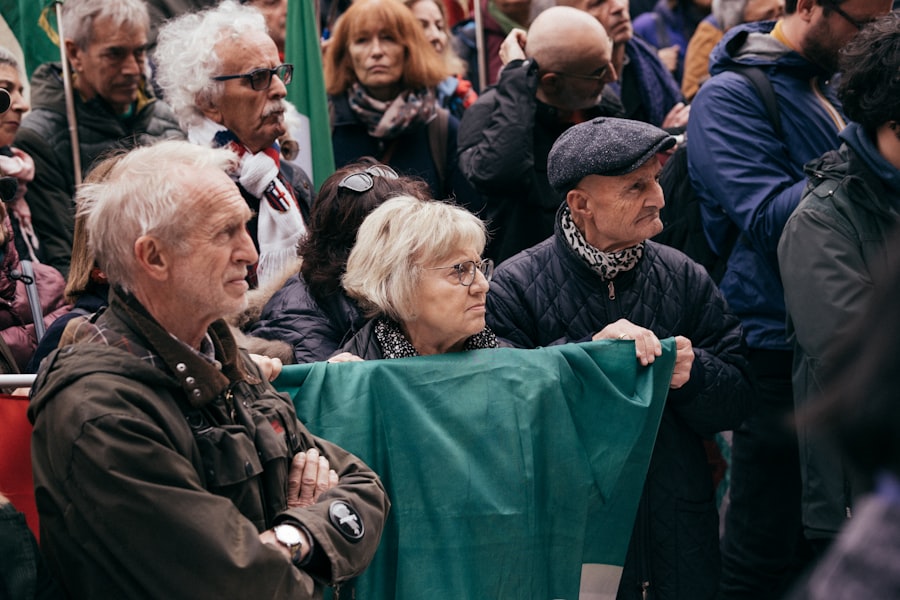
The impact of Antifa on society and politics is multifaceted. On one hand, their presence has brought attention to issues of racism, fascism, and systemic oppression, prompting discussions about these topics in mainstream discourse. By challenging far-right ideologies directly, Antifa has contributed to a broader awareness of the dangers posed by hate groups and extremist movements.
On the other hand, their controversial tactics have led to increased polarization within political discourse. Critics argue that Antifa’s confrontational approach can alienate potential allies and hinder constructive dialogue about social justice issues.
International Presence of Antifa
Antifa is not confined to the United States; it has an international presence with various anti-fascist groups operating across Europe, Canada, Australia, and beyond. In many countries, these groups have emerged in response to rising nationalism and xenophobia. For instance, in Germany, anti-fascist movements have a long history dating back to the fight against Nazism, while contemporary groups continue to mobilize against far-right parties gaining traction in European politics.
The international nature of Antifa highlights the interconnectedness of social movements across borders. Activists often share strategies, resources, and experiences through global networks, fostering solidarity among those fighting against similar forms of oppression. This transnational collaboration underscores the importance of collective action in addressing global challenges related to fascism and systemic inequality.
Media Portrayal of Antifa
Media portrayal of Antifa has been a contentious issue since its rise to prominence. Coverage often varies significantly between outlets, with some framing Antifa as heroic defenders against fascism while others depict them as violent extremists undermining democratic values. This disparity in representation can shape public perception and influence political discourse surrounding social movements.
The sensationalization of Antifa’s actions can lead to misconceptions about their goals and motivations. While some media narratives focus on isolated incidents of violence or property damage, they may overlook the broader context of systemic oppression that drives activists’ engagement in direct action. This selective reporting can contribute to a skewed understanding of social justice movements as a whole.
Responses and Reactions to Antifa
Responses to Antifa have varied widely among political leaders, law enforcement agencies, and community members. Some politicians have condemned their tactics as counterproductive or dangerous, calling for increased law enforcement measures against them. Others have expressed support for their efforts to combat hate groups, recognizing the need for direct action in addressing systemic issues.
Law enforcement agencies have also grappled with how to respond to Antifa’s presence at protests. Strategies may include increased surveillance or preemptive measures aimed at preventing violence during demonstrations. However, these responses raise ethical questions about civil liberties and the potential for overreach in policing dissenting voices.
Legal and Ethical Considerations of Antifa’s Actions
The legal landscape surrounding Antifa’s actions is complex and often contentious. While individuals have the right to assemble peacefully under the First Amendment, questions arise regarding the legality of certain tactics employed by activists. Instances of property damage or physical confrontations can lead to criminal charges against participants, raising concerns about accountability within social movements.
Ethically, debates surrounding Antifa’s tactics often center on the balance between direct action and non-violence. Supporters argue that confronting hate requires an urgent response that may necessitate aggressive tactics; critics contend that such approaches can undermine broader efforts for social change by alienating potential allies or perpetuating cycles of violence.
The Future of Antifa
The future of Antifa remains uncertain as societal attitudes toward activism continue to evolve. As far-right extremism persists globally, it is likely that anti-fascist movements will adapt their strategies in response to emerging threats. The ongoing dialogue surrounding civil liberties, social justice, and effective activism will shape how groups like Antifa navigate their role within broader social movements.
The evolution of social movements will depend on their ability to engage with diverse communities while remaining committed to their core principles of opposing oppression. In summary, Antifa’s origins are rooted in historical anti-fascist movements that emerged in response to totalitarian regimes.
Their ideology centers around opposition to systemic oppression through direct action tactics that have sparked both support and controversy within society. As they continue to navigate their role in protests and political discourse globally, understanding their impact requires nuanced consideration of legal implications and ethical dilemmas inherent in activism today.
Antifa, a movement known for its anti-fascist stance, has been a topic of significant discussion in recent years, particularly in relation to protests and social justice movements. For those interested in exploring the broader context of activism and community engagement, you might find the article on celebrating important holidays, such as Mother’s Day and Memorial Day, insightful. It highlights how these occasions can foster community spirit and reflection, which are often at the heart of various movements. You can read more about it in this article: May Holidays: Celebrating Mother’s Day and Memorial Day.
FAQs
What is Antifa?
Antifa is a political movement composed of autonomous groups and individuals who oppose fascism, racism, and far-right ideologies. The term “Antifa” is short for “anti-fascist.”
Where did Antifa originate?
Antifa has historical roots dating back to anti-fascist movements in Europe during the early 20th century, particularly in Germany and Italy, where activists opposed the rise of fascist regimes.
What are the main goals of Antifa?
The primary goals of Antifa are to resist and oppose fascist, racist, and far-right extremist groups through direct action, education, and community organizing.
Is Antifa an organized group or a single organization?
Antifa is not a centralized or hierarchical organization. It consists of decentralized, autonomous groups and individuals who share similar anti-fascist principles.
What tactics does Antifa use?
Antifa groups often use direct action tactics, including protests, counter-protests, and sometimes confrontational methods to disrupt far-right events. They also engage in community education and advocacy.
Is Antifa associated with violence?
While many Antifa activists emphasize non-violent resistance, some confrontations involving Antifa have resulted in clashes with opposing groups or law enforcement. The movement itself does not have a unified stance on violence.
How is Antifa viewed by governments and law enforcement?
Views on Antifa vary. Some governments and law enforcement agencies monitor Antifa activities due to concerns about public safety, while others recognize their role in opposing hate groups. Antifa is not designated as a terrorist organization in most countries.
Does Antifa have political affiliations?
Antifa is generally associated with left-wing and anti-authoritarian political ideologies but is not formally affiliated with any political party.
How can someone learn more about Antifa?
To learn more about Antifa, individuals can consult academic research, historical texts on anti-fascist movements, reputable news sources, and statements from groups identifying as Antifa.