Now Reading: Discover the Hidden Gems of Paraguay
-
01
Discover the Hidden Gems of Paraguay
Discover the Hidden Gems of Paraguay
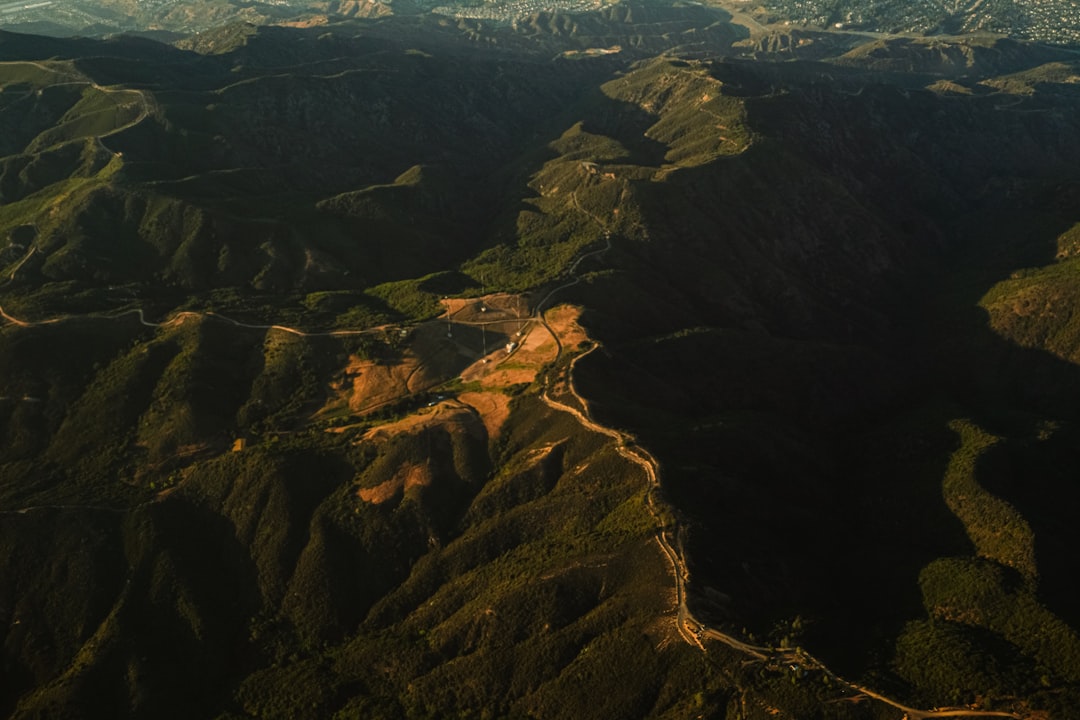
Paraguay is a landlocked country located in central South America, bordered by Brazil to the north and east, and Argentina to the south and west. With a population of approximately 7.4 million people, Paraguay covers an area of 406,752 square kilometers. The country is geographically divided into two distinct regions: the eastern region, which features subtropical forests and is part of the Atlantic Forest biome, and the western Gran Chaco region, characterized by dry forests, wetlands, and savannas.
Asunción, the capital and largest city, is situated along the Paraguay River and serves as the country’s political, economic, and cultural center. The city has a metropolitan population of over 2 million people. Paraguay’s economy is primarily based on agriculture, with major exports including soybeans, beef, and hydroelectric power.
The country shares the Itaipu Dam with Brazil, one of the world’s largest hydroelectric facilities. Paraguay has two official languages: Spanish and Guaraní, with Guaraní being spoken by approximately 90% of the population. This linguistic duality reflects the country’s cultural heritage, which combines indigenous Guaraní traditions with Spanish colonial influences.
The nation’s history includes periods of indigenous settlement, Spanish colonization beginning in the 16th century, independence in 1811, and significant conflicts including the War of the Triple Alliance (1864-1870). The country maintains several protected areas, including national parks and biological reserves, which preserve portions of the Atlantic Forest and Chaco ecosystems. These areas protect diverse wildlife species and represent important conservation efforts in a region experiencing significant environmental pressure from agricultural expansion and deforestation.
Key Takeaways
- Paraguay offers diverse travel experiences from cultural immersion to natural exploration.
- Visitors can discover hidden gems and less-touristed destinations throughout the country.
- The rich indigenous heritage and vibrant festivals provide unique cultural insights.
- Outdoor enthusiasts can enjoy adventure activities amid Paraguay’s unspoiled landscapes.
- Sampling local cuisine and visiting colonial towns enrich the overall travel experience.
Off-the-Beaten-Path Destinations
While many travelers flock to popular tourist spots, Paraguay offers a plethora of lesser-known destinations that provide an authentic glimpse into the country’s charm. One such location is the town of Encarnación, situated along the banks of the Paraná River. Known for its stunning waterfront promenade and vibrant nightlife, Encarnación is also home to the Jesuit Ruins of Trinidad and Jesús de Tavarangue, UNESCO World Heritage Sites that showcase the remnants of 17th-century missions established by Spanish Jesuits.
Another hidden treasure is the town of Concepción, located in the northern region of Paraguay. This quaint town is surrounded by lush landscapes and offers visitors a chance to experience traditional Paraguayan life. The nearby Cerro Corá National Park is a haven for nature enthusiasts, featuring hiking trails that lead to breathtaking viewpoints and opportunities for birdwatching.
These off-the-beaten-path destinations not only provide a respite from the hustle and bustle of urban life but also allow travelers to immerse themselves in the local culture and natural beauty.
Unique Cultural Experiences
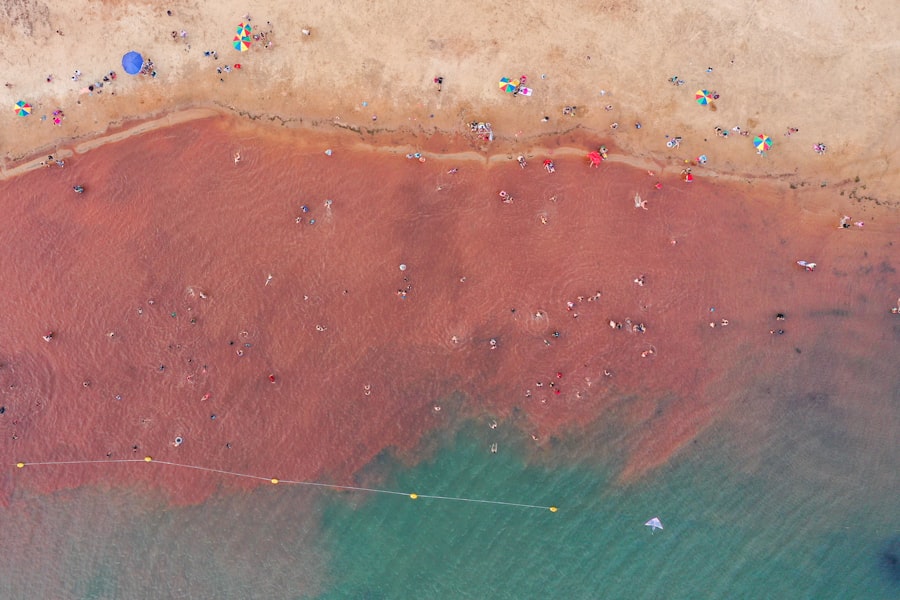
Paraguay’s cultural landscape is a vibrant mosaic shaped by its indigenous heritage and colonial past. One of the most distinctive aspects of Paraguayan culture is its music, particularly the traditional sounds of polka and guarania. The harp, an instrument integral to Paraguayan folk music, resonates through the streets during festivals and gatherings, creating an atmosphere filled with rhythm and joy.
Visitors can participate in local dance events or attend performances that showcase these traditional art forms. Additionally, Paraguay is home to a rich tapestry of crafts and artisanal products. The town of Areguá is renowned for its pottery and handicrafts, where artisans create intricate pieces using traditional techniques passed down through generations.
Tourists can engage in workshops to learn about these crafts firsthand, gaining insight into the skills and dedication required to produce these beautiful works of art. Such cultural experiences not only enrich one’s understanding of Paraguay but also foster connections with local communities.
Unspoiled Natural Wonders
Paraguay’s diverse ecosystems are a treasure trove for nature lovers seeking unspoiled beauty. The country is home to several national parks that protect its unique flora and fauna. One such gem is the Ybycuí National Park, which features lush forests, cascading waterfalls, and an array of wildlife including capybaras, jaguars, and various bird species.
Hiking trails wind through this pristine environment, offering visitors an opportunity to connect with nature while enjoying breathtaking views. Another remarkable natural wonder is the Ñacunday National Park, known for its stunning waterfalls and rich biodiversity. The park encompasses over 20,000 hectares of protected land, making it an ideal destination for eco-tourism.
Adventurous travelers can explore the park’s trails or embark on guided tours to learn about the region’s unique ecosystems. These unspoiled natural wonders not only provide a serene escape but also highlight Paraguay’s commitment to environmental conservation.
Historical Landmarks
| Metric | Value |
|---|---|
| Capital | Asunción |
| Population | 7.3 million (2024 estimate) |
| Area | 406,752 km² |
| Official Languages | Spanish, Guarani |
| GDP (Nominal) | Approximately 40 billion |
| Currency | Paraguayan Guarani (PYG) |
| Life Expectancy | 74 years |
| Literacy Rate | 94% |
| Major Industries | Agriculture, Hydroelectric Power, Manufacturing |
| Climate | Subtropical to tropical |
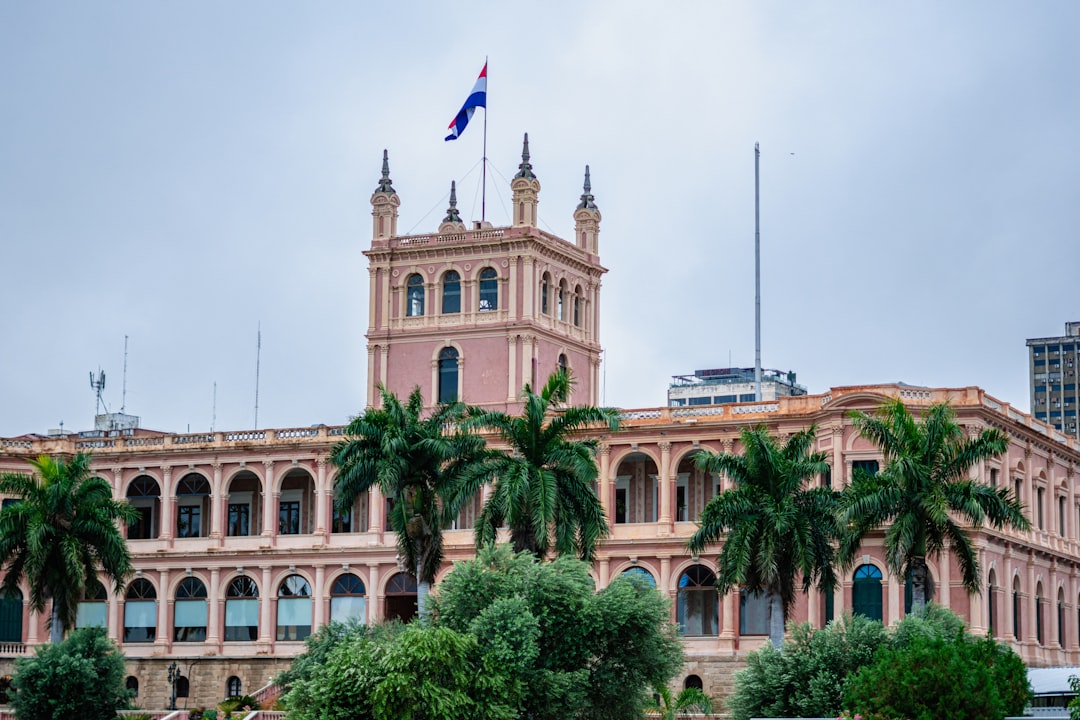
Paraguay’s history is etched into its landscape through various historical landmarks that tell the story of its past. The capital city of Asunción boasts several significant sites, including the Palacio de los López, an iconic government building that showcases neoclassical architecture. Visitors can explore its grand halls and learn about Paraguay’s political history while enjoying views of the surrounding gardens.
The Jesuit Ruins scattered throughout the country serve as poignant reminders of Paraguay’s colonial past. The ruins of Trinidad and Jesús de Tavarangue are particularly noteworthy for their impressive stone structures and intricate carvings. These sites not only reflect the architectural prowess of the Jesuits but also provide insight into their efforts to evangelize indigenous populations during the 17th century.
Exploring these historical landmarks allows travelers to appreciate Paraguay’s rich heritage while gaining a deeper understanding of its cultural evolution.
Delicious Local Cuisine
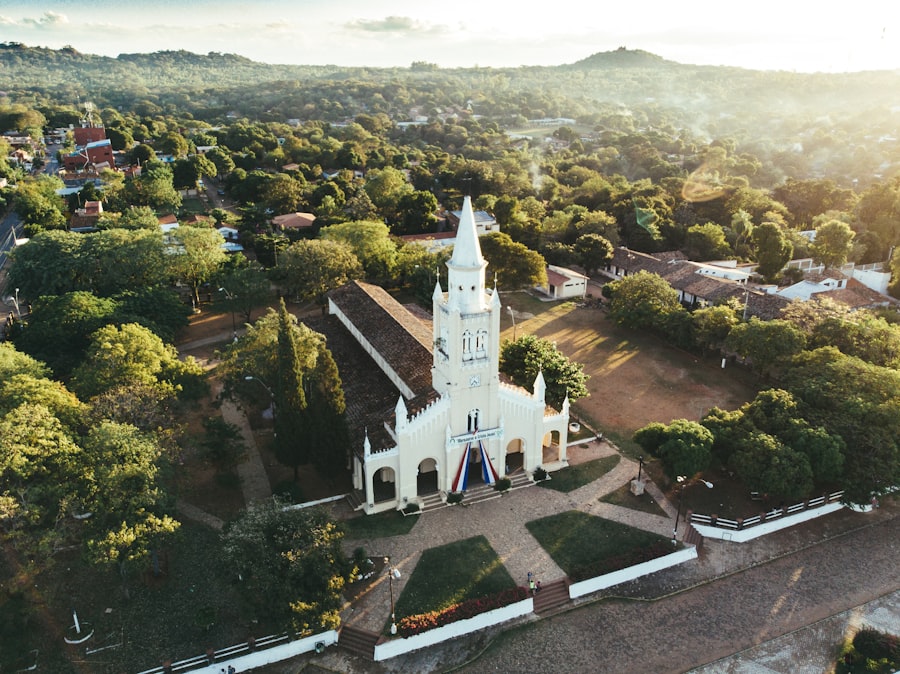
Paraguayan cuisine is a delightful fusion of indigenous ingredients and European influences that tantalizes the taste buds with bold flavors and hearty dishes. One staple food is “sopa paraguaya,” a cornbread made from cornmeal, cheese, and milk that is often served alongside grilled meats or stews. This dish exemplifies the country’s agricultural roots and showcases the importance of corn in Paraguayan culture.
Another culinary highlight is “asado,” a traditional barbecue featuring various cuts of meat cooked over an open flame. This communal dining experience brings families and friends together to enjoy flavorful grilled meats accompanied by side dishes such as “ensalada” (salad) and “mbeju” (a cassava pancake). For those with a sweet tooth, “tereré,” a refreshing herbal drink made from yerba mate served cold with ice water, is a popular choice among locals.
Exploring Paraguay’s culinary landscape offers visitors a chance to savor authentic flavors while connecting with the country’s cultural heritage.
Charming Colonial Towns
Paraguay is dotted with charming colonial towns that transport visitors back in time with their cobblestone streets and well-preserved architecture. One such town is Villarrica, known for its picturesque plazas and colonial churches that reflect Spanish influence. The town’s vibrant markets offer an array of local crafts and produce, providing an opportunity for travelers to engage with friendly locals while exploring traditional Paraguayan life.
Another enchanting destination is Itá, famous for its artisanal stonework and craftsmanship. Visitors can wander through narrow streets lined with quaint shops selling handmade goods while admiring the town’s colonial architecture. The annual Stone Festival celebrates this rich tradition, showcasing local artisans’ skills in stone carving and sculpture.
These charming colonial towns not only offer a glimpse into Paraguay’s past but also create an inviting atmosphere for exploration and discovery.
Indigenous Communities
Paraguay is home to several indigenous communities that contribute to the country’s cultural diversity and heritage. The Guaraní people are one of the most prominent groups, known for their rich traditions, language, and connection to the land. Visitors have the opportunity to engage with these communities through cultural exchanges that promote understanding and appreciation for their way of life.
Experiencing indigenous culture can include participating in traditional ceremonies or learning about their agricultural practices that emphasize sustainability and respect for nature. Many indigenous communities also produce handicrafts that reflect their cultural identity, providing visitors with unique souvenirs while supporting local artisans. By fostering connections with indigenous communities, travelers can gain valuable insights into Paraguay’s cultural fabric while promoting respect for diversity.
Adventure Activities
For thrill-seekers, Paraguay offers an array of adventure activities that cater to various interests. The country’s diverse landscapes provide ample opportunities for outdoor exploration, from hiking in national parks to water sports on its rivers. Kayaking along the Paraná River allows adventurers to experience stunning scenery while navigating gentle rapids.
For those seeking adrenaline-pumping experiences, rock climbing in areas like Cerro Cora National Park presents challenges for both beginners and experienced climbers alike. Additionally, birdwatching enthusiasts can explore regions such as the Atlantic Forest or wetlands like the Ñeembucú Department to spot rare species in their natural habitats. These adventure activities not only provide excitement but also foster a deeper appreciation for Paraguay’s natural beauty.
Festivals and Traditions
Paraguayans celebrate their rich cultural heritage through vibrant festivals and traditions that showcase music, dance, and culinary delights. One of the most significant events is the Fiesta de San Juan, held in June to honor Saint John the Baptist. This festival features traditional games, folk music performances, and delicious food stalls offering local delicacies such as “chipa” (cheese bread) and “mbeju.
Participants don elaborate costumes as they dance through the streets, creating an atmosphere filled with joy and excitement. Engaging in these festivals allows travelers to immerse themselves in Paraguayan culture while experiencing the warmth and hospitality of its people.
Tips for Exploring Paraguay
When exploring Paraguay, it’s essential to embrace local customs and practices to enhance your travel experience. Learning basic phrases in Spanish or Guaraní can go a long way in connecting with locals who appreciate efforts to communicate in their language. Additionally, being respectful of cultural traditions will foster positive interactions during your journey.
Travelers should also consider visiting during the cooler months from May to September when temperatures are more moderate for outdoor activities. It’s advisable to carry cash as many smaller establishments may not accept credit cards; however, ATMs are widely available in urban areas. Lastly, staying hydrated and using insect repellent will ensure comfort while exploring Paraguay’s beautiful landscapes.
In summary, Paraguay is a captivating destination that offers a wealth of experiences for adventurous travelers seeking authenticity beyond conventional tourist routes. From unspoiled natural wonders to vibrant cultural experiences and charming colonial towns, this landlocked nation invites exploration at every turn. Engaging with indigenous communities and participating in local festivals further enriches one’s understanding of Paraguay’s diverse heritage while creating lasting memories in this enchanting South American gem.
Paraguay, a country rich in culture and history, has unique traditions that are often celebrated throughout the year. Understanding these traditions can provide insight into the Paraguayan way of life. For those interested in exploring how different cultures celebrate their own traditions, you might find the article on federal holidays in America insightful. It highlights various celebrations and their significance, which can be compared to Paraguay’s own festive occasions. You can read more about it in this article: Federal Holidays: Celebrating America’s Traditions.
FAQs
Where is Paraguay located?
Paraguay is a landlocked country located in the central part of South America. It is bordered by Argentina to the south and southwest, Brazil to the east and northeast, and Bolivia to the northwest.
What is the capital city of Paraguay?
The capital city of Paraguay is Asunción, which is also the largest city in the country.
What languages are spoken in Paraguay?
The official languages of Paraguay are Spanish and Guaraní. Both languages are widely spoken throughout the country.
What is the population of Paraguay?
As of recent estimates, Paraguay has a population of approximately 7 million people.
What type of government does Paraguay have?
Paraguay is a representative democratic republic with a president who serves as both the head of state and government.
What is the currency used in Paraguay?
The official currency of Paraguay is the Paraguayan guaraní, abbreviated as PYG.
What is the climate like in Paraguay?
Paraguay has a subtropical to tropical climate, with hot summers and mild winters. The eastern region tends to be more humid, while the western region is drier.
What are some major industries in Paraguay?
Key industries in Paraguay include agriculture (such as soybeans, corn, and beef), hydroelectric power generation, manufacturing, and services.
Is Paraguay known for any natural landmarks?
Yes, Paraguay is known for the Paraguay and Paraná rivers, the Chaco region, and the Itaipú Dam, one of the largest hydroelectric dams in the world.
What is the cultural heritage of Paraguay?
Paraguay has a rich cultural heritage influenced by indigenous Guaraní traditions and Spanish colonial history, reflected in its language, music, dance, and cuisine.