Now Reading: Discover the Most Beautiful Christmas Markets
-
01
Discover the Most Beautiful Christmas Markets
Discover the Most Beautiful Christmas Markets
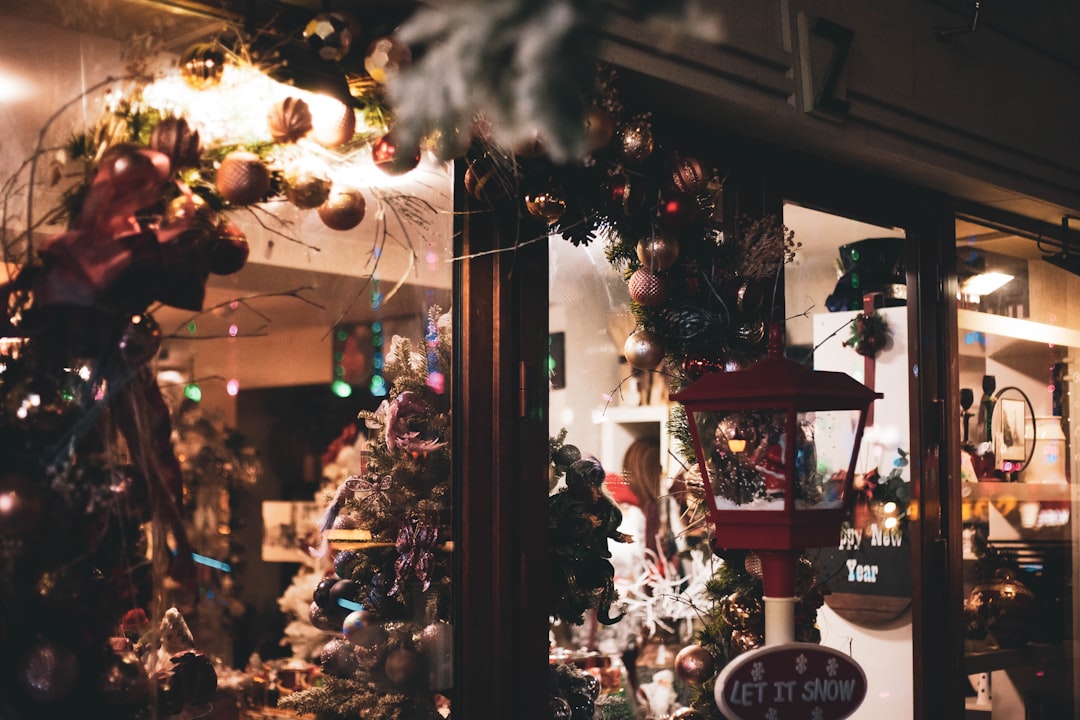
Christmas markets are popular seasonal attractions that typically appear in public squares of towns and cities during the holiday season. These markets feature decorative lights, festive ornaments, and create community gathering spaces. They combine historical tradition with contemporary elements, as many markets have origins dating back hundreds of years.
These markets originally served as community celebrations of harvest and winter’s arrival. Today, they maintain traditional elements while incorporating modern features. Typical attractions include mulled wine, holiday music, and family-friendly activities.
Christmas markets are known for bringing together diverse groups of people to participate in seasonal celebrations in a communal setting.
Key Takeaways
- Christmas markets offer a magical holiday experience filled with festive sights, sounds, and scents.
- Visitors can explore traditional crafts, artisanal goods, and indulge in seasonal treats and delicacies.
- These markets feature festive entertainment and activities that enhance the joyful atmosphere.
- Understanding the history and traditions behind Christmas markets enriches the visit.
- Sustainable practices and thoughtful shopping tips help make the experience eco-friendly and memorable.
A Feast for the Senses: Sights, Sounds, and Scents
Christmas markets are a sensory delight, engaging visitors on multiple levels. The sights are nothing short of breathtaking; stalls adorned with colorful ornaments, handcrafted decorations, and shimmering lights create a visual feast. The ambiance is further enhanced by the sounds of laughter, cheerful conversations, and festive music that fills the air.
From traditional carols to contemporary holiday hits, the melodies resonate throughout the market, inviting everyone to join in the celebration. The olfactory experience is equally captivating. The aroma of roasted chestnuts, spiced mulled wine, and freshly baked gingerbread wafts through the air, enticing passersby to indulge in seasonal treats.
Each stall offers a unique scent profile that reflects its offerings, creating an intoxicating blend that is synonymous with the holiday spirit. This sensory overload not only enhances the festive atmosphere but also evokes cherished memories associated with the season.
Exploring Traditional Crafts and Artisanal Goods
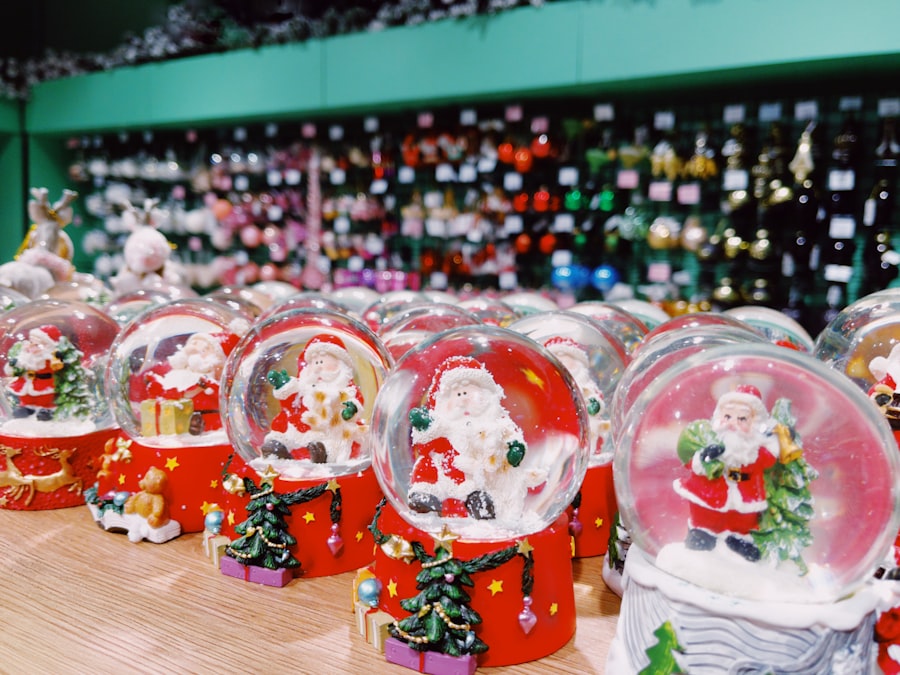
One of the most appealing aspects of Christmas markets is the opportunity to explore traditional crafts and artisanal goods. Local artisans showcase their talents through handmade products that reflect cultural heritage and craftsmanship. From intricately carved wooden toys to delicate glass ornaments, each item tells a story and embodies the spirit of the season.
These handcrafted treasures support local economies and promote sustainable practices by encouraging consumers to buy locally made products. Engaging with artisans provides insight into their creative processes and fosters a deeper appreciation for their work.
This connection between maker and consumer enhances the overall experience, making each purchase feel meaningful and special.
Indulge in Festive Treats and Delicacies
No visit to a Christmas market is complete without indulging in festive treats and delicacies. Culinary offerings vary by region, showcasing local flavors and traditions. Popular items include bratwurst sausages sizzling on grills, sweet pastries dusted with powdered sugar, and rich hot chocolate topped with whipped cream.
Each bite transports visitors into a world of seasonal flavors that evoke warmth and comfort. In addition to savory dishes, sweet treats abound at these markets. Gingerbread cookies shaped like stars or hearts are often decorated with colorful icing, while stollen—a traditional German fruitcake—offers a delightful combination of spices and dried fruits.
Sampling these delicacies not only satisfies cravings but also allows visitors to experience the culinary heritage of different cultures during this festive time.
Enjoying Festive Entertainment and Activities
| Christmas Market | Location | Opening Dates | Number of Stalls | Annual Visitors | Special Features |
|---|---|---|---|---|---|
| Prague Old Town Square | Prague, Czech Republic | Late November – December 24 | 100+ | 2 million | Traditional Czech crafts, Christmas tree lighting |
| Vienna Christmas Market | Vienna, Austria | Mid November – December 26 | 150+ | 3 million | Historic setting, mulled wine, ice skating |
| Strasbourg Christkindelsmärik | Strasbourg, France | Late November – December 31 | 300+ | 2.5 million | Oldest Christmas market in France, Alsatian specialties |
| Nuremberg Christkindlesmarkt | Nuremberg, Germany | Late November – December 24 | 180+ | 2 million | Famous gingerbread, traditional opening ceremony |
| Cologne Christmas Market | Cologne, Germany | Late November – December 23 | 150+ | 4 million | Cathedral backdrop, themed markets |
Christmas markets are not just about shopping and eating; they also offer a plethora of entertainment options that enhance the festive spirit. Many markets feature live performances from local choirs, musicians, and dancers who bring holiday cheer to the crowd. These performances often include traditional songs and dances that celebrate cultural heritage, creating an immersive experience for attendees.
In addition to musical entertainment, many markets host activities for families and children. From ice skating rinks to carousel rides, these attractions provide opportunities for fun and bonding among loved ones. Craft workshops allow children to create their own holiday decorations or gifts, fostering creativity while keeping them engaged in the festivities.
Such activities ensure that there is something for everyone at Christmas markets, making them a perfect destination for families.
The History and Tradition of Christmas Markets
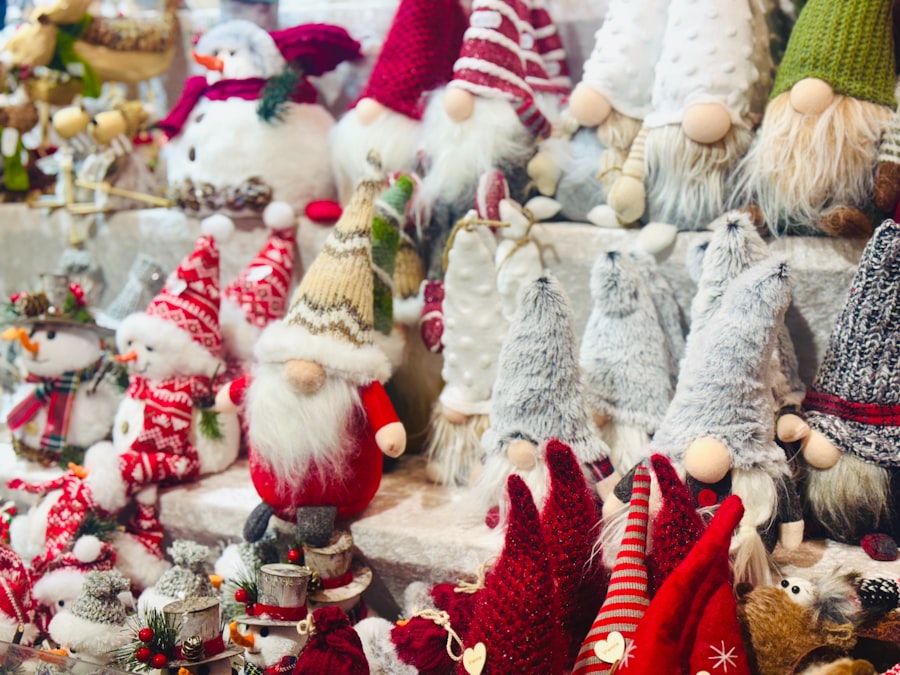
The origins of Christmas markets can be traced back to medieval Europe, where they served as vital social gatherings during the winter months. The first recorded market took place in Dresden, Germany, in 1434, known as the Striezelmarkt. These early markets were primarily focused on selling food and goods necessary for winter survival but gradually evolved into festive celebrations that included entertainment and community gatherings.
Over time, Christmas markets spread across Europe, each adopting unique customs and traditions reflective of local culture. In many regions, they became synonymous with holiday celebrations, featuring nativity scenes, Advent calendars, and other symbols of the season. Today, these markets continue to honor their historical roots while adapting to modern tastes and preferences, ensuring their relevance in contemporary society.
Unique Christmas Market Destinations Around the World
While Europe is renowned for its Christmas markets, unique destinations around the globe also embrace this festive tradition. In Chicago, USA, the Christkindlmarket showcases German-inspired stalls filled with crafts and culinary delights amidst a stunning city backdrop. Meanwhile, Tokyo’s Marunouchi area transforms into a winter wonderland with dazzling light displays and themed markets that attract both locals and tourists alike.
In Australia, cities like Melbourne host Christmas markets that celebrate summer festivities with a twist—think barbecues alongside traditional holiday fare. Each destination offers its own interpretation of Christmas markets, allowing visitors to experience diverse cultural expressions while enjoying seasonal cheer.
To fully enjoy your Christmas market experience, consider these practical tips for navigating your visit effectively. First and foremost, plan your trip during off-peak hours if possible; weekdays or early evenings tend to be less crowded than weekends or prime shopping hours. This allows for a more leisurely exploration of stalls without feeling rushed.
Dress warmly! Winter weather can be unpredictable; layering clothing ensures comfort while you stroll through outdoor markets.
Lastly, take your time—wander through stalls at your own pace to truly appreciate the craftsmanship and creativity on display.
Sustainable and Eco-Friendly Christmas Markets
As awareness of environmental issues grows, many Christmas markets are adopting sustainable practices to minimize their ecological footprint. Eco-friendly initiatives include using biodegradable materials for packaging, promoting local artisans who prioritize sustainable sourcing methods, and implementing recycling programs throughout the market. Visitors can support these efforts by choosing reusable bags for purchases or opting for products made from recycled materials.
By being mindful consumers during their visit, attendees contribute positively to both local economies and environmental sustainability while enjoying the festive atmosphere.
Christmas Market Shopping: Finding the Perfect Gifts
Shopping at Christmas markets presents an excellent opportunity to find unique gifts for loved ones while supporting local artisans. When searching for that perfect present, consider personalized items such as custom ornaments or handmade jewelry that reflect individual tastes. These thoughtful gifts carry sentimental value far beyond mass-produced alternatives.
Additionally, explore food-related gifts like artisanal jams or locally crafted chocolates that can be enjoyed long after the holiday season ends. Many stalls offer gift-wrapping services as well—taking advantage of this can save time while ensuring your presents look beautifully presented.
Creating Cherished Memories at Christmas Markets
Ultimately, Christmas markets are about creating cherished memories with family and friends during this special time of year. Whether it’s sharing laughter over a steaming cup of mulled wine or marveling at beautifully crafted ornaments together, these experiences foster connections that last a lifetime. Capture moments through photographs or journal entries detailing your adventures at various markets; these keepsakes will serve as reminders of joyful times spent together during the holiday season.
Embrace spontaneity—try new foods or participate in activities you might not typically consider—to make your visit even more memorable. In summary, Christmas markets embody the spirit of togetherness during the holiday season through their enchanting atmosphere filled with sights, sounds, and scents that engage all senses. They offer opportunities to explore traditional crafts while indulging in festive treats alongside entertainment options suitable for all ages.
With roots steeped in history yet evolving with modern trends towards sustainability, these markets provide unique shopping experiences that create lasting memories for visitors around the world.
If you’re looking to immerse yourself in the festive spirit, exploring the nejkrásnější vánoční trhy (the most beautiful Christmas markets) is a must. These markets are filled with enchanting decorations, delicious treats, and a warm atmosphere that captures the essence of the holiday season. For those interested in other seasonal traditions, you might enjoy reading about the cozy custom of the Yule log in this article: Indulge in the Cozy Tradition of Yule Log.
FAQs
What are the nejkrásnější vánoční trhy?
Nejkrásnější vánoční trhy translates to “the most beautiful Christmas markets” in Czech. These markets are festive events held during the Christmas season, featuring decorated stalls, traditional foods, handmade crafts, and holiday entertainment.
Where are the nejkrásnější vánoční trhy typically held?
The most beautiful Christmas markets are commonly found in cities and towns across the Czech Republic and other European countries. Popular locations include Prague, Brno, and Český Krumlov, known for their charming historic settings and festive atmospheres.
When do the nejkrásnější vánoční trhy usually take place?
These Christmas markets generally start in late November and run through December, often ending just before or on Christmas Eve. Exact dates can vary by location each year.
What can visitors expect to find at the nejkrásnější vánoční trhy?
Visitors can enjoy a variety of traditional holiday foods and drinks such as mulled wine (svařák), roasted chestnuts, and gingerbread. There are also stalls selling handmade gifts, decorations, toys, and local crafts. Many markets feature live music, nativity scenes, and activities for children.
Are the nejkrásnější vánoční trhy family-friendly?
Yes, these Christmas markets are generally very family-friendly, offering activities and entertainment suitable for children, including carousel rides, puppet shows, and visits with Santa Claus.
Is there an entrance fee to visit the nejkrásnější vánoční trhy?
Most Christmas markets are free to enter. However, some special events or attractions within the markets may require a small fee.
How can visitors get to the nejkrásnější vánoční trhy?
Most markets are located in city centers and are easily accessible by public transportation such as trams, buses, or trains. Many cities also offer parking facilities nearby for those traveling by car.
Are the nejkrásnější vánoční trhy accessible to people with disabilities?
Many Christmas markets strive to be accessible, with paved walkways and ramps. However, accessibility can vary depending on the historic nature of the location, so it is advisable to check specific market details in advance.
Can international tourists participate in the nejkrásnější vánoční trhy?
Absolutely. These markets are popular tourist attractions and welcome visitors from around the world. Information is often available in multiple languages, and vendors are accustomed to serving international guests.
What is the cultural significance of the nejkrásnější vánoční trhy?
Christmas markets are a cherished tradition in many European countries, including the Czech Republic. They celebrate the holiday season, promote local artisans and cuisine, and foster community spirit through festive gatherings.