Now Reading: Revolutionizing Urban Mobility: The Rise of Scooters
-
01
Revolutionizing Urban Mobility: The Rise of Scooters
Revolutionizing Urban Mobility: The Rise of Scooters
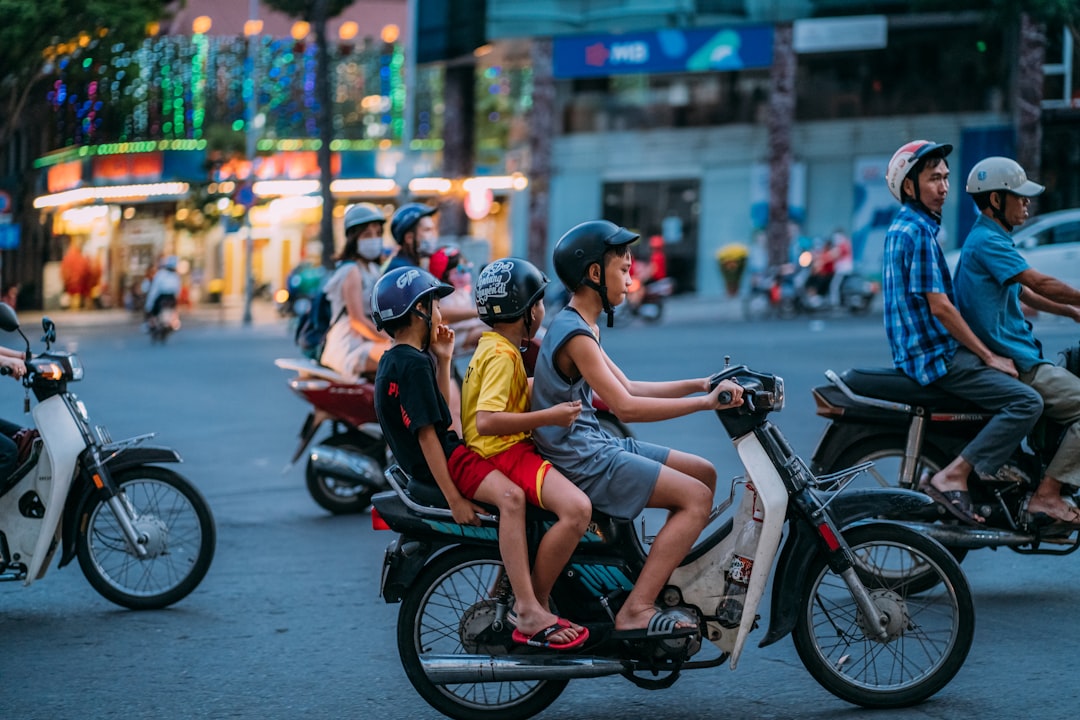
Urban mobility has evolved significantly over the centuries, reflecting the changing needs and technologies of society. In ancient civilizations, mobility was primarily facilitated by walking, animal-drawn carts, and rudimentary boats. The Industrial Revolution marked a pivotal moment in urban transportation, introducing steam-powered vehicles and railways that transformed how people navigated cities.
By the late 19th century, the advent of the automobile revolutionized urban landscapes, leading to sprawling cities designed around car travel. This shift not only altered the physical infrastructure but also influenced social dynamics, as urban centers became increasingly reliant on personal vehicles. As cities grew, so did the challenges associated with urban mobility.
Traffic congestion, air pollution, and the inefficiencies of car-centric designs prompted a reevaluation of transportation systems. The late 20th century saw a resurgence in public transit initiatives, cycling infrastructure, and pedestrian-friendly designs. This period laid the groundwork for contemporary discussions about sustainable urban mobility, emphasizing the need for diverse transportation options that prioritize environmental health and social equity.
The emergence of new technologies and shared mobility solutions has further catalyzed this evolution, leading to innovative approaches to urban transportation.
Key Takeaways
- Scooters have emerged as a sustainable and efficient urban transportation option, reducing traffic congestion and air pollution.
- Scooter sharing programs offer significant economic benefits by providing affordable and accessible mobility solutions.
- Integrating scooters into existing transportation systems enhances connectivity and supports multimodal travel.
- Advances in scooter technology improve safety, performance, and user experience, influencing urban design and infrastructure.
- Effective regulation and safety measures are crucial to address challenges and controversies related to scooter use in cities.
The Rise of Scooters as a Sustainable Transportation Option
In recent years, electric scooters have emerged as a prominent solution to urban mobility challenges. Their rise can be attributed to several factors, including increasing urbanization, the demand for eco-friendly transportation alternatives, and advancements in technology. Electric scooters offer a compact and efficient means of travel, particularly in densely populated areas where traditional vehicles may struggle to navigate.
Their lightweight design allows for easy maneuverability, making them an attractive option for short-distance commutes. The sustainability aspect of scooters cannot be overstated. Unlike conventional vehicles that contribute to greenhouse gas emissions, electric scooters operate on rechargeable batteries, significantly reducing their carbon footprint.
Studies indicate that replacing short car trips with scooter rides can lead to substantial reductions in overall emissions. Furthermore, many scooter-sharing programs are designed with sustainability in mind, utilizing renewable energy sources for charging stations and promoting responsible usage among riders. As cities grapple with climate change and environmental degradation, scooters present a viable alternative that aligns with broader sustainability goals.
The Impact of Scooters on Traffic Congestion
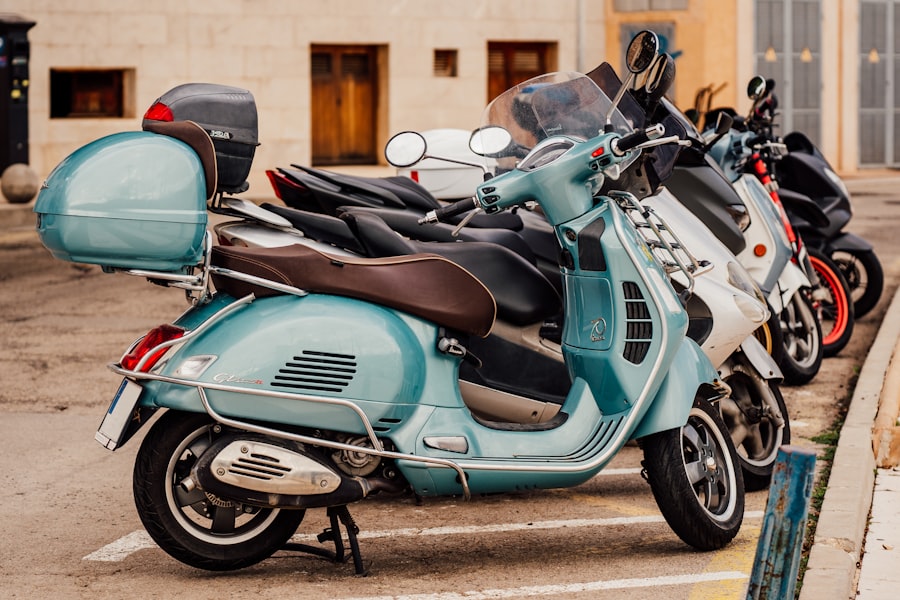
The proliferation of electric scooters has had a notable impact on traffic congestion in urban areas. By providing an alternative mode of transportation for short trips, scooters help alleviate the burden on roadways that are often clogged with cars. Research indicates that a significant percentage of urban trips are under three miles—distances that are ideally suited for scooter travel.
By encouraging individuals to opt for scooters instead of personal vehicles for these short journeys, cities can experience a reduction in traffic volume. Moreover, scooters can enhance the efficiency of existing transportation networks. When integrated into public transit systems, they serve as a last-mile solution, allowing commuters to easily reach transit hubs without relying on cars.
This integration not only reduces congestion but also promotes a more seamless travel experience for users. As cities continue to explore innovative solutions to combat traffic woes, scooters represent a promising avenue for improving urban mobility and enhancing overall quality of life.
The Role of Scooters in Reducing Air Pollution
Air pollution is a pressing concern in many urban environments, contributing to health issues such as respiratory diseases and cardiovascular problems. Electric scooters play a crucial role in mitigating these environmental challenges by offering a cleaner alternative to fossil fuel-powered vehicles. Studies have shown that transitioning from traditional cars to electric scooters can lead to significant reductions in harmful emissions, including nitrogen oxides and particulate matter.
In addition to their direct impact on air quality, scooters also encourage behavioral changes among users. As individuals become more accustomed to using electric scooters for short trips, they may be less inclined to rely on personal vehicles altogether. This shift not only reduces traffic congestion but also fosters a culture of sustainable transportation within communities.
By promoting the use of electric scooters as a primary mode of transport, cities can work towards achieving cleaner air and healthier living conditions for their residents.
The Challenges and Controversies Surrounding Scooter Use
| Metric | Value | Unit |
|---|---|---|
| Average Speed | 15 | km/h |
| Maximum Range | 40 | km |
| Battery Capacity | 5000 | mAh |
| Weight | 12 | kg |
| Charging Time | 4 | hours |
| Wheel Size | 8.5 | inches |
| Top Speed | 25 | km/h |
| Load Capacity | 100 | kg |
Despite their many benefits, the rise of electric scooters has not been without controversy. One of the primary challenges is the issue of safety. Reports of accidents involving scooter riders have raised concerns about the potential risks associated with their use.
Inadequate infrastructure, such as poorly maintained roads and insufficient bike lanes, can exacerbate these safety issues. Additionally, the lack of helmet usage among riders poses further risks, prompting calls for increased safety regulations. Another significant challenge is the management of scooter-sharing programs.
Cities have faced difficulties in regulating the placement and maintenance of scooters, leading to instances of cluttered sidewalks and obstructed pathways. This has sparked debates about the responsibilities of scooter companies and local governments in ensuring that shared scooters are used responsibly and do not impede pedestrian access. Striking a balance between promoting scooter use and maintaining public safety remains a critical issue for urban planners and policymakers.
The Economic Benefits of Scooter Sharing Programs
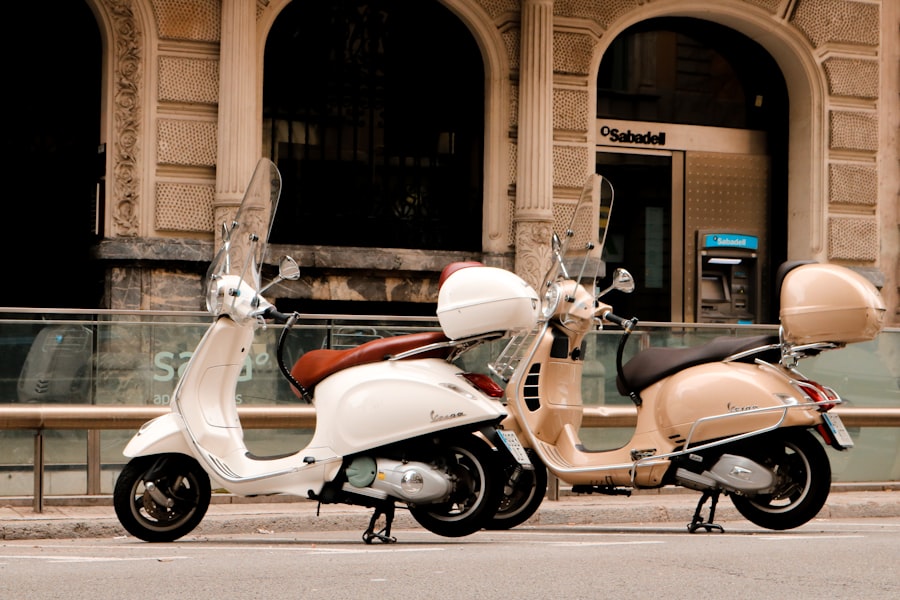
Scooter-sharing programs have emerged as a lucrative business model while simultaneously providing economic benefits to urban areas. These programs create job opportunities in various sectors, including maintenance, operations, and customer service. As demand for scooter rentals increases, companies often expand their workforce to meet user needs, contributing to local economies.
Moreover, scooter-sharing initiatives can stimulate local businesses by attracting customers who may otherwise rely on personal vehicles or public transit. Riders are more likely to explore nearby shops and restaurants when using scooters for short trips, leading to increased foot traffic in commercial areas. Additionally, cities can benefit from revenue generated through permits and fees associated with scooter operations.
By fostering an environment conducive to scooter sharing, municipalities can harness economic growth while promoting sustainable transportation options.
The Integration of Scooters into Existing Transportation Systems
The successful integration of electric scooters into existing transportation systems is essential for maximizing their potential benefits. Cities must develop comprehensive strategies that incorporate scooters alongside public transit options such as buses and trains. This integration can be achieved through designated parking areas at transit hubs, allowing riders to easily transition between modes of transport.
Furthermore, cities should invest in infrastructure improvements that support scooter use, including dedicated lanes and safe parking facilities. By creating an interconnected network that prioritizes multiple modes of transportation, urban planners can enhance accessibility and convenience for all users.
The Advancements in Scooter Technology
Technological advancements have played a pivotal role in enhancing the functionality and safety of electric scooters. Modern scooters are equipped with features such as GPS tracking, anti-theft mechanisms, and improved battery life, making them more user-friendly and secure. Innovations in battery technology have led to longer ranges and faster charging times, allowing riders to travel greater distances without frequent recharging.
Additionally, advancements in materials science have resulted in lighter yet more durable scooter designs. This not only improves performance but also enhances rider safety by reducing the likelihood of mechanical failures during use. As technology continues to evolve, we can expect further enhancements that will make electric scooters an even more appealing option for urban mobility.
The Influence of Scooters on Urban Design and Infrastructure
The rise of electric scooters has prompted cities to rethink their urban design strategies and infrastructure development. As more individuals opt for scooters as a primary mode of transport, there is an increasing need for dedicated lanes and parking facilities that accommodate this growing trend. Urban planners are now tasked with creating environments that prioritize multimodal transportation options while ensuring pedestrian safety.
Moreover, the presence of scooters has led to discussions about reimagining public spaces. Cities are exploring ways to repurpose underutilized areas into scooter-friendly zones that encourage social interaction and community engagement. By integrating scooters into the fabric of urban design, municipalities can foster vibrant public spaces that promote sustainable transportation while enhancing overall livability.
The Future of Scooters in Urban Mobility
Looking ahead, the future of electric scooters in urban mobility appears promising yet complex. As cities continue to grapple with issues such as traffic congestion and air pollution, scooters will likely play an increasingly vital role in shaping sustainable transportation solutions. However, their success will depend on effective regulation and infrastructure development that prioritizes safety and accessibility.
Emerging technologies such as autonomous vehicles may also influence the future landscape of urban mobility. The integration of autonomous scooters could revolutionize how individuals navigate cities while further reducing reliance on personal vehicles. As we move towards a more interconnected transportation ecosystem, it is essential for stakeholders—including city officials, scooter companies, and community members—to collaborate in shaping policies that support sustainable mobility initiatives.
The Importance of Regulation and Safety in Scooter Use
Regulation is paramount in ensuring the safe use of electric scooters within urban environments. Local governments must establish clear guidelines regarding speed limits, designated riding areas, and helmet requirements to protect riders and pedestrians alike. Additionally, education campaigns aimed at raising awareness about safe riding practices can help mitigate risks associated with scooter use.
Furthermore, companies operating scooter-sharing programs should be held accountable for maintaining their fleets and ensuring compliance with local regulations. Regular inspections and maintenance checks are essential for preventing mechanical failures that could jeopardize rider safety. By fostering a culture of responsibility among both users and operators, cities can create safer environments conducive to sustainable transportation.
In summary, electric scooters have emerged as a transformative force in urban mobility by offering sustainable alternatives to traditional transportation methods while addressing pressing issues such as traffic congestion and air pollution. Their integration into existing transportation systems presents both opportunities and challenges that require careful consideration from policymakers and urban planners alike. As technology continues to advance and societal attitudes shift towards sustainability, electric scooters are poised to play an increasingly significant role in shaping the future of urban transportation while necessitating robust regulations to ensure safety and accessibility for all users.
If you’re considering purchasing a scooter, it’s essential to stay informed about the latest trends and regulations that may affect your riding experience. For instance, you might find it interesting to read about the upcoming federal holidays in 2024, as these dates could influence when you plan your scooter outings. Check out this article for more details: com/federal-holidays-2024-what-to-look-forward-to/’>Federal Holidays 2024: What to Look Forward To.
FAQs
What types of scooters are available?
There are several types of scooters including electric scooters, kick scooters, gas-powered scooters, and mobility scooters. Each type serves different purposes, from recreational use to transportation and mobility assistance.
How fast can electric scooters go?
Electric scooters typically have a top speed ranging from 15 to 30 miles per hour (24 to 48 kilometers per hour), depending on the model and motor power.
Are scooters legal to ride on public roads?
Scooter laws vary by location. In many places, electric scooters are allowed on bike lanes and roads with speed limits under a certain threshold, but riders may need to follow specific regulations such as wearing helmets and adhering to age restrictions.
What safety gear should I wear when riding a scooter?
It is recommended to wear a helmet, knee and elbow pads, and wrist guards to protect against injuries while riding a scooter.
How long does the battery last on an electric scooter?
Battery life varies by model, but most electric scooters can travel between 10 to 40 miles (16 to 64 kilometers) on a single charge.
Can scooters be used in all weather conditions?
Scooters are generally not recommended for use in heavy rain, snow, or icy conditions due to safety concerns and potential damage to electrical components.
What maintenance do scooters require?
Regular maintenance includes checking tire pressure, brakes, battery health, and cleaning the scooter to ensure optimal performance and safety.
Are scooters environmentally friendly?
Electric scooters produce zero emissions during use and are considered more environmentally friendly than gas-powered vehicles, though battery production and disposal have environmental impacts.
What is the typical weight capacity of a scooter?
Most scooters have a weight capacity between 220 to 265 pounds (100 to 120 kilograms), but this can vary depending on the model.
How do I choose the right scooter for me?
Consider factors such as intended use (commuting, recreation, mobility), range, speed, weight capacity, portability, and budget when selecting a scooter.