Now Reading: Where Winds Meet Maintenance: Keeping Your Property Safe
-
01
Where Winds Meet Maintenance: Keeping Your Property Safe
Where Winds Meet Maintenance: Keeping Your Property Safe
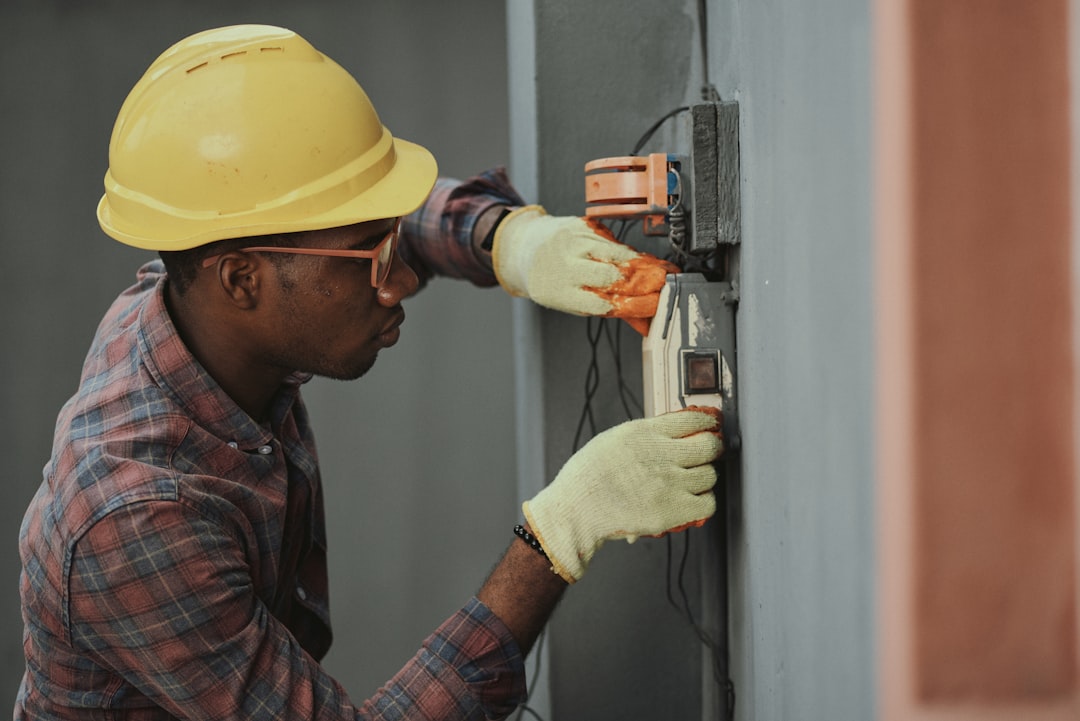
Wind forces pose significant structural risks to buildings and outdoor installations, particularly in areas susceptible to severe weather phenomena including hurricanes and tornadoes. During these events, wind speeds frequently exceed 74 miles per hour, transforming loose materials into high-velocity projectiles capable of causing extensive property damage.
Wind damage extends beyond immediate physical impact. Compromised building envelopes allow water infiltration, which subsequently promotes mold development and accelerates structural deterioration. The economic consequences of wind damage are substantial, with repair costs typically ranging from thousands to tens of thousands of dollars depending on the severity and extent of damage.
Effective property management requires implementing wind-resistant design features and conducting regular maintenance inspections to identify and address vulnerabilities before severe weather events occur. This preventive approach applies to both residential and commercial properties, where structural integrity directly affects occupant safety and long-term asset value.
Key Takeaways
- Regular inspections and maintenance are crucial to prevent and address wind damage on properties.
- Using wind-resistant materials and reinforcing roofs, siding, windows, and doors enhances property durability.
- Proper tree care and securing outdoor structures reduce risks during strong winds.
- Developing an emergency preparedness plan and educating residents improve safety during wind events.
- Staying informed about local wind patterns and weather alerts helps in timely response and protection.
Importance of Regular Inspections for Wind Damage
Conducting regular inspections is a fundamental aspect of property maintenance that cannot be overlooked.
Property owners should schedule inspections at least twice a year, ideally before and after the peak wind seasons.
During these evaluations, professionals can assess the condition of roofs, siding, windows, and other critical components that may be susceptible to wind damage. In addition to scheduled inspections, property owners should remain vigilant after severe weather events. Even minor storms can cause unnoticed damage that may escalate if left unaddressed.
For instance, a small crack in a window frame may not seem significant initially but can lead to extensive water damage if it allows moisture to infiltrate the building envelope. By prioritizing regular inspections, property owners can identify issues early and implement necessary repairs before they escalate into costly problems.
Choosing the Right Materials for Wind-Resistant Property

Selecting appropriate materials is vital for constructing wind-resistant properties. Building codes in many regions now mandate the use of specific materials designed to withstand high winds. For instance, impact-resistant windows made from laminated glass can significantly reduce the risk of shattering during storms.
Similarly, reinforced roofing materials, such as metal or asphalt shingles rated for high wind resistance, can provide added protection against wind uplift. In addition to windows and roofing, the choice of siding materials plays a crucial role in wind resistance. Fiber cement siding is often recommended due to its durability and ability to withstand harsh weather conditions.
Furthermore, using fasteners and adhesives specifically designed for high-wind applications can enhance the overall resilience of a structure. By investing in high-quality materials that meet or exceed local building codes, property owners can significantly reduce the risk of wind-related damage.
Implementing Proper Tree and Landscaping Maintenance
Landscaping plays a pivotal role in mitigating wind damage to properties. Trees and shrubs can act as natural windbreaks, reducing the force of winds before they reach structures. However, poorly maintained trees can pose a significant risk during storms.
Regular pruning is essential to remove dead or weak branches that could become projectiles in high winds. Additionally, ensuring that trees are healthy and well-rooted can prevent them from toppling over during severe weather events. Furthermore, property owners should consider the strategic placement of landscaping elements.
For instance, planting dense hedges or installing fences can help deflect wind away from buildings. However, it is crucial to avoid placing large trees too close to structures, as their roots may compromise foundations or their branches may cause damage during storms. A well-thought-out landscaping plan not only enhances aesthetic appeal but also serves as a protective barrier against wind-related threats.
Securing Outdoor Structures and Furniture
| Metric | Description | Value | Unit | Notes |
|---|---|---|---|---|
| Average Wind Speed | Mean wind speed at maintenance site | 12 | m/s | Measured over 1 year |
| Maintenance Downtime | Average downtime due to maintenance | 15 | hours/month | Includes scheduled and unscheduled |
| Blade Inspection Frequency | Number of blade inspections per year | 4 | times/year | Quarterly inspections recommended |
| Component Failure Rate | Failures per 1000 operating hours | 2.5 | failures/1000 hrs | Includes gearbox and generator |
| Preventive Maintenance Cost | Cost of preventive maintenance | 1200 | units | Monthly average |
| Wind Turbine Availability | Percentage of operational time | 95 | % | High availability ensures energy output |
Outdoor structures such as gazebos, pergolas, and sheds require special attention when it comes to wind protection. These structures should be anchored securely to prevent them from being lifted or toppled by strong winds. Utilizing concrete footings or ground anchors can provide stability and reduce the risk of damage during storms.
In addition to securing structures, outdoor furniture should also be considered in wind preparedness plans. Lightweight items such as chairs and tables can easily become airborne projectiles in high winds, posing risks to both property and personal safety. Property owners should invest in heavy-duty furniture or utilize storage solutions to keep items secure during storm events.
By taking these precautions, individuals can minimize potential damage and ensure their outdoor spaces remain intact.
Installing Wind-Resistant Windows and Doors

Windows and doors are critical components of any building’s envelope and are often the first points of failure during high-wind events. Installing wind-resistant windows and doors is an effective strategy for enhancing a property’s resilience against severe weather. Impact-rated windows are designed to withstand flying debris and high-pressure differentials caused by strong winds.
When selecting doors, homeowners should consider options such as fiberglass or steel doors with reinforced frames. These materials offer superior strength compared to traditional wooden doors, which may warp or break under pressure. Additionally, proper installation is crucial; gaps around windows and doors should be sealed with high-quality caulking or weather stripping to prevent air and water infiltration.
By investing in wind-resistant openings, property owners can significantly reduce the risk of damage during storms.
Reinforcing Roof and Siding for Wind Protection
The roof is one of the most vulnerable areas of a structure when it comes to wind damage. Reinforcing roofs with additional fasteners or using hurricane straps can help secure roofing materials against uplift forces during storms. Additionally, selecting roofing materials rated for high winds is essential; metal roofs are often recommended due to their durability and resistance to wind damage.
Siding also requires attention in wind-prone areas. Proper installation techniques are critical; siding should be fastened securely with appropriate fasteners designed for high-wind applications. Furthermore, using materials such as vinyl or fiber cement siding can enhance resistance against wind-driven rain and debris impact.
By reinforcing both roofs and siding, property owners can create a more robust defense against the destructive forces of nature.
Creating a Plan for Emergency Preparedness
Developing an emergency preparedness plan is essential for all property owners, particularly those in areas prone to severe winds. This plan should outline specific actions to take before, during, and after a storm event. Key components include establishing communication protocols with family members or tenants, identifying safe locations within the property for sheltering during storms, and creating an inventory of emergency supplies such as food, water, flashlights, and first aid kits.
Additionally, property owners should familiarize themselves with local emergency services and evacuation routes in case of severe weather warnings. Regularly reviewing and updating the emergency plan ensures that all residents are aware of procedures and can respond effectively when faced with high winds or other natural disasters.
Utilizing Professional Services for Wind-Related Maintenance
While many property maintenance tasks can be performed by homeowners themselves, enlisting professional services for wind-related maintenance is often advisable. Experienced contractors possess specialized knowledge regarding local building codes and best practices for wind resistance. They can conduct thorough inspections and recommend necessary upgrades or repairs based on their findings.
Moreover, professionals have access to advanced tools and materials that may not be readily available to the average homeowner. Engaging experts ensures that all work is performed correctly and efficiently, reducing the likelihood of future issues arising from improper installations or repairs.
Educating Residents on Wind Safety Measures
Education plays a vital role in ensuring that residents understand the importance of wind safety measures. Property owners should take the initiative to inform tenants or family members about potential risks associated with high winds and the steps they can take to protect themselves and their property. Workshops or informational sessions can be organized to discuss topics such as securing outdoor items, recognizing signs of structural damage after storms, and understanding emergency preparedness plans.
Providing residents with resources such as brochures or online materials can further enhance their awareness and preparedness levels.
Staying Informed About Local Wind Patterns and Weather Alerts
Staying informed about local wind patterns and weather alerts is crucial for effective property maintenance and safety planning. Property owners should subscribe to local weather services or utilize mobile applications that provide real-time updates on severe weather conditions. Understanding historical wind patterns in the area can also aid in preparing properties for potential storms.
For instance, if certain months are known for increased wind activity, property owners can schedule inspections or maintenance tasks accordingly. By remaining vigilant about weather forecasts and local conditions, individuals can take proactive measures to protect their properties from wind-related damage. In summary, understanding the impact of winds on property maintenance is essential for safeguarding structures against potential damage caused by severe weather events.
Regular inspections play a critical role in identifying vulnerabilities while choosing appropriate materials enhances resilience against high winds. Implementing proper landscaping maintenance, securing outdoor structures, installing wind-resistant windows and doors, reinforcing roofs and siding, creating emergency preparedness plans, utilizing professional services, educating residents on safety measures, and staying informed about local weather patterns are all integral components of an effective strategy for managing wind-related risks. By adopting these practices, property owners can significantly reduce the likelihood of damage while ensuring the safety of their investments and occupants alike.
In the context of understanding how various factors influence maintenance practices, it’s interesting to explore the significance of federal holidays, which can impact scheduling and resource allocation. For a deeper insight into the official federal holidays in the United States, you can read the article here. This resource provides valuable information on how these holidays are recognized and their implications for various sectors, including maintenance operations.
FAQs
What is the main focus of the article “Where Winds Meet Maintenance”?
The article primarily discusses the maintenance challenges and practices associated with wind energy installations, particularly wind turbines.
Why is maintenance important for wind turbines?
Maintenance is crucial for wind turbines to ensure their efficient operation, prevent breakdowns, extend their lifespan, and maximize energy production.
What are common maintenance activities for wind turbines?
Common maintenance activities include regular inspections, lubrication of moving parts, checking electrical systems, blade repairs, and monitoring for wear and tear.
How often should wind turbines be maintained?
Maintenance schedules vary, but typically wind turbines undergo routine inspections and servicing every 6 to 12 months, with more comprehensive checks every few years.
What challenges are associated with maintaining wind turbines?
Challenges include difficult access to turbines (often located in remote or offshore areas), harsh weather conditions, the complexity of turbine components, and the need for specialized equipment and trained personnel.
Are there technological advancements that aid wind turbine maintenance?
Yes, advancements such as remote monitoring systems, drones for inspections, predictive maintenance software, and robotic repair tools help improve maintenance efficiency and safety.
How does maintenance impact the overall cost of wind energy?
Effective maintenance reduces downtime and repair costs, thereby lowering the overall cost of wind energy production and improving the return on investment.
Who is responsible for wind turbine maintenance?
Maintenance is typically carried out by specialized technicians employed by wind farm operators or third-party service providers with expertise in wind energy technology.
Can poor maintenance affect wind turbine performance?
Yes, inadequate maintenance can lead to reduced efficiency, increased risk of mechanical failure, higher repair costs, and shorter turbine lifespan.
Is environmental impact considered during wind turbine maintenance?
Yes, maintenance practices aim to minimize environmental impact by using eco-friendly materials, proper waste disposal, and ensuring that operations do not harm local wildlife or ecosystems.