Now Reading: Tenerife Vlna: Exploring the Waves of the Canary Islands
-
01
Tenerife Vlna: Exploring the Waves of the Canary Islands
Tenerife Vlna: Exploring the Waves of the Canary Islands
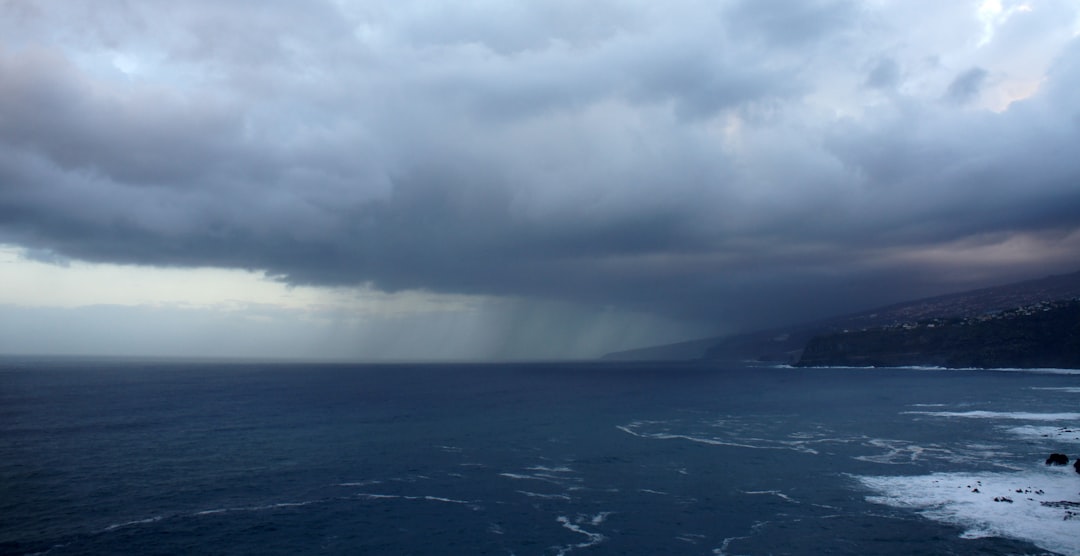
Tenerife, the largest of the Canary Islands, is renowned for its stunning landscapes, vibrant culture, and exceptional waves that attract surf enthusiasts worldwide. The island’s unique geographical features and climate create ideal surfing conditions for both beginners and experienced surfers. The Czech word “Vlna” (meaning “wave”) aptly describes what Tenerife offers: a dynamic and exhilarating surfing experience.
With numerous diverse surf spots along its coastline, Tenerife has established itself as an essential destination for surfing enthusiasts. The island’s appeal extends beyond surfing alone, encompassing a lifestyle centered around ocean appreciation. Tenerife’s volcanic origins have formed dramatic coastlines featuring a range of surfing conditions, from gentle swells suitable for beginners to challenging breaks that test expert surfers.
The island’s surfing scene is complemented by its rich cultural heritage and natural beauty, making it a comprehensive destination for water sports enthusiasts and travelers seeking coastal experiences.
Key Takeaways
- Tenerife’s unique geography creates ideal wave conditions for surfing enthusiasts.
- The island offers a variety of top surf spots suitable for different skill levels.
- Surfing culture in Tenerife is vibrant, with a rich history tied to the Canary Islands.
- Best surfing times and safety tips are essential for an enjoyable experience.
- Beyond surfing, Tenerife provides diverse water sports and accommodations for visitors.
The Geography of Tenerife and its Impact on Waves
Tenerife’s geography plays a pivotal role in shaping its surf conditions. The island is characterized by its mountainous terrain, with Mount Teide standing as the highest peak in Spain at 3,718 meters (12,198 feet). This elevation influences local weather patterns and ocean currents, creating a variety of wave conditions suitable for different skill levels.
The northern coast is often more exposed to the Atlantic swells, while the southern beaches tend to have calmer waters, making them ideal for beginners. The volcanic nature of the island also contributes to the unique characteristics of its surf breaks. The rocky formations along the coastline create natural reefs that enhance wave quality and provide a diverse range of surfing experiences.
Notable surf spots such as El Conquistador and La Izquierda are direct results of these geological features.
The Best Surf Spots in Tenerife
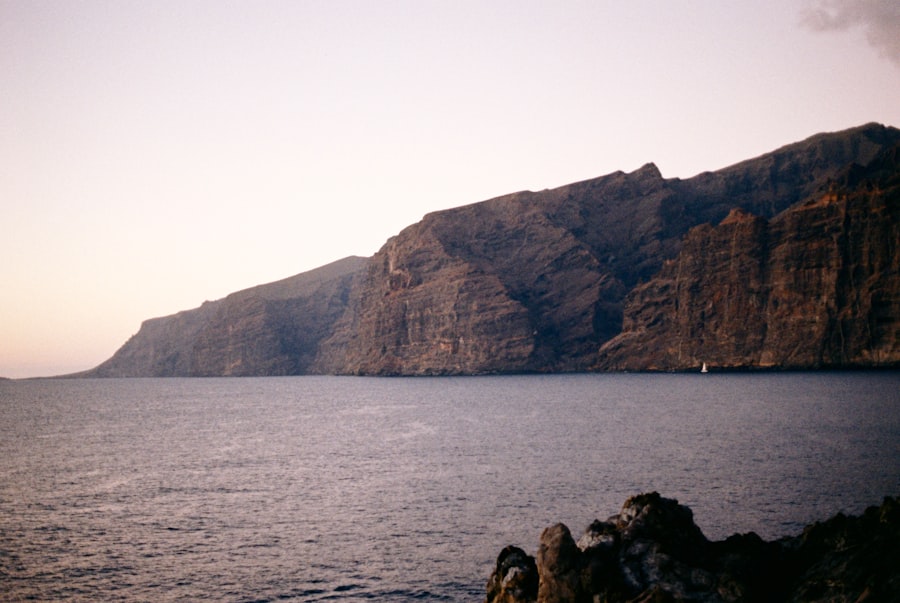
Tenerife boasts an array of surf spots that cater to all levels of surfers. One of the most famous locations is Playa de las Américas, known for its consistent waves and vibrant surf culture. This beach offers various breaks suitable for both beginners and advanced surfers, making it a popular choice for surf schools and rental shops.
The lively atmosphere is complemented by numerous beachfront bars and restaurants, creating a perfect environment for post-surf relaxation. Another notable spot is Punta de Teno, located on the western tip of the island. This area is less crowded and offers powerful waves that attract experienced surfers seeking a challenge.
The breathtaking scenery surrounding Punta de Teno adds to its appeal, with dramatic cliffs and stunning ocean views. For those looking for a more secluded experience, Playa de Benijo in the north provides a picturesque setting with consistent swells and fewer crowds.
Surfing Culture in Tenerife
The surfing culture in Tenerife is vibrant and deeply rooted in the island’s identity. Surfing is not merely a sport; it is a way of life for many locals who embrace the ocean’s rhythm. The community is welcoming and inclusive, with numerous surf schools offering lessons for all ages and skill levels.
This accessibility has fostered a growing interest in surfing among both residents and tourists alike. Events such as beach clean-ups and surf competitions further strengthen this sense of community. Local surfers often come together to promote environmental awareness and preserve the natural beauty of their coastline.
The camaraderie among surfers creates an atmosphere of support and encouragement, making it easy for newcomers to feel at home in this dynamic environment.
The History of Surfing in the Canary Islands
| Metric | Value | Unit | Description |
|---|---|---|---|
| Wave Height | 2-4 | meters | Average wave height during peak swell season in Tenerife |
| Wave Period | 8-12 | seconds | Time interval between waves, indicating wave energy |
| Water Temperature | 18-24 | °C | Sea surface temperature around Tenerife |
| Wind Speed | 10-20 | km/h | Average wind speed affecting wave formation |
| Best Surf Season | October to March | Months | Period with most consistent and high-quality waves |
Surfing in the Canary Islands has a rich history that dates back several decades. While the sport gained popularity in mainland Europe during the 1960s, it took some time for it to establish itself in the Canaries. The first surfers began to explore the waves of Tenerife in the late 1970s, drawn by the island’s favorable climate and consistent swells.
As surfing grew in popularity, so did the development of local surf schools and rental shops. By the 1990s, Tenerife had firmly established itself as a premier surfing destination in Europe. The island has since hosted numerous international competitions, attracting top talent from around the world and further solidifying its reputation within the global surfing community.
The Best Times to Surf in Tenerife
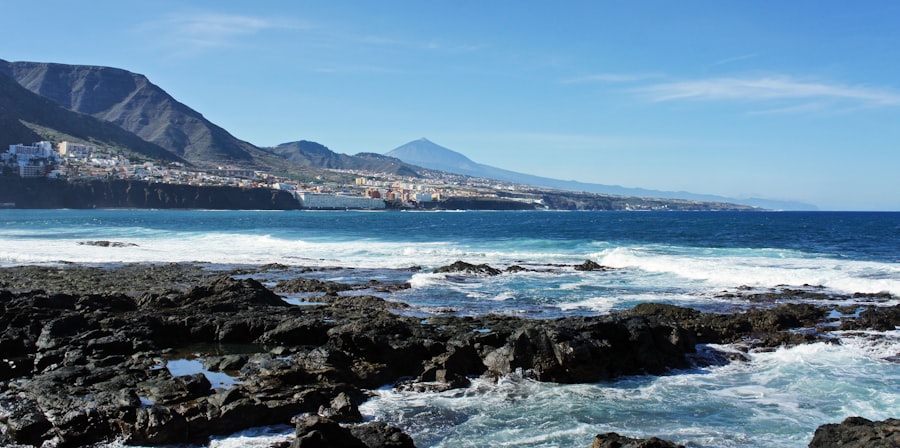
Tenerife offers year-round surfing opportunities due to its mild climate and consistent wave patterns. However, certain times of the year are particularly favorable for surfers seeking optimal conditions. The winter months from November to March typically bring larger swells generated by Atlantic storms, making this period ideal for experienced surfers looking for challenging waves.
Conversely, summer months from June to September provide smaller swells that are perfect for beginners or those looking to refine their skills. During this time, the water temperature averages around 23°C (73°F), making it comfortable for extended sessions without a wetsuit. Regardless of when you visit, it is essential to check local forecasts to ensure you catch the best conditions.
Surfing Events and Competitions in Tenerife
Tenerife hosts several prestigious surfing events throughout the year that showcase local talent and attract international competitors. One of the most notable competitions is the Tenerife Pro, part of the World Surf League qualifying series. This event draws top surfers from around the globe who compete for valuable points towards their professional rankings.
In addition to professional competitions, local surf schools often organize friendly contests that encourage participation from all skill levels. These events foster community spirit and provide an opportunity for surfers to connect with one another while celebrating their shared passion for riding waves.
Surfing Safety Tips for Tenerife
While surfing can be an exhilarating experience, it is crucial to prioritize safety while enjoying the waves in Tenerife. Here are some essential safety tips: 1. **Know Your Limits**: Assess your skill level honestly before tackling challenging breaks.
2.
**Check Conditions**: Always check local surf reports for wave height, wind direction, and tide times.
**Wear Appropriate Gear**: Depending on water temperature, consider wearing a wetsuit or rash guard to protect against sunburn and abrasions.
4. **Respect Local Surfers**: Be aware of surf etiquette; give priority to those already riding waves.
5.
**Stay Hydrated**: Bring water to stay hydrated during long sessions under the sun.
6. **Use Sunscreen**: Apply waterproof sunscreen generously to protect your skin from UV rays. By adhering to these guidelines, surfers can enjoy their time on the water while minimizing risks associated with this thrilling sport.
Other Water Sports in Tenerife
Beyond surfing, Tenerife offers a plethora of water sports that cater to adventure seekers. Windsurfing is particularly popular due to consistent trade winds that create ideal conditions for this exhilarating activity. Locations such as El Médano are renowned for their windsurfing opportunities, attracting enthusiasts from around the world.
Kitesurfing has also gained traction on the island, with several schools providing lessons and equipment rentals for those eager to learn this exciting sport. Additionally, snorkeling and scuba diving are prevalent activities that allow visitors to explore Tenerife’s rich marine biodiversity. The crystal-clear waters surrounding the island provide excellent visibility for underwater exploration.
Surfing Accommodations and Amenities in Tenerife
Tenerife offers a wide range of accommodations catering specifically to surfers and water sports enthusiasts. Many hotels and hostels are located near popular surf spots, providing easy access to beaches and rental shops. Some establishments even offer packages that include surf lessons or guided tours to various surf locations.
In addition to lodging options, numerous surf schools operate throughout the island, offering lessons tailored to different skill levels. Rental shops provide equipment ranging from surfboards to wetsuits, ensuring that visitors have everything they need for an enjoyable experience on the water.
Exploring Tenerife Beyond the Waves
While surfing is undoubtedly a highlight of any trip to Tenerife, there is much more to explore beyond the waves. The island’s diverse landscapes offer opportunities for hiking, with trails leading through lush forests and volcanic terrain. Mount Teide National Park is a UNESCO World Heritage site that showcases stunning geological formations and breathtaking views.
Cultural experiences abound as well; visitors can immerse themselves in local traditions by attending festivals or exploring charming towns like La Laguna or Garachico. Gastronomy enthusiasts will delight in sampling traditional Canarian cuisine at local restaurants, where fresh seafood takes center stage. In summary, Tenerife is a premier destination for surfers seeking diverse wave conditions and a vibrant culture centered around water sports.
With its stunning geography, rich history, and welcoming community, this island offers an unparalleled experience for both seasoned surfers and newcomers alike. Whether riding waves or exploring its natural beauty, Tenerife promises unforgettable adventures both on land and sea.
If you’re planning a trip to Tenerife, you might find it helpful to explore the various holidays that could affect your travel plans. For a comprehensive overview of federal holidays, you can check out this article on federal holidays and important dates. Understanding these dates can help you better navigate your travel itinerary and enjoy your time on the beautiful island of Tenerife.
FAQs
What is Tenerife Vlna?
Tenerife Vlna refers to a wave phenomenon or event associated with Tenerife, one of the Canary Islands. The term “vlna” means “wave” in several Slavic languages, suggesting it may relate to surfing, ocean waves, or a cultural event involving waves on Tenerife.
Where is Tenerife located?
Tenerife is the largest of Spain’s Canary Islands, located off the northwest coast of Africa in the Atlantic Ocean. It is known for its diverse landscapes, beaches, and volcanic terrain.
Is Tenerife Vlna related to surfing?
While the exact context of Tenerife Vlna is not specified, Tenerife is a popular destination for surfing due to its Atlantic waves. Tenerife Vlna could refer to notable wave conditions or surfing events on the island.
When is the best time to experience waves in Tenerife?
The best time for surfing and wave activities in Tenerife is typically from October to March, when Atlantic swells are more consistent and larger, providing ideal conditions for surfers.
Are there any cultural events named Tenerife Vlna?
There is no widely known cultural event specifically named Tenerife Vlna. However, Tenerife hosts various festivals and events throughout the year, and “vlna” might be used in a specific context or language to describe a local event or phenomenon.
What activities can visitors enjoy related to waves in Tenerife?
Visitors to Tenerife can enjoy surfing, bodyboarding, windsurfing, and kitesurfing. The island also offers opportunities for whale watching, boat tours, and beach activities that take advantage of the ocean waves.
How can I learn more about Tenerife Vlna?
To learn more about Tenerife Vlna, consider researching surfing reports, local tourism websites, or cultural event listings related to Tenerife. Engaging with local surf schools or tourism offices can also provide detailed information.