Now Reading: Marvel Super Heroes: Uniting for a New Adventure
-
01
Marvel Super Heroes: Uniting for a New Adventure
Marvel Super Heroes: Uniting for a New Adventure
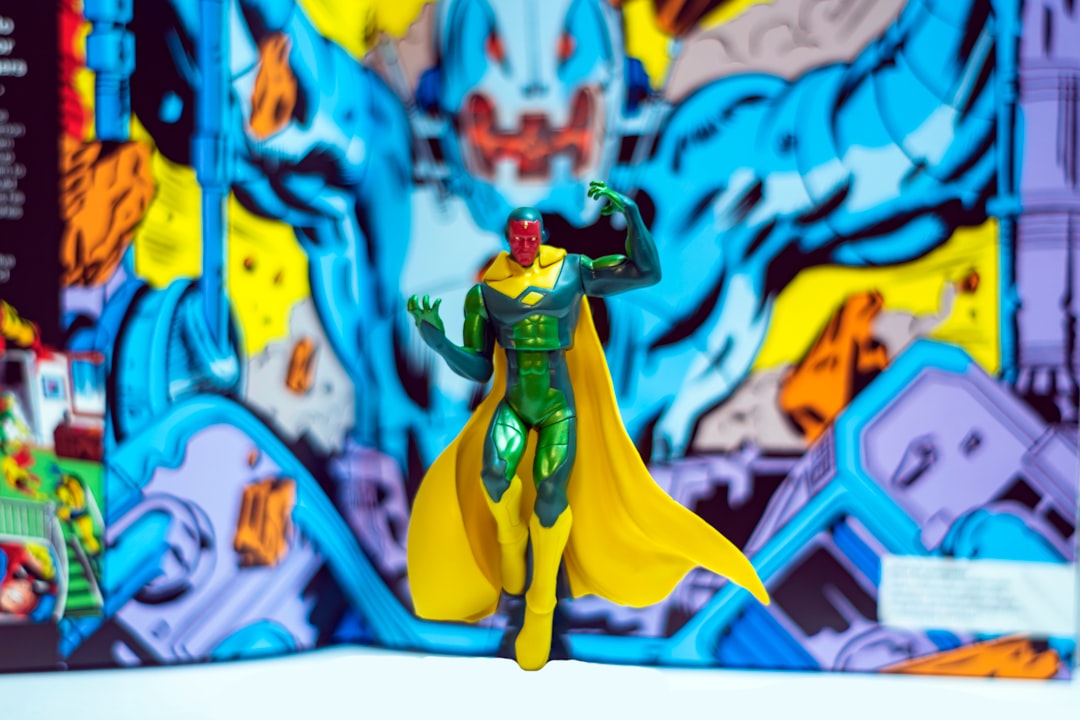
The Marvel Universe has long captivated audiences with its intricate storytelling, dynamic characters, and expansive lore. As the franchise continues to evolve, it has expanded beyond traditional comic book boundaries into a multi-faceted entertainment empire encompassing films, television series, and streaming platforms. This growth has allowed for the introduction of new characters, story arcs, and even entire universes, enriching the tapestry of narratives that fans have come to love.
The expansion is not merely a marketing strategy; it reflects the creative ambition of writers and filmmakers who seek to explore uncharted territories within the Marvel canon. With each new installment, the Marvel Universe introduces fresh perspectives and diverse characters that resonate with a global audience. The inclusion of various cultural backgrounds and experiences has made the universe more relatable and engaging.
This expansion is not just about quantity; it emphasizes quality storytelling that honors the legacy of its predecessors while paving the way for future generations of heroes and villains. As we delve deeper into this universe, we witness the emergence of new threats and challenges that will test the mettle of our beloved heroes.
Key Takeaways
- The Marvel Universe grows with multiple superhero teams reuniting and new allies emerging.
- A significant new threat prompts the Avengers and other heroes to assemble once again.
- Key groups like the Guardians of the Galaxy, X-Men, and Fantastic Four return to play major roles.
- Individual heroes such as Spider-Man, Black Panther, and Captain Marvel take leading positions in the battle.
- The Defenders join forces with other teams, highlighting a massive collaborative effort against the threat.
A New Threat Emerges
As the Marvel Universe expands, so too do the dangers that lurk within it. A new threat has emerged, one that poses a significant challenge to the established order of heroes. This antagonist is not merely a villain but a complex character with motivations that blur the lines between good and evil.
Drawing from ancient mythologies and modern fears, this new adversary wields powers that can disrupt the very fabric of reality itself. The stakes have never been higher, as this threat seeks to exploit the vulnerabilities of both heroes and civilians alike. The emergence of this formidable foe has sent shockwaves through the superhero community.
Heroes who once stood united now find themselves questioning their alliances and strategies. The threat is not just physical; it also challenges the moral compass of each character involved. As they grapple with their own fears and insecurities, they must also confront the possibility that their greatest strengths could become their most significant weaknesses.
This psychological warfare adds layers of complexity to the narrative, making it a compelling saga that will keep audiences on the edge of their seats.
The Avengers Assemble Once Again
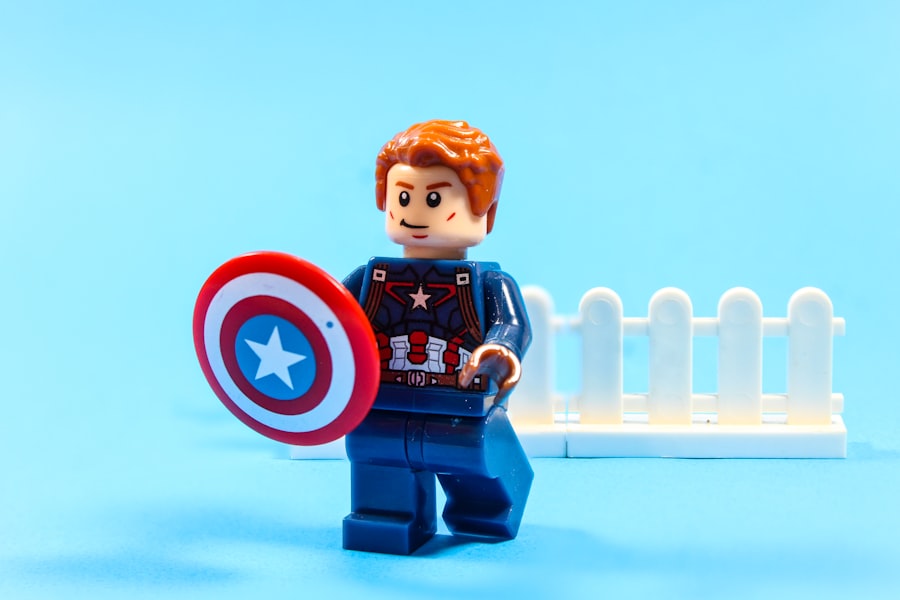
In response to this unprecedented threat, the Avengers are called to action once more. This iconic team, known for its diverse array of powers and personalities, must come together to confront the looming danger. Each member brings unique skills to the table, from Iron Man’s technological prowess to Thor’s godly strength.
However, this time, they face not only an external enemy but also internal conflicts that threaten to fracture their unity. The dynamics within the team are tested as past grievances resurface and differing ideologies clash. The Avengers’ assembly is not merely a gathering of heroes; it symbolizes hope for humanity in the face of despair.
Their collective strength lies in their ability to work together despite their differences. As they strategize and prepare for battle, they must also navigate personal relationships that have evolved over time. The emotional stakes are high, as each member grapples with their own fears and motivations while striving for a common goal: to protect Earth from annihilation.
New Allies Join the Fight
Recognizing the magnitude of the threat, the Avengers realize they cannot face it alone. New allies emerge from unexpected corners of the Marvel Universe, each bringing their own unique abilities and perspectives to the fight. These characters may have previously operated independently or even been adversaries, but circumstances have forced them to reconsider their allegiances.
The inclusion of these new allies enriches the narrative and introduces fresh dynamics that challenge established norms. Among these new allies are characters who have long been fan favorites but have yet to fully integrate into the larger narrative. Their arrival not only bolsters the Avengers’ ranks but also provides opportunities for character development and growth.
As they join forces, they must learn to trust one another and work collaboratively despite their differing backgrounds and experiences. This theme of unity in diversity resonates deeply within the context of contemporary society, making it a poignant aspect of the unfolding story.
The Guardians of the Galaxy Join the Fray
| Super Hero | Real Name | First Appearance | Super Powers | Affiliation |
|---|---|---|---|---|
| Spider-Man | Peter Parker | Amazing Fantasy #15 (1962) | Wall-crawling, super strength, spider-sense, agility | Avengers |
| Iron Man | Tony Stark | Tales of Suspense #39 (1963) | Powered armor suit, genius-level intellect | Avengers |
| Captain America | Steve Rogers | Captain America Comics #1 (1941) | Enhanced strength, agility, endurance, expert tactician | Avengers |
| Thor | Thor Odinson | Journey into Mystery #83 (1962) | Godly strength, control over thunder and lightning, flight | Avengers |
| Black Widow | Natasha Romanoff | Tales of Suspense #52 (1964) | Expert spy, martial artist, markswoman | Avengers |
| Hulk | Bruce Banner | The Incredible Hulk #1 (1962) | Superhuman strength, regeneration, durability | Avengers |
| Doctor Strange | Stephen Strange | Strange Tales #110 (1963) | Mastery of magic, astral projection, time manipulation | Defenders |
As tensions escalate on Earth, the Guardians of the Galaxy receive a distress signal that compels them to intervene. Known for their irreverent humor and unconventional methods, this ragtag team brings a unique flavor to the conflict. Their arrival adds an element of unpredictability to the narrative, as they approach challenges with a blend of bravado and heart.
The Guardians’ distinct personalities create opportunities for comedic relief amidst intense moments, reminding audiences that even in dire situations, camaraderie can prevail. The Guardians’ involvement also highlights the interconnectedness of the Marvel Universe. Their cosmic perspective allows them to see threats from a broader viewpoint, emphasizing that danger is not confined to Earth alone.
As they collaborate with Earth’s heroes, they share insights about intergalactic threats that could have far-reaching consequences. This collaboration underscores a central theme in Marvel storytelling: that unity across different realms is essential for overcoming adversity.
The X-Men Return to the Spotlight
In a thrilling turn of events, the X-Men make their long-awaited return to prominence within the Marvel Universe. Known for their struggles against prejudice and discrimination, these mutants bring a rich history and depth to the ongoing conflict. Their unique abilities and experiences provide valuable insights into navigating societal challenges that resonate with contemporary audiences.
As they join forces with other heroes, they emphasize themes of acceptance and understanding in a world fraught with division. The X-Men’s involvement also raises questions about identity and belonging in a world where differences are often met with hostility. Their journey reflects broader societal issues while remaining rooted in superhero storytelling.
Their return not only enriches the narrative but also serves as a reminder that diversity is a strength that can lead to triumph over darkness.
The Fantastic Four Reunite
As tensions rise and alliances shift, the Fantastic Four reunite to lend their expertise to the ongoing battle against evil. Known as Marvel’s first family, their dynamic is characterized by both love and conflict, making them an integral part of this unfolding saga. Each member brings unique abilities—Mr. Fantastic’s intellect, Invisible Woman’s force fields, Human Torch’s pyrokinesis, and The Thing’s superhuman strength—creating a formidable team capable of tackling any challenge. Their reunion is not just about fighting; it also delves into personal relationships and family dynamics that have evolved over time. As they navigate their roles within both their family unit and the larger superhero community, they confront past grievances while forging new paths forward. This exploration adds emotional depth to their characters and highlights themes of loyalty, sacrifice, and redemption in times of crisis.
Spider-Man Swings into Action
As chaos unfolds across New York City, Spider-Man swings into action with his signature agility and wit. Known for his relatability and resilience, he embodies the spirit of heroism in everyday life. His youthful perspective offers a refreshing contrast to seasoned heroes who may be weighed down by past experiences.
Spider-Man’s involvement emphasizes that heroism is not solely defined by power but also by courage in facing challenges head-on. His unique ability to connect with everyday citizens allows him to rally support during tumultuous times. As he navigates his dual identity as Peter Parker and Spider-Man, he grapples with personal dilemmas while striving to protect those he loves.
His journey serves as a reminder that even in moments of uncertainty, hope can prevail through determination and compassion.
Black Panther Leads the Charge
In this critical moment for humanity, Black Panther emerges as a natural leader among heroes. His strategic mind and combat prowess make him an invaluable asset in coordinating efforts against the looming threat. As king of Wakanda, he embodies strength tempered by wisdom—a balance essential for navigating complex challenges.
His leadership style emphasizes collaboration and inclusivity, fostering unity among diverse groups of heroes. Black Panther’s commitment to protecting his people extends beyond borders; he recognizes that global cooperation is vital in combating threats that transcend national boundaries. His presence reinforces themes of responsibility and stewardship while showcasing how leadership can inspire others to rise above personal differences for a greater cause.
Captain Marvel Takes Flight
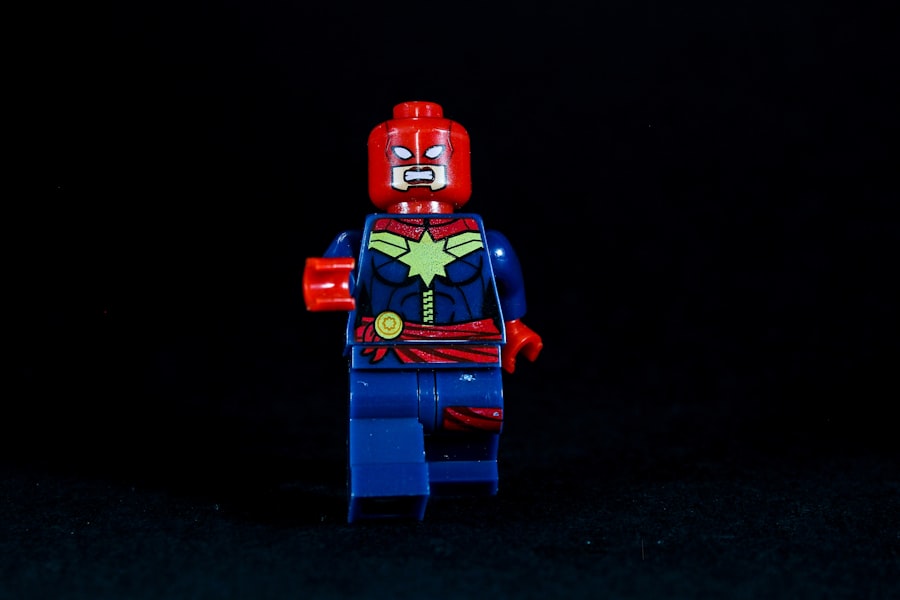
As tensions escalate further, Captain Marvel takes flight as one of Earth’s most powerful defenders. Her cosmic abilities position her as a key player in confronting intergalactic threats that could impact Earth’s safety. With her unwavering determination and fierce sense of justice, she embodies resilience in times of crisis—an inspiration for both heroes and civilians alike.
Captain Marvel’s journey reflects themes of empowerment and self-discovery as she navigates her role within an ever-expanding universe filled with complexities. Her ability to harness energy from various sources allows her to adapt quickly in battle situations while showcasing her versatility as a hero capable of overcoming formidable challenges.
The Defenders Join Forces
As chaos reigns across multiple fronts, The Defenders—comprising Daredevil, Jessica Jones, Luke Cage, and Iron Fist—join forces with other heroes to combat this unprecedented threat. Known for their street-level approach to crime-fighting, they bring a gritty realism that complements larger-than-life battles unfolding elsewhere in the universe. Their unique skills allow them to tackle challenges from different angles while emphasizing teamwork amidst adversity.
The Defenders’ involvement highlights how collaboration among diverse groups can lead to innovative solutions when facing overwhelming odds. Their commitment to protecting those who cannot protect themselves resonates deeply within communities grappling with injustice—a theme central to many Marvel narratives. In summary, as we witness this expansive saga unfold within the Marvel Universe—filled with new threats emerging alongside beloved characters reuniting—we are reminded that heroism transcends individual abilities; it lies in unity forged through shared struggles against darkness while celebrating diversity among those who stand together for justice.
If you’re a fan of Marvel superheroes, you might be interested in exploring how these iconic characters have influenced popular culture and holiday celebrations. For a festive twist, check out this article on custom ornaments that can bring a touch of superhero magic to your holiday decor: Unlocking the Magic: Custom Ornaments for a Festive Holiday.
FAQs
What are Marvel Super Heroes?
Marvel Super Heroes are fictional characters created by Marvel Comics, known for their extraordinary abilities and heroic deeds. They appear in comic books, movies, TV shows, and other media.
Who created Marvel Super Heroes?
Marvel Super Heroes were created by various writers and artists, with key figures including Stan Lee, Jack Kirby, and Steve Ditko, who developed many iconic characters in the 1960s.
When did Marvel Super Heroes first appear?
Marvel Super Heroes first appeared in comic books during the early 1960s, with characters like Spider-Man debuting in 1962 and the Fantastic Four in the same year.
What are some popular Marvel Super Heroes?
Popular Marvel Super Heroes include Spider-Man, Iron Man, Captain America, Thor, Hulk, Black Widow, and the X-Men, among many others.
Are Marvel Super Heroes part of a shared universe?
Yes, Marvel Super Heroes exist within the Marvel Universe, a shared fictional universe where characters often interact and team up in various storylines.
What is the Marvel Cinematic Universe (MCU)?
The Marvel Cinematic Universe is a media franchise and shared universe centered around a series of superhero films produced by Marvel Studios, featuring many Marvel Super Heroes.
Can Marvel Super Heroes have superpowers?
Yes, many Marvel Super Heroes have superpowers, which can be innate, acquired through accidents or experiments, or derived from advanced technology.
Are Marvel Super Heroes only in comics?
No, Marvel Super Heroes appear in various forms of media including movies, TV shows, video games, and merchandise, in addition to comic books.
What is the difference between Marvel Super Heroes and Marvel Villains?
Marvel Super Heroes are characters who fight for justice and protect others, while Marvel Villains are antagonists who oppose the heroes and often engage in criminal or destructive activities.
How can I start reading Marvel Super Heroes comics?
New readers can start with popular or recent storylines, or with origin stories of favorite characters. Marvel also offers collected editions and digital comics for easy access.