Now Reading: Exploring the Budget for Clair Obscur Expedition 33
-
01
Exploring the Budget for Clair Obscur Expedition 33
Exploring the Budget for Clair Obscur Expedition 33
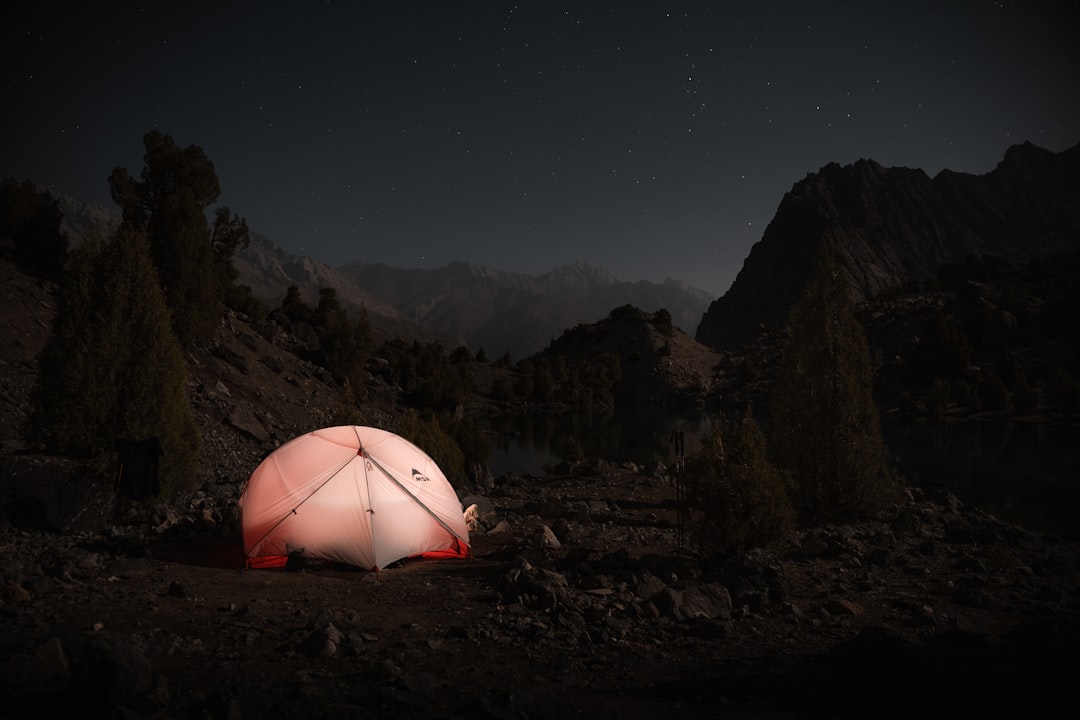
The Clair Obscur Expedition 33 represents a significant milestone in the realm of exploratory research, particularly in the fields of environmental science and anthropology. This expedition is designed to delve into the uncharted territories of the Arctic, where the interplay of climate change and human activity has created a unique landscape of both opportunity and challenge. The expedition aims to gather critical data that will inform future conservation efforts and enhance our understanding of the delicate ecosystems that exist in these remote regions.
By employing a multidisciplinary approach, the team seeks to bridge the gap between scientific inquiry and practical application, ensuring that the findings contribute meaningfully to both academic discourse and real-world solutions. The expedition is not merely an academic exercise; it embodies a commitment to fostering global awareness about the pressing issues facing our planet. As climate change accelerates, the Arctic serves as a barometer for environmental shifts that have far-reaching implications.
The Clair Obscur Expedition 33 is poised to provide invaluable insights into these changes, offering a comprehensive analysis of the region’s biodiversity, geological formations, and cultural heritage. Through collaboration with local communities and international researchers, the expedition aims to create a holistic understanding of the Arctic’s past, present, and future.
Key Takeaways
- Clair Obscur Expedition 33 involves detailed budget planning across multiple critical areas.
- Major expenses include research and development, equipment, and transportation logistics.
- Personnel training and safety measures are prioritized to ensure expedition success.
- Communication technology and contingency plans are integral for operational efficiency.
- Environmental sustainability is a key consideration for future funding and expedition planning.
Overview of Budget Allocation
A well-structured budget is paramount for the success of any expedition, particularly one as ambitious as Clair Obscur Expedition 33. The total budget allocation for this endeavor is meticulously crafted to ensure that all aspects of the expedition are adequately funded. The financial plan encompasses various categories, including research and development, equipment procurement, transportation logistics, personnel costs, and safety measures.
Each category is allocated a specific percentage of the total budget, reflecting its importance in achieving the expedition’s objectives. For instance, approximately 30% of the budget is earmarked for research and development, which includes funding for scientific studies, data analysis, and collaboration with academic institutions. Another 25% is dedicated to equipment and supplies, ensuring that the team has access to cutting-edge technology necessary for data collection and analysis.
Transportation and logistics account for 20% of the budget, facilitating safe and efficient travel to remote locations. Personnel costs, including salaries and training, represent 15% of the budget, while safety and emergency preparedness measures receive the remaining 10%. This strategic allocation underscores the expedition’s commitment to thorough preparation and execution.
Research and Development Costs
Research and development (R&D) costs are a critical component of the Clair Obscur Expedition 33 budget. These expenses encompass a wide range of activities aimed at enhancing scientific knowledge and understanding of the Arctic environment. The R&D budget is primarily allocated towards field studies, laboratory analyses, and collaborative projects with universities and research institutions.
This investment in R&D not only facilitates data collection but also fosters innovation in methodologies used for environmental assessment. One significant aspect of R&D costs involves the deployment of advanced technologies such as remote sensing equipment, drones, and underwater submersibles. These tools enable researchers to gather high-resolution data on climate patterns, ice dynamics, and marine biodiversity.
Additionally, funds are allocated for training personnel in the use of these technologies, ensuring that team members are proficient in data collection techniques.
Equipment and Supplies
The procurement of specialized equipment and supplies is essential for the successful execution of Clair Obscur Expedition 33. The expedition requires a diverse array of tools ranging from basic field gear to sophisticated scientific instruments. Approximately 25% of the total budget is allocated for this purpose, reflecting the importance of having reliable equipment in challenging Arctic conditions.
Key items include high-performance clothing designed for extreme weather conditions, portable laboratories for on-site analysis, and advanced sampling tools for collecting soil, water, and biological specimens. Additionally, state-of-the-art GPS devices and mapping software are crucial for navigation in remote areas where traditional landmarks may be obscured by ice or snow. The expedition also invests in communication equipment to maintain contact with support teams and ensure safety during field operations.
By prioritizing quality and reliability in equipment selection, the expedition team can maximize their efficiency and effectiveness in data collection.
Transportation and Logistics
| Category | Estimated Cost | Actual Cost | Notes |
|---|---|---|---|
| Personnel | 150,000 | 145,000 | Includes salaries and allowances |
| Equipment | 80,000 | 85,000 | Scientific instruments and gear |
| Travel and Logistics | 50,000 | 48,000 | Transportation and accommodation |
| Research and Analysis | 40,000 | 42,000 | Data processing and lab work |
| Contingency | 20,000 | 18,000 | Unexpected expenses |
| Total | 340,000 | 338,000 |
Transportation and logistics play a pivotal role in the success of Clair Obscur Expedition 33. Given the remote nature of the Arctic region, careful planning is required to ensure that all team members and equipment can be transported safely and efficiently. Approximately 20% of the total budget is allocated to this category, which encompasses various modes of transportation including air travel, sea transport, and ground vehicles.
The logistics plan includes chartering icebreaker ships capable of navigating through thick sea ice to reach remote research sites. Additionally, helicopters may be utilized for quick access to hard-to-reach locations or for emergency evacuations if necessary. Ground transportation involves specialized vehicles equipped for Arctic conditions, ensuring that team members can traverse challenging terrains safely.
The logistics team also coordinates supply chains to ensure that food, fuel, and other essential resources are available throughout the expedition duration.
Personnel and Training
Personnel costs represent a significant portion of the Clair Obscur Expedition 33 budget, accounting for approximately 15% of total expenditures. The success of any expedition hinges on the expertise and preparedness of its team members. Therefore, careful consideration is given to recruiting individuals with diverse skill sets ranging from scientific research to logistics management.
Training programs are implemented to equip team members with essential skills required for operating in extreme environments. This includes survival training, first aid certification, and specialized workshops on using scientific equipment effectively. Furthermore, fostering teamwork through collaborative exercises enhances communication among team members during field operations.
By investing in personnel development, the expedition ensures that each member is not only knowledgeable but also capable of responding effectively to unforeseen challenges.
Safety and Emergency Preparedness
Safety is paramount during any expedition, particularly in unpredictable environments like the Arctic. The Clair Obscur Expedition 33 allocates approximately 10% of its budget to safety measures and emergency preparedness protocols. This investment encompasses comprehensive risk assessments, safety training sessions, and emergency response plans tailored to potential hazards encountered during fieldwork.
The expedition team conducts thorough safety briefings before embarking on field missions, ensuring that all members are aware of potential risks such as extreme weather conditions or wildlife encounters. Emergency kits containing first aid supplies, communication devices, and survival gear are distributed among team members to facilitate rapid response in case of emergencies. Additionally, partnerships with local search-and-rescue organizations enhance preparedness by providing access to additional resources if needed.
Communication and Technology
Effective communication is vital for coordinating activities during Clair Obscur Expedition 33. Approximately 5% of the budget is allocated to communication technology that enables seamless interaction among team members as well as with external stakeholders. Given the remote nature of the Arctic environment, reliable communication systems are essential for ensuring safety and operational efficiency.
Satellite phones and two-way radios are employed to maintain contact during field operations where traditional cellular networks may be unavailable. Furthermore, data transmission technologies allow researchers to share findings in real-time with academic institutions and stakeholders worldwide. The integration of social media platforms also serves as a tool for raising awareness about the expedition’s objectives and findings among broader audiences.
Contingency Planning
Contingency planning is an integral aspect of any expedition strategy, particularly one operating in unpredictable environments like the Arctic. The Clair Obscur Expedition 33 allocates resources towards developing contingency plans that address potential challenges such as equipment failure or adverse weather conditions. This proactive approach ensures that the team can adapt quickly to unforeseen circumstances without compromising safety or research objectives.
The contingency plan includes protocols for equipment repairs or replacements as well as alternative research sites should primary locations become inaccessible due to ice movement or other factors. Additionally, financial reserves are set aside within the budget to address unexpected expenses that may arise during the expedition’s duration. By anticipating potential challenges ahead of time, the expedition team can maintain focus on their research goals while minimizing disruptions.
Environmental Impact and Sustainability
As an expedition focused on understanding environmental changes in the Arctic region, Clair Obscur Expedition 33 places a strong emphasis on minimizing its ecological footprint. Sustainability practices are integrated into every aspect of planning and execution to ensure that research activities do not adversely affect local ecosystems or communities. Efforts include utilizing eco-friendly materials for equipment whenever possible and implementing waste reduction strategies during field operations.
The team also engages with local communities to understand their perspectives on conservation efforts while respecting traditional practices related to land use. By prioritizing sustainability throughout its operations, Clair Obscur Expedition 33 aims not only to gather valuable data but also to set an example for responsible exploration.
Conclusion and Future Funding Needs
In conclusion, Clair Obscur Expedition 33 represents a comprehensive effort to explore one of Earth’s most vulnerable regions while addressing pressing environmental issues through rigorous scientific inquiry. With a well-structured budget allocation covering research costs, equipment procurement, transportation logistics, personnel training, safety measures, communication technology, contingency planning, and sustainability practices, this expedition is poised for success. Looking ahead, continued funding will be essential for expanding research initiatives beyond this initial phase.
Future funding needs will focus on enhancing collaborative efforts with local communities and academic institutions while further developing innovative technologies for data collection and analysis. By securing additional resources, Clair Obscur Expedition 33 can continue its mission to illuminate our understanding of climate change impacts in the Arctic while fostering global awareness about environmental stewardship. In summary, Clair Obscur Expedition 33 stands as a testament to human curiosity and commitment to understanding our planet’s complexities through responsible exploration and research initiatives aimed at preserving our natural heritage for generations to come.
The Clair Obscur Expedition 33 has garnered attention not only for its ambitious goals but also for its budgetary considerations. Understanding the financial aspects of such expeditions is crucial for their success. For those interested in exploring how budget management can impact various projects, a related article on financial trends can be found here: Understanding Amazon Stock Trends Over Time.
FAQs
What was the budget for the Clair Obscur Expedition 33?
The exact budget for the Clair Obscur Expedition 33 has not been publicly disclosed. Expedition budgets typically cover costs such as equipment, logistics, personnel, and research activities.
What factors influence the budget of an expedition like Clair Obscur Expedition 33?
Key factors include transportation, specialized equipment, permits, team salaries, safety measures, research materials, and contingency funds for unexpected expenses.
Who funds expeditions such as Clair Obscur Expedition 33?
Funding can come from a combination of sources including government grants, private sponsors, scientific institutions, and crowdfunding campaigns.
How is the budget for an expedition managed?
Budgets are usually managed by the expedition’s financial team or project managers who allocate funds to different departments and monitor expenses to stay within the planned budget.
Are there cost-saving measures commonly used in expeditions like Clair Obscur Expedition 33?
Yes, cost-saving measures may include using local resources, partnering with other organizations, optimizing logistics, and employing volunteers or interns.
Can the budget of an expedition change during the mission?
Yes, budgets can be adjusted due to unforeseen circumstances such as weather delays, equipment failure, or changes in research scope.
Is the budget information for Clair Obscur Expedition 33 available to the public?
Typically, detailed budget information is not publicly released unless the expedition team chooses to share it for transparency or fundraising purposes.