Now Reading: The Free Shepherd: A Guide to Raising Happy and Healthy Flocks
-
01
The Free Shepherd: A Guide to Raising Happy and Healthy Flocks
The Free Shepherd: A Guide to Raising Happy and Healthy Flocks
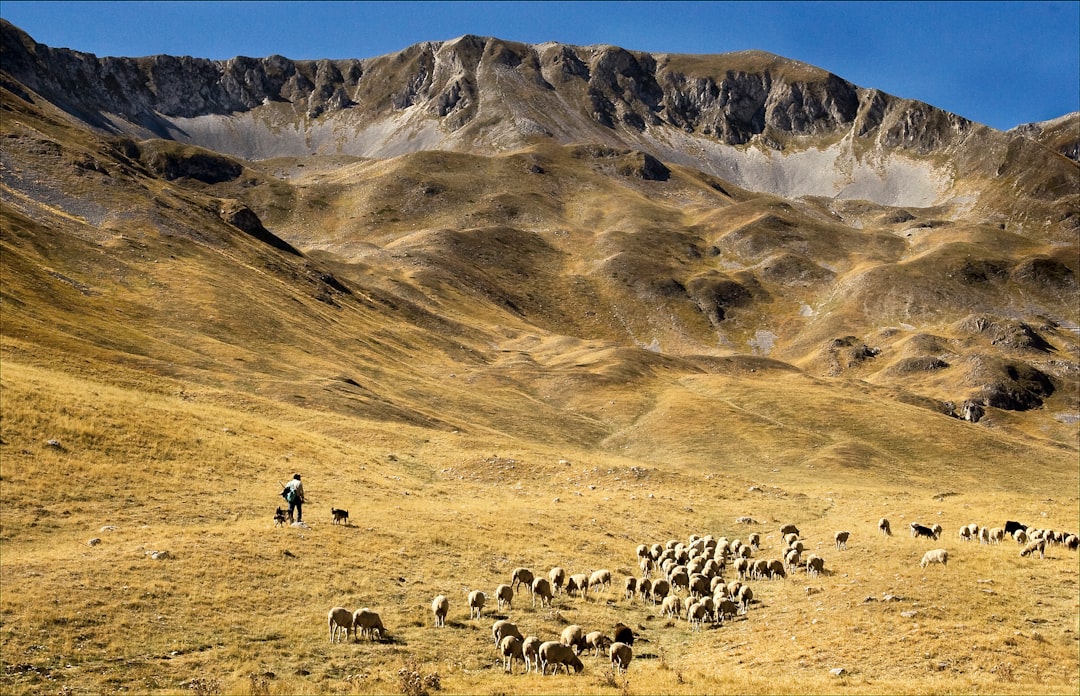
The role of a shepherd extends far beyond merely herding sheep; it encompasses a deep understanding of animal husbandry, land management, and the intricate social dynamics of the flock. A shepherd acts as a guardian, caretaker, and educator, ensuring the well-being of each animal while also managing the land on which they graze. This multifaceted role requires a blend of practical skills, emotional intelligence, and a profound respect for the animals under their care.
Shepherds must be adept at recognizing the individual needs of each sheep, understanding their behaviors, and responding to their health requirements. This involves not only monitoring physical health but also being attuned to the emotional states of the flock. A successful shepherd fosters a bond with their animals, which can lead to improved productivity and overall flock harmony.
The shepherd’s responsibilities also include managing breeding practices, ensuring genetic diversity, and maintaining the health of the pastureland to support sustainable grazing.
Key Takeaways
- A shepherd’s role involves careful selection, care, and management of the flock to ensure their well-being.
- Choosing the right breeds and providing proper nutrition are essential for a healthy and productive flock.
- Creating a safe environment and understanding flock social dynamics help maintain harmony and reduce stress.
- Regular health monitoring, parasite control, and routine maintenance are crucial to prevent and manage common issues.
- Building trust through training, handling, and record-keeping strengthens the relationship between shepherd and flock.
Selecting the Right Breeds for Your Flock
Choosing the appropriate breed for your flock is crucial for achieving specific production goals, whether they be for wool, meat, or milk. Different breeds exhibit varying traits that can significantly impact their adaptability to environmental conditions, resistance to diseases, and overall productivity. For instance, breeds such as Merino are renowned for their fine wool quality, while Suffolk sheep are favored for their meat production due to their rapid growth rates.
When selecting breeds, it is essential to consider factors such as climate adaptability, feed efficiency, and reproductive performance. Additionally, understanding the local market demand can guide decisions on which breeds to raise. For example, if there is a high demand for organic lamb in your area, you may opt for breeds that are known for their superior meat quality and growth rates.
Furthermore, crossbreeding can be an effective strategy to combine desirable traits from different breeds, enhancing the overall performance of your flock.
Creating a Safe and Comfortable Environment for Your Flock
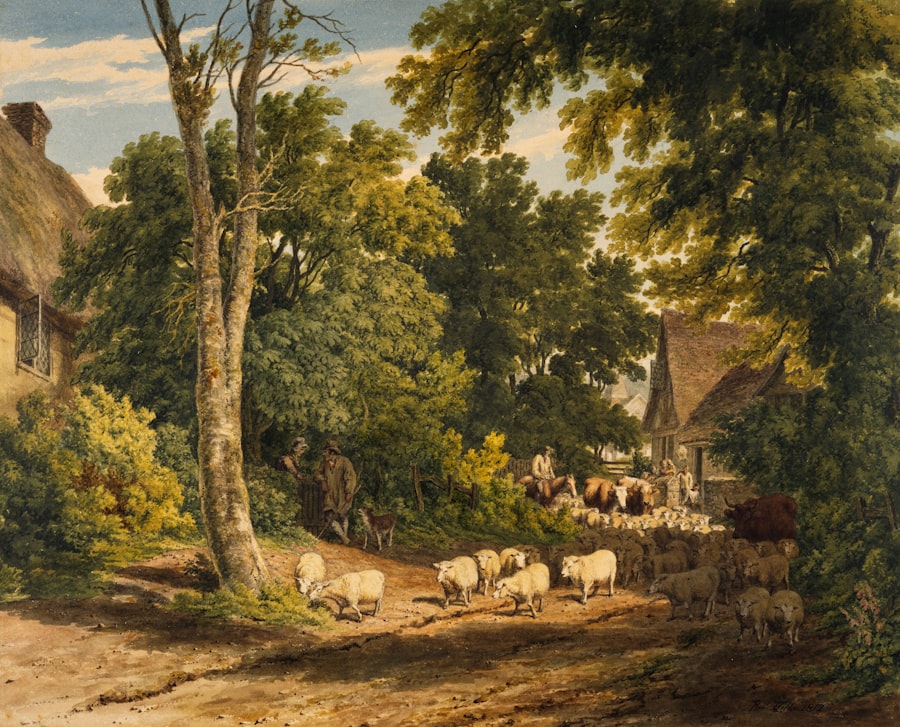
A safe and comfortable environment is paramount for the health and productivity of your flock. This includes providing adequate shelter from harsh weather conditions, such as extreme heat or cold, as well as protection from predators. The design of the housing should allow for proper ventilation while minimizing drafts, ensuring that sheep remain dry and comfortable.
In addition to shelter, the grazing area must be well-maintained and free from hazards. Regularly inspecting pastures for toxic plants or sharp objects is essential to prevent injuries or poisoning. Providing clean water sources and ensuring that feeding areas are clean can also help reduce the risk of disease transmission among the flock.
Creating a comfortable environment not only promotes physical health but also contributes to lower stress levels, which can enhance overall flock productivity.
Providing Proper Nutrition for Your Flock
Nutrition plays a critical role in maintaining the health and productivity of sheep. A balanced diet should consist of high-quality forage, grains, minerals, and vitamins tailored to the specific needs of the flock based on age, weight, and production stage. For instance, pregnant ewes require increased energy and protein intake to support fetal development and lactation.
Regularly assessing body condition scores (BCS) can help shepherds determine if their flock is receiving adequate nutrition. A BCS scale typically ranges from 1 (emaciated) to 5 (obese), with optimal scores falling between 2.5 and 3.5 for most sheep. Supplementing diets with minerals such as calcium and phosphorus is also vital for reproductive health and overall well-being.
Additionally, providing access to salt licks can help ensure that sheep receive essential trace minerals that may be lacking in their diet.
Understanding the Social Dynamics of Your Flock
| Metric | Value | Description |
|---|---|---|
| Title | The Free Shepherd | Name of the work or subject |
| Genre | Drama / Historical | Type or category of the work |
| Author/Creator | Unknown / Various | Author or creator associated with the title |
| Publication Year | Varies | Year when the work was published or created |
| Language | English | Primary language of the work |
| Number of Pages | Approx. 150 | Typical length of the text |
| Main Themes | Freedom, Leadership, Morality | Key themes explored in the work |
| Audience | General / Academic | Intended readership or viewers |
Sheep are inherently social animals that thrive in flocks. Understanding their social dynamics is crucial for effective management. Each sheep has its own place within the social hierarchy, which can influence feeding behavior, mating patterns, and stress levels.
Disruptions in this hierarchy can lead to increased aggression or anxiety among flock members. To promote a harmonious environment, it is essential to minimize stressors such as sudden changes in routine or introducing new animals without proper acclimatization. Observing interactions within the flock can provide insights into individual personalities and social structures.
By fostering a stable social environment, shepherds can enhance overall flock welfare and productivity.
Identifying and Managing Common Health Issues in Your Flock

Regular health assessments are vital for identifying common health issues that may affect your flock. Conditions such as foot rot, pneumonia, and internal parasites can significantly impact productivity if left untreated. Foot rot is particularly prevalent in wet conditions and can lead to lameness if not addressed promptly.
Early detection through regular hoof inspections can help mitigate this issue. Vaccination programs are essential for preventing infectious diseases such as clostridial infections and ovine enzootic abortion (OEA). Working closely with a veterinarian to develop a comprehensive health management plan tailored to your flock’s specific needs is crucial.
Additionally, maintaining good hygiene practices in housing areas can help reduce disease transmission among sheep.
Implementing Effective Parasite Control Measures
Parasite infestations pose a significant threat to sheep health and productivity. Internal parasites such as gastrointestinal nematodes can lead to weight loss, anemia, and even death if not managed effectively. Implementing a strategic parasite control program involves regular fecal egg counts to monitor parasite loads within the flock.
Rotating pastures can help break the life cycle of parasites by reducing exposure to contaminated areas. Additionally, using anthelmintics judiciously is essential to prevent resistance development among parasites. It is advisable to consult with a veterinarian regarding appropriate deworming protocols based on local parasite prevalence and resistance patterns.
Developing a Routine Maintenance Schedule for Your Flock
Establishing a routine maintenance schedule is vital for ensuring the ongoing health and productivity of your flock. This schedule should include regular health checks, vaccinations, hoof trimming, and shearing when necessary. Consistency in these practices helps prevent health issues from arising and allows for timely interventions when problems do occur.
Incorporating seasonal tasks into your maintenance schedule is also important. For example, preparing shelter before winter months or managing pasture growth during spring can significantly impact flock welfare. Keeping detailed records of maintenance activities can aid in tracking trends over time and identifying areas for improvement.
Training and Handling Your Flock
Effective handling techniques are essential for minimizing stress during routine management tasks such as shearing or veterinary care. Training sheep to respond positively to human interaction can facilitate easier handling and improve overall welfare. Utilizing low-stress handling methods can help maintain calmness within the flock.
Positive reinforcement techniques can be employed to encourage desired behaviors during training sessions. Gradually introducing sheep to handling equipment or new environments can also reduce anxiety levels. Building trust through consistent interactions fosters a cooperative relationship between shepherds and their flocks.
Understanding the Importance of Record-Keeping for Your Flock
Maintaining accurate records is crucial for effective flock management. Detailed records provide insights into breeding history, health assessments, vaccination schedules, and nutritional plans. This information allows shepherds to make informed decisions regarding breeding strategies or health interventions based on historical data.
Utilizing technology such as herd management software can streamline record-keeping processes while providing valuable analytics on flock performance over time. Regularly reviewing these records enables shepherds to identify trends or issues that may require attention, ultimately leading to improved flock management practices.
Building a Strong Relationship with Your Flock
Establishing a strong bond with your flock enhances both animal welfare and productivity outcomes. Spending time observing sheep behaviors fosters understanding of individual personalities within the group. Engaging with them through gentle handling or positive reinforcement techniques builds trust over time.
A strong relationship encourages sheep to respond positively during management activities such as shearing or veterinary care. This bond not only reduces stress levels but also promotes overall flock cohesion, leading to improved productivity outcomes in terms of wool quality or meat production. In summary, effective shepherding requires a comprehensive understanding of animal husbandry principles combined with practical skills in managing both individual animals and the flock as a whole.
By selecting appropriate breeds, creating safe environments, providing proper nutrition, understanding social dynamics, managing health issues effectively, implementing parasite control measures, developing maintenance schedules, training sheep properly, keeping accurate records, and building strong relationships with your flock—shepherds can ensure optimal productivity while promoting animal welfare throughout their operations.
The Free Shepherd is an intriguing concept that explores the relationship between humans and their canine companions, emphasizing the importance of companionship and loyalty. For those interested in understanding more about traditions and celebrations that bring people together, you might find the article on the Rockefeller Center Christmas Tree, a timeless holiday tradition, particularly engaging. You can read it here: Rockefeller Center Christmas Tree: A Timeless Holiday Tradition.
FAQs
What is “The Free Shepherd” about?
“The Free Shepherd” is a literary work that explores themes of freedom, nature, and pastoral life. It often depicts the life and experiences of a shepherd who values independence and a close connection to the natural world.
Who is the author of “The Free Shepherd”?
The author of “The Free Shepherd” varies depending on the specific version or adaptation. It is important to refer to the particular edition or publication to identify the author accurately.
When was “The Free Shepherd” first published?
The publication date of “The Free Shepherd” depends on the edition or version. Some versions may date back to classical or pastoral literature periods, while others could be modern adaptations.
What genre does “The Free Shepherd” belong to?
“The Free Shepherd” typically falls under the pastoral or nature literature genre, focusing on rural life, simplicity, and the relationship between humans and the environment.
Is “The Free Shepherd” based on a true story?
No, “The Free Shepherd” is generally a fictional or allegorical work that uses the character of a shepherd to convey broader themes and messages rather than recounting a true story.
Where can I find or read “The Free Shepherd”?
“The Free Shepherd” can be found in libraries, bookstores, or online platforms that offer literary works. Availability may vary depending on the edition and language.
What are the main themes of “The Free Shepherd”?
The main themes often include freedom, simplicity, harmony with nature, pastoral life, and sometimes social or philosophical reflections on human existence.
Has “The Free Shepherd” been adapted into other media?
Depending on its popularity and cultural significance, “The Free Shepherd” may have adaptations in forms such as theater, film, or audio readings, but this varies by version and region.