Now Reading: The Rise of Liverpool: A Football Powerhouse
-
01
The Rise of Liverpool: A Football Powerhouse
The Rise of Liverpool: A Football Powerhouse
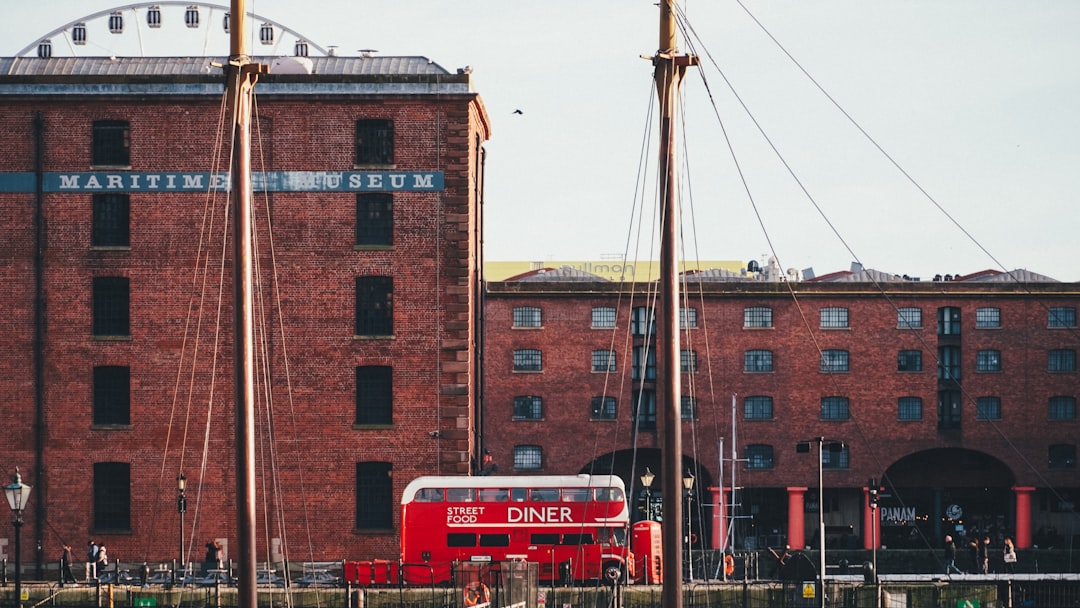
Liverpool Football Club, established in 1892, has a rich and storied history that has made it one of the most celebrated football clubs in the world. Founded after a split from Everton FC, Liverpool quickly rose to prominence in English football. The club’s early years were marked by success in the Lancashire League, but it was not until the 1900s that Liverpool began to make its mark on the national stage.
The club won its first league title in 1901, setting the foundation for a legacy that would see them become one of the most successful teams in English football history. Throughout the 20th century, Liverpool experienced numerous highs and lows, including periods of dominance and challenges that tested the club’s resilience. The 1960s and 1970s were particularly significant, as Liverpool secured multiple league titles and European trophies, establishing itself as a powerhouse in both domestic and international competitions.
The club’s iconic anthem, “You’ll Never Walk Alone,” became synonymous with its identity, reflecting the deep connection between the team and its supporters. This bond has been a driving force behind Liverpool’s enduring legacy.
Key Takeaways
- Liverpool FC has a rich history shaped by iconic managers like Bill Shankly, Kenny Dalglish, and Jurgen Klopp.
- The club experienced European dominance under Kenny Dalglish and a modern resurgence with Klopp’s leadership.
- Anfield Stadium has evolved significantly, becoming a symbol of the club’s heritage and fan culture.
- Liverpool’s fierce rivalry with Manchester United is central to its identity and competitive spirit.
- The club emphasizes community engagement and social initiatives alongside its financial and sporting ambitions.
The Influence of Bill Shankly on the Club’s Success
Bill Shankly is often regarded as the architect of modern Liverpool Football Club. Appointed as manager in 1959, Shankly transformed the club’s fortunes through his innovative tactics and charismatic leadership. He instilled a winning mentality among players and emphasized the importance of teamwork and discipline.
Under his guidance, Liverpool won three league titles and two FA Cups, but perhaps his most significant achievement was leading the club to its first European trophy in 1973. Shankly’s influence extended beyond tactics; he fostered a strong connection with the fanbase, understanding that their support was crucial to the club’s success. His famous quote, “The fans are the most important part of the club,” encapsulated his belief in the power of community.
Shankly’s legacy is evident in Liverpool’s continued commitment to nurturing talent and maintaining a strong relationship with supporters, principles that remain integral to the club’s ethos today.
The Era of Kenny Dalglish and European Dominance
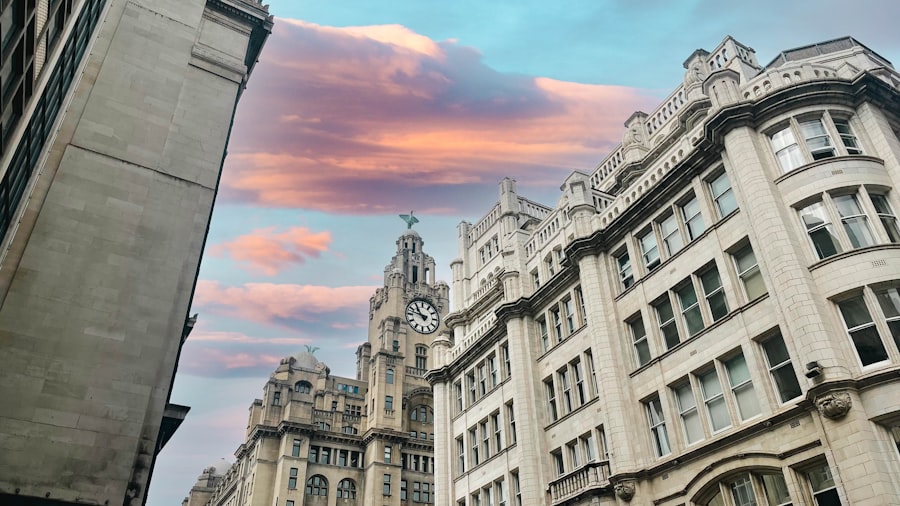
Kenny Dalglish, a legendary figure at Liverpool, took over managerial duties in 1985 after a successful playing career with the club. His tenure marked a golden era for Liverpool, characterized by domestic and European success. Under Dalglish’s leadership, Liverpool secured six league titles and two FA Cups, but it was in Europe where they truly shone.
The pinnacle of this success came in 1984 when Liverpool won their fourth European Cup, solidifying their status as one of the continent’s elite clubs. Dalglish’s tactical acumen and ability to nurture young talent were instrumental in Liverpool’s dominance during this period. He introduced a style of play that emphasized fluid attacking football, which captivated fans and set new standards for excellence.
His impact on the club extended beyond trophies; he became a symbol of resilience and unity during challenging times, particularly following the Hillsborough disaster in 1989. Dalglish’s legacy is etched into the fabric of Liverpool Football Club, inspiring future generations of players and managers.
The Impact of Jurgen Klopp’s Management
Jurgen Klopp’s arrival at Liverpool in 2015 marked a new chapter in the club’s history. Known for his charismatic personality and tactical prowess, Klopp quickly endeared himself to fans and players alike. His philosophy of “heavy metal football” emphasized high pressing and quick transitions, revitalizing Liverpool’s playing style.
Under his stewardship, the club experienced a remarkable resurgence, culminating in winning the UEFA Champions League in 2019 and the Premier League title in 2020 after a 30-year wait. Klopp’s ability to foster a strong team spirit and develop players has been pivotal to Liverpool’s success. He has transformed individuals like Mohamed Salah and Sadio Mané into world-class talents while also integrating youth players into the first team.
Beyond tactics, Klopp has cultivated a culture of resilience and determination within the squad, enabling them to compete at the highest level consistently. His impact on Liverpool extends beyond trophies; he has redefined the club’s identity for a new generation.
The Development of Anfield Stadium
| Metric | Value |
|---|---|
| City | Liverpool |
| Country | United Kingdom |
| Population | Approximately 500,000 (city proper) |
| Area | 111.8 km² |
| Founded | 1207 |
| Famous Football Club | Liverpool FC |
| Major Port Ranking (UK) | One of the largest and busiest |
| UNESCO World Heritage Status | Formerly designated (2004-2021) |
| Key Industries | Maritime, Tourism, Education, Music |
Anfield Stadium, home to Liverpool Football Club since its inception, is an iconic venue steeped in history. Originally opened in 1884, Anfield has undergone numerous renovations to accommodate the growing fanbase and enhance the matchday experience. The most significant development occurred in recent years with the expansion of the Main Stand, completed in 2016, which increased capacity to over 54,000 seats.
The stadium is renowned for its electric atmosphere, particularly during European nights when fans create an unforgettable spectacle with their passionate support. Anfield’s design incorporates modern amenities while preserving its historical charm, making it a unique destination for football enthusiasts worldwide. The ongoing commitment to improving facilities reflects Liverpool’s ambition to remain competitive at both domestic and international levels.
The Legacy of Liverpool’s Famous Players
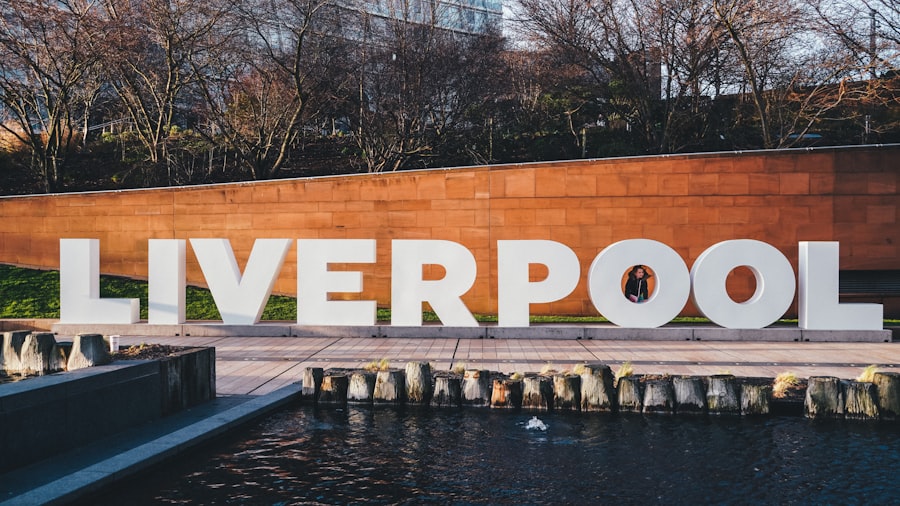
Liverpool Football Club has been home to numerous legendary players who have left an indelible mark on its history. Icons such as Steven Gerrard, Ian Rush, and Kenny Dalglish have not only achieved individual accolades but have also contributed significantly to the club’s success. Gerrard, known for his leadership and exceptional skill, captained Liverpool during one of its most memorable eras, including the famous comeback victory in the 2005 Champions League final against AC Milan.
The contributions of these players extend beyond their on-field performances; they embody the spirit and values of Liverpool FTheir dedication to the club has inspired countless fans and aspiring footballers alike. The legacy of these famous players continues to resonate within Anfield, reminding everyone of the rich tapestry of talent that has graced the pitch over the years.
The Rivalry with Manchester United
The rivalry between Liverpool and Manchester United is one of the fiercest in football history. Rooted in historical, cultural, and economic factors, this rivalry transcends mere competition on the pitch. Both clubs boast rich histories and passionate fanbases, making encounters between them highly anticipated events in the football calendar.
Matches between these two giants often evoke intense emotions from supporters, with each side vying for supremacy not only in terms of league standings but also in terms of bragging rights. The rivalry has produced memorable moments and legendary clashes that have defined eras for both clubs. As they continue to compete for titles and honors, this rivalry remains a defining aspect of English football culture.
The Club’s Financial Growth and Success
Liverpool Football Club has experienced significant financial growth over recent years, driven by various factors including commercial partnerships, broadcasting revenues, and matchday income. The club’s success on the pitch has translated into increased global recognition, attracting lucrative sponsorship deals with major brands. This financial stability has allowed Liverpool to invest in player acquisitions and infrastructure improvements.
The strategic approach taken by the club’s management has ensured sustainable growth while maintaining competitiveness within an increasingly challenging football landscape. By focusing on long-term planning rather than short-term gains, Liverpool has positioned itself as one of the wealthiest clubs globally while remaining true to its core values.
The Importance of the Liverpool Fanbase
The unwavering support of Liverpool’s fanbase is often cited as one of the club’s greatest assets. Known for their passion and loyalty, supporters play an integral role in creating an electric atmosphere at Anfield during matches.
Liverpool’s fanbase extends far beyond Merseyside; it encompasses millions worldwide who share a deep emotional connection with the club. This global community not only contributes to matchday revenues but also fosters a sense of belonging among supporters regardless of geographical location.
The Club’s Community and Social Initiatives
Liverpool Football Club is deeply committed to making a positive impact within its local community and beyond through various social initiatives. Programs aimed at promoting inclusivity, health awareness, education, and youth development reflect the club’s dedication to social responsibility. Initiatives such as “LFC Foundation” work tirelessly to support vulnerable groups within society while fostering community engagement.
By leveraging its platform as a prominent football club, Liverpool aims to inspire positive change both locally and globally. These efforts not only enhance the club’s reputation but also reinforce its identity as a force for good within society.
The Future of Liverpool Football Club
Looking ahead, Liverpool Football Club is poised for continued success both on and off the pitch. With Jurgen Klopp at the helm and a talented squad at his disposal, aspirations for further domestic and European glory remain high. The club’s commitment to youth development ensures that future generations will have opportunities to shine at Anfield.
Moreover, ongoing investments in infrastructure and technology will enhance matchday experiences while maintaining competitiveness within an evolving football landscape. As Liverpool continues to build on its rich heritage while embracing innovation, it remains well-positioned for sustained success in years to come. In summary, Liverpool Football Club stands as a testament to resilience, passion, and community spirit within football culture.
From its storied history to its iconic figures and unwavering fanbase, every aspect contributes to an enduring legacy that transcends generations. As it navigates future challenges with ambition and determination, Liverpool FC remains committed to upholding its values while striving for excellence on every front.
Liverpool has been making headlines recently, not just for its football achievements but also for its vibrant culture and community events. One such event that resonates with the spirit of unity is National Unity Day, which emphasizes the importance of coming together as a community. To learn more about this new federal holiday and its significance, you can read the article here: